
Review · TOKYO SUMO EXPERIENCES
Tokyo: Sumo Morning Practice Viewing Tour at a Real Stable
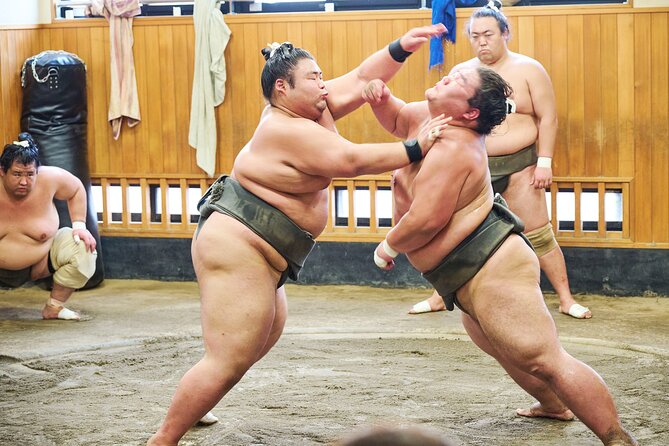
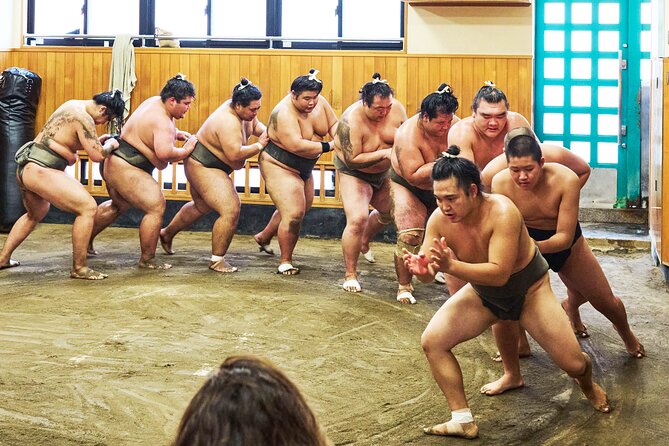
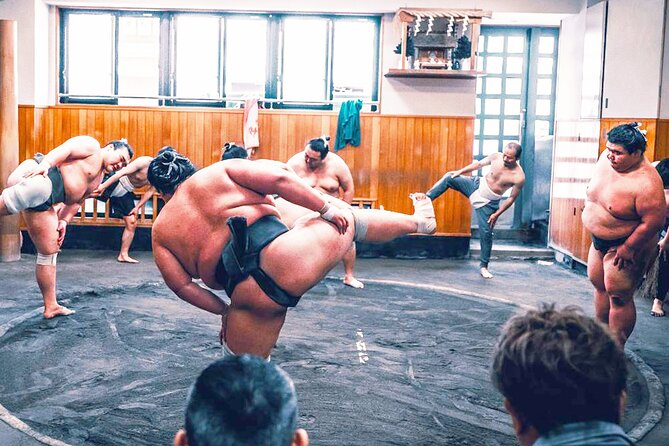
Sumo practice feels real fast. In Tokyo, this small-group visit lets you watch working stable training during morning practice, with a guide to explain what you are seeing.
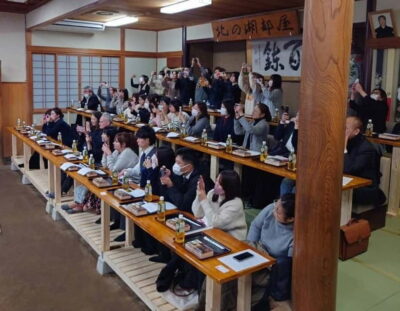
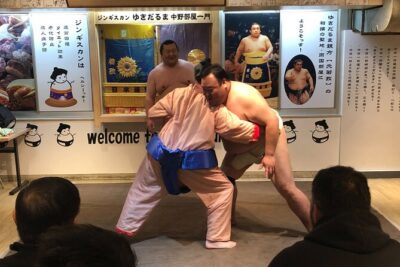
I like two big things right away: the chance for close-up training and the simple, fun photo time with sumo wrestlers. It is not presented like a staged show, so the whole morning has a behind-the-scenes feel.
One drawback to plan around is the quiet. During the training, you are not meant to speak, so the guide handles questions at the right times instead of in the middle of the session.
Key things to know before you go
- Small group, big access: maximum of 50 people, with an intimate feel for a major Tokyo activity
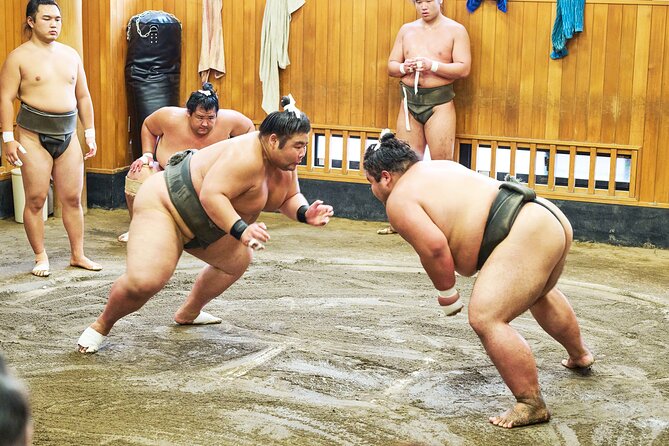
- A real stable, not a performance: you observe ongoing morning training at a working sumo training stable
- Photo opportunity built in: you can take photos with the wrestlers while still following stable etiquette
- Guide does the translating work: your guide explains sumo rules, rituals, and traditions as you watch
- Questions without talking: in past groups, guides like Mao used a WhatsApp group so you could ask questions since speaking is not allowed during training
- Easy morning logistics: meet near public transportation at Kiyosumi-shirakawa (8:30 am), with the activity ending back at the meeting point
Tokyo Sumo Morning Practice, the real deal at a working stable
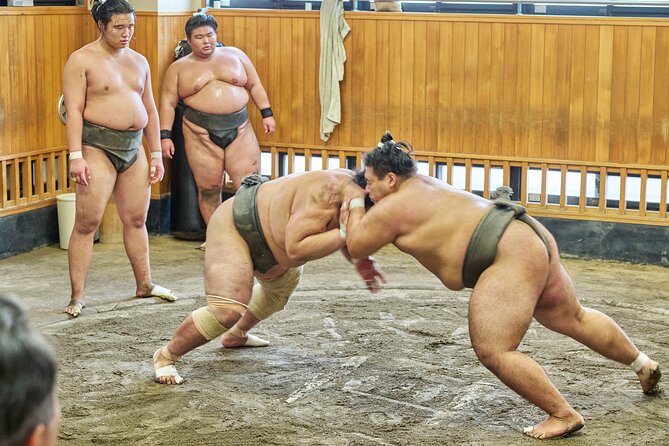
Tokyo has plenty of sumo-themed experiences, but this one has a different goal. Instead of an audience-facing performance, you are there to observe day-to-day training at a genuine sumo training stable. That change matters. It turns the morning into something closer to watching how professionals prepare, not how entertainers perform.
The biggest value is that your guide helps you decode what you are seeing. Sumo has specific rules and traditions, and if you only know the basics, a training session can blur together. Here, the guide gives context around the rituals and traditions as you go, so the action has meaning.
You also get a practical bonus that many people love: the opportunity to take photos with the wrestlers. That makes the experience feel personal without turning it into a circus.
More Tokyo tours and experiences for the shortlist

Where you start: Kiyosumi-shirakawa meeting point and timing that works
This tour begins at 8:30 am. The meeting point is listed as Kiyosumi-shirakawa Station, 1-chōme, 6-13 Shirakawa, Koto City, Tokyo 135-0021. It is also described as near public transportation, which is exactly what you want for an early start.
The activity itself runs about 1 hour 30 minutes, and the total tour time is listed as around 2 hours. Plan for that extra time for getting organized and walking from the station to the stable area, plus a bit of buffering so you do not feel rushed.
It also ends back at the meeting point. That is underrated. You avoid the hassle of figuring out what train to take right after a quiet, focused morning.
Your guide’s role: rules, rituals, and smart ways to ask questions
This experience is guided end-to-end by the tour company’s guide team. The key promise is simple: no research required, because the guide explains sumo rules, rituals, and traditions as you observe the practice.
In a world where many tours drop you off and send you off with a pamphlet, this approach is a win. You are watching people do athletic work that is shaped by tradition, so having someone translate the why behind the movements helps you connect the dots quickly.
You may also notice a thoughtful handling of questions. One guide named Mao has set up a WhatsApp group in past groups, specifically because speaking is not allowed during training. That is a clever compromise. You get your quiet, respectful viewing experience, while still being able to ask follow-up questions without distracting the stable.
Other guides are mentioned too, including Tomo, noted for answering lots of questions and even sharing suggestions for meals afterward. That kind of practical bonus can make the morning easier to build into your day.
What happens during the 1.5 hours of sumo training
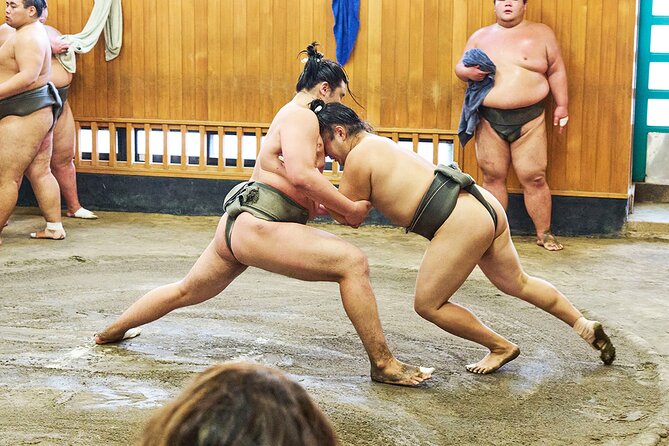
You are there to observe a morning practice session. That means you are not just seeing highlight moments, you are seeing the rhythm of training.
Even though this is a short window, the format is structured: your guide takes you to the stable, you watch the session, and you get explanations throughout. The result is that you are not stuck trying to guess what is important.
Expect the tone of the experience to be focused and respectful. The fact that speaking is not allowed during the training is a clue. This is an activity where you should keep your energy calm, your posture attentive, and your questions saved for the guide’s designated moments.
Also, remember that a training session is not the same as a match. It is practice, meaning you may see repetition, drills, and the steady work of preparing. If you go in expecting a constant, match-style pace, you might find it slower than a competition broadcast. But if you come for the behind-the-scenes understanding, that slower rhythm is part of the charm.
Photo time with wrestlers: fun, but do it right
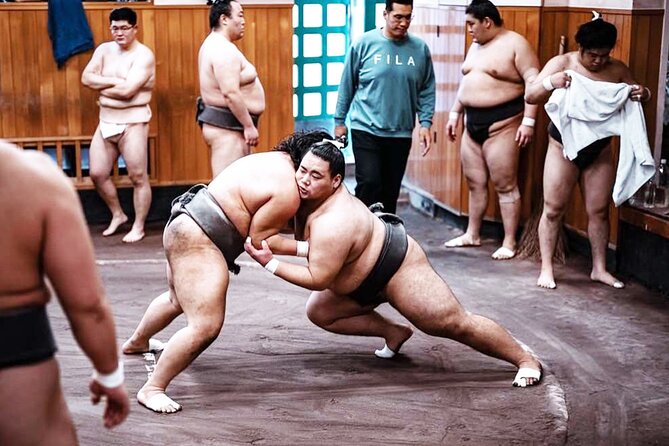
The tour highlights include the chance to take photos with sumo wrestlers. That is a major draw because it gives you a tangible memory from a sport that most people only see from afar.
At the same time, sumo stables have etiquette. You are in someone’s workplace, during training. So you should treat photo moments as respectful opportunities, not as permission to get wild.
Because speaking is not allowed during training, it is likely that the photo moments are controlled and timed. That usually makes for a smoother experience for everyone. Your job is to follow the guide’s cues, keep your movements quiet, and be ready when it is your turn.
If you are a photographer, go in with a simple mindset. You will get value from capturing the atmosphere and the wrestlers up close, even if you do not come away with every shot perfect. Think documentation, not a studio shoot.






Price and value: what $118.92 buys you in Tokyo
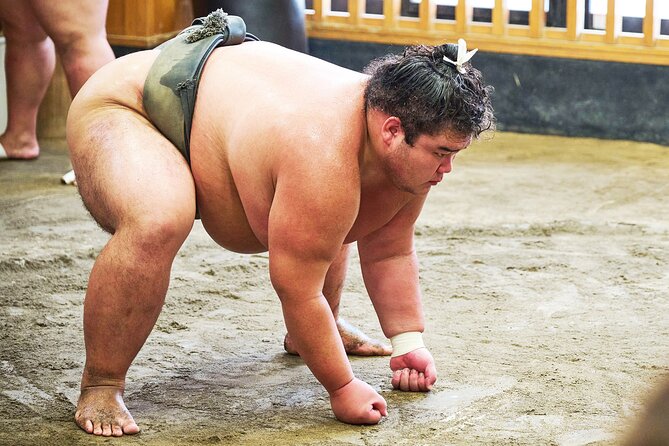
The price is $118.92 per person, and the format includes an admission ticket labeled as free for the activity. That might sound confusing at first, but the big idea is that the cost is mainly for the guided access and the guided morning stable visit.
Is it cheap? No. But it is also not a generic walking tour. You are paying for access to a working stable, for someone to explain sumo’s rules and traditions while you are watching, and for help coordinating the experience in a time slot that starts at 8:30 am.
The small group size also supports the value. With a maximum of 50 people, you are less likely to feel like a numbered ticket in a crowd. The morning viewing experience is inherently more intimate when the group stays small.
If you care about sports culture and you want something that feels real rather than themed, this cost can make sense. If you only want a quick taste with no context, you might feel you can find cheaper entertainment. The difference is whether you want understanding, not just photos.
Who this tour fits best, and who might want to skip it
This experience fits best if you fall into one of these categories:
- You are curious about sumo culture, not just the sport’s outcomes
- You like behind-the-scenes moments where the training feels like a normal day
- You want a guide to explain rules and rituals while you watch, so you are not missing the point
- You want a short Tokyo activity that lasts about 2 hours and then frees you up
It may be less ideal if you dislike quiet rules. Since speaking is not allowed during training, the experience has a subdued, watch-and-learn rhythm. If you like constant chatter and improvising questions on the spot, you may prefer a different type of tour.
It is also worth noting that the session is happening in a working stable environment. That means you should be comfortable following instructions, staying respectful, and not expecting the schedule to function like a theme attraction.
Practical tips to make your morning smoother
First, embrace the early start. 8:30 am is not late, but it is early enough that you should plan your day around it rather than hoping to squeeze it in casually.
Second, be ready to listen. The tour is built around observation and explanation. If you watch carefully and let the guide’s commentary set the meaning, you will get more out of the same time.
Third, bring your phone and plan for photos, but stay flexible. Photo time with sumo wrestlers is a highlighted part of the experience, yet the training environment will still dictate timing and behavior.
Finally, if you want a question answered, use the right channel. Past guides, including Mao, have supported questions via WhatsApp when speaking is not allowed during training. Even if your guide does not use WhatsApp, you can still expect that the guide will offer a way to communicate without breaking the quiet.
Should you book this Tokyo sumo morning stable practice tour?
Book it if you want the sport in context. You are not just collecting a souvenir photo. You are watching real morning training at a working sumo stable, and you get explanations of rules, rituals, and traditions so your brain can make sense of what you are seeing.
Skip it if your ideal Tokyo day is loud, social, and flexible. The quiet rule during training is real, and the experience is designed around respectful viewing more than casual conversation.
For most people who like authentic cultural access, this is a strong choice. The blend of close-up training, photo opportunity, and an actively helpful guide makes it a well-shaped morning. And with a maximum group size of 50, it should feel more personal than you might expect for a major Tokyo activity.
FAQ
How long is the sumo morning practice viewing tour?
The tour is about 2 hours total, and the viewing session is listed as 1 hour 30 minutes.
What time does the tour start?
The start time is 8:30 am.
Where do I meet the guide?
You meet at Kiyosumi-shirakawa Station, 1-chōme, 6-13 Shirakawa, Koto City, Tokyo 135-0021, Japan.
Does the price include admission?
Admission is listed as free, and the tour price is $118.92 per person.
Is it a small group?
Yes. The activity has a maximum of 50 travelers.
Can I take photos with sumo wrestlers?
Yes, the experience includes an opportunity to take photos with sumo wrestlers.
Is free cancellation available?
Yes, you can cancel for a full refund up to 24 hours in advance of the experience start time.
More Morning in Tokyo

More Tours in Tokyo


More Tour Reviews in Tokyo
Not for you? Here's more nearby things to do in Tokyo we have reviewed












Tokyo Sumo Experiences, side by side.
 ★ 4.8Sumo Show and Dining ExperienceFrom $792,742 reviews
 ★ 5.0the SUMO showFrom $891,960 reviews
 ★ 5.0Tokyo Shinjuku Sumo Show & Experience with PhotoFrom $791,750 reviews
 ★ 4.8Sumo Show and Experience in ShinjukuFrom $691,001 reviews
 ★ 4.7Luxury Sumo Show Experience & Japanese cuisine & DrinkFrom $103577 reviews
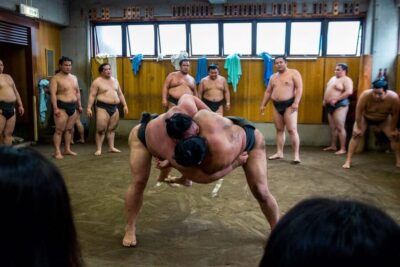 ★ 4.8Sumo Morning Practice Viewing TourFrom $81570 reviews
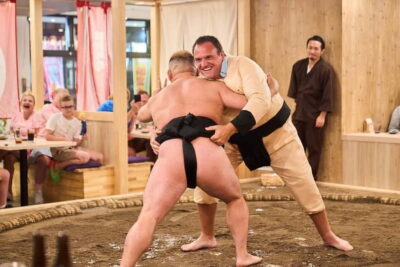 ★ 4.8Tokyo Sumo Experience: Chanko & Mochi with a Former ProFrom $103567 reviews
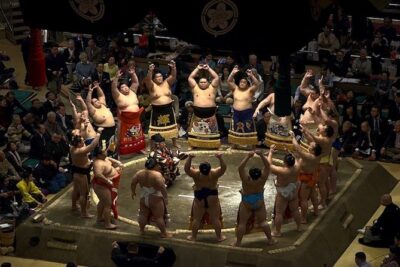 ★ 5.0Ultimate Sumo Tournament: Tokyo, Osaka, Nagoya, FukuokaFrom $184468 reviews
This tour also belongs to