
Review · TOKYO SUMO EXPERIENCES
Tokyo: Sumo Morning Practice with journalists. Not fake show
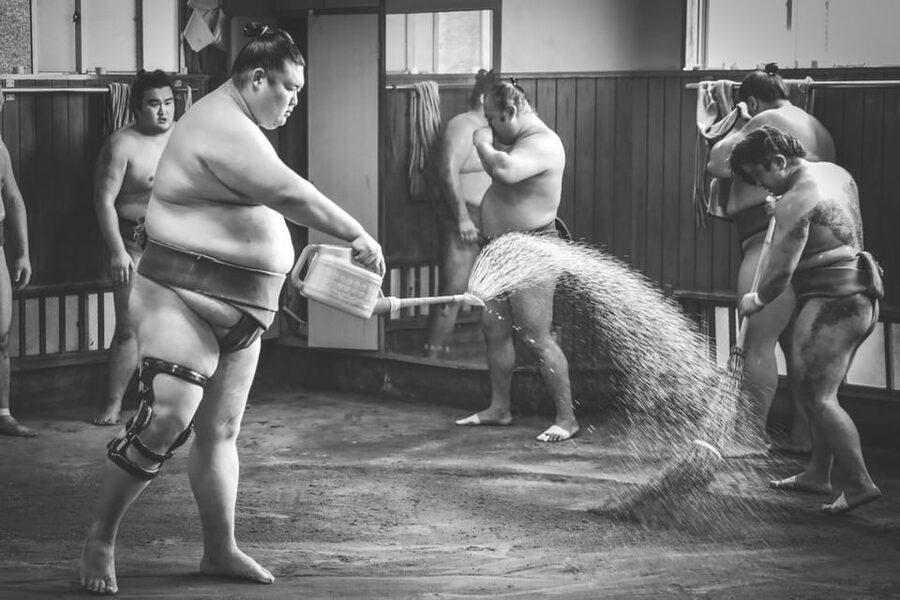
Tokyo has a way of making you watch closely. This tour gives you real sumo morning practice access, not a staged performance, with special permission from the sumo stable. You start in Ryogoku, learn the rituals and hierarchy, then sit close enough to feel how serious the training is.
Two things I really like: the guide mix of sumo detail plus reporter storytelling. I particularly enjoyed how guides such as Shinya Setsu San (and other journalist guides with names like Shin, Karen, and Ray) translate the sport into plain English, so you can follow what you are seeing. Second, you get commemorative photos tied to the practice, plus time for questions after, so you are not left guessing.
One drawback to plan around: the stable is a traditional floor setup. You will sit on the ground, and the tour is not suitable for wheelchair users due to that layout, so it is not a casual grab-and-go activity.
Key takeaways before you go
- Journalist-led explanations that connect rituals, rules, and daily life without jargon
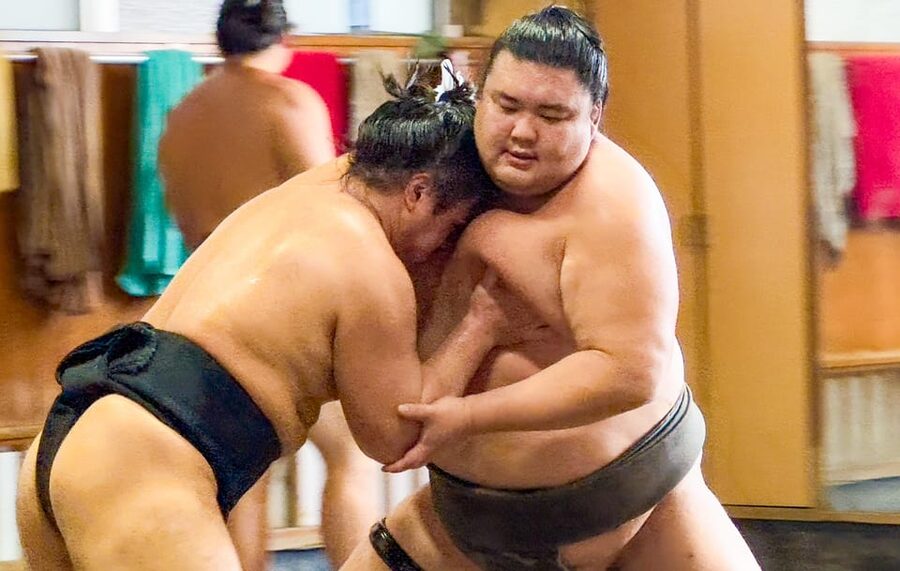
- Live morning practice viewing with real training energy and technique you can spot
- Commemorative photo time after practice, with clear boundaries on what you can do
- A question-friendly format so you can go deeper than the basics
- Ryogoku culture stop afterward at Ryōgoku Edo Noren, for context beyond the ring
- One stable visit, focused time rather than rushing through Tokyo sights
Real sumo morning practice, not a staged show
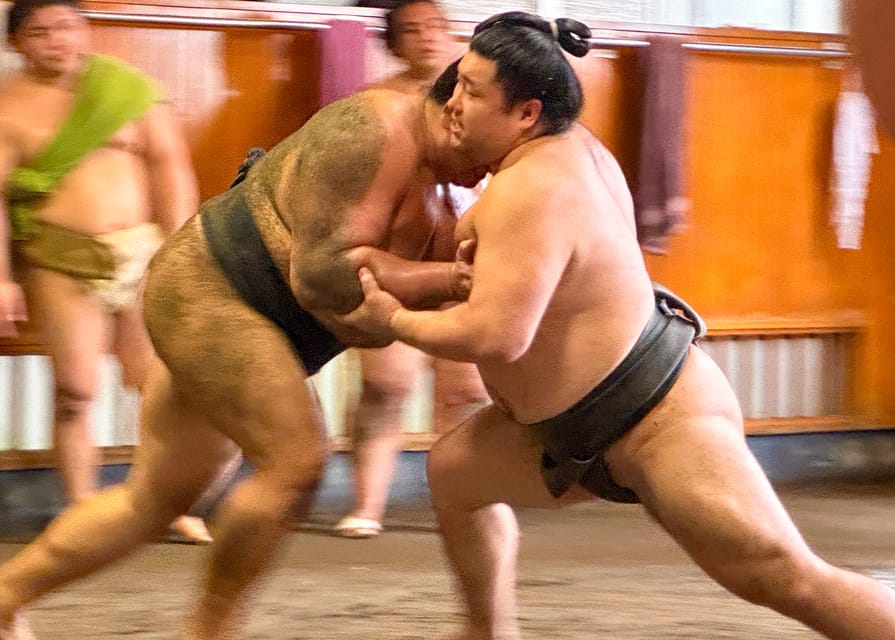
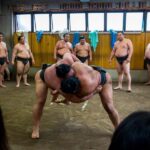
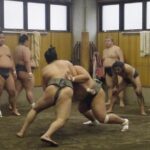
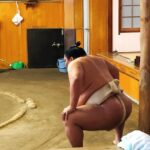
If you only know sumo from big TV match days, this tour is a different world. Morning practice is where you see discipline in motion, not just the drama of a bout. You watch rikishi work on technique, timing, and strength in a tight routine that feels private and serious.
What makes it special is the access. You are entering a sumo stable environment under special permission, which is exactly why this experience feels rare even to people who live in Japan. It is also why the rules are strict, especially around photography and indoor behavior.
The tour is built for people who want understanding, not just viewing. You get the background on rituals and the way sumo is organized, then you watch the practice with that context in your head. That turns what might be a blur of movement into something you can actually interpret.
More Tokyo tours and experiences for the shortlist

Ryogoku meeting point and how the 3-hour flow works
The meeting point is near Ryogoku Station on the Toei Oedo Line, Exit A2 at ground level. It is a short walk from the east exit of JR Ryogoku Station, so if you arrive by JR, give yourself a little time to cross over and find the station exit.
The schedule is compact and practical: you transfer briefly to Takasago-beya for about two hours of guided access. Then you head toward Ryōgoku Edo Noren for roughly 30 minutes, finishing back at Ryogoku Station shortly after. Those short transfers matter in Tokyo. They keep the day from turning into a commute marathon and let the stable visit stay the center of gravity.
Also note the tone. You are not expected to snack your way through it. You should plan your morning so you are comfortable sitting and staying quiet during the practice portion.
Takasago-beya Sumo Stable: rituals, hierarchy, and floor time
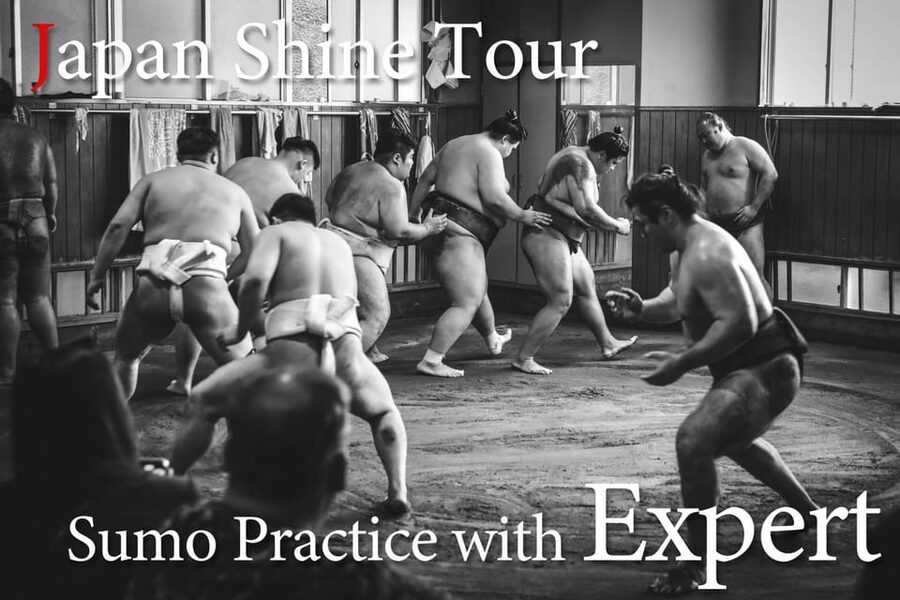
Takasago-beya is the stable stop, and the focus is your guided understanding first, then watching. Expect a walk through the essentials of sumo culture: how rituals fit into training, why hierarchy matters, and how the sport is organized. The point is not to memorize facts. The point is to know what you are looking at.
You will also spend time sitting on the floor. Comfortable clothes are not a “nice to have” here. During stable practice, you are expected to stay put, and the viewing area is set up traditionally. This is part of what makes the experience feel real, but it can be uncomfortable if you show up dressed for city sidewalks only.
One more consideration: the tour includes access granted by the stable. That means the environment is not designed for wandering, eating, or loud behavior. You will get the best experience if you arrive with a calm mindset and a readiness to observe quietly.
What the practice looks like, and how to photograph it
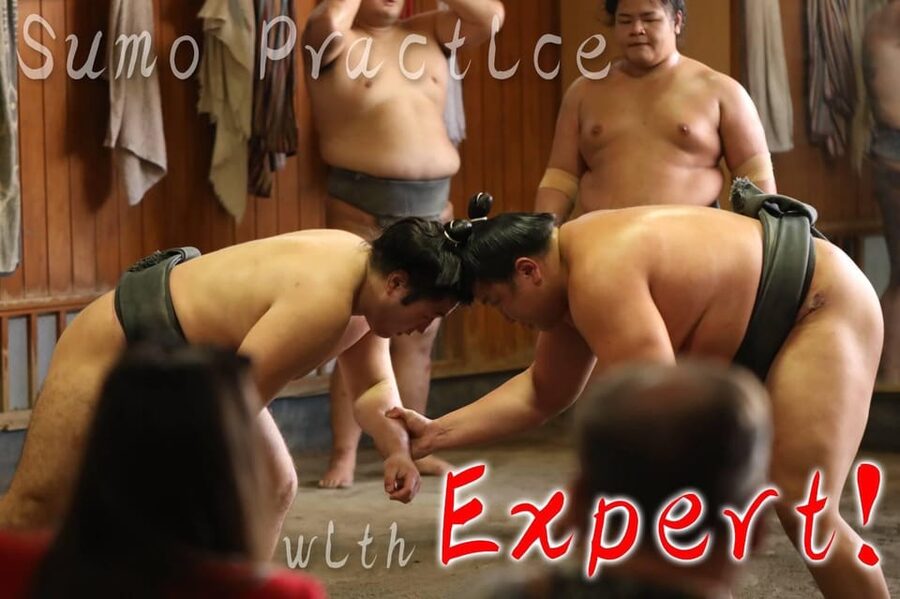
Live morning practice viewing is the headline, and it is exactly where your understanding starts to click. This is when you see how much repetition and discipline go into training, including the technique work that might not be obvious on match day broadcasts.
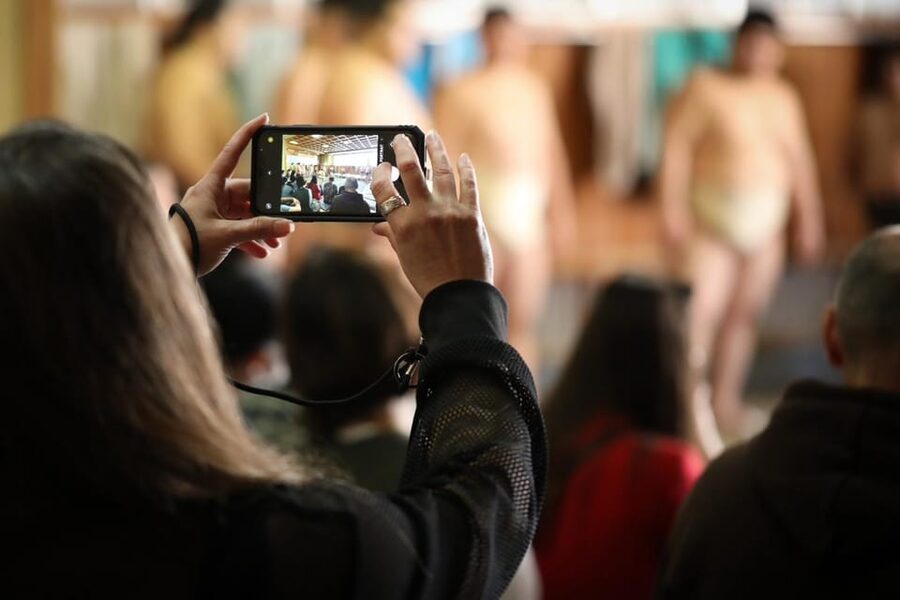
Photography is allowed, with big limits. Bring your camera, but no flash photography is permitted during the practice. That rule affects how you shoot. If your camera needs light, plan to use a steady hand, faster settings if your gear allows, and shoot patiently rather than blasting flash.
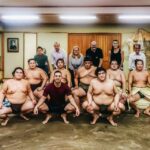
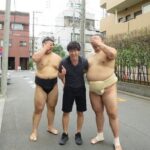
You also get a chance for commemorative photos. That is separate from the main practice viewing rules, so it helps to stay focused during the practice, then take advantage of the photo moment after.
If you want to photograph the action well, think simple. Concentrate on timing and posture, not trying to capture everything. The people doing the training will move in patterns, and your job is to be ready when those moments happen.
Ryōgoku Edo Noren: the neighborhood context after the stable
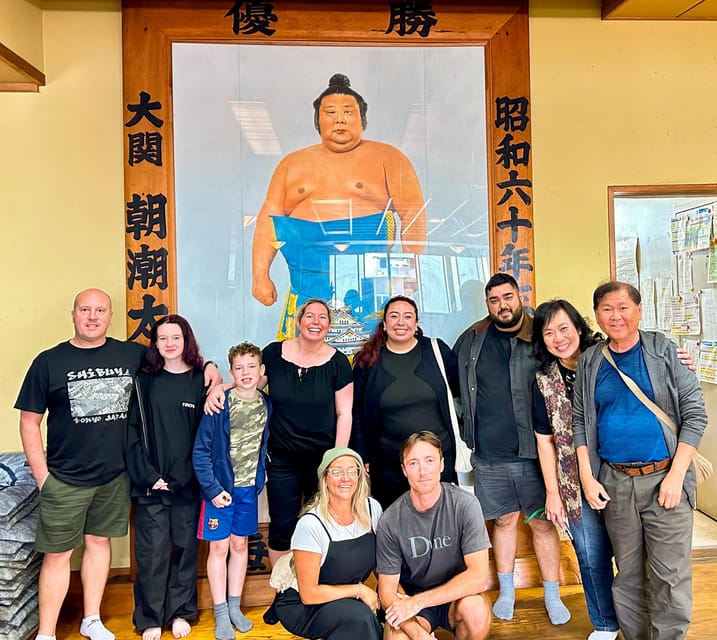
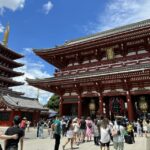
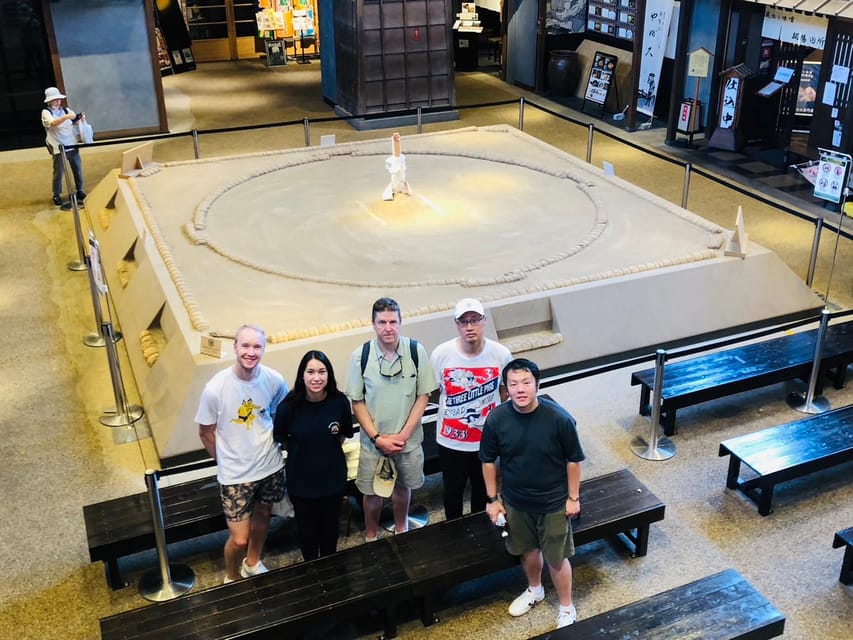
After practice, you shift from the stable into a more public, sumo-linked area: Ryōgoku Edo Noren. This stop is shorter, about 30 minutes, but it adds context. It helps you connect what you saw in the stable with how sumo culture shows up in daily life and local identity.
I like this pacing. Some tours rush from site to site. Here, you get the main event first, then a supporting stop that gives you a sense of place. You end back at Ryogoku Station, which makes it easy to keep exploring later.
Even if your day plan is tight, this portion is a good “bridge.” It helps you carry the morning’s details into Tokyo streets instead of feeling like you left the stable and forgot what you learned.
More Tokyo tours and experiences for the shortlist
A national newspaper journalist guide, in plain English
The strongest ingredient in this tour is the guide. You are not just learning from someone who likes sumo. You get guidance from a sumo specialist who is also connected to national newspaper journalism. That combination shows in how they explain things.
What I found most useful is the way the guide answers questions. You are not limited to a few prepared topics. You get time to ask what you truly want to know, whether it is about training routines, rituals, hierarchy, or what life looks like inside a stable.
You can also expect a sense of humor. Multiple guides, including Shinya Setsu San and other journalist guides named Shin, Karen, and Ray, were described as funny and engaging. That matters because sumo can be intimidating at first. If your guide keeps the mood light while still being accurate, you actually absorb more.
A journalist approach also tends to mean practical storytelling. You hear about the sport from the inside, and you get interpretations that help you watch with sharper eyes.
Price and logistics: is $103 worth it?
$103 for about three hours sounds steep until you break down what is included. You are paying for special stable permission, an English guide with a strong journalism background, and a structured live viewing segment that follows strict rules. That access is the expensive part, and it is the same reason tournament tickets can be hard to find.
In value terms, this is not “just a photo stop.” You get:
- guided history and rituals tied directly to what you observe
- live morning practice viewing
- commemorative photos
- time for questions so your understanding lasts beyond the hour
You should still think of it as premium Tokyo, because it is. But for many sumo fans, it is also a smart replacement for days when tournament tickets are not available. The tour gives you a close look at the daily reality of training, which match days rarely do.
If you hate paying for experiences that feel abstract, you will probably like this. The money goes toward something tangible and time-sensitive, the kind of access that does not scale well and does not run every day for every group.
Practical tips so you do not fight the experience
Start with clothes. Wear comfortable clothing because you will be sitting on the floor. If you have a sensitive back or knees, plan for it. This is a traditional setup, and you will appreciate support in your posture.
Bring a camera, since photo time is part of the experience. Also remember: no flash photography during practice. If you forget this, you might lose the chance to take photos you came for.
Plan your day around what you cannot do. Food is not allowed, and shoes are not allowed indoors. Alcohol and drugs are not allowed, and fireworks are also a no. If you are carrying a bag, keep it compact so you are not bumping around in tight spaces.
Also be aware of age fit. The tour is not suitable for babies under 1 year. If you are traveling with very young kids, you will need a different plan.
Finally, think about questions before you arrive. If you want to understand the hierarchy, rituals, or daily training, write down a few prompts. The guided Q&A format is one of the big reasons this tour feels worth it.
Should you book this sumo morning practice?
If your goal is to understand sumo, not just take a quick look, I think this is an easy yes. The guide element is strong, the access feels genuinely rare, and the morning practice format gives you a deeper connection than most sumo “shows.”
Book it if you are comfortable sitting on the floor, can follow indoor rules, and you want real training plus meaning. Skip it if you need wheelchair-friendly access, because the traditional stable setup is a problem for wheelchair users.
If you are in Tokyo and sumo is on your must-do list, this one is the kind that changes how you watch the sport afterward.
FAQ
Where is the meeting point?
You meet at Ryogoku Station on the Toei Oedo Line, Exit A2 (ground level). The starting location is 両国HANAWAビル, and it is about a 5-minute walk from the east exit of JR Ryogoku Station.
How long is the tour?
The tour duration is 3 hours.
Which sumo stable do you visit?
You visit Takasago-beya Sumo Stable for a guided tour and live morning practice viewing.
What is included in the experience?
It includes live sumo morning practice viewing, commemorative photos, guidance by a sumo specialist and national newspaper journalist, and special permission from the sumo stable for access.
Can I use flash photography?
No. Flash photography is not allowed during the practice.
What should I bring?
Bring a camera and wear comfortable clothes.
What are the key rules during the experience?
Food is not allowed, flash photography is not allowed, alcohol and drugs are not allowed, and shoes indoors are not allowed. Baby carriages, electric wheelchairs, and fireworks are also not allowed.
Is the tour wheelchair accessible?
Wheelchair accessibility is listed, but the experience is also noted as not suitable for wheelchair users because of the traditional setup of the sumo stable. Electric wheelchairs are not allowed.
What is the cancellation policy, and is pay later available?
There is free cancellation up to 24 hours in advance for a full refund. You can also reserve now and pay later.
More Morning in Tokyo
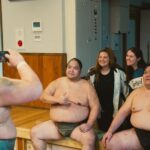
More Shows & Entertainment in Tokyo


More Tour Reviews in Tokyo





Not for you? Here's more nearby things to do in Tokyo we have reviewed












Tokyo Sumo Experiences, side by side.
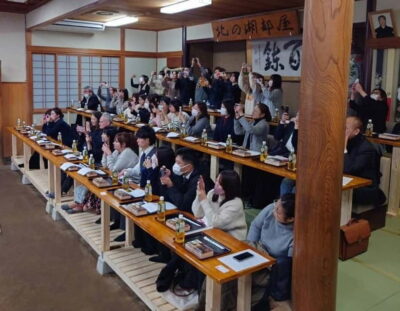 ★ 4.8Sumo Show and Dining ExperienceFrom $792,742 reviews
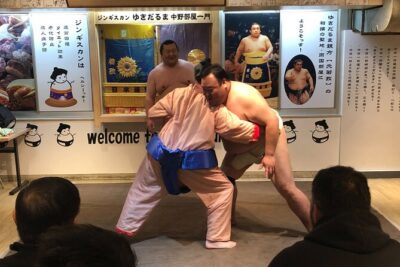 ★ 5.0the SUMO showFrom $891,960 reviews
 ★ 5.0Tokyo Shinjuku Sumo Show & Experience with PhotoFrom $791,750 reviews
 ★ 4.8Sumo Show and Experience in ShinjukuFrom $691,001 reviews
 ★ 4.7Luxury Sumo Show Experience & Japanese cuisine & DrinkFrom $103577 reviews
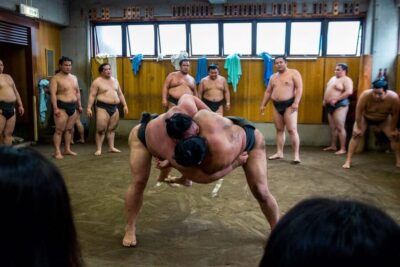 ★ 4.8Sumo Morning Practice Viewing TourFrom $81570 reviews
 ★ 4.8Tokyo Sumo Experience: Chanko & Mochi with a Former ProFrom $103567 reviews
 ★ 5.0Ultimate Sumo Tournament: Tokyo, Osaka, Nagoya, FukuokaFrom $184468 reviews
This tour also belongs to