
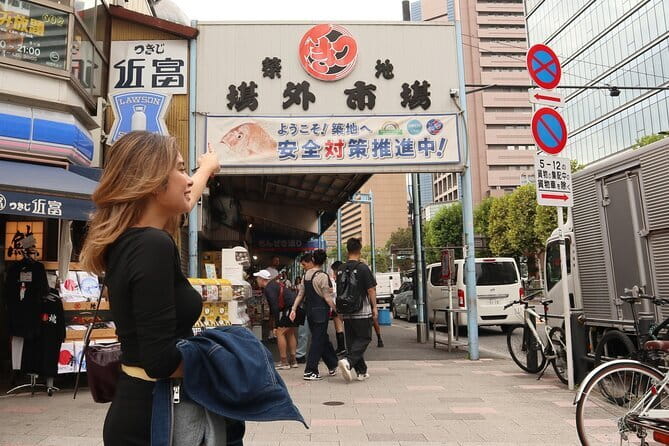
Review · TSUKIJI MARKET TOURS
【Spanish/ English】Tsukiji Matcha at a 100-Year old Japanese shop
Matcha tastes better when it is quiet. In Tsukiji, this private, beginner-friendly session takes you from temple stop to a 100-year-old tea shop for a guided look at cold-brew matcha and where the flavors come from. You taste four premium varieties, then pair them with seasonal wagashi in a setting designed for slow attention.
I especially like how the tasting is built for first-timers, not just hardcore tea people. The guide walks you through cultivation styles and flavor differences in plain language, so you can actually tell what you are tasting and why.
One possible drawback: at $65.04 for about 90 minutes, it is not the cheapest way to try matcha, and it is not a “market chaos” experience. If you want fast street food sampling and shopping stops, this may feel a bit too calm.
Key Things to Know Before You Go
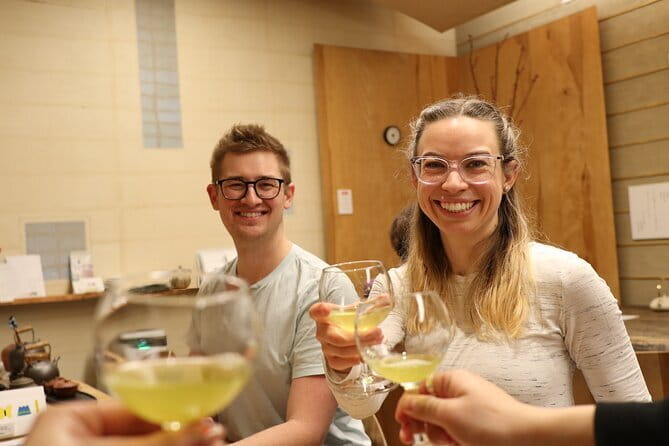
- Four cold-brew matcha flights served in wine glasses, so you can compare aroma and color.
- A private, beginner-friendly setup that turns matcha into something you can understand, not just sip.
- Seasonal wagashi pairings that show how Japanese sweets work with tea flavors.
- A century-old shop atmosphere in Tsukiji, a nice change from crowds.
- Photo support from the guide, so you do not have to fumble your phone mid-tasting.
- A smooth walk between iconic spots, starting at Tsukiji Hongan-ji and ending near Tsukiji Outer Market.
Tsukiji Matcha as a Calm Break From Sightseeing
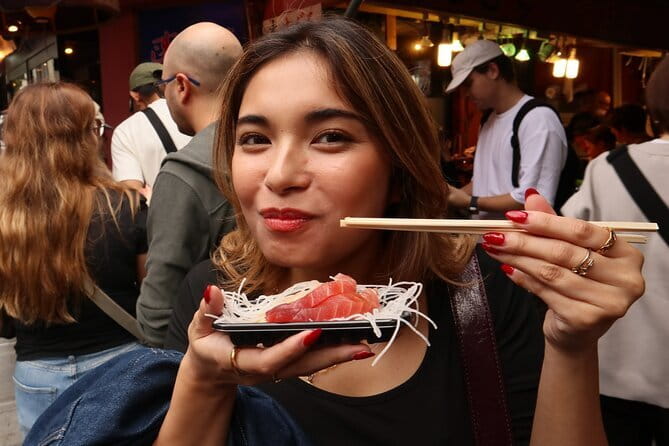
Tsukiji can be loud, early, and a little intense. This experience swaps that energy for quiet focus. You still get to be in the Tsukiji area, but instead of racing through stalls, you slow down and learn how matcha is built: how different tea growing choices and cultivation styles end up in the cup.
What I like about this kind of tasting in Tokyo is that it teaches you a skill. Once you understand the basics, you can order matcha anywhere and know what to look for, not just guess. And because the session is private and beginner-friendly, you are not stuck trying to keep up in a fast group.
You also get a nice cultural rhythm. Starting at Tsukiji Hongan-ji Temple gives you a moment to reset your eyes and mind. Then the tea shop experience feels like the next chapter of Japanese aesthetics, where small differences matter.
You can also read our reviews of more tours and experiences in Tokyo.



Price and Timing: Does $65.04 Make Sense?
At $65.04 per person for about 1.5 hours, the value is all about what is included. This is not just “drink matcha and go.” You get a guided matcha workshop, traditional sweets, and coffee and/or tea, plus a flight of four premium cold-brew matcha varieties. There is also photo support from your guide, and you take home a small souvenir.
The big tradeoff is that it is a short, focused session. You are paying for instruction and a curated tasting format, not for a long wandering tour or a full meal. It also does not include lunch or private transportation, so you may need to plan food breaks around it.
Timing-wise, sessions run in a window listed for Monday, 12:00 PM to 3:00 PM. Since the experience is often reserved ahead (about 11 days in advance on average), I suggest booking earlier than you think you need, especially if you want a Monday midday slot.
Starting at Tsukiji Hongan-ji Temple: A More Thoughtful Arrival
Your tour begins at Tsukiji Hongan-ji Temple (meeting address in Tsukiji, Chuo City). The point of this start is not just geography. It gives you a calmer introduction to the area, especially if your Tokyo day has been nonstop trains, maps, and lines.
The stop itself is about seeing one of Tokyo’s major temples. You get free admission, and it takes around 30 minutes. That makes it a good “breather” stop before you get into tasting mode.
If you are wondering whether temple time will feel like a detour, consider this: it helps you reset your senses. Matcha is subtle compared to a lot of city food. Starting with a quiet space makes it easier to notice differences once the tasting begins.
The 100-Year-Old Tea Shop: Four Cold-Brew Matchas You Can Actually Compare
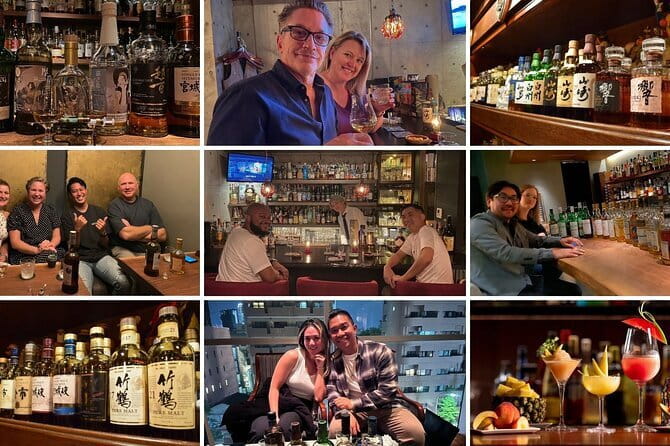
After the temple, you head to the heart of the experience: a traditional tea shop with nearly 100 years of history. This is where the tasting becomes a real lesson.
You taste four premium cold-brewed matcha varieties, and they are served in wine glasses. That detail matters more than it sounds. Wine glass shape helps you swirl lightly, smell confidently, and watch color differences without the distractions of a crowded counter.
The session is also described as calm and reservation-only, which is exactly what you want if you are coming from busier food stops. Your guide is the translator and teacher, and the format is private, so you can ask simple questions without feeling rushed.
Here is what you should pay attention to during the flight:
- Aroma before the first sip (does it smell grassy, toasted, or smoother?)
- The first sip, then the finish (how long does the flavor stick?)
- How each matcha changes when paired with sweets
This is the type of tasting where, even if you only know matcha as a color and a brand, you can leave with clear comparisons.
Cold-Brew Matcha Meets Wagashi: How Sweet and Green Balance
Matcha in Japan is often served hot, so trying cold-brew versions gives you a different flavor angle. Cold brewing tends to feel smoother and can highlight texture and clarity. It also makes it easier to compare four varieties side-by-side, since you are not dealing with temperature changes.
You also pair the matcha with seasonal wagashi and receive traditional sweets. That pairing is not filler. Wagashi are designed to work with tea, not fight it. Seasonal sweets also give you a small snapshot of what’s in season in Japan, which is a nicer souvenir than a packaged snack.
If you are new to Japanese sweets, think of this as a guided first step. The guide’s job is to connect what you taste to why it works, including how flavor origins and cultivation styles can show up in the cup.
One practical note: take small sips and pace yourself. With four matchas plus sweets, it is easy to rush. Slower pacing makes the “differences” part of the tasting real instead of just noticing that they taste different.



What the Guide Adds: Beginner-Friendly Explanations That Stick
A lot of food tours are mostly about where to eat. This one is about why the flavors exist. The guide, who speaks Japanese, English, or Spanish, explains matcha origins tied to tea-growing regions and cultivation styles.
That matters because matcha is not a single flavor. It can taste more fresh and green, or more mellow and rounded, depending on how the tea leaves were grown and processed. Once you know that, you stop judging matcha by one ideal cup.
I also like that you get a true beginner-friendly setup. You are not expected to have a tea vocabulary. If you are the type who always wants to understand what you are ordering, this tour fits that habit.
And yes, there is a practical perk: the guide takes photos for you. That sounds minor until you realize you will be holding tasting glasses and sweets while trying to take pictures. The photos also help if you want to remember which matcha you liked best.
Ending Near Tsukiji Outer Market: Turn Knowledge Into a Smart Next Step
The tour ends near Tsukiji Outer Market, at the Fish Market Tsukiji Outer Market area. That placement is useful because it lets you connect learning to the neighborhood.
After the tasting, you will likely be more selective about what you eat next. You can scan for what sounds good, but you will do it with a little more confidence, because you just practiced “flavor comparison” in a structured way.
If you are planning your day, consider pairing this with a light meal elsewhere. Lunch is not included, and the session is only about 90 minutes. So you can use the matcha tasting as a midday reset, then keep your food choices for afterward.
Who Should Book This Matcha Workshop, and Who Might Want Something Else
This is a great fit if you:
- Like matcha, or want to try it in a way that teaches you something
- Prefer calmer experiences over crowded street-food sprints
- Want a private session with a guide and a structured tasting flight
- Appreciate pairing tea with Japanese sweets like wagashi
It may be less ideal if you want:
- A long, food-heavy market tour with lots of variety and a full meal
- A budget-friendly activity where price is your main concern
- A hands-on matcha maker experience that includes extensive DIY steps beyond tasting, since the format is a guided tasting workshop
One subtle point: some Tokyo food experiences lean heavily on motion, lines, and quick bites. This one is designed to slow down. If you are burned out from crowds, that is exactly the point.
Should You Book It? My Practical Take
I think you should book this if you want a focused Tokyo experience that mixes culture with real flavor education. For $65.04, you are getting four premium cold-brew matchas, seasonal wagashi, traditional sweets, and coffee and/or tea, plus photos and a small souvenir. That package is harder to replicate on your own without already knowing where to go and what to order.
I would book it sooner rather than later, especially for Monday options, since it is commonly reserved ahead (about 11 days on average). And if your Tokyo day already includes temple sights and big-city walking, this works well as a quieter anchor.
If you are the type who hates anything slow, you might not love the pace. But if you enjoy thoughtful, guide-led tastings, this is one of those experiences that makes the rest of your trip taste better.
FAQ
How long is the Tsukiji matcha experience?
It lasts about 1 hour 30 minutes.
What is included in the matcha tasting?
You get a matcha workshop, seasonal wagashi and traditional sweets, plus coffee and/or tea. The tasting includes four types of premium cold-brew matcha.
Is this tour private?
Yes. It is a private tour, and only your group participates.
What languages does the guide speak?
The guide is described as local and can speak Japanese, English, and Spanish.
Where do you meet, and where do you end?
You start at Tsukiji Hongan-ji Temple (meeting address in Tsukiji, Chuo City). You end near Fish Market Tsukiji Outer Market.
Is lunch or private transportation included?
No. Lunch and private transportation are not included.
Can I cancel for a full refund?
Yes. You can cancel up to 24 hours in advance for a full refund.
Are service animals allowed?
Yes, service animals are allowed.
More Tour Reviews in Tokyo
Not for you? Here's more nearby things to do in Tokyo we have reviewed












Tsukiji Market Tours, side by side.
 ★ 5.0Tokyo Tsukiji Fish Market Food and Culture Walking TourFrom $993,184 reviews
 ★ 5.0Tsukiji Fish Market Food and Walking tourFrom $301,724 reviews
 ★ 4.9Tsukiji Fish Market Guided Walking TourFrom $221,397 reviews
 ★ 5.0Tokyo Sushi Making Class in Tsukiji with Professional ChefFrom $491,177 reviews
 ★ 5.0Tsukiji Fish Market Guided Tour and Sushi Making with Pro ChefFrom $104775 reviews
★ 4.7Tsukiji Fish Market Food and Culture Walking TourFrom $96757 reviews
 ★ 5.0Tsukiji Fish Market: Street Food & Culture Walking TourFrom $33669 reviews
 ★ 5.0Tsukiji Fish Market Small-Group Food Walking TourFrom $87621 reviews
This tour also belongs to