
Review · TSUKIJI MARKET TOURS
Tsukiji Fish Market Small-Group Food Walking Tour
Skip the guesswork in Tsukiji. This small-group food walk is a smart way to sample market food and connect it to Japanese religion and daily life, not just take photos. I love that a fresh seafood lunch is included, and I also like the added shrine and temple visits that make the area feel more than a food stop. One catch to plan around: vegan options are not available, and the tour can’t guarantee allergy-free dining.
What makes this tour work is the pacing. You get a guided route through the market lanes, plus chances to snack more than once, without having to figure out what to line up for on your own. And with a cap of 7 travelers, the guide can steer you around stalls and focus on what matters.
Key things that make this tour worth it
- Small group size (max 7) keeps questions practical and the walk from feeling chaotic
- Seafood lunch included so you are not hunting for a sit-down meal on your own
- Outer market focus plus older Tsukiji areas, where seafood vendors still sell daily
- Shrine and Buddhist temple stops add real cultural context to the food
- Food samples at multiple shops help you try more than just one dish
- Tokyo view stop gives you a breather from the narrow lanes and shop signs
Tsukiji Today: Outer Market, Shrines, and What You’re Actually Seeing
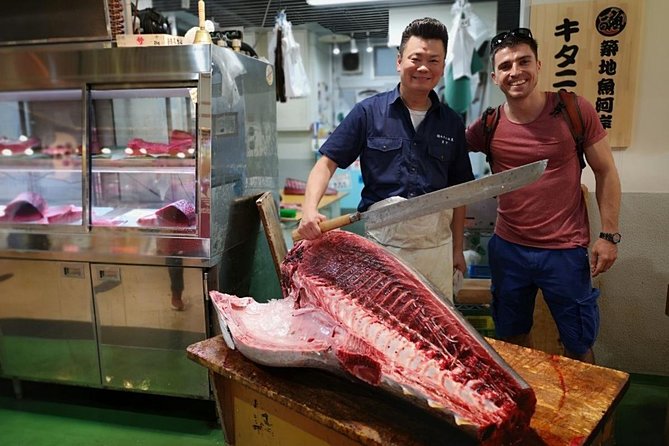
Tsukiji is famous, but it’s not one single thing anymore. The inner wholesale action moved to Toyosu, so if you’re picturing auction halls and industrial trading floors, adjust your expectations ahead of time. This tour’s sweet spot is the Tsukiji Outer Market area, plus nearby market streets that still feel like the working heart of seafood shopping.
That focus is a good deal for most visitors. You still get fresh seafood energy, you still hit the stalls that sell to regular people, and you get the chance to pair that with cultural stops, including a Buddhist temple and a Shinto shrine.
Also, this route is built for walking. The lanes are narrow, signage can be strict about where you stand and eat, and crowds can compress everything. A guide helps you avoid wasting time circling back.
You can also read our reviews of more walking tours in Tokyo
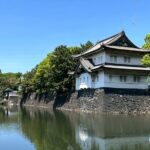

Getting Oriented at Tsukiji Station Exit 1
The tour starts right where it should, at Tsukiji Station Exit 1. Your guide meets you there, and that matters in a maze like this. Even if you arrive early, you’ll still want to confirm you’re at the right meeting point, because Tsukiji can feel like multiple areas stitched together.
This first short stretch is really about flow. You’re setting your bearings before the market gets loud and crowded, so you can concentrate on the food once you’re inside.
Practical tip: wear comfortable shoes. You’ll be on foot for the whole route, and the market surfaces can be uneven in places.
Outer Market Food Walk and the Included Seafood Lunch
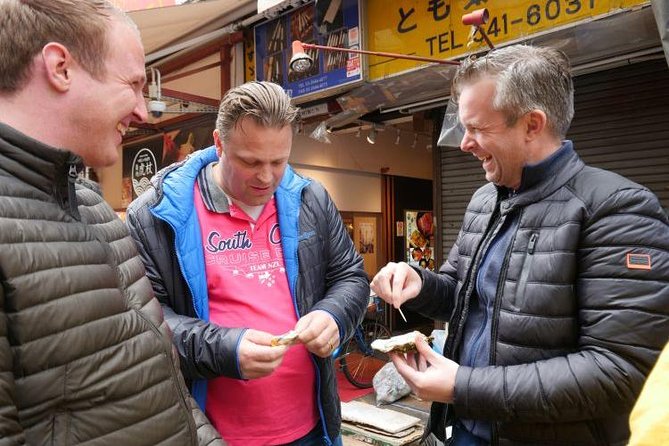
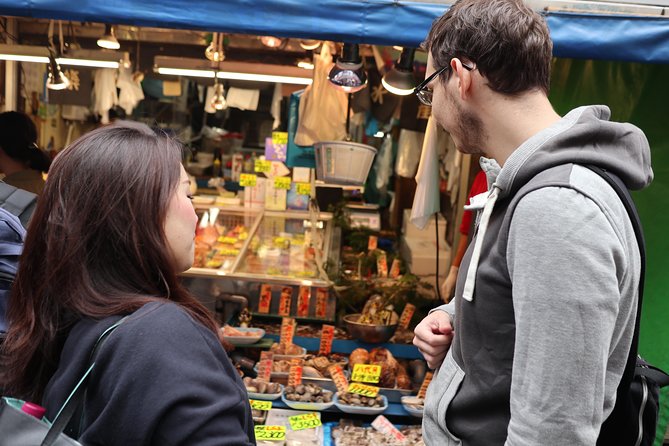
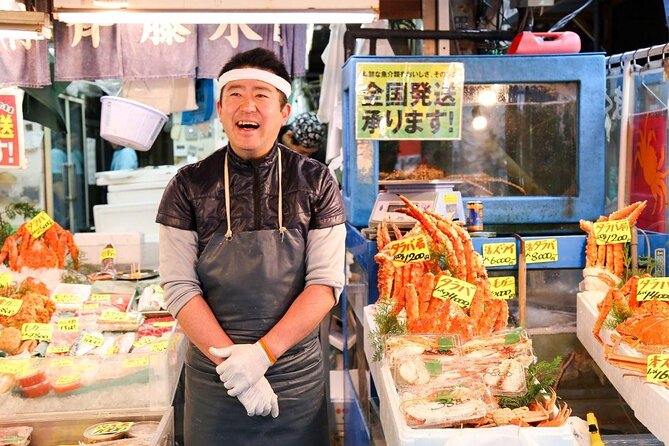
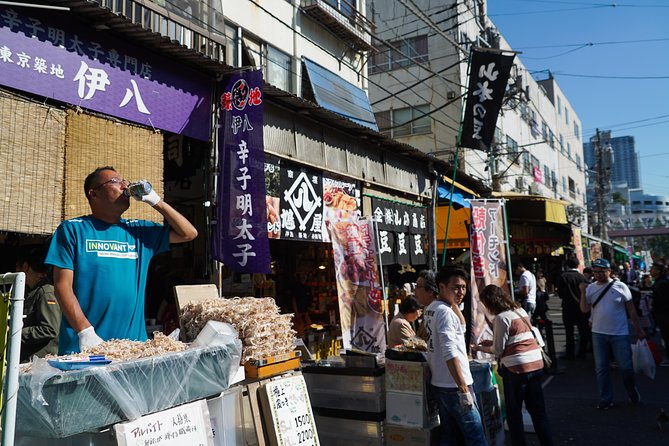
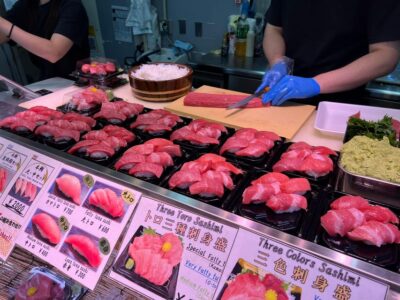
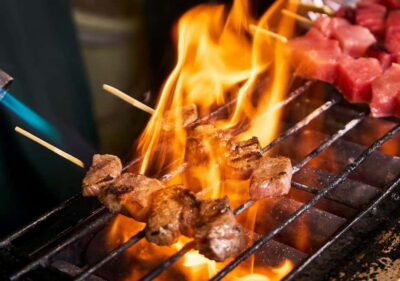
The core experience here is eating your way through the Tsukiji Outer Market. The outer lanes are where you’ll find specialty shops that sell everything from seafood preparations to snack-sized bites and gift-friendly items.
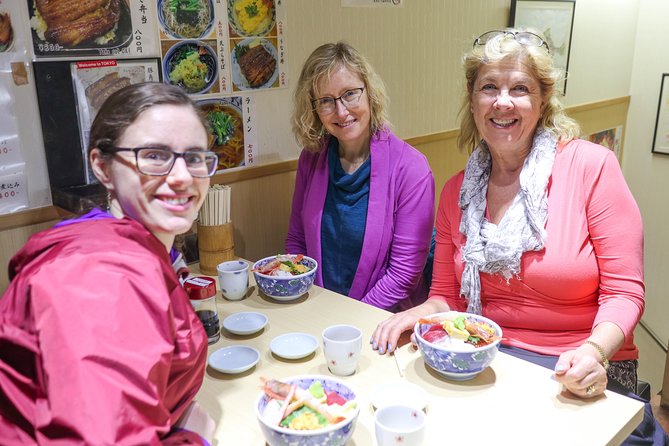
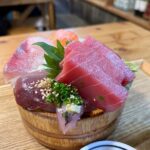
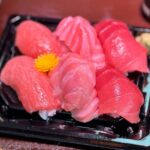
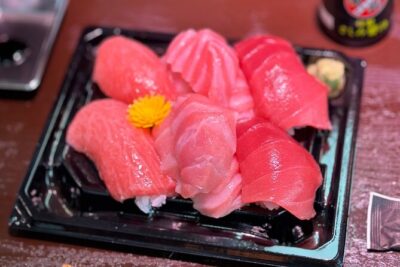
You’ll also get a sit-down meal as part of the tour. The tour includes a fresh seafood lunch, and that is one of the strongest value points for the price. Instead of spending money twice, once on tastings and again on lunch, you’re already covered.
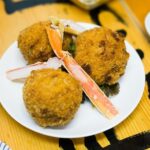
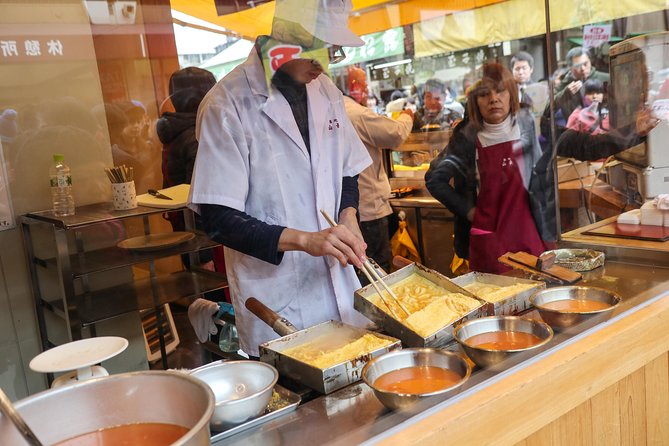
What you’ll likely see on the menu can vary by day and what’s easiest to get at the moment, but feedback from previous groups points to dishes like tamagoyaki (Japanese sweet omelette), sushi, eel (unagi), scallops, and other seafood-focused bites. Think of the lunch as your anchor meal, with the smaller samples acting like appetizers that help you build a bigger picture of local flavors.
One more reason the lunch inclusion is smart: it reduces decision fatigue. In a market like Tsukiji, you can burn 30 minutes just trying to choose what looks best. Here, the guide handles the calls.
Old Tsukiji Market: Snacks, Religion, and a Tokyo View Moment
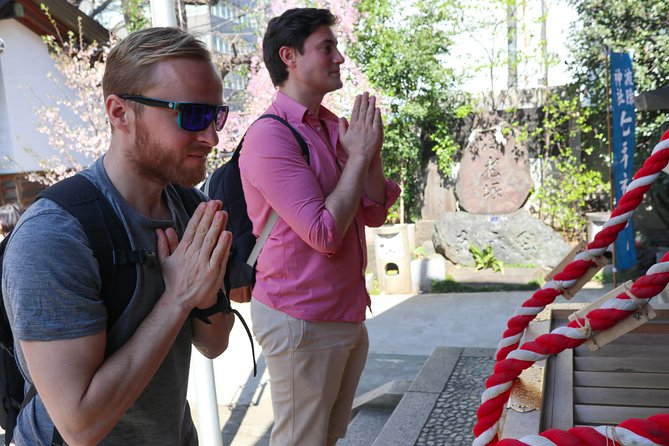
Next comes the older Tsukiji market portion, where the route blends food with storytelling. You’ll do food sampling at the market, and you also get time to learn about history and religion in Japan. The tour specifically includes visits connected to Japanese Buddhist and Shinto sites, so this isn’t only about eating.
Why that matters: Japanese shrines and temples are not add-ons. They often explain local ideas about community, cleanliness, and respect, and in a working market area, those themes feel practical. You’re seeing why people treat these places differently than a typical sightseeing stop.
You also get a Tokyo city view stop during this segment. In markets, your senses can overload. A view moment is a pressure release, and it gives you a clearer sense of where Tsukiji sits within Tokyo.
A small drawback to keep in mind: market lanes can get tight, and some signs ask people not to block walkways or stop in the wrong spots. The guide can help, but expect a crowded feel and plan to move with the group.
Tsukiji Jogai Market: The Snack Hunt in the Lively Lanes
After the older market segment, you’ll shift toward the Tsukiji Jogai Market area. This is where the “food walking tour” part really earns its name: more stops, more local snacks, and a chance to keep tasting without committing to one big meal.
The tour is timed for momentum, so you’re not lingering in only one lane. You’ll be sampling along the way, and the goal is variety rather than one repeated dish. That’s great if you’re the type who wants to come home with a mental map of what the market tastes like.
In some cases, the most popular stalls can have lines. If a line gets long, the tour may need to adjust. That’s not a deal-breaker, but it is worth knowing so you don’t expect every stop to be effortless.
Also note: you might see dried seafood options. One example from feedback includes dried stingray meat. If that’s not your thing, tell the guide what you do not want. The tour can try to make adjustments, but you should still know substitutions are not always guaranteed.
You can also read our reviews of more food & drink experiences in Tokyo



Food Choices, Allergies, and Why You Should Plan Smart
Here’s the honest part: this tour does not operate in a way that can promise allergy-free eating. The food is prepared in kitchens that do not belong to MagicalTrip, and the tour notes that they can’t guarantee allergy-free options. Even so, the guide support can be strong. One group with coeliac needs reported the guide went out of their way to find appropriate options and handle substitutions.
So what should you do? If you have allergies or strong dietary limits, be direct when you meet the guide. Use simple language and bring whatever info you can. Ask early so they can steer you toward the safest possible stops.
For broader diets, the tour is clear: vegan options are not available. If that affects you, it’s better to plan a different Tokyo food tour that matches your needs.
Also, come hungry. Even when a tour describes a few samples, market food adds up fast. Feedback includes people trying multiple larger items plus several small bites. You may find yourself sampling more than you expected, especially at the lunch stop and then again afterward.
The Guide Factor: How You Tell a Good Tour from a Meh One
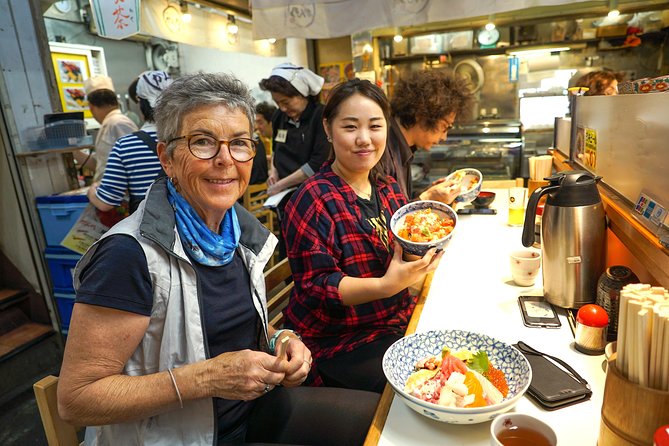
The difference between an average market walk and a great one is the guide. Here, the guide gets repeated credit for making the tour fun and for sharing useful context before you taste.
You’ll see this in the types of comments connected to the guides named in feedback, like Hitomi, Yuki, Mark, Kazu, and Mia (with the pairing name Mummy). The consistent theme is that the guide helps you understand what you’re eating and where you are in the market.
There is also one caution from lower-rated experiences: a small number of participants felt they didn’t get enough facts on the food and market. Another mentioned a mismatch between expectations about what Tsukiji looks like today since the inner wholesale moved years ago.
My takeaway for you is simple: show up with a curious mindset, and ask questions early. If something feels off, speak up quickly so the guide can adjust. In a small group of up to 7, you have more influence on the flow than on a huge bus tour.
Price, Timing, and Value for $87.37
At $87.37 per person for about 3 hours, the price can look high until you break it down. You’re paying for three things bundled together: guided navigation through a crowded market, multiple food samples, and a seafood lunch included.
If you tried to replicate this on your own, you’d spend time comparing stalls, paying for lunch, then paying again for extra tastings. In Tsukiji, time has a cost. A good guide also helps you avoid dead ends and places that don’t fit what you want.
One more value angle: the tour is scheduled for a market experience that people often book early. The average booking lead time is 40 days, which is a sign this slot sells. If you want a specific date, book sooner rather than later.
What to Bring: Heat, Walking Shoes, and a Simple Game Plan
Tokyo summers are no joke. The tour specifically recommends water and a hat because it can get hot and humid. Do not rely on convenience stores inside the market as your main plan.
Also bring:
- Comfortable walking shoes
- A small bottle of water
- Your appetite, because the snacks add up
For a simple game plan, get to the meeting point a little early, then check with someone on-site if you’re unsure you’re at the correct exit and place. One practical tip that comes through is to arrive early and ask around to confirm your spot.
Once you’re moving, don’t try to stop and read every sign. Follow the group, watch where the guide points, and let the tour do the heavy lifting.
Who This Tour Fits Best
This is best for:
- Seafood lovers who want more than one dish and a guided tasting rhythm
- People who like food with context, not only food photos
- Visitors who want a smaller-group experience, max 7, rather than a big crowd
- Travelers who appreciate Japanese culture through shrines and temple visits
If you want a full behind-the-scenes auction-style tour, this route may not match that specific fantasy because the inner wholesale market moved. But if you want a practical, walkable, food-first route through Tsukiji’s active areas plus culture stops, it fits well.
Should You Book the Tsukiji Fish Market Small-Group Tour?
Yes, book it if you want an efficient, guided way to taste Tsukiji without spending hours figuring out where to go. The biggest reasons are the seafood lunch included, the market sampling across multiple stops, and the cultural add-ons with Buddhist and Shinto sites.
Hold off or choose another option if vegan dining is a must for you, because vegan options are not available. And if you have a serious allergy, treat this as a plan-with-care situation, because allergy-free dining cannot be guaranteed.
If you’re on the fence, my advice is to ask yourself one question: do you want to pay for guidance and pacing, or do you want to wing it and manage lines, food choices, and crowd navigation on your own? For most first-timers, the guided setup is the easier, better value call.
FAQ
How long is the Tsukiji Fish Market Small-Group Food Walking Tour?
It lasts about 3 hours.
What’s included in the tour price?
The tour includes a seafood lunch, plus food samples at several local shops and stalls, and visits to a Buddhist temple and Shinto shrine.
Where do I meet the guide?
Meet at Tsukiji Station, Exit 1. The guide will be waiting for you.
Where does the tour end?
It ends at Shiodome Tower, in Higashishinbashi, Minato City.
Is the inner wholesale market included?
This tour focuses on the market areas around Tsukiji, including the Outer Market and related market sections. The inner wholesale market moved to Toyosu, so don’t expect the auction area.
Is the tour suitable for vegans?
No. Vegan options are not available.
Can you accommodate allergies or dietary restrictions?
The tour cannot guarantee allergy-free dining. Food is prepared in kitchens that do not belong to MagicalTrip, and substitutions may not always be possible, though they will make every effort to compensate at other stops.
What is the group size limit?
The maximum group size is 7 travelers.
Is there free cancellation?
Yes. Free cancellation is available up to 24 hours in advance for a full refund.
More Walking Tours in Tokyo
More Tours in Tokyo





More Tour Reviews in Tokyo


Not for you? Here's more nearby things to do in Tokyo we have reviewed












Tsukiji Market Tours, side by side.
 ★ 5.0Tokyo Tsukiji Fish Market Food and Culture Walking TourFrom $993,184 reviews
 ★ 5.0Tsukiji Fish Market Food and Walking tourFrom $301,724 reviews
 ★ 4.9Tsukiji Fish Market Guided Walking TourFrom $221,397 reviews
 ★ 5.0Tokyo Sushi Making Class in Tsukiji with Professional ChefFrom $491,177 reviews
 ★ 5.0Tsukiji Fish Market Guided Tour and Sushi Making with Pro ChefFrom $104775 reviews
★ 4.7Tsukiji Fish Market Food and Culture Walking TourFrom $96757 reviews
★ 5.0Tsukiji Fish Market Guided Tour and Sushi Making with Pro ChefFrom $104775 reviews
★ 4.7Tsukiji Fish Market Food and Culture Walking TourFrom $96757 reviews
 ★ 5.0Tsukiji Fish Market: Street Food & Culture Walking TourFrom $33669 reviews
 ★ 4.9Tsukiji Fish Market Sushi Making Class with Pro ChefFrom $63506 reviews
This tour also belongs to