
Review · TOKYO CITY TOURS
Tokyo: Kintsugi Art Repair Workshop
Gold lines on broken pottery, in 90 minutes.
This hands-on Tokyo workshop turns Kintsugi into something you can do with your own hands, not just admire. It is set inside the Nihonbashi area shop, with English interpretation and a small class pace that keeps you from feeling rushed. You also get the practical perk of being close enough to Asakusa to slot into a busy day.
I also really like that the session is set up to leave you with a finished, meaningful souvenir. You repair a ceramic piece using the lacquer-and-metal seam look that defines Kintsugi, and you walk away knowing the steps well enough to try later. The group stays small, so instructors can actually watch what you are doing and guide you while you work.
The main thing to keep in mind is the time limit. If you bring your own vessel, the class is 90 minutes, and depending on the crack or chip size it might not be fully completed by the scheduled end time.
Key Takeaways Before You Go
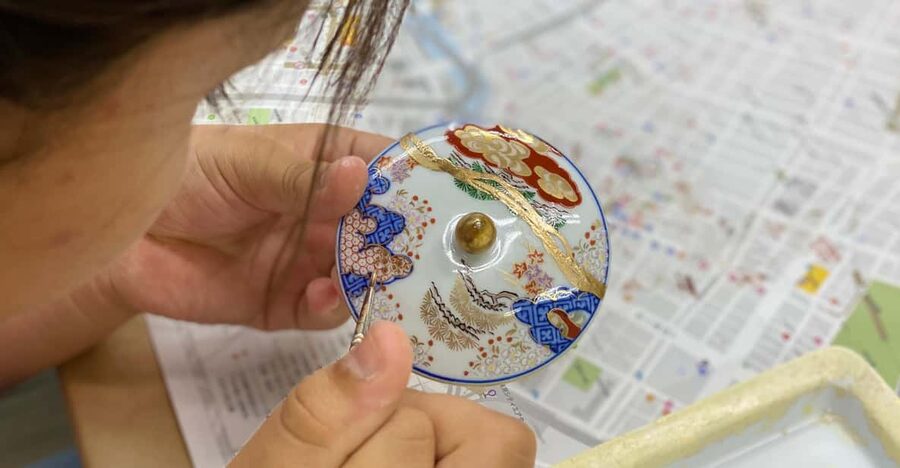
- English guidance with a small group makes the technique feel learnable, not intimidating
- All materials are provided, so you only need comfortable clothes
- You take home your repaired piece, making the experience feel tangible
- Time is controlled on purpose, so big damage or thick repairs may need more than 90 minutes
- Nihonbashi location is easy to reach, about 15 minutes from Asakusa by subway
Where Kintsugi Happens: Nihonbashi Mutoh Main Store
The workshop meets at Nihonbashi Mutoh Main Store, inside the 日本橋滄浪閣 building in Chuo City. This area is a handy base because you are not fighting across town to find it. The session is also set up in a real shop space, not a temporary classroom, which matters for the vibe.
A couple of small details can help you feel grounded when you arrive. First, you are asked to show up at least 5 minutes early, and the workshop starts promptly. Second, the group size is limited, with a cap of 5 participants. In practice, that means you will likely work at a table with real attention from the instructor, not from far away.
Also, don’t be surprised if you want to browse. One review mentioned buying tenugui with fall designs in the shop, and the store also sells other ceramic and lacquer items. That can be a nice bonus for picking up something Japan-made, but remember the workshop comes first. You want to keep your hands calm and focused when the repair steps begin.
More Tokyo tours and experiences for the shortlist



Your 90-Minute Session: What You Actually Do at the Table
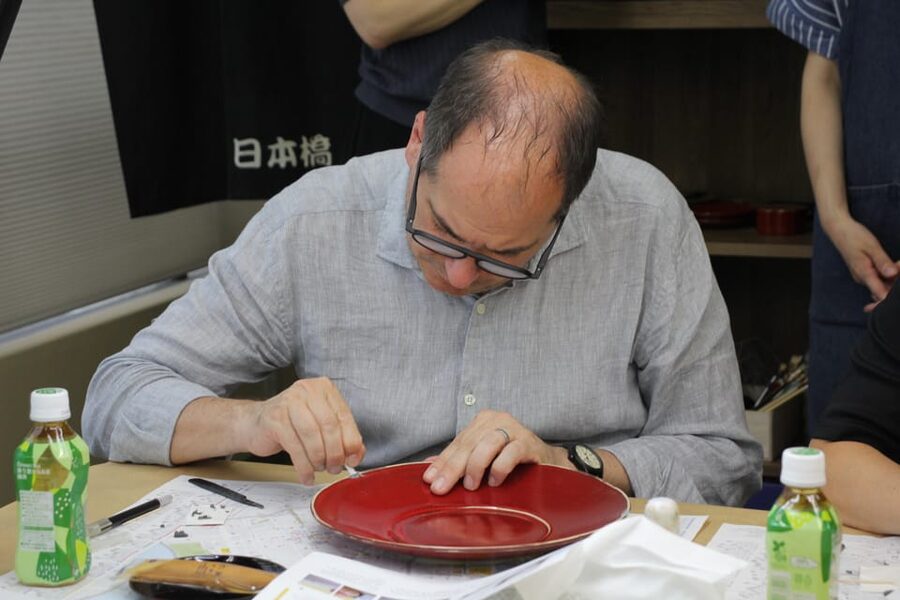
This is not a lecture. It is a step-by-step repair workshop with time to practice. You start with the basics of Kintsugi, then move into the physical work of repairing broken ceramic by filling and joining cracks and seams, then finishing them so the repair becomes part of the design.
From the way the process is described, the workflow typically includes these stages:
- Putting the pieces back together and aligning the break
You may tape the broken parts in place first, so everything lines up before adhesives and fillers come in. This is a crucial step, because if the alignment is off, the seam will look uneven later.
- Joining the ceramic using the appropriate adhesive
After the pieces are positioned, the instructor helps you with the right method to adhere them. Reviews mention applying glue and completing the join at the appropriate stage.
- Filling gaps or chips
Depending on what you are working on, you might use putty or clay to fill larger chipped areas. The goal is to smooth out the damage so the final gold-toned line looks intentional.
- Finishing the surface
Some repairs involve sanding for a smoother feel, so the final look is cleaner and the seam stands out properly against the ceramic.
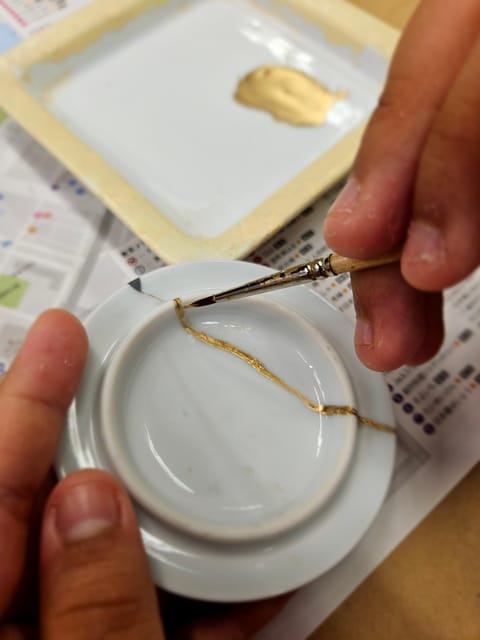
- Creating the signature gold line effect
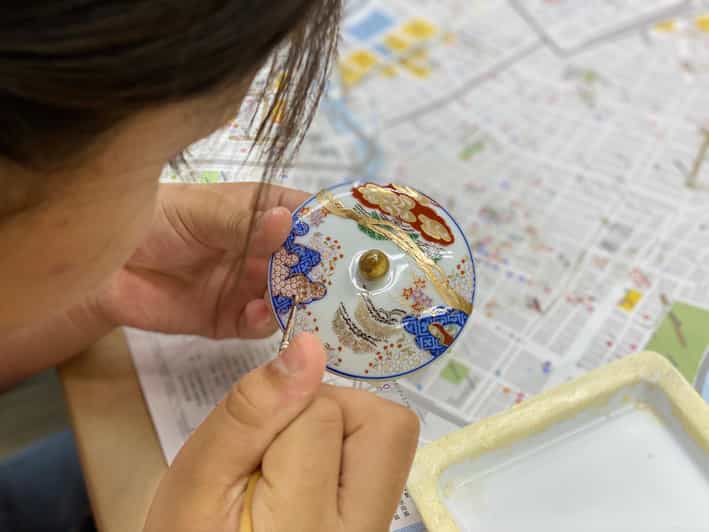
The final look comes from applying a metallic finish along the seam. Reviews reference painting and metallic paint for the seams to complete the project.
Throughout, you are not left to guess. Multiple reviews mention instructors being hands-on and patient, with clear guidance at each stage. One instructor named Hijiri is specifically praised for being knowledgeable and very supportive. You might also have an English interpreter working alongside the instructor, since the workshop includes English interpretation.
One practical note that affects your expectations: the session ends when it ends. If you have not finished, the end time cannot be extended for late completion. So if you choose to go slow and careful, tell yourself that you are aiming for quality within the clock.
Choosing Your Piece: Store Piece vs Your Own Vessel
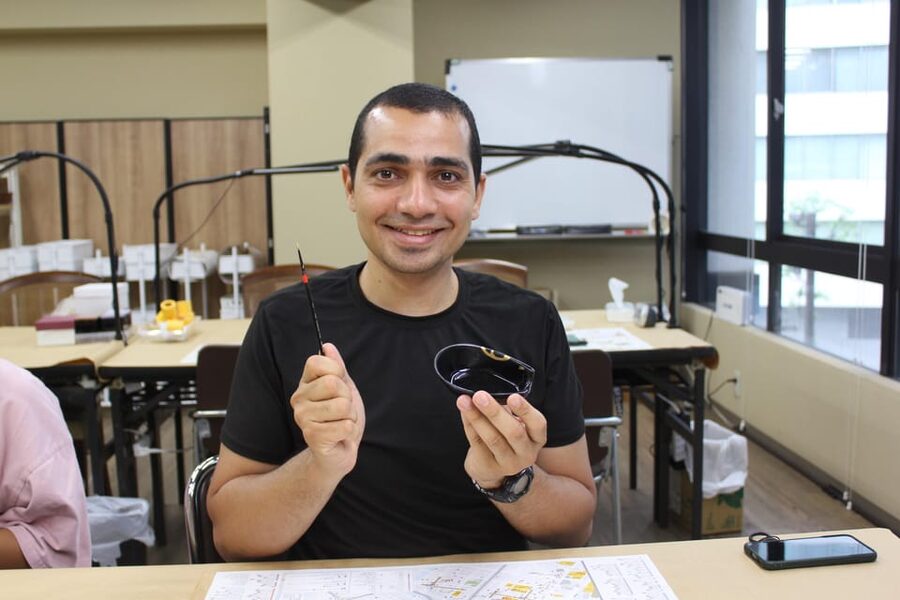
You have a choice, and that choice affects what you can realistically finish in 90 minutes.
If you use the workshop piece
The workshop includes souvenirs, and the experience provides materials. That means you can show up without worrying about whether your object is compatible with their repair rules. This is the easiest route for a Tokyo visit, especially if you want a stress-free cultural activity.
If you bring your own ceramic
Some versions of the experience allow you to restore your own cherished vessels. But the rules are specific:
- Restorable objects are ceramic vessels only
- No chipped or cracked mug handles (not repairable)
- Size limits are up to 15 cm diameter and up to 15 cm height
- Cracks: 1 to 2 cracks
- The repair is primarily intended for decorative purposes
- The completed piece can be used to hold dry food items
Here is the honest trade-off. Even if they can repair it, the repair may not be fully completed within 90 minutes depending on crack or chip size. So bring your own piece only if you can tolerate the possibility of a partial result or a finish process that takes longer than the class time.
Also, if your object has multiple breaks, odd geometry, or handle damage, it may not match their repair criteria. You will save time by picking a ceramic vessel that clearly fits the limits before you head there.






Instructor Support and English Interpretation in a Small Class
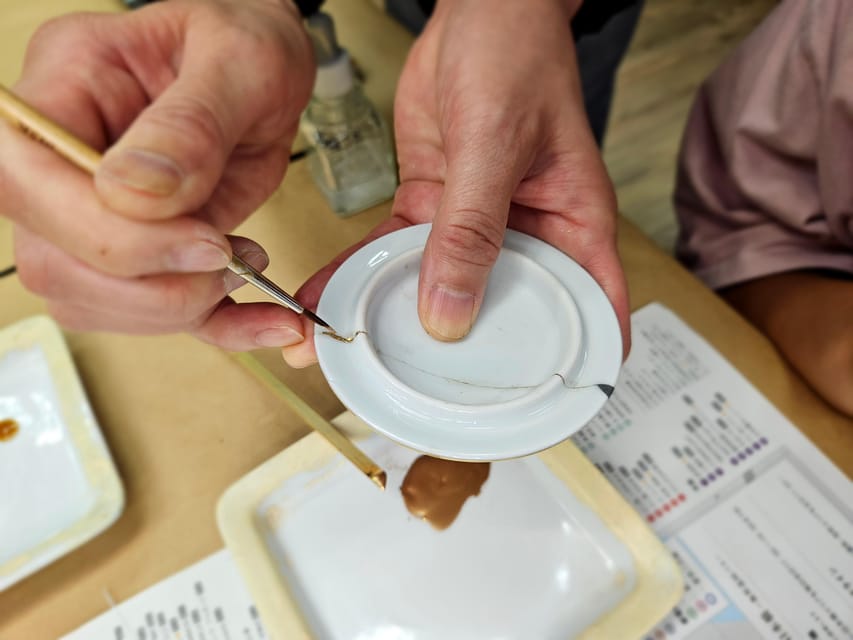
Kintsugi sounds artsy and quiet, and that matches what many people report. The experience is described as relaxing, peaceful, and sometimes even meditative in feel. But the real reason it feels calm is that the instruction is paced around what you are doing, not what you are supposed to absorb.
You will be working with professional instructors, and the class includes English interpretation. Reviews also mention scenarios where there is the instructor plus an interpreter, and in at least one case a hostess who spoke excellent English with additional staff support at the table. This kind of staffing matters because you can ask direct questions while your hands are mid-process.
What I like about this setup is that it supports different learning styles. Some people want the story first, others want the practical steps. Multiple reviews praise patience and kind guidance, plus clear explanations during the repair process.
If you are the kind of person who gets nervous about messing something up, this helps. You are working in a controlled environment, with staff guiding the exact steps, and with a small group size so you are not competing for attention.
Value Check: Is $125 Worth It in Tokyo?
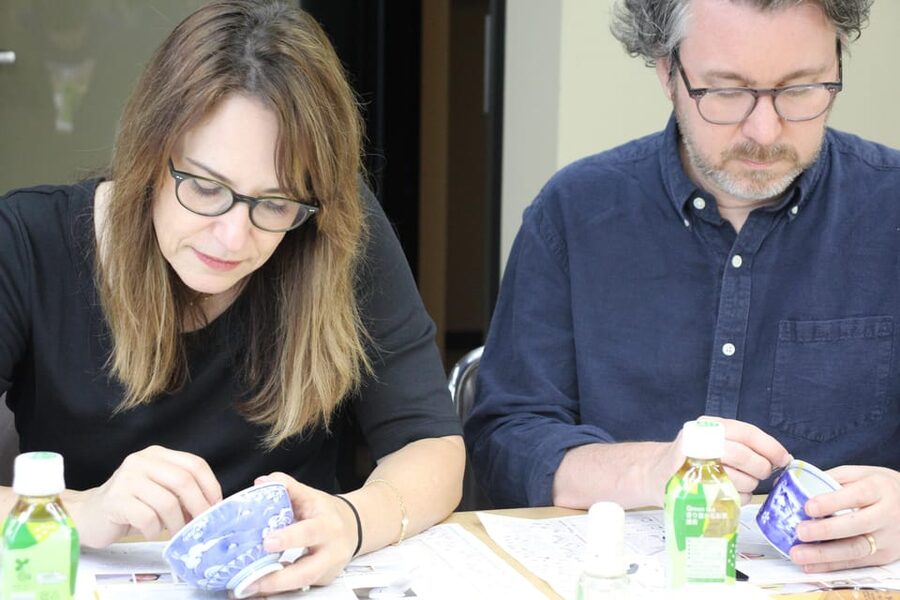
At $125 per person for a 90-minute class, the price is not “cheap,” but it also is not trying to be. You are paying for three things that matter:
- Expert guidance during a careful, technical craft
- Materials and the repair process, so you are not sourcing supplies on your own
- A take-home item that is personal, unique, and made through your own effort
In other words, you are not just buying a souvenir. You are paying for the learning plus the final object.
The value goes up if you care about having a meaningful item. A review described the experience as satisfying because you leave with a keepsake you made yourself. Another mentioned walking away with knowledge to do your own repairs later, which is the kind of “skills transfer” that makes the class feel less like a one-time activity.
The value goes down a bit if you expected a long, traditional-length restoration. Kintsugi in the classic form can take time, but here you are getting an abbreviated workshop process. One review specifically noted they did a shortened version. That is not a problem if you know what you are booking, but it is worth aligning expectations.
Also, your final piece may have curing time after the class. One review mentioned works needing about a week to cure, and staff boxed up the items for safe travel. That is normal for adhesives and finishes, but it is good to plan for the practical reality that your item may not feel fully set immediately.
How to Fit This Workshop into Your Tokyo Day
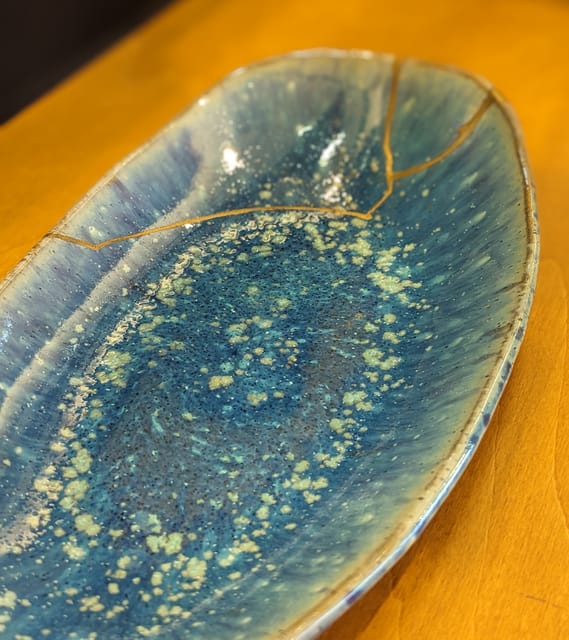
The big schedule win is proximity and timing. It is about 15 minutes by subway from Asakusa, and the session runs 90 minutes (with availability for start times). The workshop also falls into that sweet spot where you can do it without losing half your day.
This is a great pick for:
- Rainy weather or a “need a break from walking” day
- Couples and friends who want to do something hands-on together
- Solo travelers who like quiet, focused activities
- Anyone who wants a Japan craft experience that produces a take-home object
It is also a solid choice because the shop itself can feed your browsing appetite. If you are the type who likes to stop by a store, look around, and then focus back on the class, the setting supports that rhythm.
And check the age rule before you plan. The experience is for ages 13 and up, and minors must be accompanied by a guardian. If you are traveling with younger kids, this one is likely not the best fit.
Should You Book This Tokyo Kintsugi Workshop?
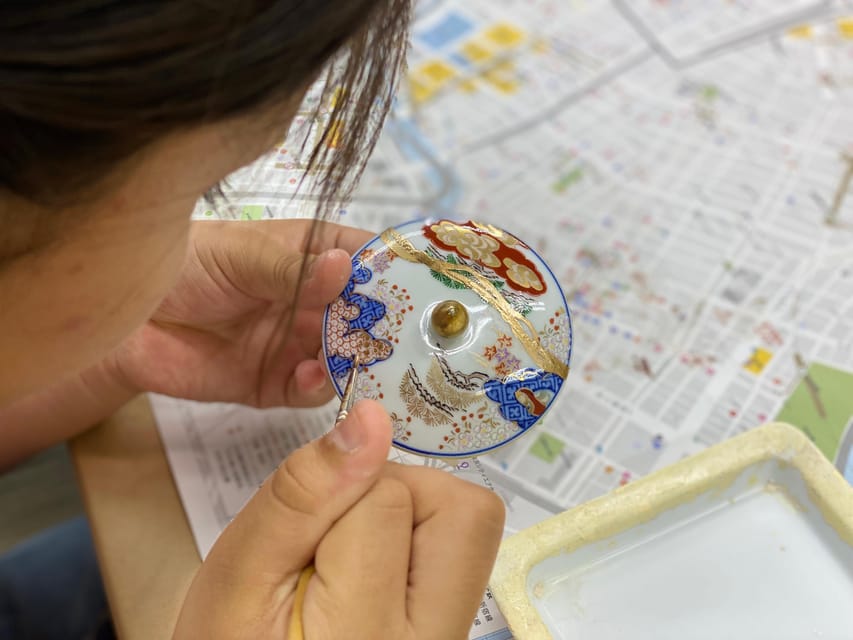
I think you should book it if you want a cultural activity that has hands-on steps, an end product, and enough structure to keep you comfortable even if you have never done crafts in Japan. The combination of English interpretation, small group size, and materials provided makes it one of those “show up and learn” experiences that rarely feels stressful.
I would hesitate only if you are bringing a heavily damaged vessel and you absolutely need it finished to completion in one sitting. The 90-minute limit and the repair constraints are real. If your piece is complex or if it is a mug with handle damage, it may not be repairable as you hope.
Bottom line: if you want to understand Kintsugi by doing it, not just watching, and you want a meaningful souvenir that looks like it has a story, this workshop is a strong choice for Tokyo.
FAQ
Where is the meeting point?
The meeting point is Nihonbashi Mutoh Main Store (日本橋滄浪閣 Bldg.), 〒1030023 Tokyo, 1-8-13 Nihonbashihoncho, Chuo City.
How long is the workshop?
The workshop is 90 minutes.
What is included in the price?
The experience includes a professional instructor, experience fees, and souvenirs. Materials are provided as well.
Do I need to bring anything?
You should wear comfortable clothes. The workshop provides what you need for the experience.
Is the workshop offered in English?
Yes. The instructor provides English support, with English interpretation included.
Is there an age requirement?
Yes. The experience is recommended for ages 13 and up, and minors must be accompanied by a guardian.
Can I repair something I bring from home?
Ceramic vessels can be restored, but there are limits: up to 15 cm diameter and up to 15 cm height, with 1 to 2 cracks. Chipped or cracked mug handles are not repairable, and the class notes that items may not be completed in 90 minutes depending on the crack or chip size.
More Workshops & Classes in Tokyo

More Tour Reviews in Tokyo
Not for you? Here's more nearby things to do in Tokyo we have reviewed












Tokyo City Tours, side by side.
 ★ 5.01-Day Tokyo Bus TourFrom $12914,250 reviews
 ★ 4.5TOKYO SKYTREE® Admission ticketFrom $1311,192 reviews
 ★ 4.6teamLab Planets TOKYO Digital Art Museum Entry TicketFrom $259,779 reviews
 ★ 4.0Mt Fuji & Hakone Cruise, Drum Show Bullet Train 1 Day from TokyoFrom $1497,413 reviews
 ★ 5.0Shinjuku Food Tour (13 Dishes at 4 Local Eateries)From $866,603 reviews
 ★ 4.4Tokyo Mt Fuji 5th St & Hakone Cruise Bus Tour w/Bullet TrainFrom $1545,024 reviews
 ★ 5.0Flagship 2-Hours Official Street Go-Kart Tour – Tokyo Bay ShopFrom $644,974 reviews
 ★ 4.5From Tokyo: Mount Fuji Full-Day Sightseeing TripFrom $684,970 reviews
This tour also belongs to