
Review · TOKYO CITY TOURS
Tokyo: Knife Making Workshop (Sharpening, Engraving)
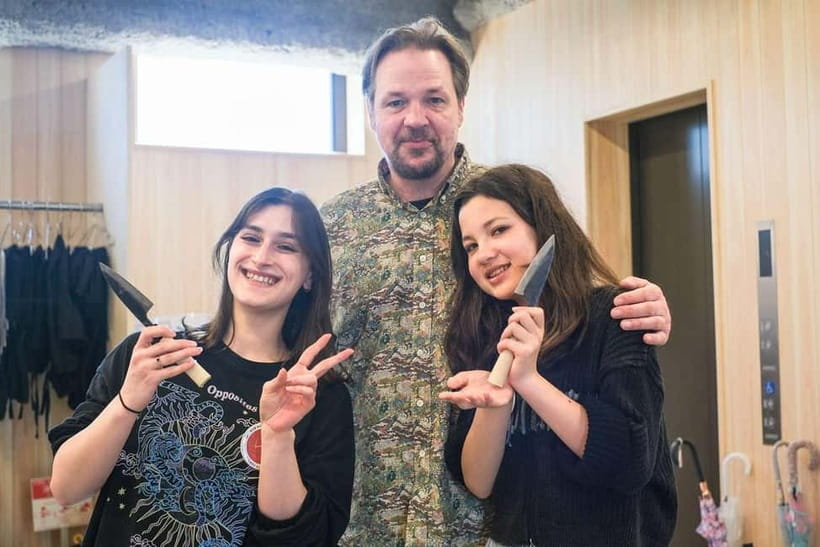
Japanese knives are a craft you can touch. In this Tokyo knife making workshop in Asakusa, you’ll sharpen a blade, learn how sword traditions shaped kitchen knives, and finish with a handle stamped in your own Japanese name.
I especially like the hands-on pace, you’re doing real sharpening and polishing, not just watching. And I really like that guides, like Mori and Agata, keep things practical in clear English while you also get cultural context. One consideration: you start with a standard take-home knife, but bigger specialty styles like usuba, deba, and petit yanagiba can cost extra.
Key things to know before you go
- You start wearing a light haori to protect your clothes, and you get a name badge in Japanese.
- You choose your blade style and size (up to five options), with some upgrades available for an additional fee.
- You get a quick sword and knife history lesson tied directly to what you’re making.
- You engrave your handle in Japanese characters, and you can engrave other simple designs too.
- You assemble the handle using a traditional hammer, so the knife feels truly finished.
- You leave with more than a knife, including snacks, tea, aesthetic packaging, and a custom key-holder.
Finding the Workshop in Asakusa, Heiwa Building, 5th Floor
This class runs in the middle of Tokyo, in the Asakusa area, where old-meets-new is not a slogan, it’s the street map. The meeting point is BUB Activity Center in the Heiwa Building, Taito-ku, Asakusa. When you get there, use the elevator to the 5th floor, because that is how the workshop is set up.
The building setup is simple, but it’s worth planning a little extra time if you’re not used to navigating Tokyo office buildings. Staff are on site to help if you’re lost, and you’ll likely see other participants already heading to the elevator.
Inside, you’re quickly moved into a workshop rhythm. You put on a light version of a haori (Japanese kimono-style jacket) to keep your clothes safe from accidental stains, then you get a badge with your name written in Japanese letters. That small detail matters more than you’d think. It turns the experience from a one-off activity into something that feels ceremonial, even though you’re still learning practical hand skills.
Also, the space is wheelchair accessible, so it’s not a back-alley “good luck getting in” situation.
More Tokyo tours and experiences for the shortlist


The 90-Minute Flow, from Tea and History to Your Finished Knife
The experience is built like a guided craft session, with short teaching blocks and then immediate time at your station. Expect the whole thing to take about 90 minutes, so it’s long enough to actually learn, but not so long you lose focus.
You begin with tea or juice, plus Japanese snacks, and you’ll usually feel the room switch from travel mode to workshop mode. Then the instruction turns into context. You’ll learn the history of Japanese knives and swords, and the instructor connects that history to why knife shapes differ and what that means for kitchen work.
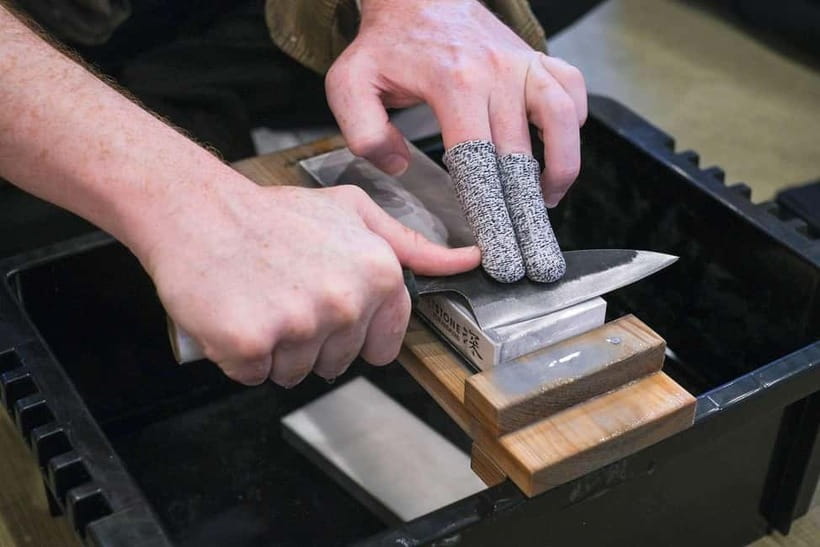
Next comes the practical part: choosing what you want to sharpen. You’ll select a blade type (up to five options) and also the size you want to work with. From there, you’ll sharpen the blade and move through a careful process that takes concentration. People describe it as oddly stress-relieving, and I get why. Sharpening isn’t fast, it’s methodical, and the guided corrections keep your attention locked in.
Finally, the class finishes with personalization and assembly. You engrave your name on the handle, then you attach it using a traditional hammer. When you’re done, you’ll have a take-home knife and a complete “I made this” package, wrapped nicely for travel and gifting.
Choosing Your Knife Style, and Why It Matters More Than You Think
One of the best parts is that you get to choose the knife type you want to work on. The workshop offers up to five types of knives, and some can involve a small additional charge. In the standard offering, you’ll take home a multi-tasking knife, but you can often upgrade if you want a specific shape.
The instructor also gives you the background on how Japanese knife styles link back to sword making. That history is not just trivia. It helps you understand why the craft focuses on geometry, sharpness, and the feel of the blade. You’re not only sharpening metal, you’re learning how a different design philosophy can change performance.
Here are the specialty options mentioned as add-ons: usuba, deba, and petit yanagiba. If you’re a home cook, this is where you should think about your kitchen habits. If you mostly do everyday chopping, you may be happiest with the standard multi-tasking knife. If you do lots of prep that matches a specific style, the upgrade could be worth it, as long as the additional fee fits your budget.
If you’re traveling with a partner or friend, the workshop also supports watching. You can buy an observation ticket for a non-participant, but there is an observation fee on site. That’s a useful option when you don’t need two knives but still want to experience the same atmosphere.
Sharpening in Real Time, Corrections That Make a Difference
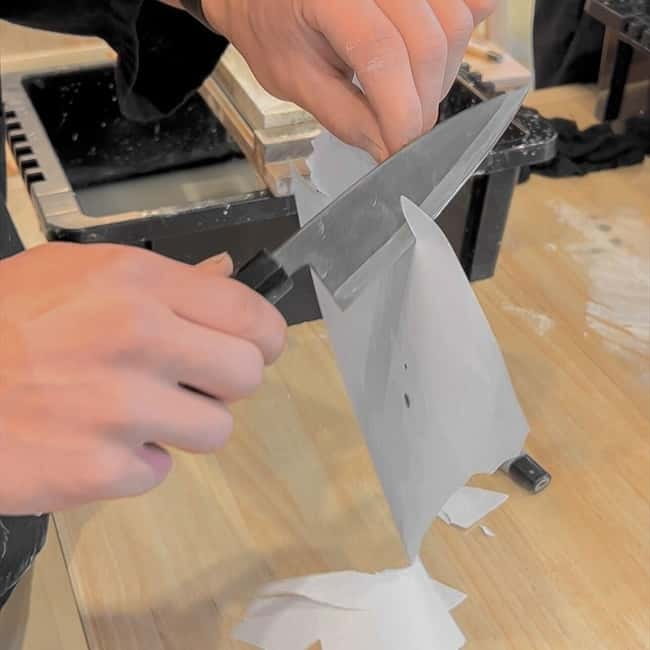
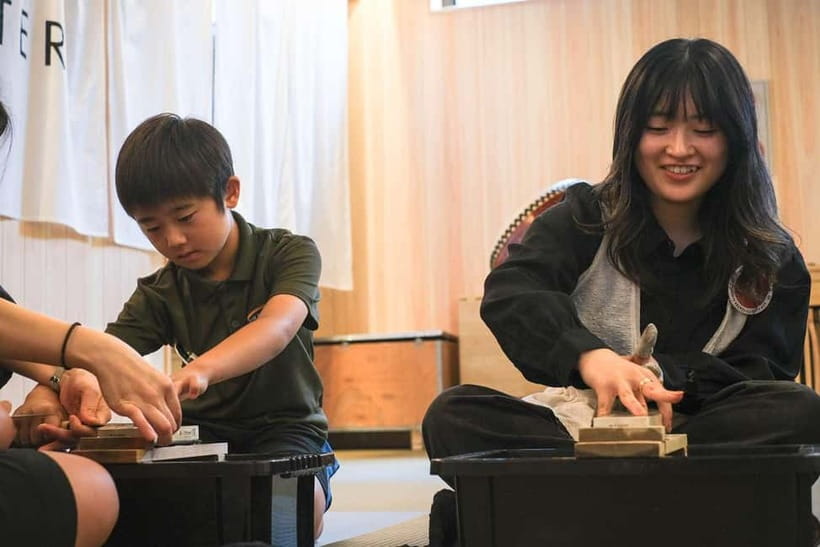
Sharpening is where this workshop earns its keep. You’re not handed a finished tool and asked to admire it. You work the blade, learn the steps, and get corrections while you do it.
This matters because sharpening is a skill with a lot of tiny variables. Even when you’re motivated, it’s easy to drift into the wrong motion or angle. The crew, including English-speaking staff, stays close and corrects your movements in a polite, helpful way. That support makes it more likely you end up with a knife that feels meaningfully sharp, not just “I tried.”
You’ll also notice how the pace encourages focus. People talk about the meditative side of the sharpening process, and the structure supports that. You’re taught a method, then you repeat it with intent, while the rest of the room stays quiet and craft-focused.
A practical tip for you: treat this like a hands-work class, not a photo shoot. If you want good results, your attention belongs on your hands and the blade. You’ll still get time to talk with the crew, and the instructors often encourage casual, friendly conversation, but your best memories will be tied to what you actually do.
Engraving Your Name in Japanese, Plus Handle Assembly With a Hammer
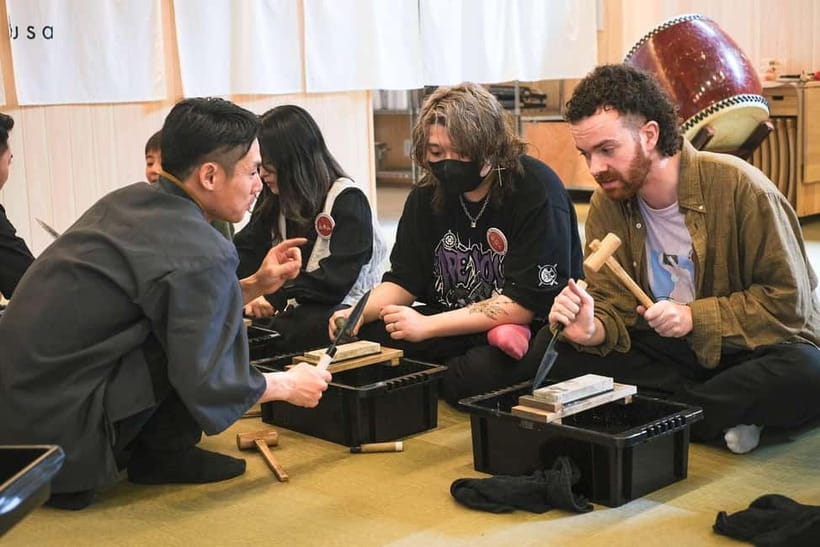
This workshop has a personalization moment that’s both fun and genuinely satisfying. You engrave your name in Japanese letters on the handle, and you can also engrave a picture or simple design if you’d like. Before you start, you’ll likely get guidance on what to write and how to approach the carving so it comes out clean.
Some people are surprised by how challenging engraving is. It looks easy from the outside, but in practice you need steady hand control. That’s also why it feels special. When you finish, you can really see the difference between a rushed mark and a careful one.
Then comes the satisfying finale: attaching the handle. You assemble it using a traditional hammer, and the crew helps you complete the work of art. This step is important because it turns the experience from “learning a technique” into “producing an object that’s yours and ready to use.”
One small consideration from feedback: a few participants wished there were more ways to engrave (beyond just the name approach) and noted that the standard handle quality could be improved. If you’re very picky about aesthetics, it’s smart to ask what engraving styles and handle finishes are possible during the class start, so your expectations match the options available.






What You Get for the $161, and Where Extra Costs Can Appear
At $161 per person for about 90 minutes, you’re paying for a guided craft session and a take-home item that’s customized. The value is strongest if you want something tangible from Japan that isn’t mass-produced.
Included in the package are:
- A standard size multi-tasking knife to take home
- Your customized knife crafting experience
- Japanese snacks and drinks
- Bilingual staff assistance
- Aesthetic packaging
- A customized key-holder with a unique design
That “more than one souvenir” detail is worth noting. It’s not just the blade. The packaging, snacks, tea, and key-holder make the whole experience feel complete, and they help if you want to gift your knife or keep it safely without extra hassle.
Extra costs can come from bigger knife types, specifically usuba, deba, and petit yanagiba. If you stay with the standard multi-tasking option, you can control your spend. If you upgrade, you’re paying for a different blade you may be more excited to use later.
Also consider travel practicality. You’ll receive a knife box, and you’ll want to plan where it fits in your baggage routine. The workshop suggests putting your knife box into check-in luggage, or asking staff about shipping it if you’d rather not deal with airport restrictions yourself. Either way, don’t wait until you’re at the airport to figure it out.
Who This Workshop Is Perfect For, and Who Might Not Love It
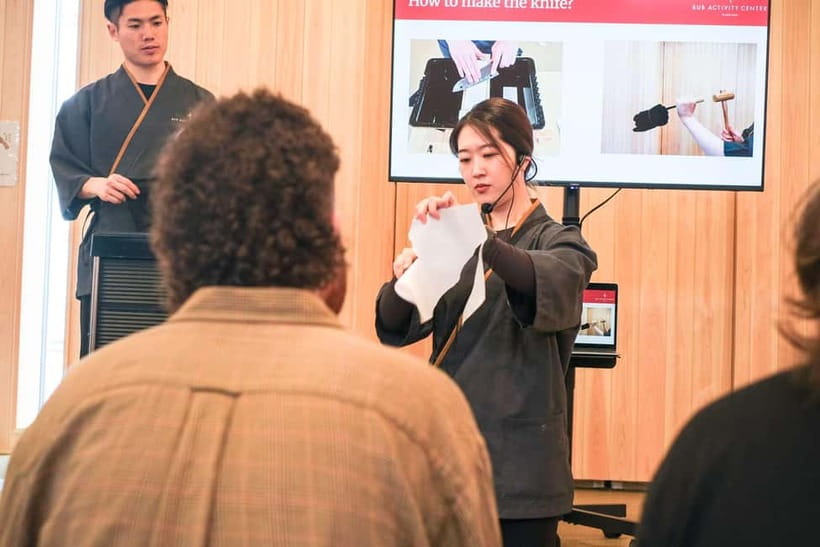
I think this workshop is ideal if you want a hands-on Tokyo activity that connects to daily life. You’re learning sharpening and care skills you can use at home, and the cultural context makes the craft feel more meaningful than a generic souvenir hunt.
It’s also a great fit if you like learning with guidance. The class is described as suitable for beginners, and the crew corrections help you avoid common mistakes. If you enjoy practical skills and don’t mind focused work, you’ll likely enjoy the sharpening, polishing, and assembly process.
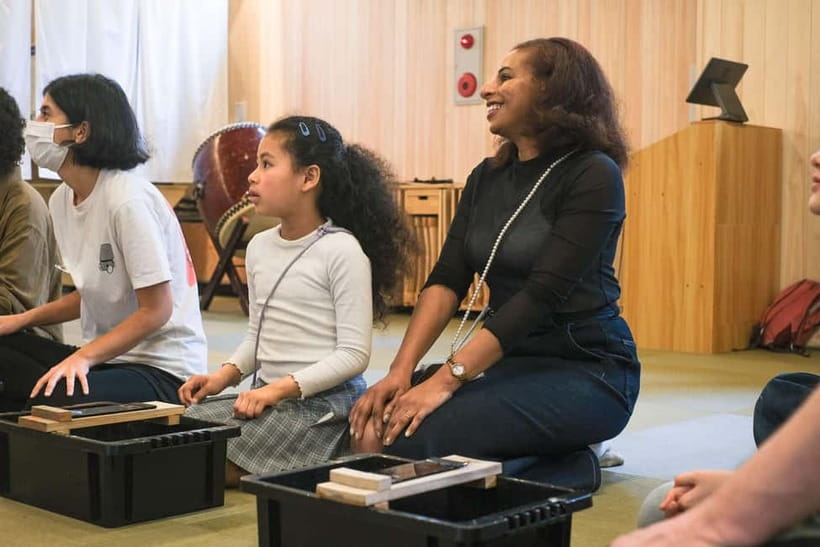
It’s also family-friendly in a real way. One set of feedback mentioned a 10-year-old enjoying the experience, and that makes sense if your child is comfortable with steady attention and careful hand work.
If you might not love it, it’s usually for one of two reasons:
- You want a purely passive experience. This is active crafting, so if you hate hands-on work, your patience might wear thin.
- You’re highly budget sensitive. The base knife is included, but you may want upgrades for specialty styles, which can add cost.
Small Travel Tips That Make Your Knife Workshop Smoother
Plan for a focused hour and a half, and wear something you don’t mind getting near sharpening tools. The crew provides a light haori to protect your clothes, but accidents happen, so comfortable clothing still helps.
If you care about your final results, don’t treat the class like a quick checklist. Sharpening takes concentration, and the engraving needs steady control. Your best outcome comes from slowing down mentally, even when the time flies.
For baggage, think ahead about the knife box. Check-in luggage is the recommended route. If you’re not comfortable, ask about shipping options rather than improvising at the last minute.
Finally, if you bring a friend to watch, you’ll need to handle the observation fee on site. That’s a nice option, especially if you want the social experience without buying two knives.
Should You Book This Tokyo Knife Making Class in Asakusa?
If you want a real Tokyo skill experience and not just another photo stop, I’d book it. The best reason is the combination: you sharpen, you assemble, and you personalize with Japanese engraving, all with staff correcting your technique in English. For $161, the included multi-tasking knife, packaging, snacks, drinks, and key-holder make it feel like a full craft package rather than a short demo.
I’d especially recommend it if you’re into cooking, knives, or design details, and you enjoy learning by doing. It’s beginner-friendly, and you can walk away with a souvenir that has personal meaning, not just a brand sticker.
If budget upgrades like usuba, deba, or petit yanagiba tempt you, check what you want before you arrive so you can decide calmly. And if you’re very particular about engraving styles and handle finish, ask what options are possible early in the session.
Overall, this is the kind of workshop that gives you something you can use, and something you can remember when you open the box at home. If that matches your idea of a great Tokyo day, this is a strong choice.
More Workshops & Classes in Tokyo

More Tour Reviews in Tokyo
Not for you? Here's more nearby things to do in Tokyo we have reviewed












Tokyo City Tours, side by side.
 ★ 5.01-Day Tokyo Bus TourFrom $12914,250 reviews
 ★ 4.5TOKYO SKYTREE® Admission ticketFrom $1311,192 reviews
 ★ 4.6teamLab Planets TOKYO Digital Art Museum Entry TicketFrom $259,779 reviews
 ★ 4.0Mt Fuji & Hakone Cruise, Drum Show Bullet Train 1 Day from TokyoFrom $1497,413 reviews
 ★ 5.0Shinjuku Food Tour (13 Dishes at 4 Local Eateries)From $866,603 reviews
 ★ 4.4Tokyo Mt Fuji 5th St & Hakone Cruise Bus Tour w/Bullet TrainFrom $1545,024 reviews
 ★ 5.0Flagship 2-Hours Official Street Go-Kart Tour – Tokyo Bay ShopFrom $644,974 reviews
 ★ 4.5From Tokyo: Mount Fuji Full-Day Sightseeing TripFrom $684,970 reviews
This tour also belongs to