
Review · TOKYO CITY TOURS
Tokyo: Kintsugi Workshop to Learn the Art of Golden Joinery
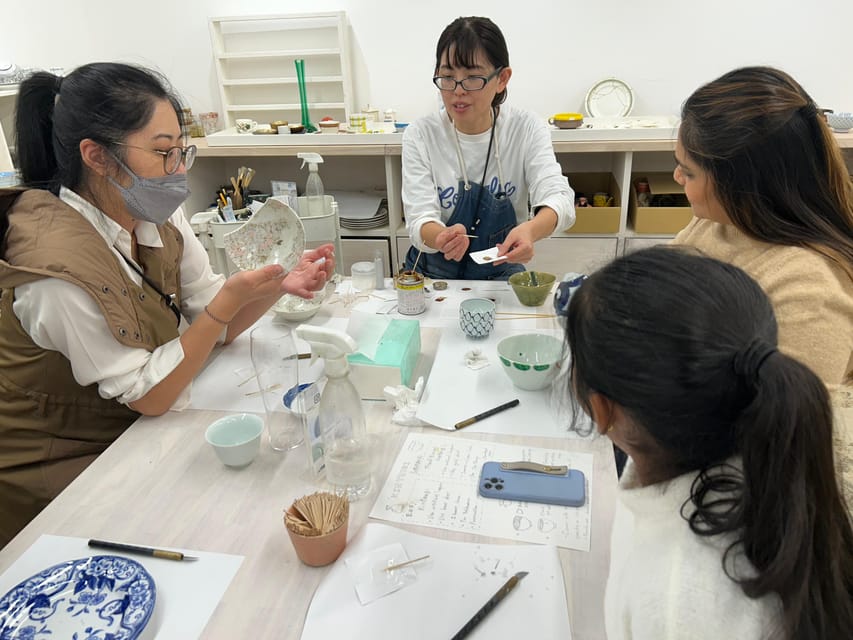
A cracked ceramic with a gold seam can feel like a quiet miracle. In this Tokyo workshop, you learn kintsugi (金継ぎ), the centuries-old craft and philosophy of mending broken pottery instead of throwing it away. I really like the hands-on pace and the way your instructor ties each step to the idea of wabi-sabi, accepting imperfections as part of an object’s story. The main drawback to plan for is that the repair portion may feel smaller than you expected, since you are working with what you’re given and the class is only two hours.
You’ll spend a full session working lacquer and gold powder onto cracks, then watching the break become something intentional. It’s also a calm activity, the kind where you focus on fine, slow movements and end the class with a piece you truly made. One more consideration: the workshop notes a plate is not included, so you should confirm what you need to bring or buy before you arrive.
Key Highlights You Should Know Before You Go
- Gold-lacquer mending in 2 hours, with a small group capped at 6 people
- English instruction, designed for hands-on learning (and sometimes extra help via translation)
- Wabi-sabi philosophy in practice, not just in a quick speech
- Your finished ceramic becomes a personal keepsake, with gold seams that show the history of the break
- A potential expectation check, since you may only repair a limited section depending on what you’re provided
What Kintsugi Teaches, and Why Tokyo Makes It So Easy
Kintsugi is often described as beautiful, and it is. But the better way to think about it is emotional. You take something damaged and choose to honor it, not hide it.
That mindset connects directly to Japanese aesthetics, especially wabi-sabi. Instead of chasing perfection, you aim for harmony with imperfection. Watching a crack turn into a glowing seam helps the philosophy land in a practical way, not a vague one.
Tokyo is a great place to try this because the city is full of workshops where craft is treated as a living skill. This one stays focused on what you do with your hands, so you leave with both the technique and the story behind it.
More Tokyo tours and experiences for the shortlist


Where You Meet, Then Get Down to Craft Work
You meet your guide at Gakugei Daigaku station. The guide sends you a picture before meeting time, which makes it easier to spot the right person when you’re arriving with jet lag and snacks on your mind.
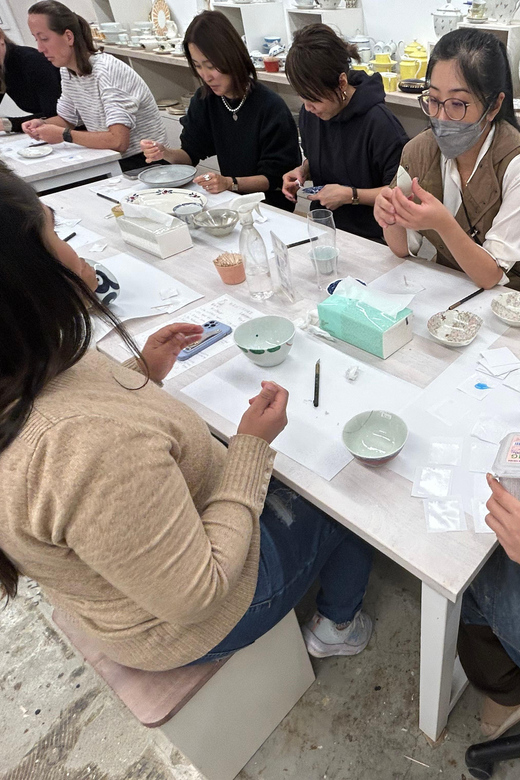
From there, you’ll head into the workshop and get your briefing. Since the class is a small group, you’re not stuck watching someone else work for two hours. The whole format is built for guided practice, with room to ask questions in English.
Timing matters. The workshop is 2 hours, which is long enough to go through multiple steps, but short enough that you should expect focused work rather than an all-day craft project. If you want a big, dramatic transformation, ask ahead how large a piece you’ll repair.
Your Workshop Supplies: Lacquer and Gold Powder, Plus What May Be Missing
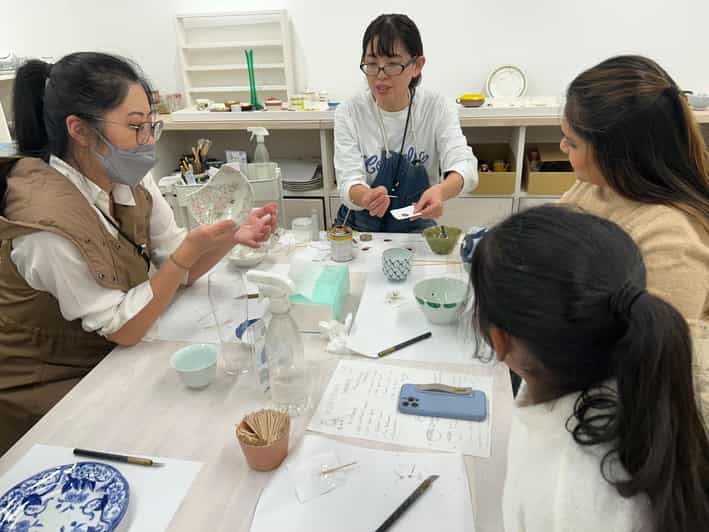
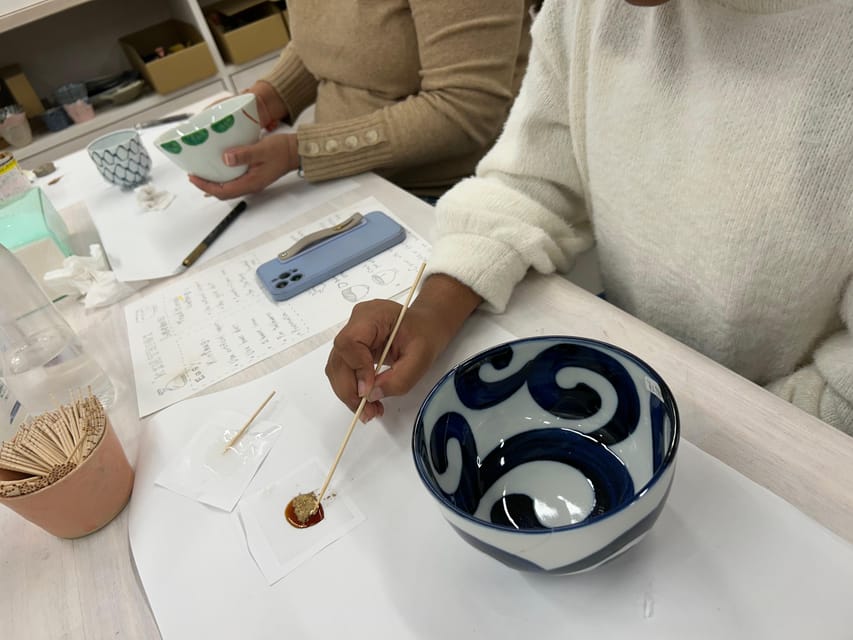
This experience provides the core tools and materials, including lacquer and gold powder. You also use broken pottery as part of the process, along with artificial lacquer, so you can focus on learning rather than shopping.
Still, there’s a detail worth your attention. The activity information says the plate to work with is not included, with an estimated cost range of ¥1,000 to ¥2,000. At the same time, it also says materials include broken pottery. That contradiction can happen when different class formats use different inputs.
My practical advice: message the provider before your date and ask one clear question. Do I need to bring or buy the plate, or is the broken piece already included? This one check can save you from arriving with the wrong assumption.
The Step-by-Step Craft: Learning Golden Joinery Up Close
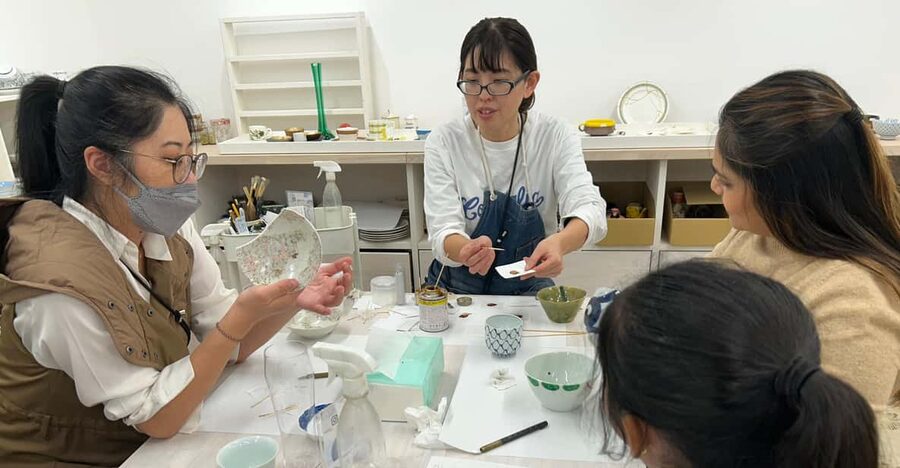
The workshop teaches the basics of repairing broken ceramics using the kintsugi method. In the tradition, artisans use lacquer plus powdered metal such as gold, silver, or platinum to create the famous glowing seams. In your class, you’ll work specifically with lacquer and gold powder, the core look most people come for.
You’ll start with an intro to the art and its philosophy. Then comes the hands-on portion, where your instructor guides you through each stage. What stands out in recent experiences is how clearly some instructors explain what they’re doing and why.
For example, Anne (one of the instructors named in past experiences) is praised for explaining the steps and even how glue was made in older times. That kind of context makes the technique feel less like a craft demo and more like you’re joining a real tradition.
In another past experience, Chiara led a class with the help of a translator who also knew the craft. That’s a reassuring sign for English speakers because it suggests the instruction stays connected to the process, not just to the general idea.
Filing, Prep Work, and Why the Class Can Feel Busy for Small Kids
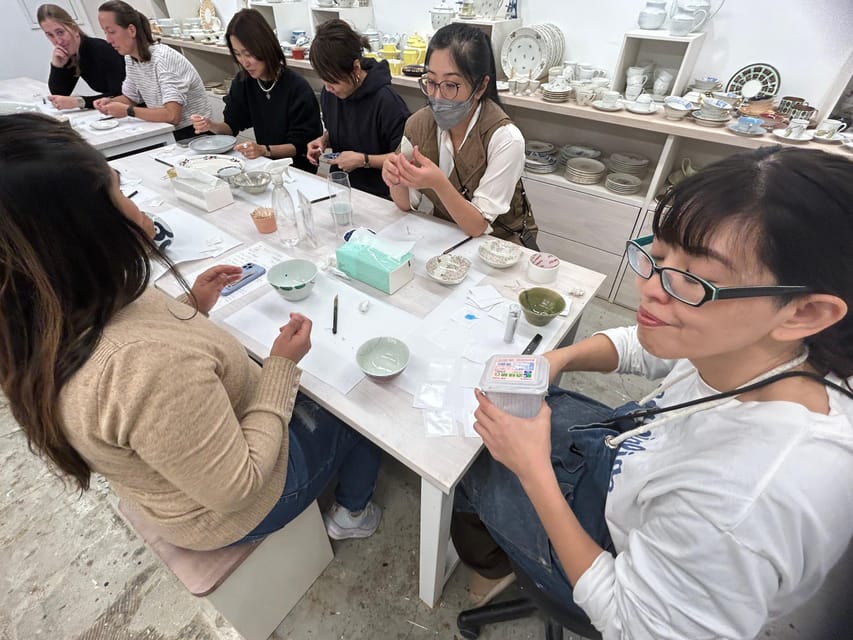
Kintsugi isn’t only about putting gold on a crack. There’s usually prep work, and in this workshop you should expect filing. One past participant noted you may need to file the pottery for about half an hour.
That matters for your planning. If you’re traveling with kids, the filing step can be tricky for younger hands and attention spans. The activity also suggests kids around school age may be better suited than toddlers.
If you’re a solo traveler, the prep time is also a good reality check. You’ll spend time getting the surface ready so the lacquer and gold can bond properly. It’s not hard, but it is active work, and you’ll want to stay present.






The Wabi-Sabi Part You Actually Feel During the Session
The philosophical talk in kintsugi can be easy to ignore if it’s delivered like a museum label. This class aims to do it differently, tying the message to what you’re doing with your hands.
You’ll learn that kintsugi is more than repair. It’s a way of embracing flaws and imperfections as part of an object’s unique story. That’s the “golden joinery” idea: the join isn’t just functional. It’s visible on purpose.
The calm, reflective feel is part of the value. You’re not rushing through a checklist. You’re doing slow, careful motions and then watching a damaged line become a deliberate design element.
The result is also personal. Your repaired piece is not a photo prop. It’s something you made, with your attention and decisions baked into the final look.
Your Finished Keepsake: Taking Home the Gold Seams
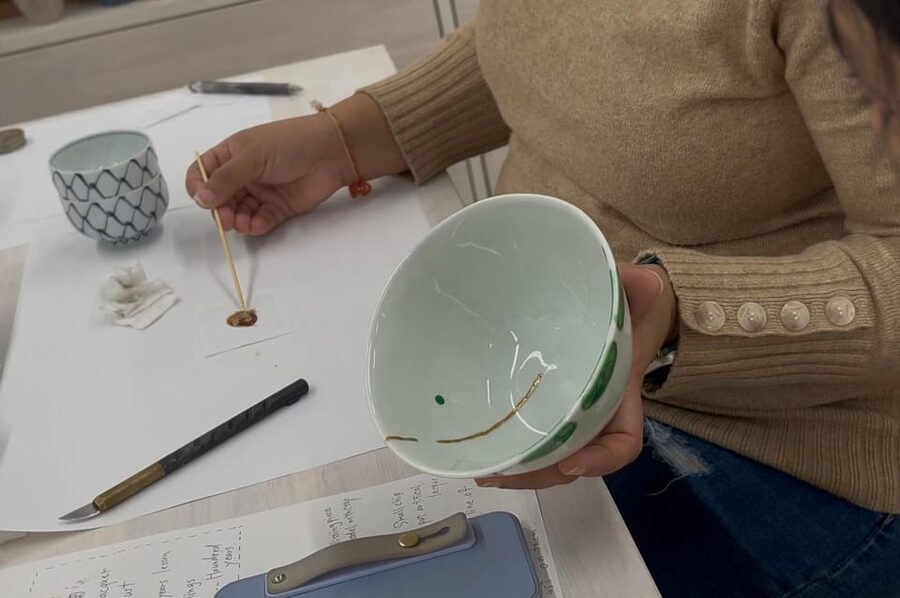
At the end of the session, you take your repaired ceramic piece home. That’s one of the biggest practical advantages of this workshop format. You’re not just paying for a cultural explanation. You’re leaving with an object that can sit on your shelf and quietly remind you of the session.
The look can vary depending on the cracks and the item you’re given. Past participants have specifically mentioned outcomes like a repaired piece with a gilded crack or a finished bowl. Even if your piece is small, the gold seam does the heavy lifting visually.
Because you worked on it directly, the keepsake carries a “this is mine” effect that a generic souvenir usually can’t match. If you like travel stories you can touch, this is a strong fit.
Price and Value: What $63 Buys in Real Craft Time
At around $63 per person for a two-hour workshop, you’re paying for three things: guided instruction, materials, and the finished personal item.
In that context, the price can feel fair because the materials include lacquer and gold powder, plus a broken ceramic item used in the repair. You’re also getting English instruction and a small group setting, which usually means more direct coaching.
Now for the honest part. A common frustration with short craft classes is mismatched expectations about how much you’ll repair. One experience described disappointment because only a tiny portion was fixed, compared with what the class might have led them to expect.
So here’s the value lens I’d use if you’re deciding today: if you expect a small, focused repair with gold seams as the final highlight, the class is likely a good buy. If you want a large, fully rebuilt piece with major changes, this might feel limited. Send a quick message asking what size of repair you can expect on your specific piece.
Who This Workshop Suits Best in Tokyo
This kintsugi workshop is a great match if you want a craft activity that doubles as a mindset lesson. If you love Japanese design, ceramics, or quiet, hands-on experiences, you’ll likely enjoy the calm, reflective process.
It’s also a nice option for couples and friends because the small group format encourages interaction. Solo travelers tend to like this type of workshop because you can talk with your instructor, learn clearly, and still end up with a meaningful result.
Family fit needs one more filter. Because filing may take about half an hour and the work is delicate, it’s better for kids who can follow instructions and handle concentration. The activity indicates it is not suitable for babies under 1 year.
On wheelchair access, the information is mixed. It lists the activity as wheelchair accessible, but it also says it is not suitable for wheelchair users. If this affects you, confirm with the provider before booking so you know what practical setup you will face.
Quick Planning Notes So You Don’t Lose Time on the Day
You start at Gakugei Daigaku station. Look for the guide based on the picture they message you, and arrive a bit early so you can settle before the session begins.
Bring your travel mindset, not your craft tools. The workshop provides lacquer and gold powder and handles the core materials. Just be ready for a small expectation check around the plate or ceramic input, since the activity information notes it is not included and gives a cost range.
Finally, wear clothes you don’t mind getting a little messy. Even careful craft work can involve tiny particles and lacquer residue. The class itself is gentle and guided, but you’ll be working with materials that are meant to stay where you put them.
Should You Book This Kintsugi Workshop in Tokyo?
Book it if you want a small-group, English-taught craft class that teaches kintsugi as a real philosophy, not a one-minute lecture. It’s a solid value for the materials provided and the chance to leave with a repaired piece that feels personal.
I’d hesitate only if you’re expecting a huge restoration or you hate being surprised by how much of the item you can fix in two hours. Also double-check the plate detail before you go, because the information given includes both “materials provided” and “plate not included.”
If you like thoughtful souvenirs, quiet learning, and the idea of turning damage into meaning, this workshop is one of the more memorable ways to spend a couple of hours in Tokyo.
FAQ
How long is the Tokyo kintsugi workshop?
The workshop lasts 2 hours.
How big is the group?
The group is small, limited to 6 participants.
Is the workshop taught in English?
Yes, the instructor is listed as English.
Where do I meet the guide?
Meet at Gakugei Daigaku station. The guide will message you a picture before the meeting time.
What’s included in the workshop materials?
Lacquer and gold powder are provided, along with a brief introduction to the art and philosophy of kintsugi.
Do I need to bring a plate to work with?
The plate to work with is not included, and you may need to arrange one from ¥1,000 to ¥2,000.
What is the cancellation policy?
Free cancellation is available up to 24 hours in advance for a full refund.
More Workshops & Classes in Tokyo

More Tour Reviews in Tokyo
Not for you? Here's more nearby things to do in Tokyo we have reviewed










Tokyo City Tours, side by side.
 ★ 5.01-Day Tokyo Bus TourFrom $12914,250 reviews
 ★ 4.5TOKYO SKYTREE® Admission ticketFrom $1311,192 reviews
 ★ 4.6teamLab Planets TOKYO Digital Art Museum Entry TicketFrom $259,779 reviews
 ★ 4.0Mt Fuji & Hakone Cruise, Drum Show Bullet Train 1 Day from TokyoFrom $1497,413 reviews
 ★ 5.0Shinjuku Food Tour (13 Dishes at 4 Local Eateries)From $866,603 reviews
 ★ 4.4Tokyo Mt Fuji 5th St & Hakone Cruise Bus Tour w/Bullet TrainFrom $1545,024 reviews
 ★ 5.0Flagship 2-Hours Official Street Go-Kart Tour – Tokyo Bay ShopFrom $644,974 reviews
 ★ 4.5From Tokyo: Mount Fuji Full-Day Sightseeing TripFrom $684,970 reviews
This tour also belongs to