
Review · MEIJI SHRINE TOURS
Tokyo: Meiji Jingu Shrine and Shinto Culture Walking Tour
Shinto feels real inside this forest. This Meiji Jingu tour takes you beyond the usual quick photos, with a guide explaining Shinto rituals in a way you can actually use while you’re there, not just nod along. I especially like the small-group feel, where you can ask questions and get practical etiquette tips as you move. One thing to consider: it is only a 2-hour loop, so if you want long, slow hanging-out time at each spot for personal prayer, you may feel a bit on schedule.
Meiji Jingu’s grounds are calm and shaded, and the Imperial Garden stop gives you a different side of the area, less rush and more atmosphere. You’ll also get real context for what you’re looking at, from the big approach to the details visitors often miss. I’ve seen firsthand in the guide style described by others, like Minori and Nicholas and Hoshi, that the best part is how the explanations connect the shrine to daily life, not just dates on a timeline.
By the time you reach the heart of the grounds, the walk through the 100,000-tree forest is the reset button your Tokyo day needs. The tour includes photo stops and even someone taking photos for you, which is a small detail, but it makes the experience feel effortless. The only downside is weather, since a lot of this is outdoors, so wear shoes you trust on paths and bring a light layer if the day turns damp.
Key points that make this Meiji Jingu tour worth your $19
Shinto practice you can apply on the spot
You’re not just looking at sacred objects, you learn what the rituals mean and how to behave with respect.
Imperial Garden and Meiji Jingu Gyoen included
Entry to both areas saves time and helps you see more of what makes the site special.
Photo stops built into the route
Your guide takes photos during the tour, so you don’t have to keep juggling your camera.
Sacred forest of 100,000 trees
This is where Tokyo quiet actually happens, and the timing of the walk matters.
Guides with strong on-the-ground teaching style
Names that show up often include Maya, Minori, Nicholas, Hoshi, Naruto, and Andres, and the reviews consistently mention engaging, question-friendly explanations.
Small groups, sometimes very small
Expect a more personal pace, and on lighter days it can even feel like a private chat with a local.
Entering Meiji Jingu from Harajuku without the usual chaos
Meiji Jingu is one of Tokyo’s most iconic shrine visits, but iconic can also mean crowded and rushed. This tour solves that by building a guided flow that keeps you moving through the site while you understand what you’re seeing. Starting from Starbucks Coffee near Harajuku is practical. It gives you a clear meeting point, and it also keeps the first minutes easy when you’re still getting oriented in the neighborhood.
What I like about this approach is that it treats the shrine as more than scenery. Shinto is about presence and intention, so the guide’s role is to help you slow down just enough to notice the symbolism behind the objects and the way people participate.
Also, the tour runs for 2 hours. That time frame is long enough to learn the basics and see the main highlights, but short enough that you can still pack the rest of your day in Tokyo. It’s a smart first or second stop, especially if you want your Tokyo trip to start with a meaningful cultural anchor.
You can also read our reviews of more walking tours in Tokyo


Meeting at Starbucks Coffee near Meiji Jingu: easy starting point, clear expectations
You meet in front of the Starbucks closest to Meiji Shrine, listed as Starbucks Coffee – With Harajuku. If you like to plan like a grown-up, put the coordinates in your map app ahead of time: 35.6705208, 139.7031067. That single step prevents the most common travel stress, standing around wondering if you are at the right Starbucks.
The meeting point matters because Meiji Jingu sits inside a large landscaped area. Once you start walking, the trees swallow the city noise. But at the beginning, you still need a reliable handhold.
It’s also worth knowing that the tour is wheelchair accessible as stated by the activity. If you’re traveling with mobility needs, it’s still smart to bring up any questions during booking, but the fact that accessibility is explicitly included is a good sign.
Meiji Jingu Gyoen and the Imperial Garden photo stop that teaches the setting
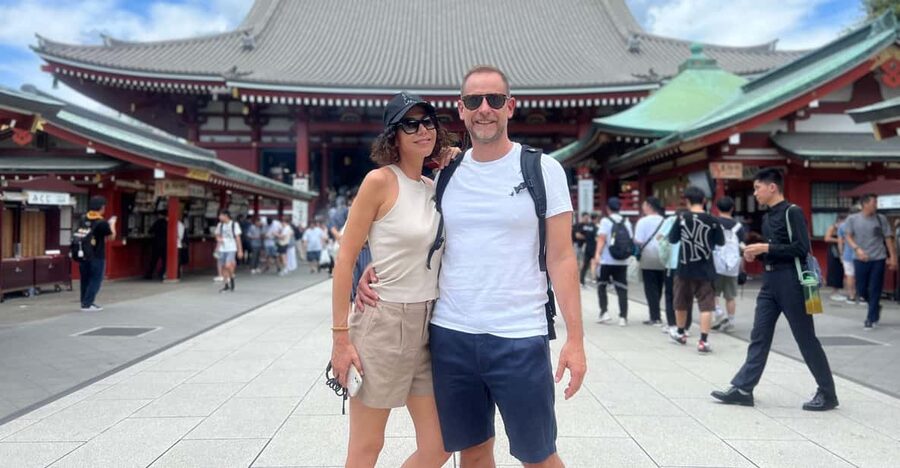
The first major stop is Meiji Jingu Gyoen, where you get a photo stop and guided tour time (about 30 minutes). This is not just a hallway into the shrine. It’s a chance to see the design intent behind the space, how nature is shaped for quiet movement, and why this place feels different from a typical urban park.
A quick note on photos: a lot of shrine walks in Tokyo end up with people taking pictures while half-listening to instructions. Here, the photo stop is part of the experience, and you get guidance on where to look and what details matter. In the reviews, guests also mention that guides take photos for them throughout the tour, which helps when you want images that actually include you.
If you’re visiting for the first time, this garden portion is your orientation layer. You learn how the shrine grounds are meant to be approached and how the natural setting connects to the religious meaning.
Potential drawback: this part is mostly outdoors and on pathways. If you’re sensitive to uneven ground or you’re traveling in slippery conditions, comfortable shoes matter.
The Big Torii: what to do at the gate and why it matters
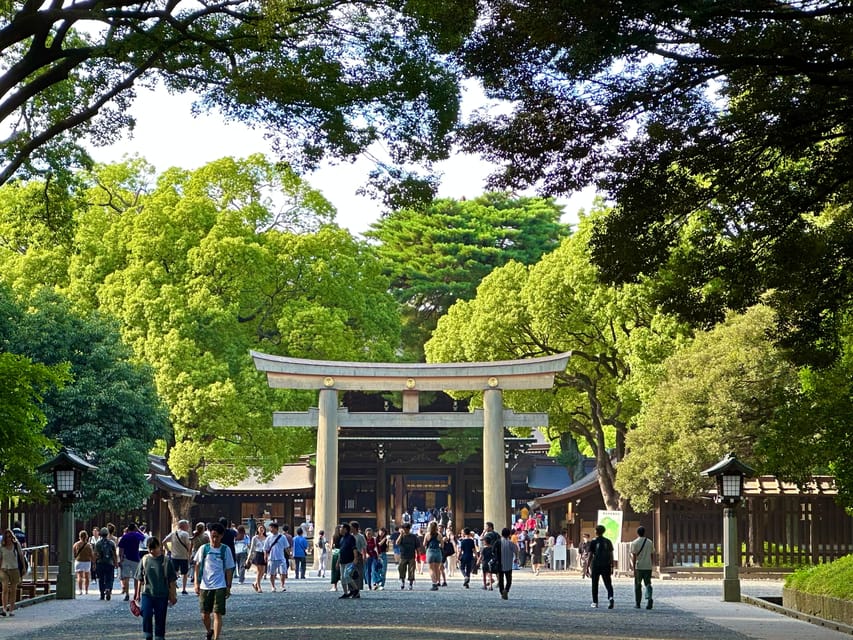
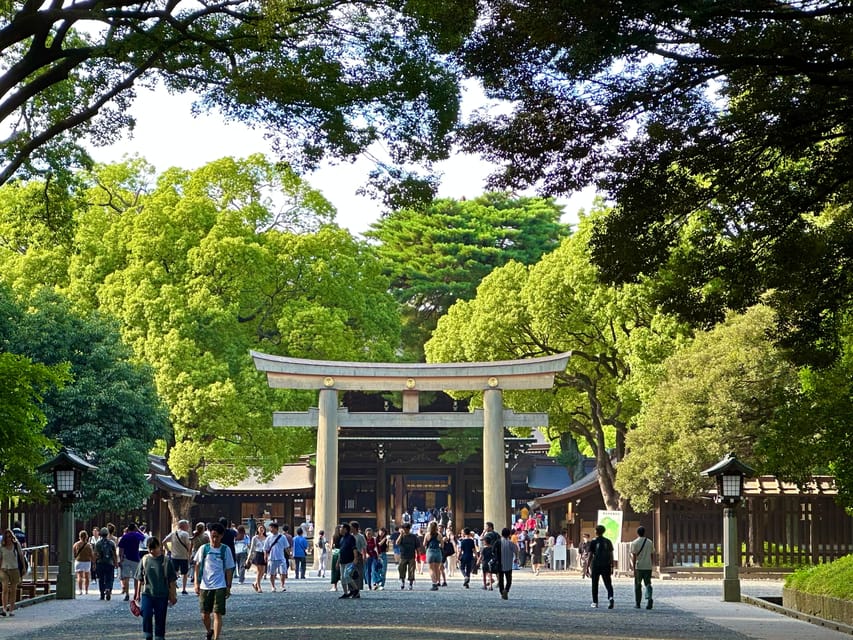
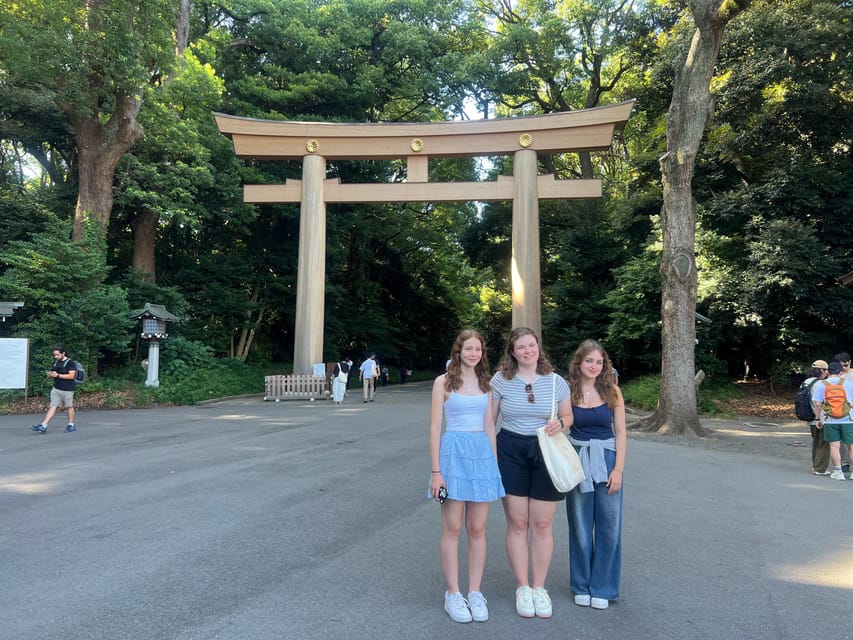
Next comes the Big Torii for a shorter guided tour (about 10 minutes). Torii gates are one of the most recognizable visuals in Japan, but what matters is the idea behind them: the transition from ordinary space into a sacred one.
This is where etiquette becomes useful. The guide helps you understand how to move with the space and how visitors typically participate respectfully. Reviews include people mentioning that guides walked them through shrine prayer and etiquette, so you’re not left figuring it out alone.
Here’s the practical benefit for you: if you’re worried about doing the “wrong thing” at a sacred site, this is the stop that reduces that anxiety. You gain confidence early, so you can focus on the atmosphere instead of second-guessing your actions.
Consecrated sake barrels and wine barrels: the details most people miss
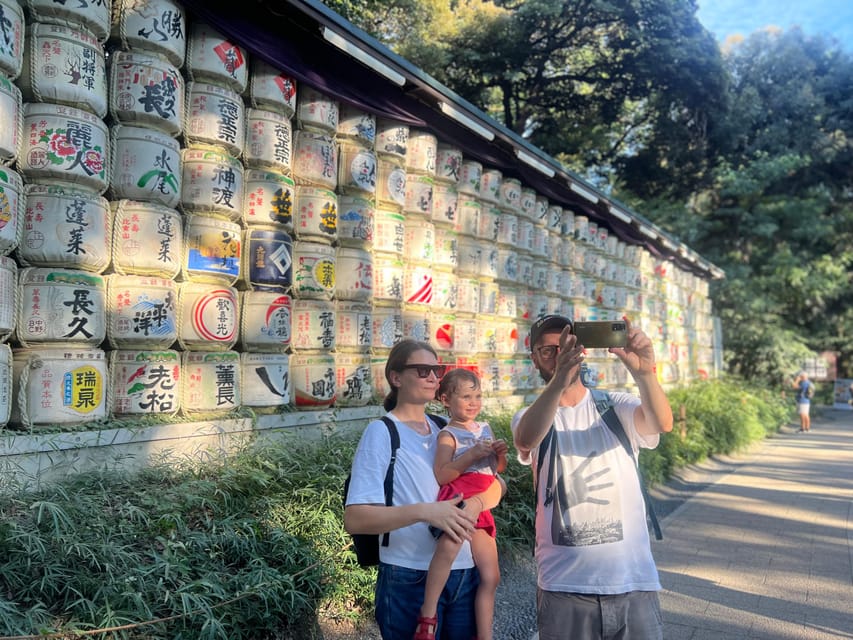
One of the most distinctive parts of this tour is the sequence of stop-and-learn moments around the consecrated containers, including sake barrels and wine barrels. You spend around 10 minutes at each of these guided segments.
These are the kinds of shrine details that can feel decorative if you don’t know the story. A guide turns them into meaning. You’ll hear what these items represent in Shinto practice and how offerings connect people, nature, and the sacred space.
This is also where small-group interaction pays off. If you ask a question, the guide can explain it in a way that fits your level, whether you’re brand new to Shinto or you just want clearer context for what you’re already seeing.
Because the tour includes multiple short stops, it keeps your attention. You’re not staring at one thing for an hour. Instead, each stop builds a mental map of how the site works.
One consideration: these stops are timeboxed. If a particular object really grabs you, you might want extra time on your own after the tour, so you can linger at your favorite spot.






Inside the shrine: ritual basics, sightseeing, and respectful movement
The longest block is at Meiji Shrine, with guided tour and sightseeing for about 1 hour. This is where you experience the core of the visit: the main shrine area, the atmosphere, and the feeling that the site is actively used, not just displayed.
This is also the segment where guests repeatedly mention guides helping them understand differences in Japanese religious practice, including how Shinto and Buddhism can show up together in Japanese culture. Some reviews name guides who explained these ideas clearly, and the common thread is explanation that connects to real behavior, like how to approach, where to look, and how to participate respectfully.
What I like here is the pacing. A full shrine visit can sprawl. One hour with guidance keeps it structured, while still leaving you time to take it in. You’ll likely come away with more than a few photos. You’ll have a framework for understanding what you observed.
A practical tip: since the tour includes a mix of outdoor walking and indoor or semi-outdoor shrine areas, keep water handy and avoid heavy bags. You’ll enjoy the explanations more when you’re comfortable.
Walking through 100,000 trees: the calm you came for
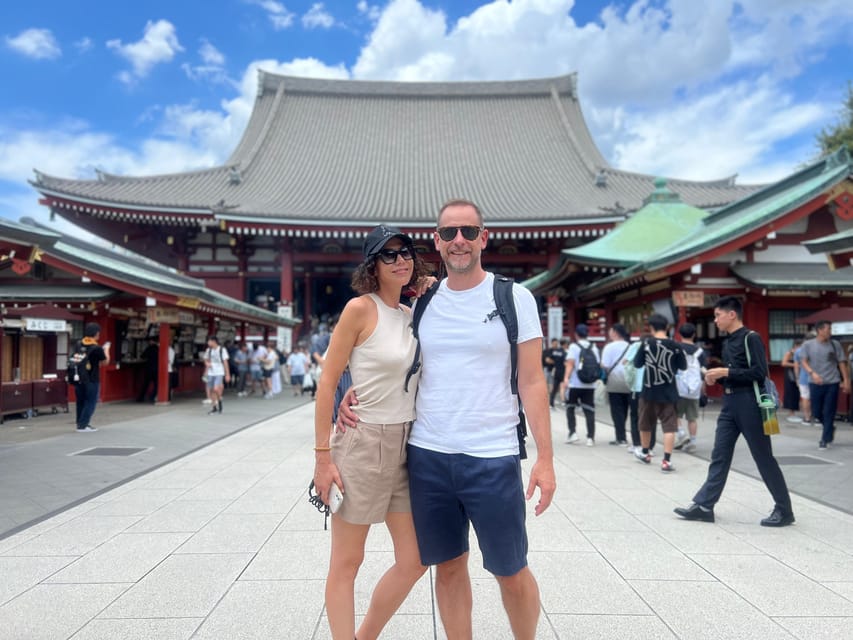
The highlight list calls out the sacred forest of 100,000 trees, and that’s exactly the emotional payoff of Meiji Jingu. Even people who know Tokyo well often forget how quickly the city disappears once you’re inside this kind of green enclosure.
This tour’s value here is not just that you see the trees. It’s the guided timing. You get to this section with enough context to notice details, and you’re still energized, not exhausted from a long day of sightseeing.
Reviews also suggest that early timing can bring extra peace and stillness. Since this is a 2-hour activity with set starting times, your best move is to pick a time that fits your day. If you want the calmest experience, an earlier start usually helps.
Practical drawback: since it’s outdoors, bring a small rain plan. One guest mentioned heavy rain in their experience, and the tours still continued. You’ll be happier if you’re prepared.
How the photos work, and how to make sure you actually get good ones
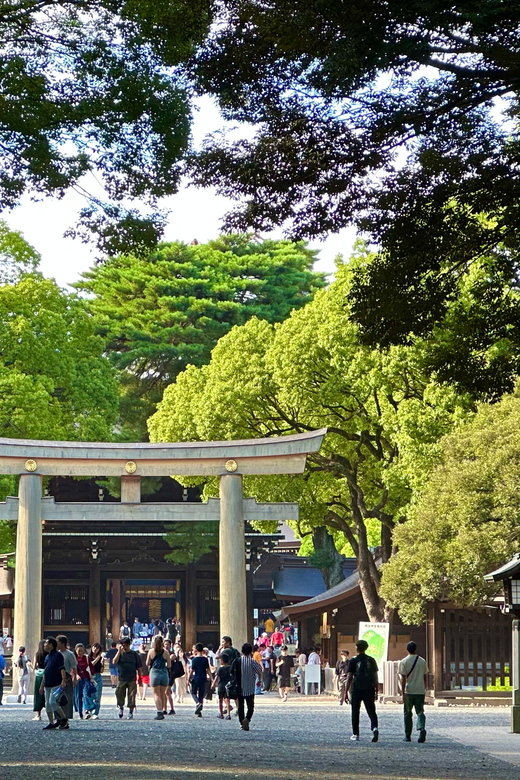
The tour includes photos taken during the tour, which means you get people pictures without playing photographer for your whole group. That’s underrated in Japan. Many visitors end up with great shrine shots but zero shots of themselves there. This structure helps you avoid that.
To get the best results, cooperate with the guide flow. If the guide suggests a spot or angle, take the photo where they point. Shrine photography has its own rhythms. Too many people stand randomly and block the line of travel, or they hold their camera up while missing the explanation that would make the photo more meaningful.
Also, if you’re traveling with kids, reviews mention guides keeping them engaged during explanations. That’s another reason photos matter. Kids can get restless, so short photo moments help everyone reset.
Value check: why $19 for 2 hours can actually be a good deal
At $19 per person for 2 hours, this is priced like a cultural primer rather than a long premium tour. And that’s exactly how I’d judge it: not as a miracle bargain, but as smart value if you want the context and the etiquette without spending half a day.
You get several things bundled:
- A professional English-speaking guide
- Guided time at Meiji Jingu Gyoen
- Guided time at key shrine elements like the torii and consecrated barrels
- Entry or admission to Meiji Shrine and Meiji Shrine Imperial Garden
- Photos taken during the tour
When you compare that to the cost of admission plus paying someone to explain the symbolism, the math is usually in your favor, especially if you’re new to Tokyo and want a clean start.
The biggest “value” driver is the guide. Reviews consistently mention strong communication and lots of question time, including names like Maya, Minori, Nicholas, Hoshi, Naruto, Yota, and Andres. If you get a guide who matches your curiosity level, the same two hours can feel like double the learning.
Who this tour is best for (and who should pass)
This tour fits best if:
- You want a structured introduction to Shinto at Meiji Jingu
- You care about etiquette and don’t want to guess in sacred spaces
- You want more than a quick drive-by photo stop
- You enjoy walking when it’s calm and scenic
It may not be the right fit if:
- You want to spend a long time praying or writing personal offerings, with no attention to timing
- You prefer a self-guided pace and don’t want a route
- You’re extremely time constrained and only want a single photo stop
Also, if you’re a big fan of solo wandering, you can still enjoy Meiji Jingu on your own. But this tour is designed to remove confusion and help you understand the “why” behind the “what.”
A quick plan for making the most of your day in Tokyo
If this is your first Meiji Jingu experience, I suggest you treat it as a foundation stop, not a finale. After the tour, you can decide what you want to repeat based on what the guide pointed out. If you’re the type who loves a second look, you’ll get more satisfaction from revisiting your favorite area on your own after the guided part ends.
If you’re pairing this with other neighborhoods, Harajuku is a natural companion. The tour’s start location makes it easy to turn the day into a mix of spiritual calm and street-level Tokyo energy.
Should you book the Meiji Jingu Shinto Culture Walking Tour?
Yes, if you want a simple, high-impact introduction to Shinto rituals at Tokyo’s most famous shrine setting. The combination of guided explanations, entry to the shrine and Imperial Garden, and photo help for $19 makes it a practical choice, especially for first-time Tokyo visitors.
I’d book it especially if you like asking questions and you want someone to translate what you’re looking at, from the torii approach to the consecrated sake and wine barrels. If you hate structured itineraries or you need lots of private time with zero schedule pressure, consider doing Meiji Jingu on your own instead.
If you do book it, aim for comfortable shoes, plan for outdoor time, and bring curiosity. This tour rewards people who slow down just enough to notice the details.
FAQ
Is this tour in English?
Yes. The tour is offered with an English-speaking live guide.
How long is the Meiji Jingu Shinto Culture Walking Tour?
The duration is 2 hours.
Where do I meet the tour guide?
You meet in front of the Starbucks Coffee closest to Meiji Shrine, listed as Starbucks Coffee – With Harajuku. The provided coordinates are 35.6705208, 139.7031067.
What is included in the tour price?
Included are a professional English-speaking guide, photos taken during the tour, historical insights, and entry or admission to Meiji Shrine and Meiji Shrine Imperial Garden.
Do I get to see Meiji Shrine and the Imperial Garden?
Yes. The tour includes admission to both Meiji Shrine and Meiji Shrine Imperial Garden, with guided time at the shrine grounds and Meiji Jingu Gyoen.
Is the tour wheelchair accessible?
Yes. The activity is listed as wheelchair accessible.
How much does it cost?
The price is $19 per person.
Is there free cancellation?
Yes. You can cancel up to 24 hours in advance for a full refund.
Can I reserve and pay later?
Yes. The listing offers reserve now and pay later.
How do I choose a start time?
The tour says you should check availability to see starting times.
More Walking Tours in Tokyo


More Tours in Tokyo


More Tour Reviews in Tokyo
Not for you? Here's more nearby things to do in Tokyo we have reviewed












Meiji Shrine Tours, side by side.
 ★ 4.7Meiji Shrine, Asakusa, Skytree Bus Tour and CruiseFrom $1221,986 reviews
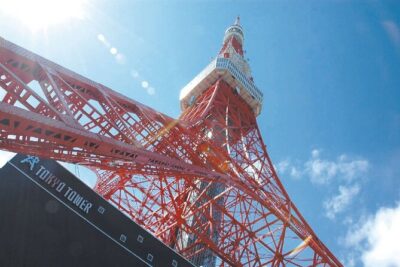 ★ 4.5Tokyo Panoramic 1 Day: Meiji Shrine, Asakusa, Odaiba and SKYTREE®From $851,222 reviews
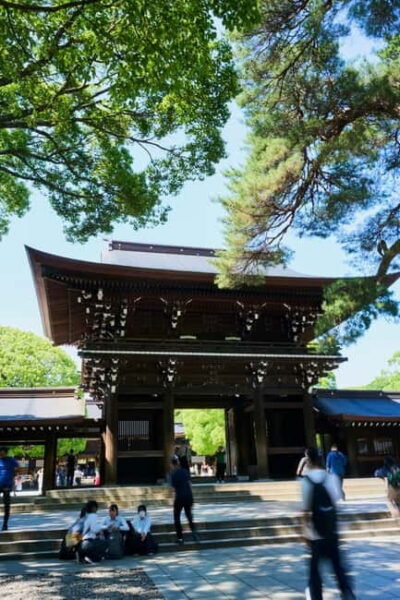 ★ 4.9Meiji Shrine Walking Tour — Shinto & Imperial SystemFrom $23266 reviews
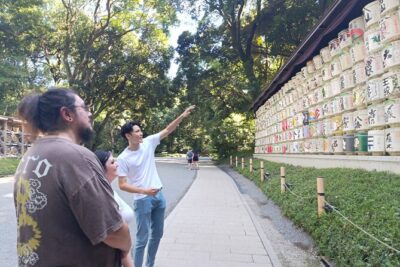 ★ 5.0Meiji Shrine and Shinto Culture Walking TourFrom $18225 reviews
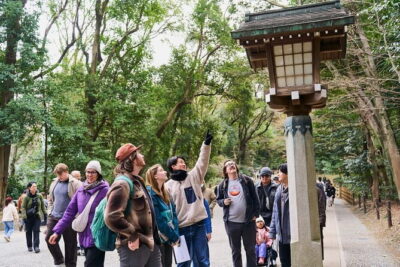 ★ 5.0Meiji Shrine Walking Tour — Shintoism & Imperial SystemFrom $21209 reviews
 ★ 5.0Tokyo Morning Tour : Meiji Shrine, Asakusa and Fish MarketFrom $72102 reviews
 ★ 5.0Full Tokyo: Meiji Shrine, Imperial Palace, Asakusa & SkytreeFrom $3978 reviews
 ★ 5.0Tokyo Early Morning Tour Asakusa Meiji Shrine (Private Opt)From $5969 reviews
This tour also belongs to