
Review · TOKYO CITY TOURS
Tokyo: Open Top Panoramic Sightseeing Bus with Audio Guide
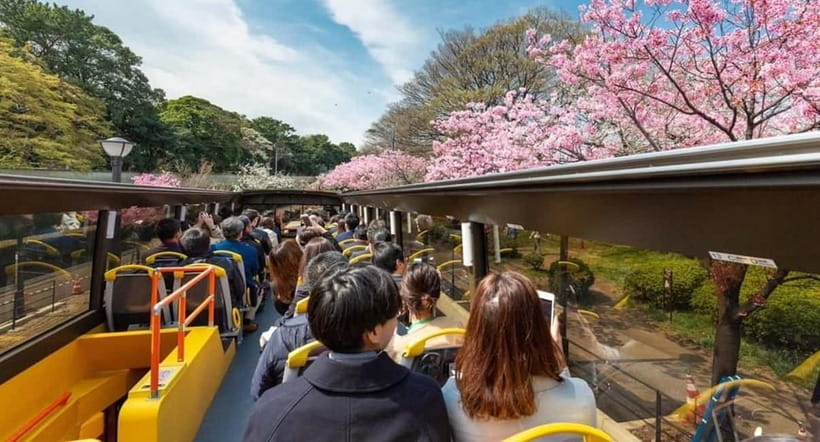
Tokyo clicks into place fast. This open-top panoramic bus gives you a simple loop through major sights, with GPS audio in several languages. I especially liked the easy landmark coverage for a first day, and the GPS-triggered audio that keeps the ride from feeling like dead time. One thing to plan for: the seats are tight, and if it is cold or rainy the open roof may be closed, which changes the experience.
Two route choices help you match your mood. The City Course leans classic center-city icons, while the Bay Course pushes you toward Tokyo Bay, Rainbow Bridge, and Odaiba. The buses run rain or shine, but you should dress for weather and expect you will mainly be getting views from the road, not a long walk-and-explore day.
Key Things I’d Remember Before Booking
- 70 minutes that cover a lot of Tokyo without you doing map math all day
- GPS-enabled audio in Japanese, English, Chinese, French, Korean, Vietnamese, and Thai
- Two scenic routes: City Course for historic and skyline stops, Bay Course for seaside and bridges
- Open-top fun, weather dependent (the roof can be closed in rain)
- Not a live tour: you get staff help, but the commentary is mostly audio
- Headphones are optional (100 yen) and your plug needs to be 3.5mm mini
Getting Your Bearings Fast With the Open-Top Perspective
Tokyo is huge. This bus helps you understand the shape of the city quickly. You start near Tokyo Station and spend the next hour-plus riding above street level, which makes it easier to connect neighborhoods you later want to explore on your own.
The open-top angle is the main draw. Even when the roof is partially closed, you still get that big-picture feeling of Tokyo spreading out. What makes it more useful is the GPS audio guide, which tracks where the bus is and plays the right information as you pass each landmark. That means you are not just hearing random trivia. You learn what you are actually looking at, in real time.
Price is another reason this works. At about $11 per person for a 70-minute route, it is one of the easier value plays in Tokyo. You are not paying for a private guide or a long guided walking tour. You are paying for transportation plus structured commentary that helps you place sights in context.
You can also read our reviews of more guided tours in Tokyo
City Course vs Bay Course: Pick the Mood, Not the Map
You have two 70-minute options, both with audio.
City Course is for classic Tokyo highlights in a tighter, more central sweep. It covers Tokyo Station, imperial-era landmarks, major parks and gardens, big entertainment and skyline areas, and ends in Ginza. If you want to feel the city’s core and see Tokyo Tower from the bus route, this is the better bet.
Bay Course is for maritime Tokyo. You still pass Tokyo Tower, but the route leans heavily into Tokyo Bay, Rainbow Bridge, Odaiba, and the waterfront vibe. If bridges and water views are your thing, this route is more satisfying.
Here is the practical way to decide: if you are only doing one bus ride, choose the one that matches your interests for the day. If you have two days in Tokyo, doing both can help you compare how Tokyo looks from inland streets versus the bay side. You will also get a sense of how Odaiba and Shiodome feel different from the older central neighborhoods.
City Course Stop by Stop: From Tokyo Station to Ginza
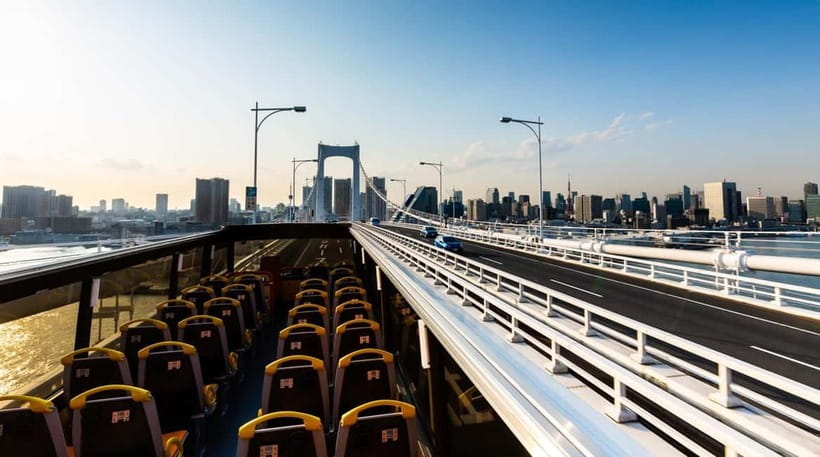
This is the route that most helps you understand central Tokyo at a glance.
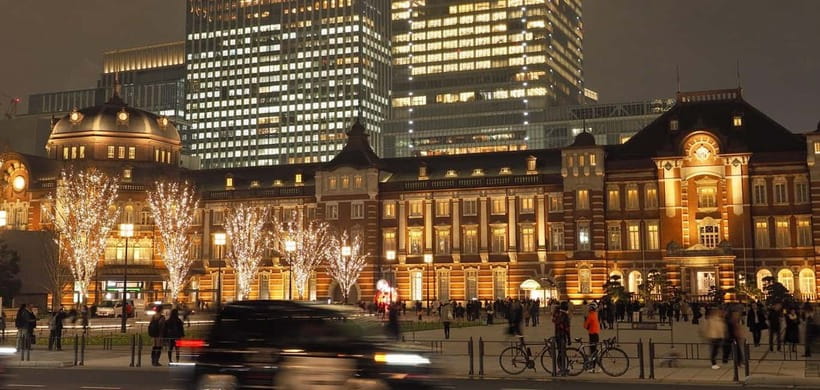
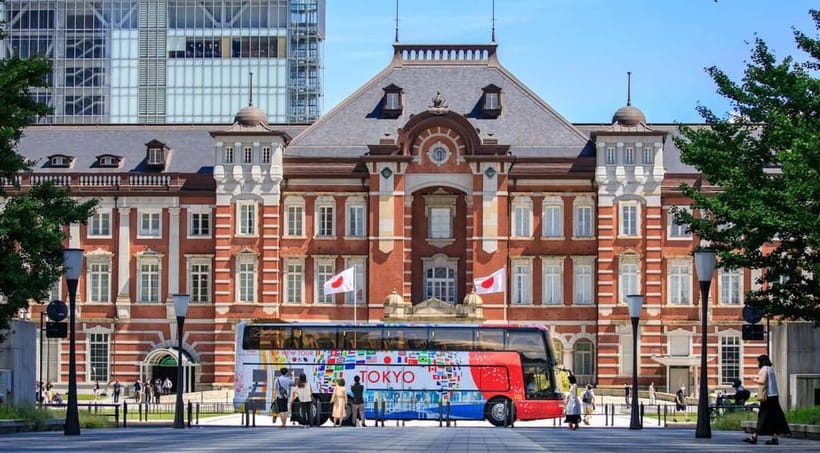
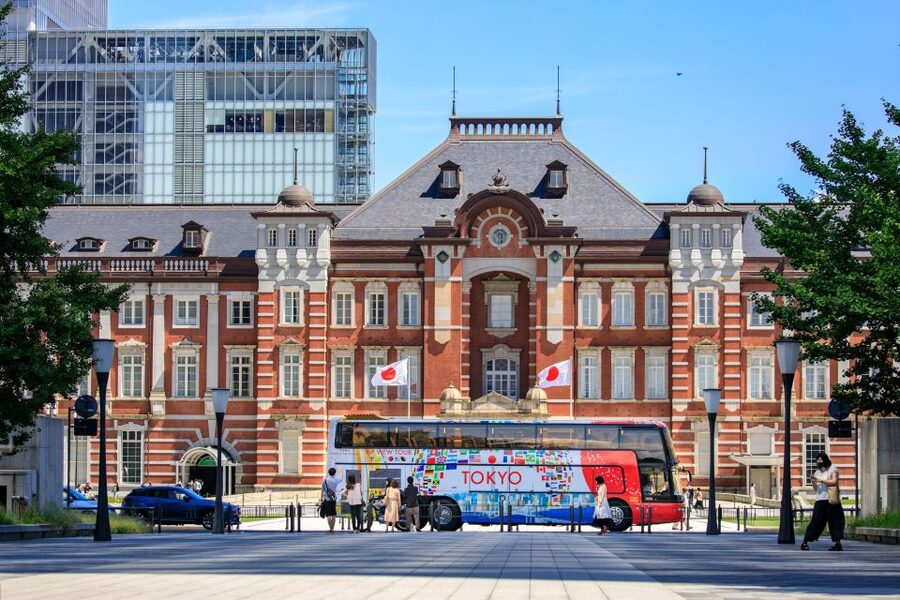
Tokyo Station Red Brick Station Building
You get a strong first visual right away. The red brick look is famous, and seeing it from the bus route helps you orient yourself because so many routes in Tokyo connect back around this area.
Marunouchi
This is where Tokyo feels businesslike and wide, with lots of grand street views. You are not getting out here, so think of it as a visual corridor that shows you the city’s “center layout.”
Chidorigafuchi
This stop is tied to scenery people connect with the seasons. From the bus, you will not be lingering, but the pass gives you a reference point for later if you want to walk around.
Akasaka State Guest House
From the road, you get a sense of the formality and scale of Tokyo’s government and diplomatic spaces. Even if you cannot go inside, seeing the setting is useful context when you read about Japanese politics and public architecture.
Meiji Jingu Gaien
This is one of those areas that signals the city’s cultural layers. You will likely only catch partial views, but it helps you understand where “green space plus city” lives in Tokyo.
Tokyo Midtown
You get a quick look at modern Tokyo’s lifestyle and shopping office mix. If you later want to browse at Midtown or nearby, this pass gives you a mental shortcut.
Roppongi
This is where Tokyo’s nightlife and international vibe show up. The bus views are brief, but they help you map Roppongi as a real district, not just a subway stop.
Tokyo Tower
This is a standout moment on the City Course. From the bus you can spot the tower against surrounding buildings, which is helpful because the tower looks different depending on where you stand.
Hibiya
Hibiya reads as a “transit and theater” kind of zone. Even without stopping, the pass is useful for later planning when you want shows or easy access to other areas.
Ginza
You end in Ginza, one of Tokyo’s best places to reward yourself after a tour. Even if you do not shop much, Ginza is great for night streets, department store energy, and good people-watching. The bus drops you where it is easy to keep moving by foot or train.
A small downside to keep in mind: because this is a bus ride, you will not get the slow, detailed look you might want at parks or architecture. It is best for big-picture orientation, not deep site time.
Bay Course Stop by Stop: Sea Views, Rainbow Bridge, and Odaiba
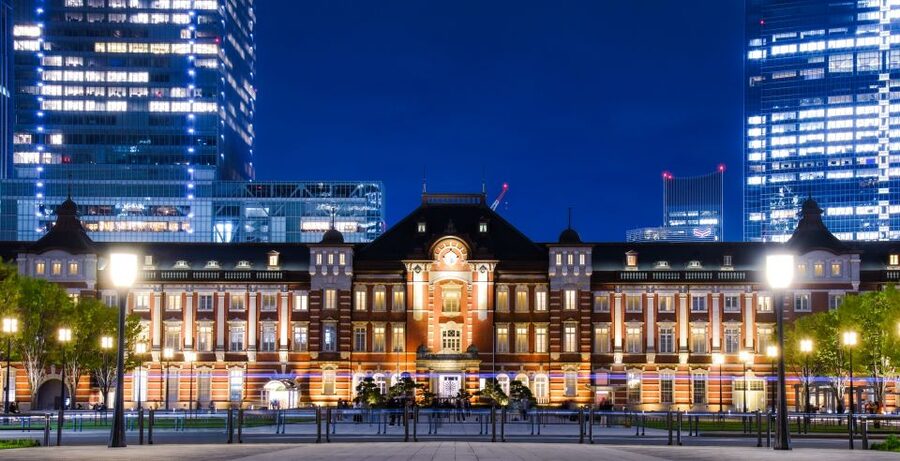
If City Course helps you map Tokyo’s center, Bay Course helps you understand its waterfront identity.
Tokyo Station Red Brick Station Building and Marunouchi
You start the same way, which makes it easy to compare both routes later in your trip. Marunouchi also sets you up before the views shift toward the water.
Zojoji Temple
This is a quick cultural pivot. Zojoji gives you a traditional Tokyo reference point before you reach the more modern, skyline-heavy stops. Seeing it from the road can still make you pause, because temples and towers share the same city frame.
Tokyo Tower
Another tower moment, and it often feels more dramatic from the bay-side angle route. Even if you have seen Tokyo Tower before, this is a good way to catch the tower within a broader city view.
Shibaura Rainbow Bridge (1st Level)
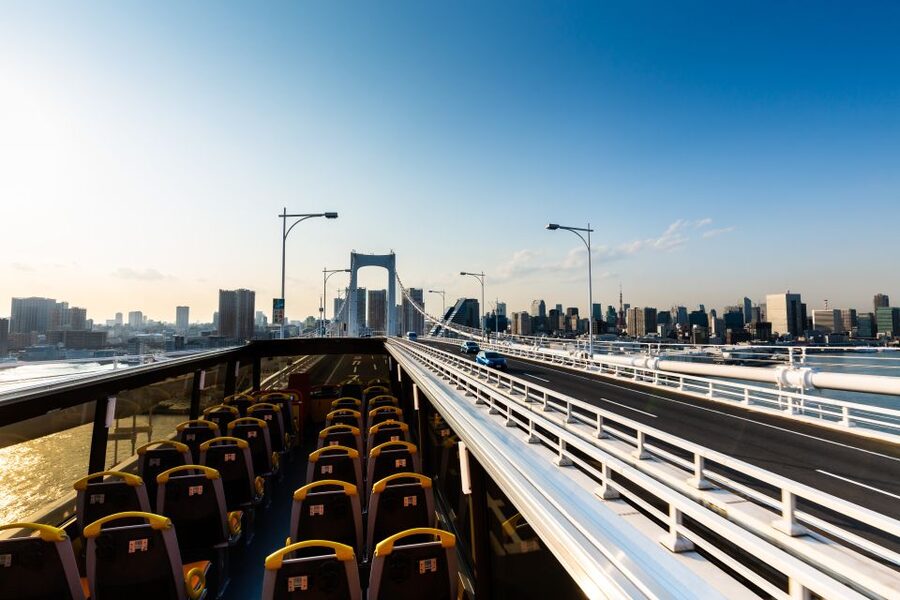
This is where Bay Course earns its keep. From the bus you get a view of the bridge structure and the way Tokyo Bay sits alongside the urban grid. It is a strong highlight, especially for photos if the roof situation is good.
Fuji TV Building
A recognizable modern landmark. You do not need to know the building name to appreciate the visual punch. It is a good example of how Tokyo mixes media, business, and signature architecture.
Statue of Liberty
This is a local landmark moment that surprises people who expect Tokyo to be only traditional. The bus pass gives you a clear point of reference for Odaiba-area plans later.
Odaiba Seaside Park
You get a coastal-feeling break in the route. Even without a long stop, this is the part of the day that makes the “sea side Tokyo” idea feel real.
Rainbow Bridge (2nd Level)
Seeing Rainbow Bridge twice is a smart design. It helps you understand how the bridge looks from different angles and how the bay side connects districts.
Shiodome and Ginza
You finish back in central Tokyo. Shiodome gives you a modern skyline feel, then Ginza becomes the final reward area, with plenty of options for an easy dinner after the ride.
Key consideration: because this route is built around waterfront views, weather matters more. If it is clear, you will enjoy the bay reflections and bridge shapes more. If it is rainy and the roof is closed, the experience becomes more about the audio and less about the open-air scenery.
The GPS Audio Guide: Helpful, But Bring Ear-Eye Control
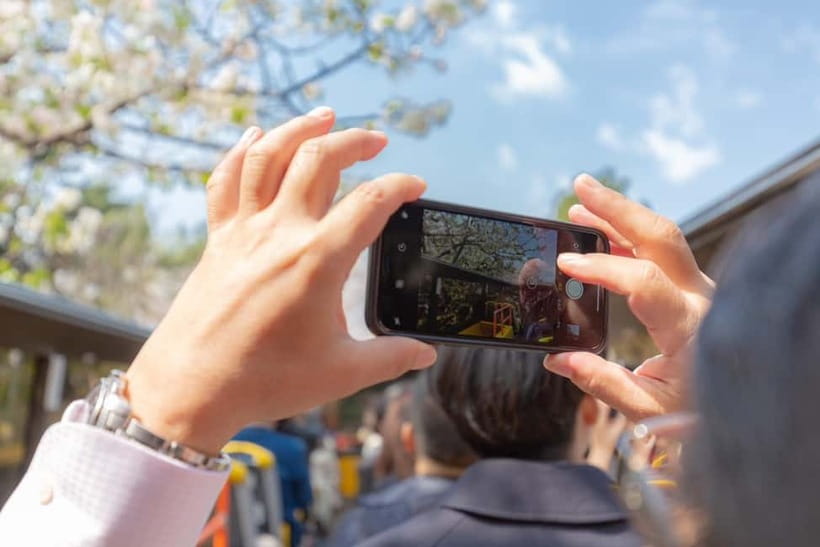
The audio guide system is one of the strongest reasons this tour is good value. It uses GPS to track the bus, and it automatically delivers the commentary you need based on where you are. It is available in multiple languages: Japanese, English, Chinese, French, Korean, Vietnamese, and Thai.
Practically, this matters because Tokyo landmark names can blend together fast. With GPS-triggered audio, you are less likely to miss the point of what you are seeing. You also get a smoother ride. Instead of staring out the window hoping you will recognize something, you get a running guide to context.
One thing to watch: the audio setup can include background music between announcement segments. Some people found the music too loud compared with the voice. If you are sensitive to that kind of sound mixing, you might prefer using earphones and keeping volume settings modest when the narration fades in and out.
Also note the tour does not position itself as a headphone-only experience. There can be other audio elements on top of your audio guide. If you are the kind of person who wants total quiet, you may find this annoying at times.
More Tokyo tours and experiences for the shortlist
Meeting Point Reality: Tokyo VIP Lounge Near Tokyo Station
This is where your day can start smoothly, or mildly frustratingly, depending on how early you arrive.
The meeting point is Tokyo VIP Lounge on the 2nd and 3rd floors. There is a FamilyMart on the ground floor. It is about a five-minute walk from Tokyo Station’s Yaesu North Exit.
You should check in 20 to 40 minutes early. The bus departs promptly as scheduled, and you cannot count on waiting if you are late or at the wrong spot. Because the meeting point is a paid facility, open-top bus customers can use the facilities for free starting 40 minutes before departure, and you may need to pay outside that window.
Another practical note: the lounge is a shared space with general users. That is fine, but it means you might not have a calm, private waiting room vibe. Some people noted the reception could feel cold at first. If that happens, stay focused on the timing, follow the staff directions, and get seated for departure.
Comfort and Weather: Open-Top Fun With Real-World Limits
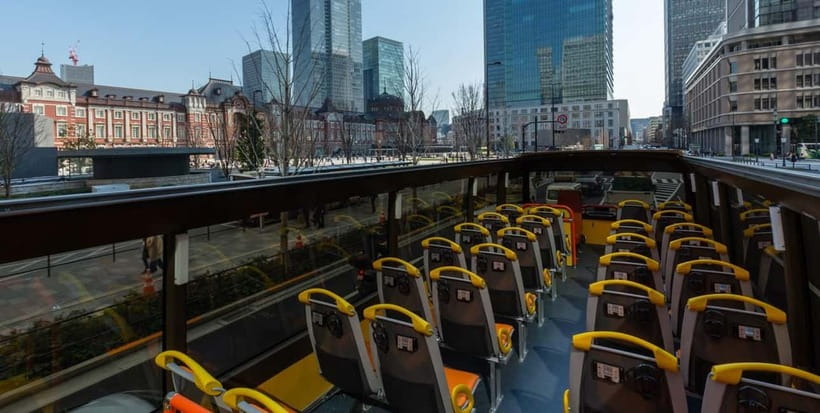
The open-top part is the headline. The reality is more like “open-top, depending on conditions.”
This tour runs rain or shine. However, the open top may be closed if it rains. That means your best plan is to dress for two scenarios: outdoor viewing and partial indoor-ish seating.
Comfort also comes up. Some people mentioned limited knee space. That is normal for city sightseeing buses, but if you are tall or you carry a large daypack, you will want to keep your bag small and your stance relaxed to avoid elbowing your neighbors or blocking your own legs.
Also remember the rules that protect the ride for everyone:
- no smoking
- no selfie sticks
- no food in the vehicle
- no umbrellas
If rain is possible, skip the umbrella idea. Look for a poncho or rain jacket instead, so you are not trying to stow an umbrella in a tight space.
Price and Value: Why $11 Works Here
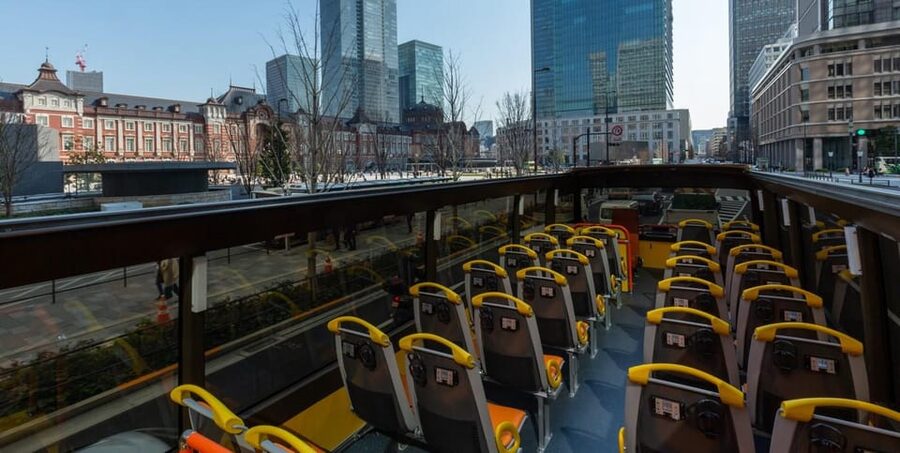
At roughly $11 per person for a 70-minute tour, you are paying for a high-coverage route plus a GPS audio system. You are not paying for a full live guide. And that is the trade.
Here is why it still feels good value:
- You get transportation across many districts.
- You get structured audio context for major landmarks.
- You end in central areas with easy onward transit options.
- You get two route styles, City for center Tokyo, Bay for waterfront Tokyo.
What can lower the perceived value for some people is the mix of audio elements. If the background music between segments distracts you, or if you prefer silence, you may feel less of the “effortless guidance” you expect. Also, if you come in hoping for frequent stops and photo time, this is a ride, not a walking tour.
Headphones are optional. They cost 100 yen, and the headphone jack supports 3.5mm mini plugs only. If you forget your adapter or you do not have wired headphones, you can still buy headphones at the meeting point area, but it is an extra step.
Who This Tour Suits Best (And Who Should Skip It)
This bus is a strong match for:
- first-time Tokyo visitors who want orientation fast
- anyone with limited time who still wants a classic landmark hit list
- travelers who like learning in small chunks while sitting down
- people who want views without planning multiple train transfers
It might be less ideal if:
- you strongly dislike background music during audio commentary
- you are tall and sensitive to tight seating
- you want lots of walking time and photo stops
- you are coming specifically for a quiet, meditative sightseeing vibe
The good news is, even with those caveats, you still get a practical payoff. You will leave understanding how Tokyo Tower, Ginza, Odaiba, Rainbow Bridge, and the city center connect.
Should You Book This Open-Top Bus?
If you want an easy first-day win, this is an easy yes. The routes are designed for landmark coverage, the GPS audio helps you connect sights to context, and the price is low enough that it feels safe even if you end up taking it as a “get my bearings” ride.
Book it when you can see the route as a planning tool. You use the bus to learn what you want to return to later. If you expect a long guide-led walking experience or a quiet soundtrack-free ride, then temper expectations and bring your own headphones.
If you do one bus in Tokyo, I’d pick the one that matches your top wish, bridges and bay views for Bay Course, classic center landmarks for City Course. Either way, you will get a cleaner start to the rest of your trip.
FAQ
How long is the Tokyo open-top panoramic bus tour?
The tour duration is 70 minutes.
How much does it cost?
The price is listed as $11 per person.
Where do I meet the bus?
The meeting point is Tokyo VIP Lounge on the 2nd and 3rd floors of the building, with FamilyMart on the ground floor. It is about a 5-minute walk from Tokyo Station’s Yaesu North Exit.
What are the available routes?
There are two 70-minute routes with audio: the Bay Course and the City Course.
Is headphones included?
No. Headphones are optional for 100 yen. The headphone jack supports 3.5mm mini plugs.
Does the tour have a live guide?
A live guide is not included. Japanese-speaking staff are available for assistance.
How early should I arrive?
Check in 20 to 40 minutes before the scheduled departure time for smooth boarding.
What languages does the audio guide support?
The GPS audio guide system is available in Japanese, English, Chinese, French, Korean, Vietnamese, and Thai.
Does the tour run in rain?
The tour operates rain or shine. If it rains, the open top may be closed, and cancellations happen only in extreme weather conditions such as typhoons.
What items are not allowed on the bus?
Smoking, selfie sticks, food in the vehicle, and umbrellas are not allowed.
More Self-Guided Tours in Tokyo

More Guided Tours in Tokyo
More Tour Reviews in Tokyo






Not for you? Here's more nearby things to do in Tokyo we have reviewed












Tokyo City Tours, side by side.
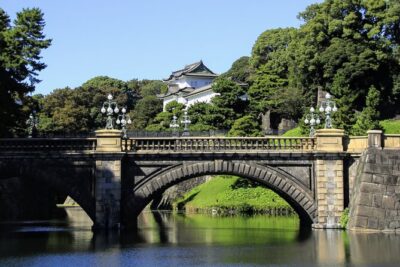 ★ 5.01-Day Tokyo Bus TourFrom $12914,250 reviews
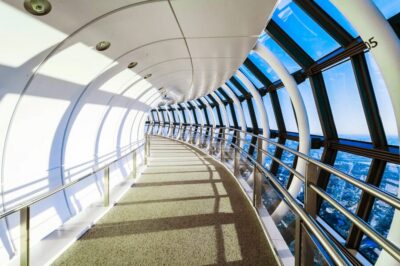 ★ 4.5TOKYO SKYTREE® Admission ticketFrom $1311,192 reviews
 ★ 4.6teamLab Planets TOKYO Digital Art Museum Entry TicketFrom $259,779 reviews
 ★ 4.0Mt Fuji & Hakone Cruise, Drum Show Bullet Train 1 Day from TokyoFrom $1497,413 reviews
 ★ 5.0Shinjuku Food Tour (13 Dishes at 4 Local Eateries)From $866,603 reviews
 ★ 4.4Tokyo Mt Fuji 5th St & Hakone Cruise Bus Tour w/Bullet TrainFrom $1545,024 reviews
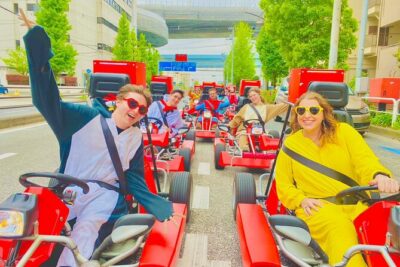 ★ 5.0Flagship 2-Hours Official Street Go-Kart Tour – Tokyo Bay ShopFrom $644,974 reviews
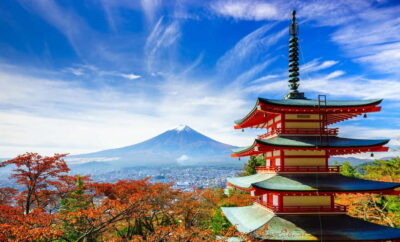 ★ 4.5From Tokyo: Mount Fuji Full-Day Sightseeing TripFrom $684,970 reviews
This tour also belongs to