
Review · TOKYO CITY TOURS
Tokyo: 60min Panoramic Open Top Bus Tour with Audio Guide
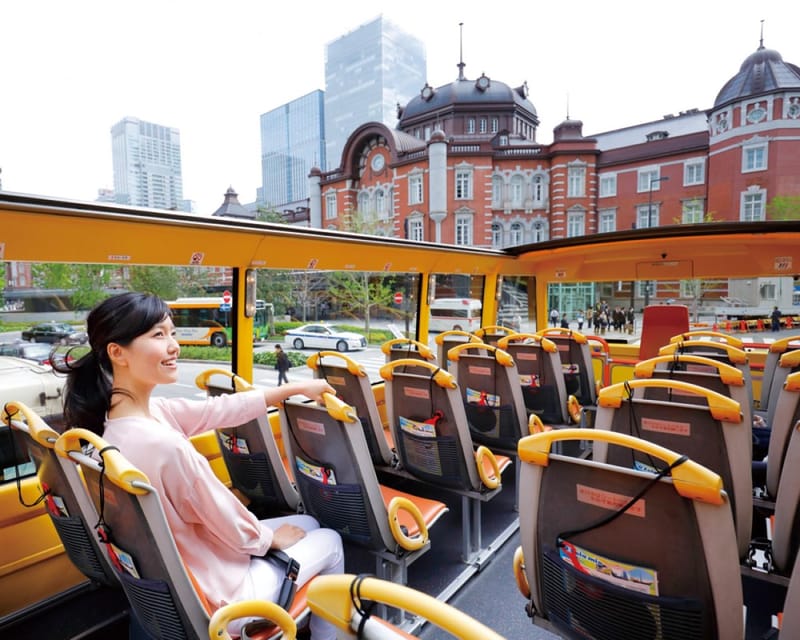
Tokyo can feel huge at first. This open-top bus tour gives you structure fast. You get unbroken panoramic views from a double-decker seat while the route threads together major landmarks, including the Tokyo Bay side.
What I like is the mix of sights in just one hour, without the stress of transfers. And the way the tour uses GPS automated guidance in eight languages helps you stay oriented as the bus rolls past places you already recognize, like Tokyo Tower and Ginza.
The main drawback to consider is weather. In rain, the roof may close and the tour can cancel if conditions are bad, which can shrink the whole open-air appeal.
Key highlights you should care about
- GPS automated guidance in 8 languages so you do not miss what you are seeing
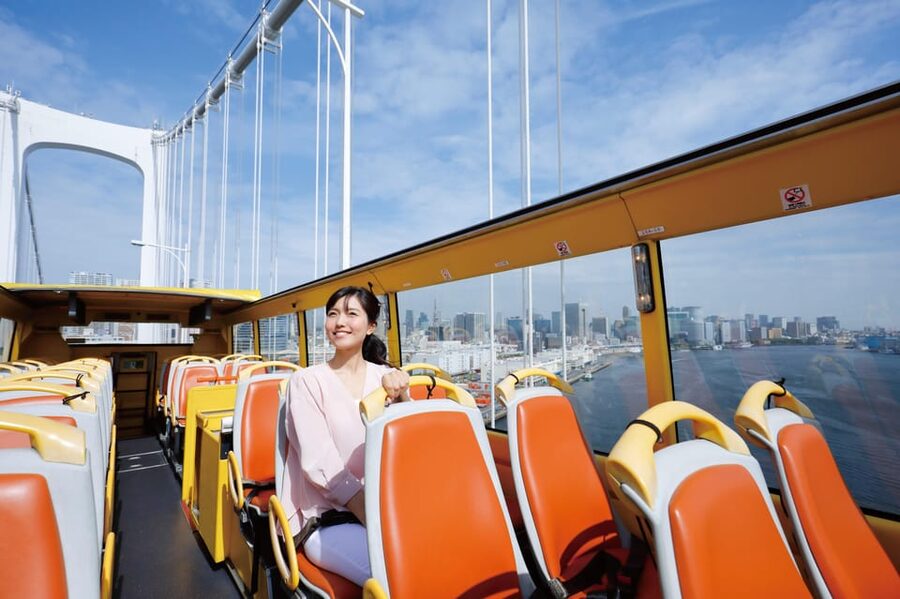
- Double-decker open-top views for skyline angles that are hard to recreate on foot
- A fixed route, not hop-on hop-off, which keeps the timing simple but limits lingering
- Rainbow Bridge and Tokyo Bay breeze, great for that classic Tokyo skyline moment
- Ginza, Tsukiji Outer Market area, and Kabuki-za in one loop for first-time orientation
A fast way to get your Tokyo bearings from Tokyo Station
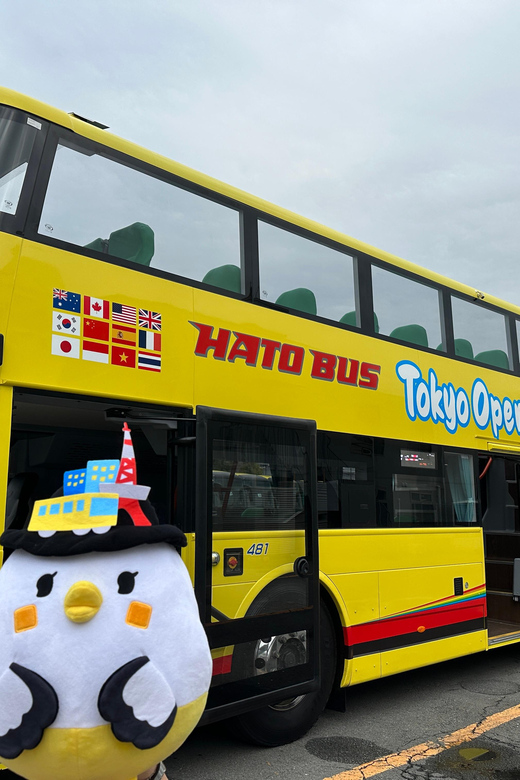
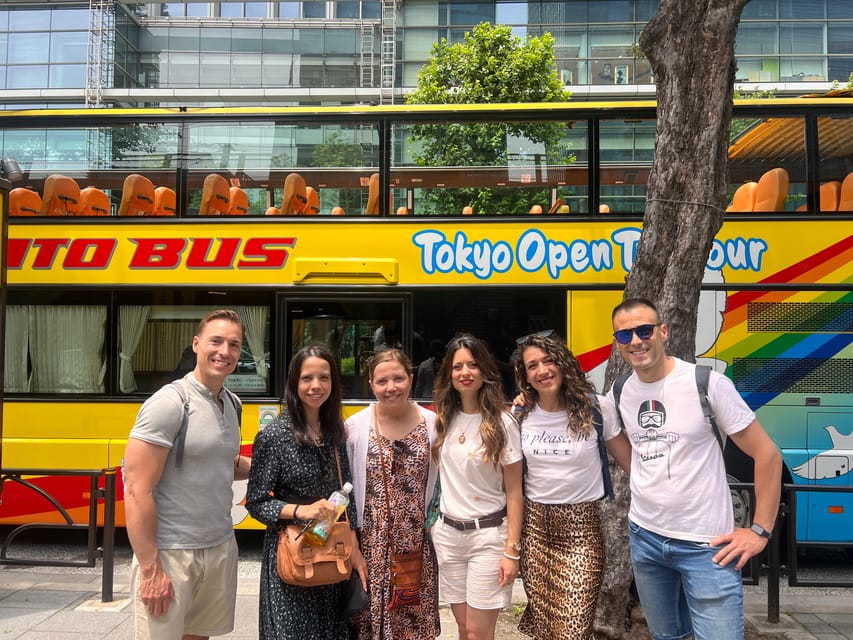
Starting at the Hato Bus stop near JR Tokyo Station Marunouchi South Exit is a smart move if you are short on time or still figuring out the city. Tokyo Station is one of the easiest hubs to reach, and the tour is built around that convenience. You meet at the yellow Hato Bus stop by the station, then head out on a single, continuous loop back to the same place.
Because the tour runs for 60 minutes and does not operate as hop-on hop-off, it is designed for getting a lot of visual context quickly. You trade flexibility for flow. For many first-timers, that is exactly what you want on day one: a moving “map” made of landmark views.
If you are the type who likes to plan neighborhoods the next day after you see where everything sits, this tour can do that job well. You come away knowing which directions the sights are in, even if you do not have time to explore them fully yet.
You can also read our reviews of more guided tours in Tokyo
Hato Bus stop timing and the route structure you should expect
This is a round-trip format, starting and ending at the Hato Bus Tokyo Office at Tokyo Station. The bus passes a long chain of areas in a steady order, which matters because you are not waiting around for stops or choosing when to get off. You sit, you watch, and the audio guide keeps telling you what you are looking at.
The loop includes:
- Hibiya Park
- National Diet Building
- Toranomon
- Tokyo Tower
- Rainbow Bridge (Tokyo Bay)
- Odaiba
- Toyosu
- Tsukiji Outer Market area
- Kabuki-za
- Ginza
That sequencing is useful. You start more central, move through government and office districts, then swing into the bay area, then come back through markets and theater streets, finishing in the bright retail glow of Ginza. It is a nice sweep of Tokyo’s “today” and “classic” scenes in one continuous ride.
Double-decker open-top views, and why that matters in Tokyo
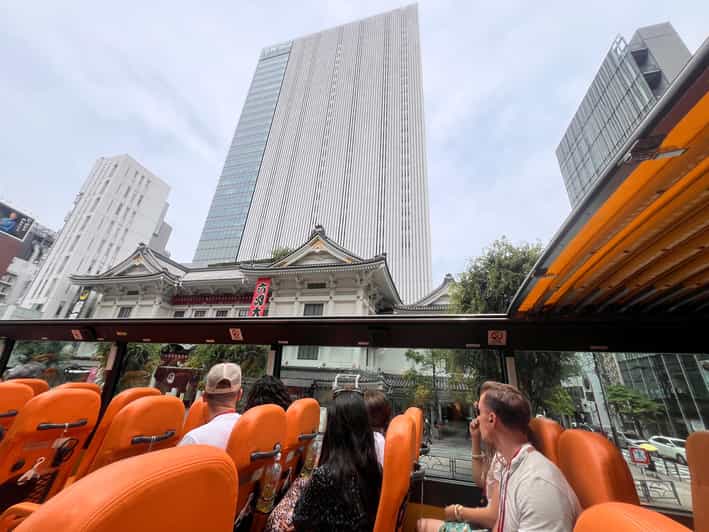
Tokyo is full of vertical structures. To see them properly, you need an elevated viewpoint and a wide field of vision. A double-decker open-top bus gives you both. On a normal street walk, buildings block your sightlines, and you spend a lot of time turning corners. On the bus, the motion keeps your eyes moving across the skyline without constant stops.
Also, the open-top part is not just for photos. You tend to notice the city’s “feel” more when you can actually feel wind and pass-by air. One of the highlights here is that you can catch the Tokyo breeze as the route approaches and crosses near the bay area and the Rainbow Bridge segment.
Practical note: in clear weather, this tour can feel like a moving lookout. In rain, the roof may be closed, and that changes the experience. Even then, you still get a guided overview, but it will not feel as airy as an open-top ride.
GPS automated guidance in 8 languages, plus a Japanese live guide
One reason this tour works well for many visitors is that it does not rely only on you reading signs. It uses GPS-based guidance in eight languages, including English, Chinese, Korean, Spanish, French, Thai, Indonesian, and Vietnamese. Along the way, the bus system helps you match the audio to what is outside your window.
You also get a Japanese-speaking guide on the bus. That matters if you have questions or if the group needs instruction. You should also plan to bring your own earphones, because the audio guide requires them.
One detail I find especially helpful is the requirement to use a smartphone that can work in Japan. GPS audio guidance and what you hear can depend on how the system is set up for your device experience. You are not renting GPS devices here, so having your phone ready reduces stress.
And if you are the kind of traveler who likes a little structure, the fact that the route is fixed and the narration keeps going means you are less likely to miss the landmark moments by getting distracted or lost.
The skyline and landmark run: Hibiya, the Diet Building, Toranomon, Tokyo Tower
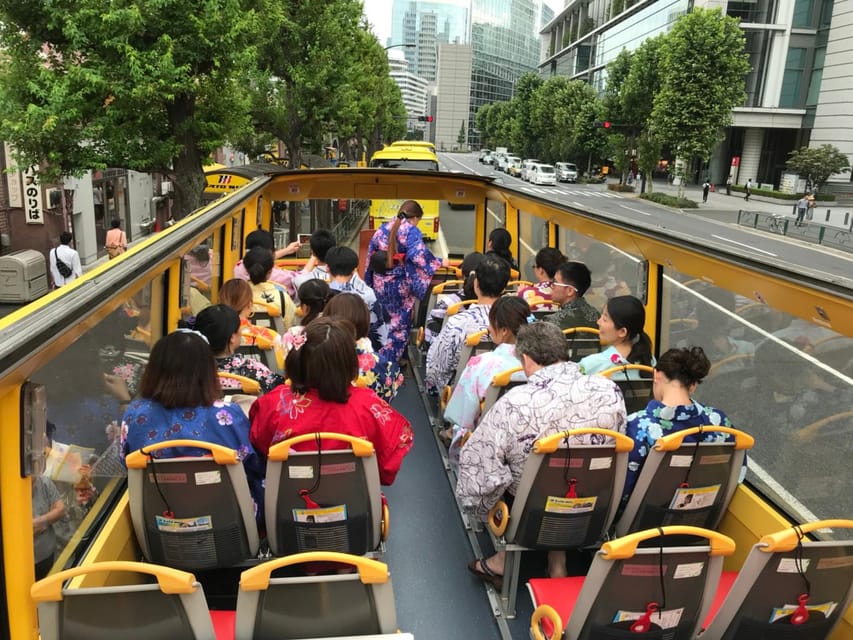
The tour starts with the Hibiya Park area, then moves into a stretch where you see Tokyo’s government and business cores. The National Diet Building pass-by is a good early anchor. Even if you are not a political-history person, this is one of those Tokyo structures that instantly makes you think, yes, this is the center.
Next comes Toranomon. This area often reads as office district energy from a distance, with modern building shapes that contrast with older-feeling streets. From a bus, you get a clean look at the mix.
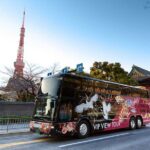
Then you hit Tokyo Tower. Tokyo Tower is one of the most recognizable landmarks on the planet, but seeing it from moving angles is the key. A common theme in feedback about this style of tour is that you can spot Tokyo Tower from different perspectives that are harder to line up on foot. You are not just staring at one front view. The bus positioning changes your angle as you pass, and the narration helps you know when you are seeing the landmark from a useful viewpoint.
If Tokyo Tower is on your must-see list, this is one of the more efficient ways to fit it into a first-day itinerary without committing to a longer visit.
More Tokyo tours and experiences for the shortlist

Rainbow Bridge and the bay side: the moment that feels like Tokyo

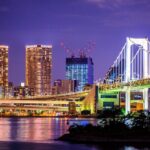
This is the segment that tends to feel most “Tokyo in movies,” because the scenery shifts once you reach the water. You pass Rainbow Bridge, then head toward Odaiba and the bay-connected areas.
Rainbow Bridge is a visual signal. It tells your brain you are leaving the dense central streets and entering the Tokyo Bay zone. From an open-top bus, you usually get a better sense of scale, because the bridge and the surrounding water offer wide visual space.
This part of the ride is also where you may feel the breeze the most. It is one of the highlights listed for a reason. Even if you are traveling in winter, a short open-air moment can make the city feel more alive.
Then Odaiba and Toyosu follow. Odaiba is known for being more “planned” in its skyline look, and Toyosu connects to the more modern, bay-side Tokyo vibe. You get a quick, guided overview rather than a deep stop-and-stare visit, but that can be ideal on a one-hour tour.
Tsukiji Outer Market, Kabuki-za, and Ginza in a single loop
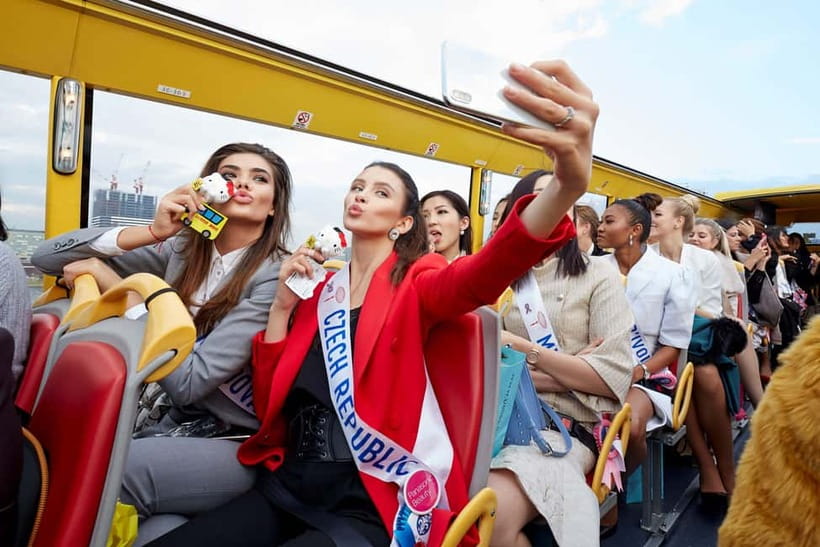
After the bay-side stretch, the tour swings back toward cultural and shopping areas.
Tsukiji Outer Market appears on the route, which is perfect timing for first-time orientation. Even if you do not get time for a full market wander, seeing this area from the bus window helps you understand why people connect Tsukiji with food culture. It sets up the next step: you can decide whether to come back later for a dedicated walk.
Next comes Kabuki-za, the theater district landmark. Passing by Kabuki-za helps you connect Tokyo’s entertainment identity with its street-level layout. The theater area is easier to “get” once you have a moving overview rather than trying to navigate streets cold.
Finally, you reach Ginza. Ginza is a fitting close to the route because it feels like the final flourish of Tokyo’s classic shopping and bright city lighting energy. On a one-hour loop, ending in Ginza gives you an easy next move: you can turn your bus experience into a shopping or snack stroll in the areas you just saw.
And because this tour returns to Tokyo Station, Ginza also works as a convenient mental bridge back toward train lines.
Comfort, rules, and what to do with your hands during the ride
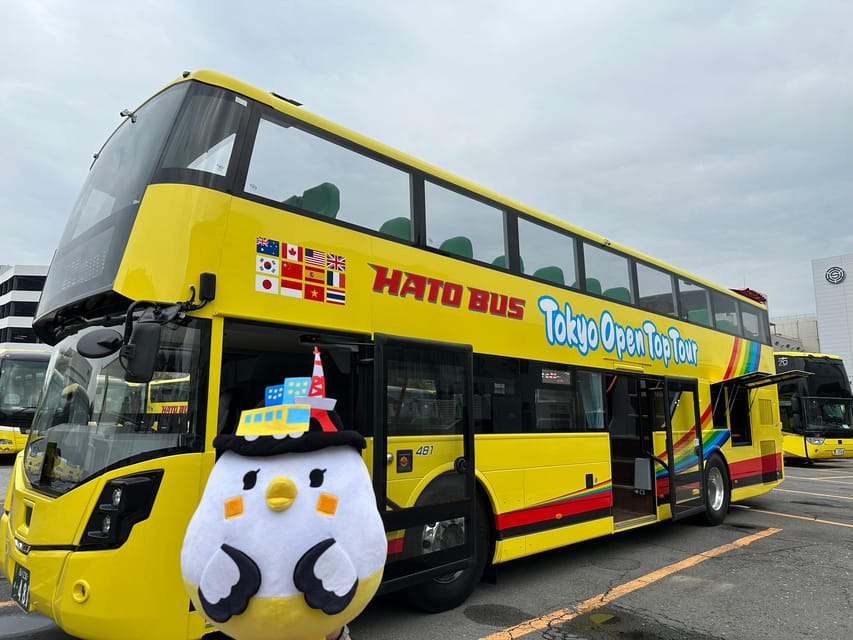
Comfort is mostly about expectations. You are on a bus, not in a private car. Seats are what they are. The good news is the duration stays one hour, so you are not trapped for half a day.
Also, eating is not allowed on the bus. Drinks in plastic bottles are permitted, which is useful if you want to stay hydrated during the ride. Think of this as a clean visual experience where you are focused on the outside, not passing food around.
If you want to make the most of photo time, keep your phone ready but avoid fiddling around too much at angles. The bus moves and landmark moments can pass quickly, especially on a skyline day when everyone wants the same shot. If you bring earphones and have the audio ready before departure, you will spend more time looking out and less time managing your gear.
Weather is the one variable that changes everything

This tour’s big strength is the open-top experience. So you should treat weather as the one real decision factor.
If rain hits, the roof may be closed, and the tour can be canceled due to bad weather. That does not make it pointless, but it does reduce the “open-air wow” factor. In heavy rain, the tour may not run at all.
If your Tokyo schedule is flexible, I recommend choosing a day where the forecast gives you your best shot at dry skies. When Tokyo is behaving, this tour can feel like a highlight reel of the city.
Value at around $14: who this one-hour loop is best for
At about $14 per person for a one-hour double-decker ride with audio guidance, the value comes from efficiency. This is not about replacing a walking day. It is about buying time.
You are paying for:
- A guided loop through multiple landmark zones
- Audio in eight languages plus a Japanese-speaking guide presence
- Elevated viewing from a bus that keeps moving
If you are on your first 24 to 48 hours in Tokyo, this can be a strong “orientation ticket.” It helps you learn the city’s shape without learning it the hard way through navigation.
This tour also suits you if you:
- Want something easy with a clear start and end
- Prefer sitting and looking over hopping between neighborhoods
- Like iconic landmarks like Tokyo Tower and Rainbow Bridge
It is less ideal if you want a slow travel style with lots of stops for photos, shopping, or long visits. Because you do not hop off, the experience is a view-first overview.
Quick itinerary walkthrough, segment by segment
Here is how the ride typically feels as it progresses, from first sight to final glow:
- Hibiya Park pass-by: a calm start that sets a more open-feeling tone before the dense city landmarks.
- National Diet Building pass-by: instant recognition value, central power-structure energy.
- Toranomon pass-by: business district perspective, modern shapes and city rhythm.
- Tokyo Tower pass-by: the landmark moment. Expect multiple angles as the bus moves.
- Rainbow Bridge and Tokyo Bay pass-by: the scenery opens up, and the breeze is part of the point.
- Odaiba and Toyosu pass-by: more contemporary bay-side Tokyo views, quick orientation without a long detour.
- Tsukiji Outer Market area pass-by: you get the food-culture context, then you can decide if you want to walk it later.
- Kabuki-za pass-by: theater district orientation, a cultural anchor.
- Ginza pass-by: the polished shopping finale before you head back toward Tokyo Station.
Should you book this open-top Tokyo bus tour?
Book it if you want a simple, high-impact first look at Tokyo’s major zones in just an hour. The GPS audio in eight languages and the uninterrupted double-decker views are the core strengths. Tokyo Tower from a moving perspective and the Rainbow Bridge bay segment are the two moments that make it feel like more than just “driving around.”
Skip or reconsider if open-air views are your top priority and your weather window is shaky. If rain is likely, the roof may close or the tour may cancel, and that knocks the tour’s main advantage down a notch.
If you are choosing one ticket to reduce uncertainty early in your trip, this is a solid pick.
FAQ
Where does the tour start and end?
The tour starts and ends at the Hato Bus Tokyo office near JR Tokyo Station Marunouchi South Exit. The Hato Bus stop is yellow and is about a 2-minute walk from the exit.
How long is the Tokyo open-top bus tour?
The duration is 1 hour.
Is this hop-on hop-off, or does the bus stay on the route?
This is not hop-on hop-off. It is a continuous route, and you stay on the bus for the full loop.
What languages are included for the audio guide?
The audio guide is included in Chinese, English, French, Indonesian, Korean, Spanish, Thai, and Vietnamese.
Do I need to bring earphones or a smartphone?
Yes. You should bring a smartphone that can be used in Japan and your own earphones. GPS devices and earphones are not provided for rental.
Are food and drinks allowed on the bus?
Eating is not allowed on the bus. Drinks in plastic bottles are permitted.
What happens if it rains?
In case of rain, the bus roof may be closed. The tour may be canceled due to bad weather or heavy rain.
More Guided Tours in Tokyo
More Tours in Tokyo




More Tour Reviews in Tokyo


Not for you? Here's more nearby things to do in Tokyo we have reviewed












Tokyo City Tours, side by side.
 ★ 5.01-Day Tokyo Bus TourFrom $12914,250 reviews
 ★ 4.5TOKYO SKYTREE® Admission ticketFrom $1311,192 reviews
 ★ 4.6teamLab Planets TOKYO Digital Art Museum Entry TicketFrom $259,779 reviews
 ★ 4.0Mt Fuji & Hakone Cruise, Drum Show Bullet Train 1 Day from TokyoFrom $1497,413 reviews
 ★ 5.0Shinjuku Food Tour (13 Dishes at 4 Local Eateries)From $866,603 reviews
 ★ 4.4Tokyo Mt Fuji 5th St & Hakone Cruise Bus Tour w/Bullet TrainFrom $1545,024 reviews
 ★ 5.0Flagship 2-Hours Official Street Go-Kart Tour – Tokyo Bay ShopFrom $644,974 reviews
 ★ 4.5From Tokyo: Mount Fuji Full-Day Sightseeing TripFrom $684,970 reviews
This tour also belongs to