
Review · TOKYO CITY TOURS
Tokyo Self-Guided Audio Tour
Tokyo is huge, so plan smart. This self-guided audio tour strings together 22 major stops from Meiji-Jingu to Odaiba, letting you pause for photos and rest without waiting for a group. What I like most is the freedom to control your pace. One drawback to consider is that you are doing the navigation, so you will want a bit of patience while you set up and find each map pin.
My second big win is the offline-friendly setup approach the guide describes, with SoundCloud access and an interactive map so you can jump between stops. You get private access links that stay valid for up to 6 days, and the audio comes as a single tour playlist plus individual attraction tracks. The other consideration is time planning, because Tokyo distances add up fast if you try to force all 22 stops in one stretch.
You can make it work if you treat it like a menu, not a sprint. The suggested total time is about 4 hours, but the audio schedule and stop timing are flexible, and you can split the route across multiple days if that’s your style.
Key things I found most helpful in this Tokyo audio experience
- Start and stop whenever you want, so you can linger at quieter spots or skip ahead when a line is long
- SoundCloud audio access via secure links, plus a map that points you to each stop’s track
- 22 attractions in one ordered route, with a mix of free entry sights and paid-entry highlights
- No need to stay online while sightseeing, according to the tour info, which helps on the move
- Private access links that are valid for up to 6 days after you receive them
How the Tokyo self-guided audio guide actually works
This tour runs on a simple system. Before your start time on your travel date, you receive an email with two links: one for the audio and one for an interactive map. The audio access is described as a secure SoundCloud web link, where you can play the full playlist or individual attraction guides. The map access is via Google My Maps, where each attraction has a pin tied to its audio track.
The practical upside is you do not need to search for each site or guess which track goes with which place. You click the map point, then play the matching audio. The tour also says you can use the audio without needing to stay online during the visit, which is a real benefit in a city where signal can be spotty.
Just be aware of the tradeoff. Because it is self-guided, you control the pacing and route. If you are the type who wants a guide to steer you door-to-door, you might find yourself doing extra setup on your phone. I recommend arriving with your links ready, even if you only do it once at a cafe near your first stop.
You can also read our reviews of more guided tours in Tokyo
Price and what you really get for $9
The price is $9.00 per person, and it is typically booked about 18 days in advance. That timing detail matters, because the tour is fast enough to sell out in some seasons. If you want to lock it in, grab it earlier rather than later.
What does $9 buy? You are paying for a guided audio package across 22 attractions, delivered via mobile links, not for paid museum entries or transit. Entry fees are not included for places that charge, and transportation is not included either. The value is in the structure: a themed route through Tokyo with short, site-based audio tracks and a map to connect everything.
If you visited Tokyo before, you may like that this route covers both classics and modern highlights without demanding you commit to one neighborhood all day. If it’s your first time, you get a way to build your own plan around major anchors like Meiji Jingu, Shibuya Crossing, Senso-ji, and Ueno Park.
Tokyo Station to the Imperial East Gardens: getting your bearings fast
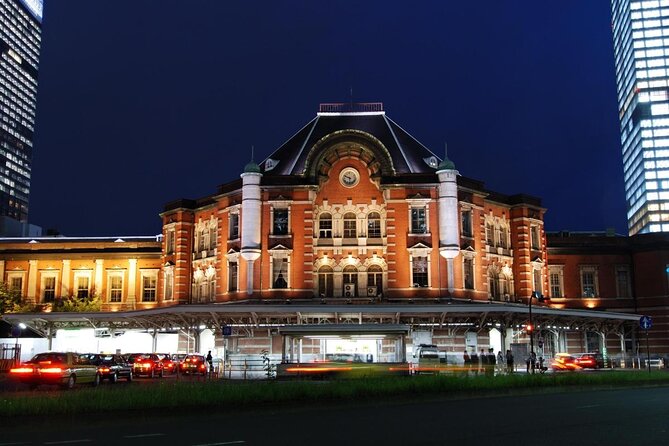
The route starts at Tokyo Central Railway Station. This is a strong first stop because it’s a historic rail hub and a visual landmark. The audio guide here focuses on the architecture and how rail became part of Japan’s modernization story. Since the station is a natural meetup point and transit magnet, it also reduces the stress of figuring out where to begin.
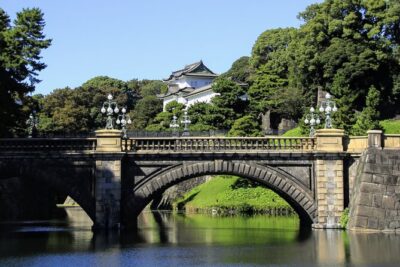
Next is The East Gardens of the Imperial Palace, Edo Castle Ruin. You get an atmosphere shift, from a major station to landscaped grounds tied to imperial history. The stop is suggested at about 10 minutes, but you could easily spend longer if the gardens feel like a good reset after commuting.
Practical tip: the audio format is “hit play, then enjoy for your chosen time.” So pick a realistic photo pace here. If you try to rush, the East Gardens will feel like a photo stop, not the calm buffer they are meant to be.
Chidorigafuchi and Yasukuni-jinja: scenic water, heavy context
Stop three is Chidorigafuchi, known for cherry blossoms in spring. The guide notes its role in feudal Japan’s defenses, which is a good reminder that pretty scenery often has layers. Admission here is listed as not included, so budget for any charges if they apply during your visit.
Stop four is Yasukuni-jinja Shrine, dedicated to Japan’s war dead. This is a controversial site, and the audio guide is designed to cover its complex history and cultural significance. This is the one stop in the route where I’d slow down and read the room. Go in with respect, keep your questions gentle, and let the audio give you the background before you form strong opinions.
If you want to keep your day balanced, treat this as a “mindful stop,” not a quick photo break. It only takes about 10 minutes in the suggested plan, but it may feel longer in a good way because the topic is weighty.
Shinjuku Gyoen and Tokyo’s government views: gardens and city scale
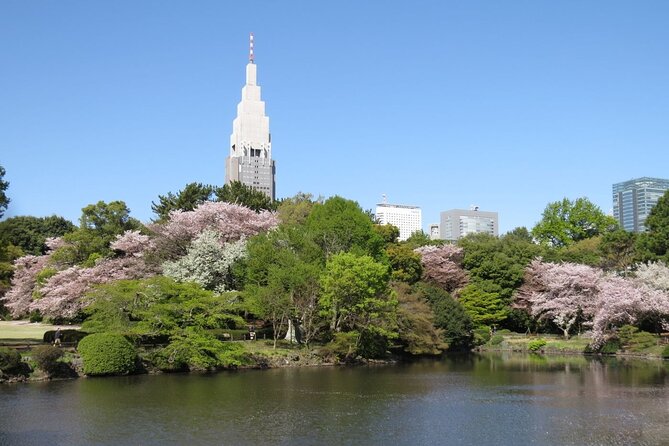
Stop five is Shinjuku Gyoen National Garden. The audio describes a blend of Japanese, French, and English garden styles, plus the garden’s imperial roots and postwar transformation. Admission is not included here, so check expectations before you go.
Stop six is the Tokyo Metropolitan Government Buildings. You’ll ascend for panoramic city views, with audio covering Tokyo’s governance and modern architecture. This is a practical move because Tokyo can feel confusing at street level, and viewpoints help you understand where things sit in relation to each other.
Two ways to enjoy these stops:
1) If you want quiet, use the garden.
2) If you want orientation and photos, use the observation decks.
If your day is running behind, it’s also a good pivot point. You can shorten the garden time, then still get the city overview from the government building views.
More Tokyo tours and experiences for the shortlist



Meiji Jingu to Shibuya Crossing: forest calm, then switch to speed
Stop seven is Meiji Jingu Shrine. The audio focuses on the forested grounds and the Shinto traditions connected to Emperor Meiji and Empress Shoken. Admission is free, which makes this a high-value stop for any budget.
Stop eight is Shibuya Crossing, described as one of the world’s busiest intersections. The guide explains how the area changed from a residential district into a fashion hub. This pairing is smart: shrine first for scale and meaning, then Shibuya for energy and modern Tokyo pulse.
Practical advice: Meiji Jingu can be a slow-feeling stroll, while Shibuya moves fast around you. I like doing a short shrine audio segment, then spending extra minutes walking the grounds. After that, let Shibuya be about watching and crossing streets on your own timing, with the audio acting like your background commentary.
National Art Center and Mori Art Museum in Roppongi
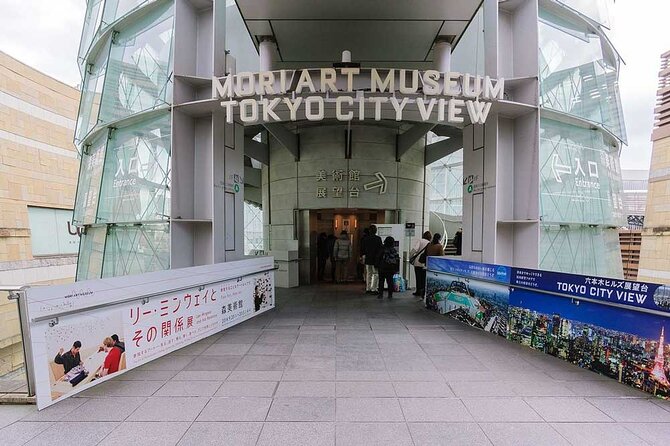
Stop nine is The National Art Center, Tokyo. The audio calls it an “empty museum,” likely pointing to how the space is used for rotating temporary exhibitions. Admission is free per the tour info, which is a nice surprise for a venue that often draws art crowds.
Stop ten is Mori Art Museum in Roppongi Hills. This one is ticketed, since admission is not included. The audio covers its role in Tokyo’s art scene and includes the payoff of city views.
Here’s how to make this section efficient. If you are not sure about the current exhibition lineup, you can treat the National Art Center as a low-cost entry point, then decide on the Mori Art Museum based on what’s on when you arrive. Because both are in the same broad area, you can compare the vibe without losing hours.
Tokyo Tower and Zojoji: a skyline contrast day
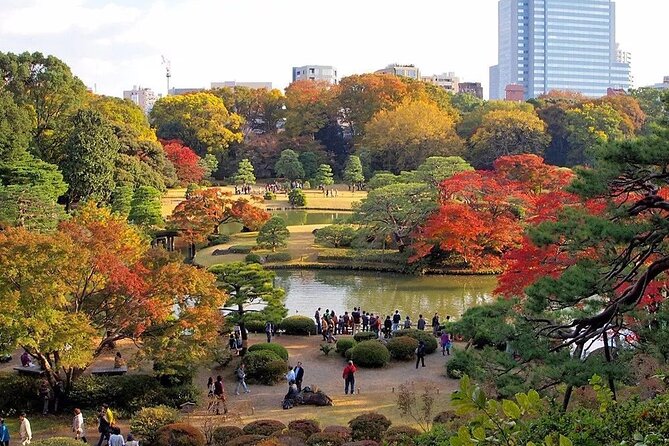
Stop eleven is Tokyo Tower, inspired by the Eiffel Tower. The audio touches on its construction and significance in post-war Japan, which gives the tower more meaning than just the view.
Stop twelve is Zojoji Temple. You get an ancient Buddhist temple next to modern Tokyo Tower energy. The audio links it to the Tokugawa shogunate, which is a great way to connect Tokyo Tower’s post-war story back to earlier power centers.
This is a strong duo for first-timers because it shows how Tokyo overlays eras. If you care about architecture or symbolism, this section can be extra satisfying even if you keep the audio time to the suggested 10 minutes.
Hama Rikyu to Rainbow Bridge to Odaiba
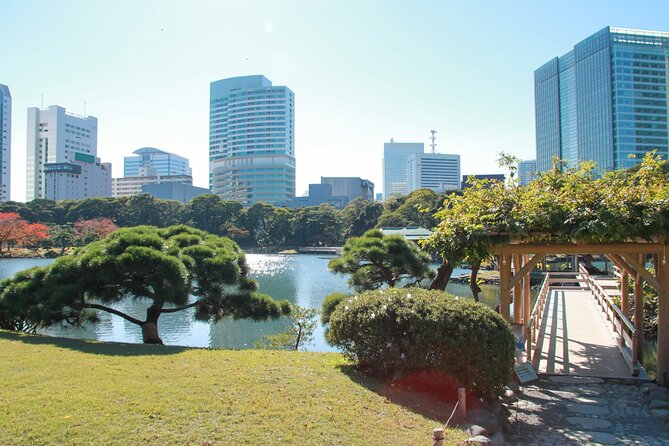
Stop thirteen is Hama Rikyu Gardens. It’s described as historic, with roots in a feudal lord’s residence, and it survived centuries of Tokyo change. Admission is not included.
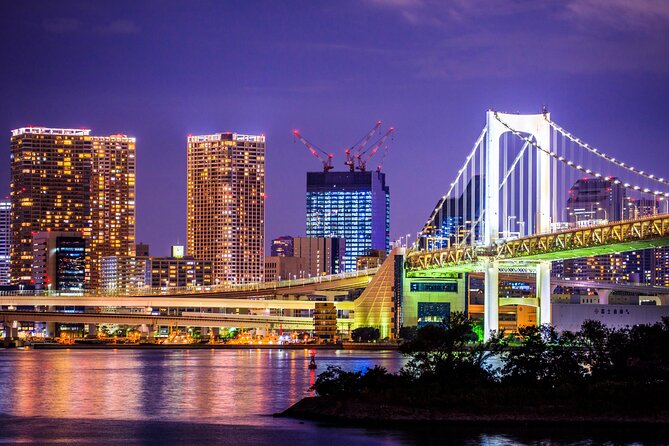
Stop fourteen is Rainbow Bridge, spanning Tokyo Bay. The audio covers how it was constructed and mentions its nightly illumination. That detail matters for timing. If you want the lights, plan your stop for later in the day.
Stop fifteen is Odaiba District, described as a futuristic entertainment area built on artificial islands. Admission is not included.
This is also where smart pacing helps. If you do all three back-to-back with a strict schedule, you may feel rushed. I’d do it like this: use Hama Rikyu as your calming start, then keep Rainbow Bridge flexible based on daylight, then use Odaiba as your “walk and explore” zone.
Skytree, Senso-ji, and Asakusa for classic Tokyo
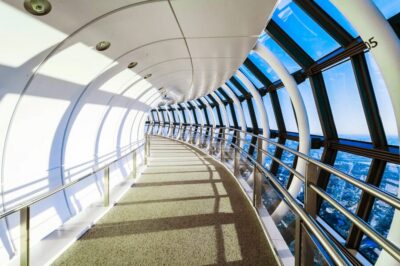
Stop sixteen is Tokyo Skytree, noted as the world’s tallest tower. The audio explains that the design takes inspiration from traditional Japanese aesthetics. Admission is not included.
Stop seventeen is Senso-ji Temple, described as Tokyo’s oldest temple. The audio covers the founding legend and why it mattered during Edo-period life. Admission is free.
Stop eighteen is Asakusa, where old Tokyo atmosphere lingers. The audio frames it as an area that shifted from entertainment district to cultural center.
This section works well if you mix big sights with street-level texture. Skytree is a height check, Senso-ji gives you meaning, and Asakusa gives you the human-scale experience around it. The route plan suggests 10 minutes per stop, but at Senso-ji and in Asakusa, you’ll probably want to extend your time because the streets tend to pull you in.
Ueno Park and three major museums: pick your focus
Stop nineteen is Tokyo National Museum, the oldest and largest museum in Japan according to the tour info. Admission is not included.
Stop twenty is National Museum of Nature and Science, with the audio set on natural world and technology advancements. Admission is not included.
Stop twenty-one is National Museum of Western Art, described as a Le Corbusier-designed building and noted as UNESCO World Heritage. Admission is not included.
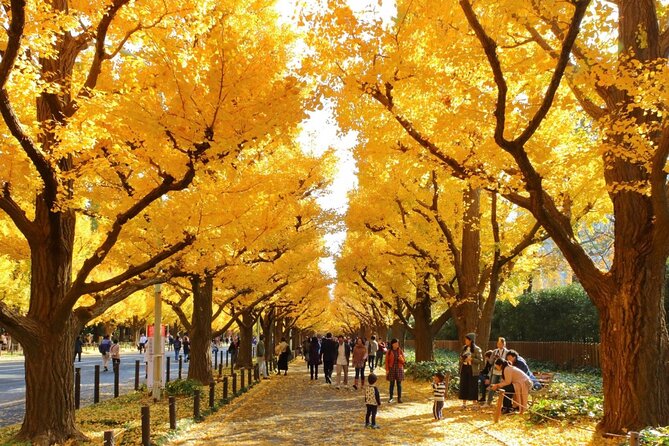
Stop twenty-two is Ueno Park, a popular public park with a mix of museums and big significance during cherry blossom season. Admission is free.
This is a smart design for a self-guided audio tour because it lets you choose your museum strategy. If you only want one museum, you can aim for the one that matches your interests most, then use the free time in Ueno Park to reset. If you have energy for more, you can rotate through two museums and still end with the park to stretch your legs.
Duration, distance, and how to avoid running late on Tokyo time
The tour is listed at 4 hours (approx.), with 10 minutes per stop in the suggested plan. That sounds simple until you remember Tokyo has traffic signals, subway changes, and walking time between neighborhoods.
The tour info also says you can split the experience across multiple days. That’s a big deal, because the route stretches from central rail landmarks to areas like Odaiba and Skytree, then back toward Asakusa and Ueno. If you try to hit every stop in a single day, you may spend more time traveling than listening.
Instead, treat the 4 hours as a guideline for a “fast audio day.” If you’re in Tokyo for multiple days, you’ll enjoy this more by doing part of the route one afternoon and the rest another day.
One more note: the tour says most travelers can participate and that it’s near public transportation. That helps, but it still puts the burden on you to make transit connections, since transportation is not included.
Should you book this Tokyo audio tour?
I’d book it if you want a budget-friendly, flexible way to cover a lot of Tokyo without being stuck in a group schedule. At $9 per person, you are not paying for museum tickets, and you are not paying for a guide to escort you. You are paying for an audio-driven route with a map, plus the ability to start and stop on your own.
You might skip it if you hate phone navigation or you want an in-person host. Because this is self-guided and depends on your ability to use the links and map, it’s not the best choice for travelers who want zero tech friction.
My practical middle-ground advice: before you head out, test both links from your device and confirm the audio plays. Then plan your “must-see” stops first, like Meiji Jingu and Senso-ji, and treat the other highlights as bonuses when your day allows.
FAQ
How much does the Tokyo self-guided audio tour cost?
It costs $9.00 per person.
How long is the tour, approximately?
The duration is listed as about 4 hours.
What do I need on my phone to use the audio guide?
You receive secure links by email: one for the audio guide on SoundCloud and one for an interactive map on Google My Maps.
Do I need to be online during the tour?
The tour description says you do not need to be online to use the audio tour.
Are entry fees included for attractions?
No. Entry fees are not included where required.
Are transportation or subway rides included?
No. Transportations (pick-up and drop-off) are not included.
Are there ticketed stops on the route?
Yes. Several stops list admission ticket as not included, including Chidorigafuchi, Shinjuku Gyoen National Garden, Mori Art Museum, Tokyo Tower, Hama Rikyu Gardens, Odaiba, Tokyo Skytree, Tokyo National Museum, National Museum of Nature and Science, and National Museum of Western Art.
When do I receive the access links?
On your selected travel date, before your starting time, you receive an email with the two access links.
Can I split the tour across multiple days?
Yes. The tour information says you can split the tour across multiple days if you want.
What happens if I cancel?
The experience is non-refundable and cannot be changed for any reason.
More Guided Tours in Tokyo


More Tours in Tokyo





More Tour Reviews in Tokyo


Not for you? Here's more nearby things to do in Tokyo we have reviewed












Tokyo City Tours, side by side.
 ★ 5.01-Day Tokyo Bus TourFrom $12914,250 reviews
 ★ 4.5TOKYO SKYTREE® Admission ticketFrom $1311,192 reviews
 ★ 4.6teamLab Planets TOKYO Digital Art Museum Entry TicketFrom $259,779 reviews
 ★ 4.0Mt Fuji & Hakone Cruise, Drum Show Bullet Train 1 Day from TokyoFrom $1497,413 reviews
 ★ 5.0Shinjuku Food Tour (13 Dishes at 4 Local Eateries)From $866,603 reviews
 ★ 4.4Tokyo Mt Fuji 5th St & Hakone Cruise Bus Tour w/Bullet TrainFrom $1545,024 reviews
 ★ 5.0Flagship 2-Hours Official Street Go-Kart Tour – Tokyo Bay ShopFrom $644,974 reviews
 ★ 4.5From Tokyo: Mount Fuji Full-Day Sightseeing TripFrom $684,970 reviews
This tour also belongs to