
Review · TOKYO SUMO EXPERIENCES
Tokyo: Sumo Morning Practice Viewing Tour at a Real Stable
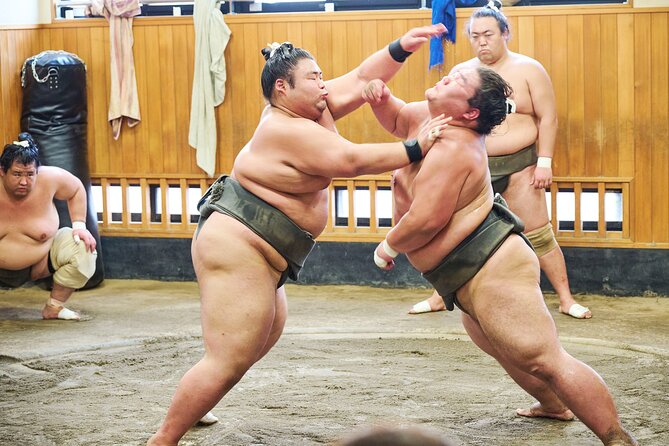
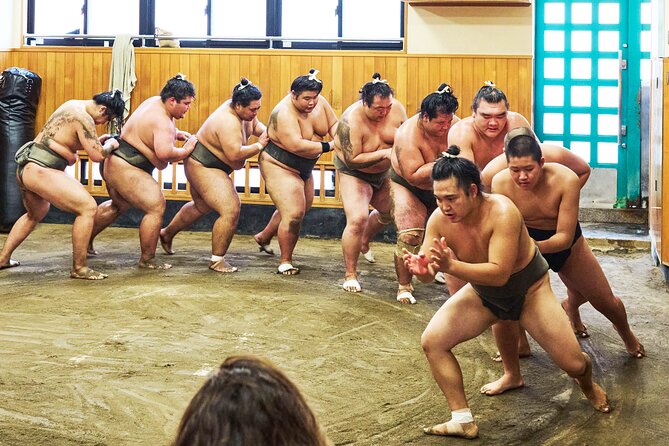
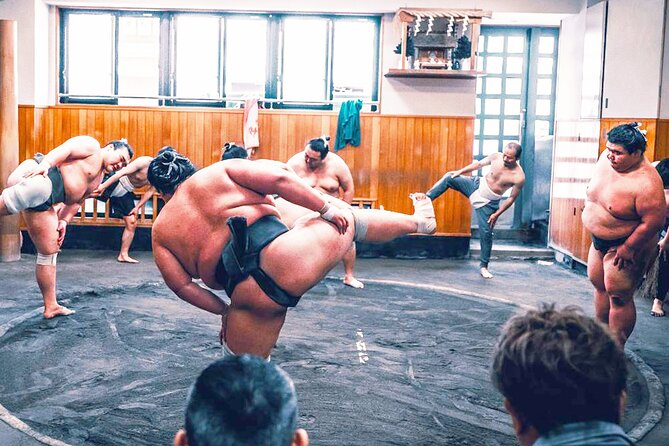
Sumo is loud with effort, even before the fighting starts. This Tokyo morning tour takes you into a real stable in the historic sumo area so you can watch training up close, understand the rules and rituals, and feel how serious the sport is. You start with an English briefing, then move into the training space where the intensity is right there.
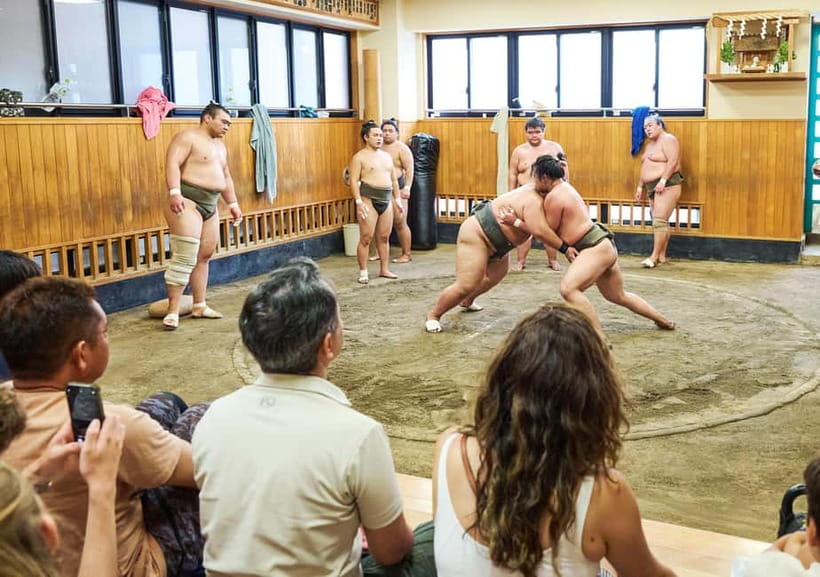
Two things I really like about this experience are the close-up viewing and the guided context. With guides like Mao and Kawa leading the explanations, you get clear, practical help turning what you see into something you understand, not random action. And because you’re visiting a working stable, wrestlers continue training with professional focus, which makes the whole visit feel genuine, not staged.
One possible drawback to plan around is timing and manners. You must stay for the full practice window, your phone should be silent, and you are expected to sit quietly and not stand or move around, plus late arrival can cut your entry time. If your morning is rushed, build in extra buffer.
Key Highlights You Should Know
- Real stable access: This is a workplace, not a performance arena.
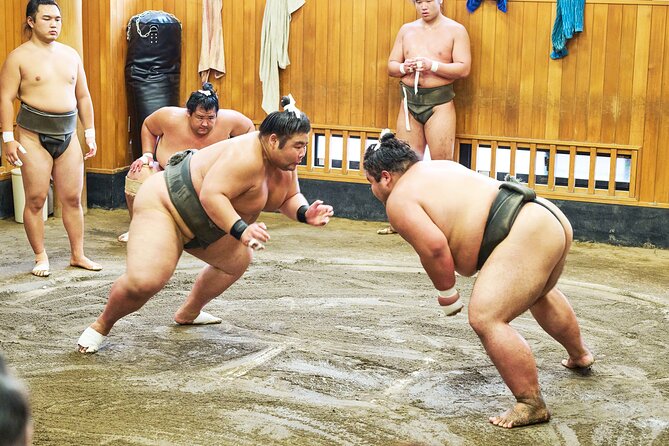
- Morning practice proximity: You sit close enough to see sweat, speed, and technique clearly.
- Guided sumo context: Guides explain rules and rituals before training begins.
- Rituals with meaning: You learn how Shinto beliefs connect to sumo behavior.
- Chance to speak with wrestlers: You can ask questions outside training hours.
- Strict etiquette: Modest clothing, silence, and no standing keeps the session respectful.
Why a Real Tokyo Sumo Stable Visit Feels Different Than a Show
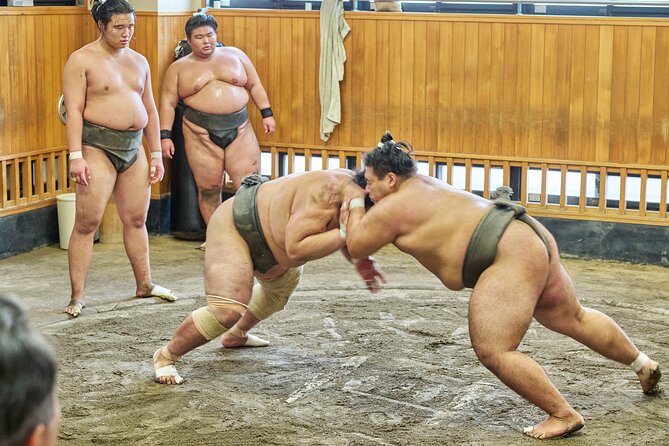
A sumo tournament on TV is big picture. A sumo morning practice is the opposite. In the stable, you’re watching work, not entertainment. That shift matters, because it changes what you notice. You see how wrestlers warm up, how they repeat moves, how they reset when something does not work, and how seriously everyone takes the routine.
This tour is valuable because you’re not just learning facts about sumo. You’re learning the rhythm of sumo life. The stable is where wrestlers live, eat, and dedicate their days to training. Even if you only stay for a couple of hours, you get a real sense of the discipline behind the sport: early mornings, short bursts of intense effort, and a culture where rituals are part of training, not decoration.
You’ll also get the kind of explanation that helps your eyes move faster. A good English guide like Mao, Yuki, Kawa, or Tomo typically gives you a clear overview before you enter, so you understand what matters in the ring and what you’re looking at when wrestlers press, test, and reposition. It is one of those rare cultural tours where the guide does not drown you in trivia. Instead, they help you notice the right things at the right time.
More Tokyo tours and experiences for the shortlist
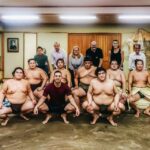

Getting There Early: Kiyosumi-Shirakawa Station and the 9:00 Practice Window
The meeting point is simple, but it is not the place to be casual about timing. Meet in front of Kiyosumi-Shirakawa Station, Exit A1, and look for your guide holding a sign that says Local Guide Stars. From there, you may take a train to the sumo stable.
Why the early planning matters: the practice itself runs around 09:00 to 10:00 AM, and you must stay until the end of the practice. Once you leave the stable, there is no re-entry. That means if your train is late or you arrive at the meeting point too close to departure, you can lose time and possibly not get into the stable as planned.
Here is the practical rule I’d follow: arrive with at least a 30-minute cushion. One of the most useful lessons from the experience is that late arrivals can shorten the time you actually spend at the stable. You do not want your once-a-year morning to turn into a quick peek because of a timing problem you could have prevented.
How to reach the station: you can use either the Toei Oedo Line or the Hanzomon Line. Keep that in mind if you are building an itinerary around other Tokyo stops. This is one tour where squeezing in breakfast right before you leave can become stressful.
Inside the Stable: What You Can and Cannot Do During Training
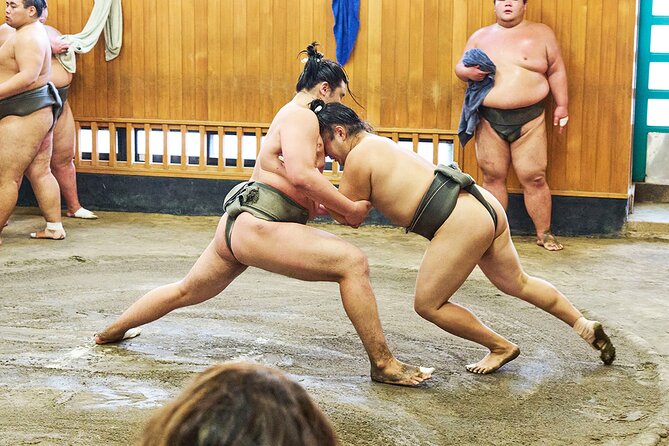
Your job inside the stable is mostly to be still and respectful. That sounds obvious, but sumo culture is built on space and focus. The stable is a place of work, so the rules are firm for a reason.
Here’s what you must plan for:
- Stay until the end of the practice (around 09:00 to 10:00 AM).
- Modest clothing only.
- Do not make noise.
- Phone on silent.
- Do not stand up or move around during the practice.
- Once you leave, there is no re-entry.
Add to that what experience notes suggest in real life: avoid eating or drinking during the session except water. Also, use restrooms before you enter the stable area, because your chance to step away is limited.
Even if you’re the type who likes taking photos, think of this as a viewing session, not a roaming photo walk. The wrestlers are working. The best outcomes come when you follow the stable’s flow: sit where you are told, watch what the guide points out, and let the session happen without interruption.
One more practical detail: the tour ending location can differ from the meeting place depending on the schedule. If you have a later plan, keep it flexible or check with your guide in advance.
Morning Practice Up Close: Rules, Rituals, and the Wrestling You Can Hear
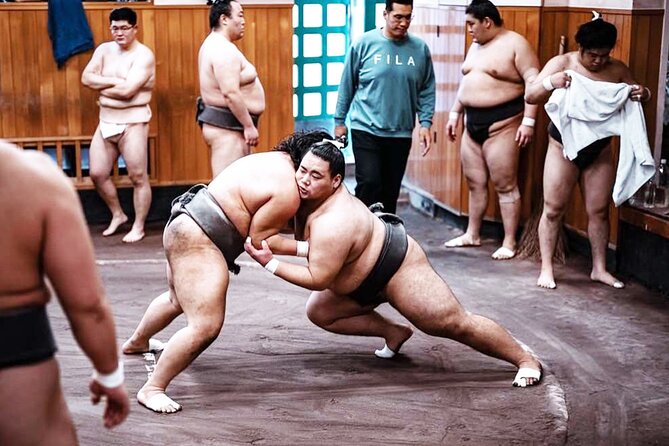
What surprises most first-time sumo fans is how much happens before any dramatic moment. Morning practice is about repetition and correction. Technique shows up in the smallest adjustments: foot placement, hand positions, posture, timing, and how wrestlers manage contact.
Because you sit close to the ring, you get more than visuals. Some guides make sure you understand the basics of how matches are decided: you win by forcing your opponent out of the ring or making any part of their body touch the ground. That gives your brain a target while you watch. Suddenly you are not just watching big bodies collide. You are tracking pressure, balance, leverage, and escape routes.
You also pick up the meaning behind the rituals. Sumo is rooted in ancient Shinto beliefs, and that shows up in behavior and ceremony as much as in fighting. The tour’s pre-practice explanations help you connect those dots, so when you see a ritual moment, it feels like part of the sport’s structure rather than random pageantry.
Then there is the physical reality. In close seating, you can often see and hear what is normally invisible from TV. You feel the slapping, the friction, the quick bursts of movement, and the way practice can look calm until it suddenly turns intense. One of the strongest praises from the experience is that the wrestlers do not treat the session like a show for visitors. They focus on training, and that makes the energy feel real.
Group size can also shape your experience. Some groups have been small, like 11 people, and others have been around 14. In smaller groups, the guide tends to manage the flow more smoothly, and you usually get better attention during the explanation portion. Either way, the key is your own conduct: quiet, seated, and ready to watch until the end.
Meet the Wrestlers, Ask Questions, and Learn the Sumo Life Behind the Sport
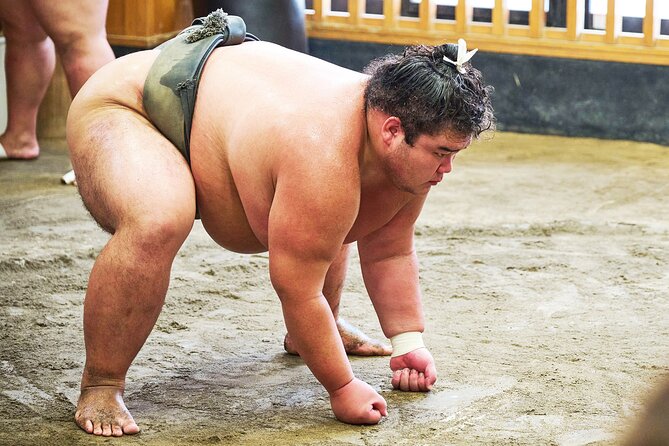
One of the best ways to understand sumo is to stop treating it like a single sport. It is also a lifestyle. The tour offers a chance to speak with wrestlers outside training hours, which gives you a different angle than the usual museum-style explanation.
Keep expectations realistic. Wrestlers training is their priority, so conversations are not long or casual. The value is in a few focused questions and the chance to hear perspective in plain human terms. Even short interactions can help you grasp why rituals matter, why discipline matters, and how tournaments shape daily training.
Some groups even report seeing very high-level wrestlers, including a yokozuna, depending on who is training and how the morning schedule lines up. If that happens for you, treat it as a bonus, not a guarantee.
And yes, you may get practical help from the guide during the explanation portion. Multiple guides, including Mao and Kawa in different sessions, are praised for clear English and patient answers. The best guides pace information so you do not feel overloaded right before you enter. You want your head to be ready to observe, not cluttered with twenty facts at once.
If you are the kind of person who likes asking why people do what they do, bring that curiosity. If you are nervous speaking in front of others, you can still ask simple questions. The stable environment encourages respect more than performance, which usually makes it easier than you might think.



Price and Logistics: Is $98 Worth Two Hours in a Real Stable?
At $98 per person for a roughly two-hour tour, the price is not cheap, especially if you are traveling on a tight budget. But it can be good value because the access is rare.
Why? You are not getting a generic “sumo basics” session. You are getting:
- Real stable access that is normally closed to the public.
- An English-speaking guide who explains rules and rituals before practice.
- Close viewing inside an actual training environment.
- A chance to speak with wrestlers outside training hours.
If you have ever done cultural tours that feel like a lecture with a quick photo stop, this feels different because most of your time is spent watching real training. That makes the experience more grounded. You leave with a clearer mental map of sumo than you would from casual explanations alone.
The logistics cost is time and planning. You must arrive on time, stay until the end of practice, follow strict etiquette, and accept that the session duration can run a bit shorter or longer than expected. If you treat the tour like a flexible stroll, you’ll feel frustrated. If you treat it like an early-morning appointment with a strict start, you’ll likely feel satisfied with your money’s worth.
In other words, pay the price if morning practice is your priority. Skip it if you want a relaxed, casual sightseeing rhythm.
Who This Sumo Morning Tour Is Best For (and Who Should Skip It)
This is best for you if you:
- Want an authentic, working-stable experience instead of a staged show.
- Like learning cultural context while you watch.
- Are okay with strict rules like quiet behavior and modest clothing.
- Can handle an early start without stress.
It is not suitable for children under 11. The stable rules, the sitting duration, and the requirement to stay until the end of practice all point to an experience designed for kids old enough to follow instructions calmly.
Also, consider how you handle constraints. If you need frequent breaks, struggle with sitting still, or prefer interactive, hands-on activities, this may feel too controlled. But if you enjoy watching craftsmanship in real time and you can respect a workplace environment, you’ll likely enjoy it a lot.
Should You Book This Tokyo Sumo Morning Practice Tour?
Book it if your goal is to understand sumo as a real discipline, not just a sport you watch on a screen. The combination of close viewing, strong English guidance, ritual explanations, and the chance to speak with wrestlers outside training hours makes it feel like a focused cultural experience.
Skip it if you:
- Hate strict etiquette.
- Cannot commit to staying for the full practice window.
- Are likely to arrive late due to tight timing or confusing transit.
My practical advice is simple. Treat this as the first stop on a serious morning. Show up early at Kiyosumi-Shirakawa Station Exit A1, be ready for a short train ride to the stable, and plan to watch quietly until practice ends around 09:00 to 10:00 AM. Do that, and the experience has a good chance to be one of the most real Tokyo mornings you’ll remember.
FAQ
Where does the tour meet?
The meeting point is in front of Kiyosumi-Shirakawa Station, Exit A1. There will be a guide holding a sign that says Local Guide Stars.
How can I get to Kiyosumi-Shirakawa Station?
You can reach the station via the Toei Oedo Line or the Hanzomon Line.
How long is the tour?
The duration is 2 hours, and you should check available starting times.
What time is the sumo practice you will watch?
You must stay until the end of the practice, around 09:00 to 10:00 AM.
What are the rules inside the stable?
You cannot make noise. You must wear modest clothing only, keep your phone on silent, and do not stand up or move around during the practice.
Can I leave and re-enter the stable during the tour?
No. Once you leave the stable, there is no re-entry.
Is there an opportunity to speak with wrestlers?
Yes, you have an opportunity to speak with the wrestlers outside training hours.
Is this tour suitable for children?
No. It is not suitable for children under 11 years old.
What is the price and is there flexibility in booking?
The price is $98 per person. You can reserve now and pay later, and there is free cancellation up to 24 hours in advance for a full refund.
More Morning in Tokyo

More Tours in Tokyo


More Tour Reviews in Tokyo

Not for you? Here's more nearby things to do in Tokyo we have reviewed






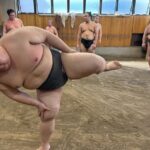
Tokyo Sumo Experiences, side by side.
 ★ 4.8Sumo Show and Dining ExperienceFrom $792,742 reviews
 ★ 5.0the SUMO showFrom $891,960 reviews
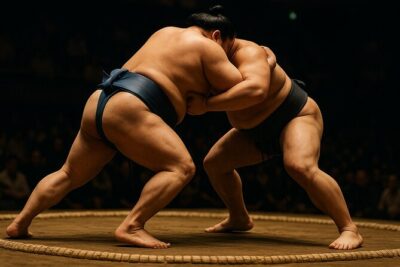 ★ 5.0Tokyo Shinjuku Sumo Show & Experience with PhotoFrom $791,750 reviews
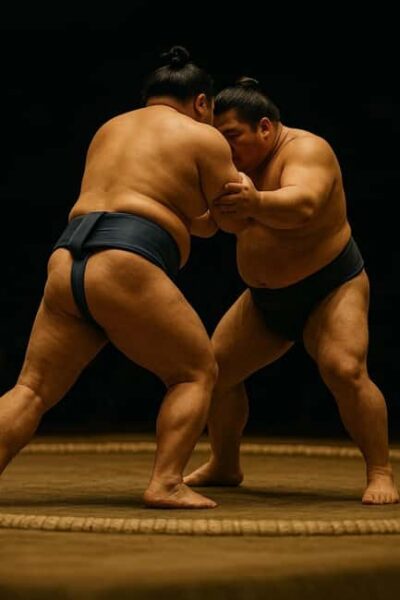 ★ 4.8Sumo Show and Experience in ShinjukuFrom $691,001 reviews
 ★ 4.7Luxury Sumo Show Experience & Japanese cuisine & DrinkFrom $103577 reviews
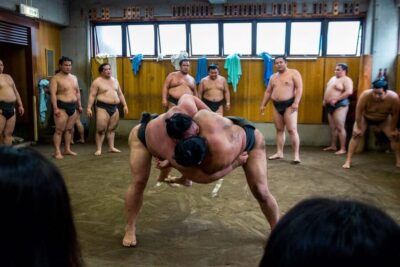 ★ 4.8Sumo Morning Practice Viewing TourFrom $81570 reviews
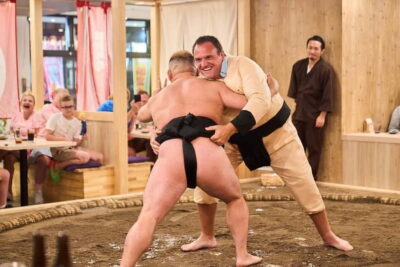 ★ 4.8Tokyo Sumo Experience: Chanko & Mochi with a Former ProFrom $103567 reviews
 ★ 5.0Ultimate Sumo Tournament: Tokyo, Osaka, Nagoya, FukuokaFrom $184468 reviews
This tour also belongs to