
Review · TOKYO FOOD TOURS
Tokyo: Sushi and Ramen Cooking Class with Sake Pairing Set
Fresh ramen and nigiri, taught like friends. In this Tokyo 3-hour class, I like the hands-on ramen broth and chashu pork technique, and I also enjoy learning nigiri skills and the sushi origins from friendly instructors like Sato and Haruko. One key consideration is that the class is not suitable for vegans or vegetarians.
The experience is built for an easy, social pace, with a small-group setup near Tsukishima Station (up to 8 people, and it often feels even more intimate). You’ll pair what you cook with a guided sake tasting led by a certified sake sommelier, and you’ll leave with a detailed recipe booklet plus a souvenir pair of chopsticks.
Key things that make this class worth your time
- Ramen broth from scratch, plus melt-in-your-mouth chashu
- Nigiri sushi training with a focus on technique and origins
- Three premium sake tastings from a certified sommelier
- Small-group teaching with English-speaking Japanese instructors
- Recipe booklet to help you recreate ramen, gyoza, and sushi at home
- A cozy meeting spot near Tsukishima Station, no hotel pickup needed
Why sushi and ramen together is a smart way to learn Tokyo food
Tokyo can feel like a blur of restaurants, menus, and queues. This class gives you a calmer way to understand two of Japan’s most famous comfort foods in one go. You do not just eat, you build the parts that make ramen and nigiri taste right.
What I find especially useful is the pairing of skills. Ramen forces you to think about broth flavor and protein texture. Nigiri forces you to think about rice handling and forming. Put together, you start to understand why Japanese cooking often feels simple on the surface but takes practice underneath.
You also get story and technique side by side, like how sushi developed and how chefs think about balance, not just ingredients. When I teach myself at home, that combination is what sticks.
You can also read our reviews of more food & drink experiences in Tokyo


Getting to HAUS Tsukishima and settling in fast
Your meeting point is on the 2nd floor of HAUS Tsukishima, 2-13-5 Tsukuda, Chuo-ku, Tokyo. It’s a 5-minute walk from Exit 4 of Tsukishima Station. If you are arriving by taxi, show this address in Japanese: 東京都中央区佃2-13-5 HAUS Tsukishima 2階
The room setup matters for a class like this. The venue is described as cozy and welcoming, and the facilities are kept clean and well organized. That makes a difference because you are going to be working with ingredients and tools close to other people, not in a far-away demonstration space.
Plan to arrive about 5 minutes early. That extra buffer helps you get dressed for cooking, find your station, and start with the basics while the instructors are doing their opening flow.
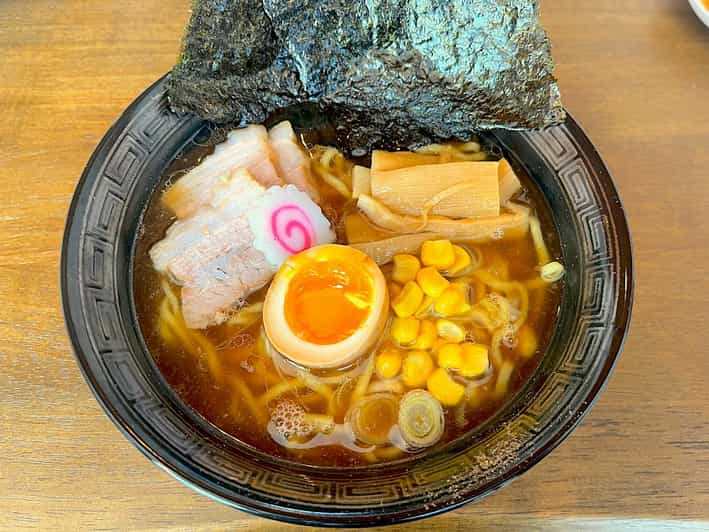
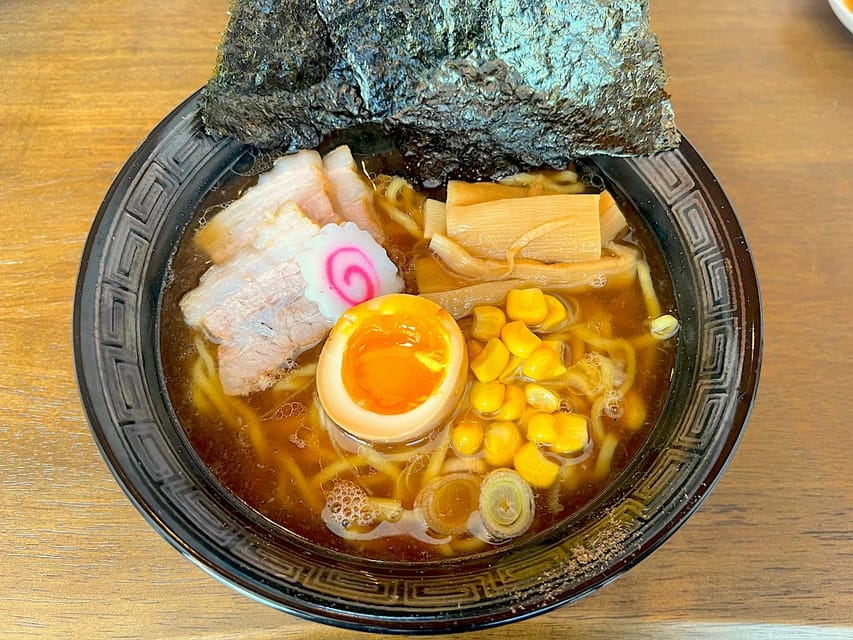
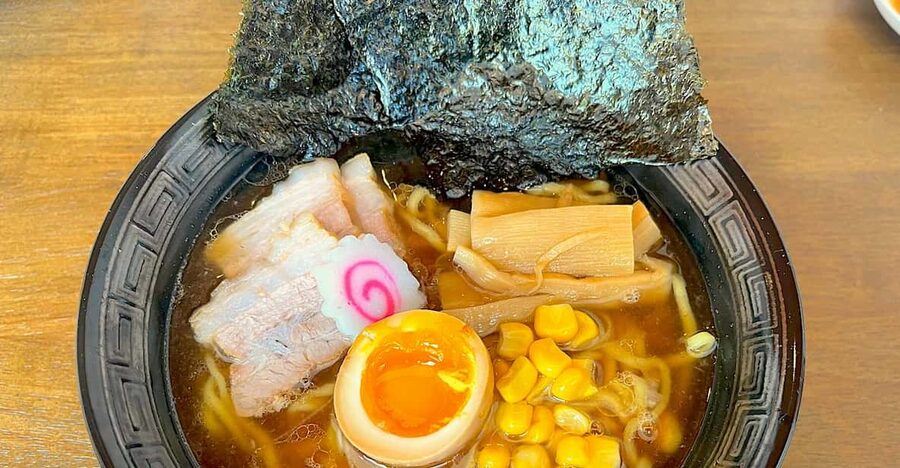
The ramen section: broth technique and chashu pork belly
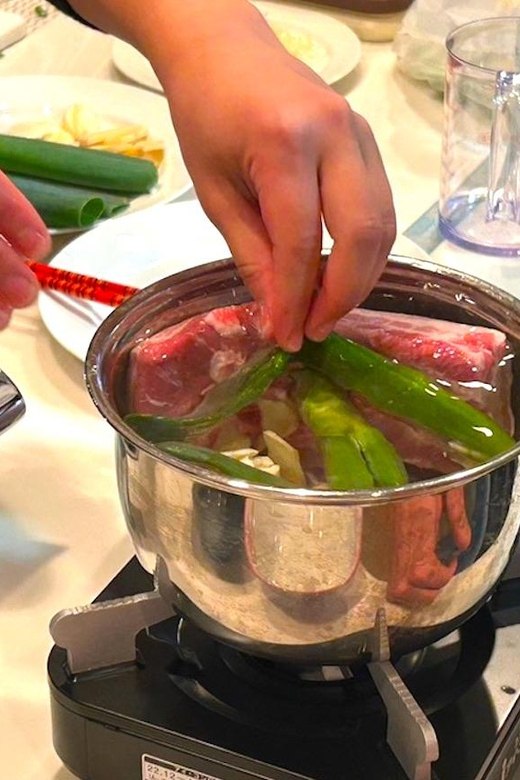
Ramen is the part that surprises first-timers. You might assume it’s all about noodles and toppings, but the class focuses on the parts that create the backbone of flavor: the broth and the chashu.
Here’s what you can expect in practice:
- You learn how to create flavorful ramen from scratch, not from a shortcut.
- You make and work with chashu, a pork belly style that’s known for turning tender and satisfying.
Even if you never cooked ramen before, the teaching style is meant to be approachable. The instructors guide your hand work and keep the pace friendly, so you are not just watching. You also get ingredient tips tied to Japanese culinary traditions, which is helpful when you’re shopping outside Japan later.
One small “consideration” with ramen classes is timing. Broth and pork need attention, so the group flow is structured. The upside is that you also get enough downtime to eat what you make, and it does not feel like you are stuck in work mode for the full 3 hours.
The nigiri section: sushi origins and hand-shaped technique
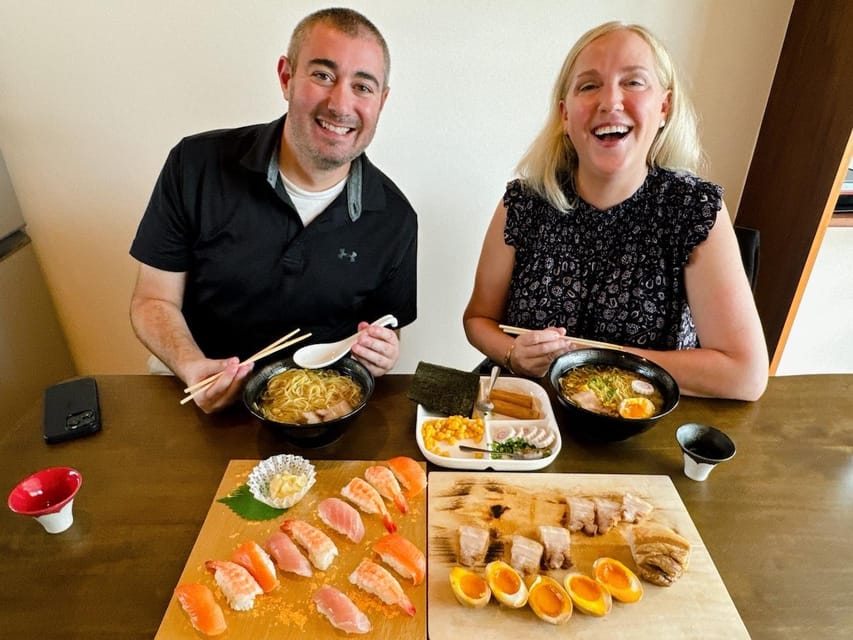
Sushi can look like pure artistry behind a counter. The class brings it down to achievable steps, especially for nigiri.
You learn:
- The origins of sushi, so you understand what the ingredients and shapes are trying to do.
- How to make nigiri sushi using provided ingredients and tools.
- How to hand-form the sushi so it looks right and holds together.
The technique focus is practical. Nigiri is not just shaping. It’s also about getting the rice handling correct, then matching it to the fish component. When an instructor pays attention to the little details, it speeds up your learning curve.
This is also where the “small group” size helps. When you are working closely with the instructor, you can correct your grip, rice placement, and shaping motion before it turns into a bad habit.
If you like history but hate dry museum talk, this works better. The class uses story to give meaning to the steps, like why sushi developed and why certain choices matter.
Sake tasting that actually teaches how to taste
The sake part is not treated like an afterthought. You get three premium Japanese sakes selected for you, and a certified sake sommelier guides the tasting.
This matters because sake can feel confusing if you only rely on labels. A sommelier-style explanation gives you a framework for noticing differences. You start paying attention to things like how it changes the flavor impression of what you’re eating.
In several recent sessions, there is also mention of beer options alongside the sake. The guaranteed part is the three-sake tasting set. So even if beer is not offered in your specific session, you can still expect a guided sake experience that fits the meal you just made.
A bonus here is that sake tasting nudges you to slow down for a moment. You are cooking and eating, then you stop and taste deliberately, which makes the whole class feel more like a full sensory meal than a quick food workshop.
You can also read our reviews of more cooking classes in Tokyo


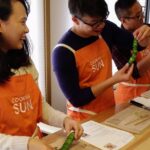
Food, timing, and why this meal feels more than a snack

The core structure is hands-on cooking plus sitting down to enjoy what you make. In a class like this, timing is everything, because ramen and sushi have different serving needs.
What you should expect from the flow:
- You cook ramen components and shape nigiri in the same 3-hour block.
- You then eat the dishes you made, with the teaching wrap-up and tasting elements woven into the schedule.
- The pacing is organized so you are not rushed while still keeping the group moving.
The meal quality is part of the value. You are not paying just for a food show. You walk away with a full plate of what you built, and you get enough time to enjoy it.
This also helps if you are picky about food experiences. Cooking classes can sometimes produce small portions. Here, the food is described as plentiful and satisfying, which makes it easier to justify the price for a single afternoon.
What you take home: recipe booklet and chopsticks
When cooking at home, the hardest part is remembering what you did and why it worked. This class gives you a recipe booklet designed for take-home success.
Included in your booklet:
- Detailed instructions for recreating ramen
- Steps for gyoza
- Guidance for sushi
Even if you do not cook every single dish in class, having a booklet that covers more than just what’s on your plate is useful. It turns your day in Tokyo into a longer project you can repeat later.
You also receive souvenir chopsticks, a small but meaningful keepsake. It’s the kind of thing that helps you remember the technique, not just the taste.
Price and value: does $129 make sense?
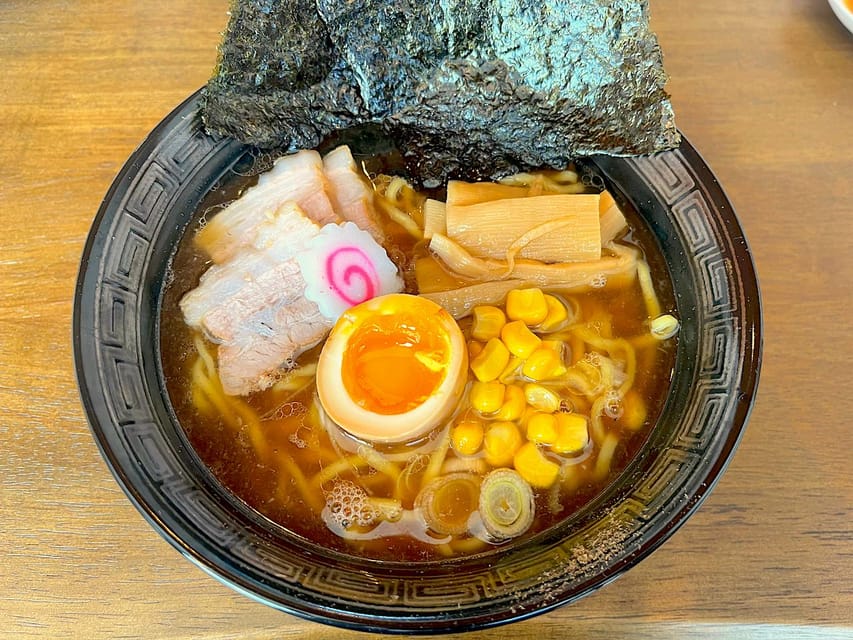
$129 per person sounds like a big number at first, especially if you compare it to eating out. But for this class, the value comes from what is bundled and what you actually practice.
You are paying for:
- A 3-hour hands-on cooking experience
- English-speaking instruction
- All necessary ingredients
- A small-group format
- A curated sake tasting set
- A professionally designed recipe booklet
- A souvenir pair of chopsticks
Also, the ingredients are treated as real and fresh, with references to sourcing from the Toyosu market area. That matters because ramen flavor and sushi quality depend heavily on ingredient condition. Better ingredients mean you learn a closer-to-real result, which makes the recipe booklet more trustworthy for home cooking.
If you want one Tokyo food activity that gives you skills you can use again, this is a strong candidate. If you only want a quick meal and do not care about technique, you might decide it’s too much. But if you care about doing it yourself, the price feels easier to justify.
Who this class fits best (and who should skip it)
This class is a good fit if you:
- Want to learn two major Tokyo staples in one session
- Like hands-on teaching with English guidance
- Appreciate food culture context, not just cooking steps
- Plan to cook later at home and want a real recipe booklet
It is not suitable for vegans or vegetarians. Since the training includes ramen and chashu (pork belly style), you will not get a plant-based alternative built into this specific experience.
If you are traveling with family, this can also work well because the instruction style is designed to be supportive. The small-group size helps everyone stay engaged without feeling overwhelmed.
Practical tips so you enjoy the class even more
A few small things can make a big difference on cooking days.
Wear comfortable clothes you don’t mind getting a bit dirty. Sushi rice and ramen prep can get messy, even when the instructors keep things tidy.
Bring an open mind for timing. You’ll be guided step by step, and the class moves in a structured way to keep broth and sushi on track.
And if you see opportunities to ask questions, take them. In smaller groups, the instructor can focus on your specific stumbling blocks, like rice handling or how to manage the broth flavor build.
Should you book this sushi and ramen class in Tokyo?
Yes, you should book it if you want a hands-on food lesson that combines technique, culture, and a proper meal. The small-group size, English-speaking instructors, and the sake tasting set add depth beyond the cooking itself. The recipe booklet and chopstick keepsake make it feel like more than a one-night experience.
I would skip it if you need vegan or vegetarian options, because the class is built around ramen and chashu pork techniques. Also skip it if you are only looking for sightseeing and do not want to spend 3 hours focused on cooking.
If you land in the middle, as most first-time Tokyo food lovers do, this class is one of the best ways to turn Tokyo eating into lasting skills. You’ll leave knowing what to do, not just what to order.
FAQ
How long is the Tokyo sushi and ramen cooking class?
The class lasts 3 hours.
How much does it cost per person?
The price is $129 per person.
Where is the meeting point for the class?
The meeting point is on the 2nd floor of HAUS Tsukishima, 2-13-5 Tsukuda, Chuo-ku, Tokyo 104-0051. It is about a 5-minute walk from Exit 4 of Tsukishima Station.
Is hotel pickup and drop-off included?
No, hotel pickup and drop-off are not included.
Do you have to cook in order to participate?
Yes, it is a hands-on cooking class where you learn to make ramen and nigiri sushi.
Is the instruction provided in English?
Yes. The instructor is English-speaking.
Is a sake tasting included?
Yes. You will enjoy three premium Japanese sakes selected by a certified sake sommelier.
What should I wear to the class?
Wear comfortable clothes that you do not mind getting a bit dirty.
Is the class suitable for vegetarians or vegans?
No. It is not suitable for vegans or vegetarians.
How many people are in the group?
It is a small group, limited to about 8 participants, with an intimate feel in practice.
More Cooking Classes in Tokyo
More Food & Drink Experiences in Tokyo

More Tour Reviews in Tokyo





Not for you? Here's more nearby things to do in Tokyo we have reviewed












Tokyo Food Tours, side by side.
 ★ 5.0Shinjuku Food Tour (13 Dishes at 4 Local Eateries)From $866,603 reviews
 ★ 5.0Tokyo Bar Hopping Tour in Shinjuku (All-You-Can-Drink + Dinner)From $1063,587 reviews
 ★ 4.9Shinjuku Food Tour (15 Dishes and 4 Eateries)From $852,033 reviews
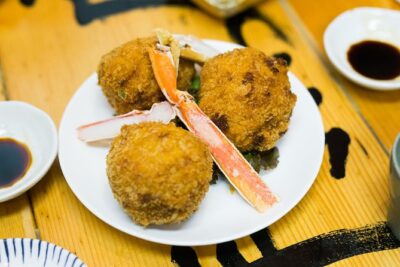 ★ 5.0Best of Shinjuku: Izakaya Food Tour (4 Stops, 14+ Tastings)From $921,863 reviews
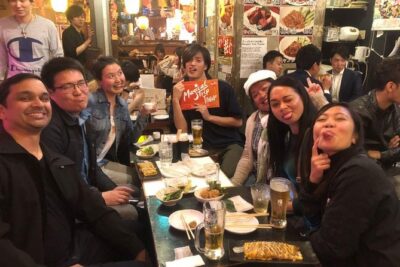 ★ 5.0Shibuya Meltdown Nightlife Tour: All-You-Can-Drink Bar HoppingFrom $1061,058 reviews
 ★ 5.0Eat and Drink Like a Local: Tokyo Ueno Food Tour-Taverns&RamenFrom $95957 reviews
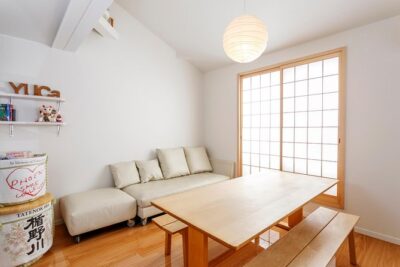 ★ 5.0Ramen & Gyoza Cooking Class in Tokyo with Local Supermarket VisitFrom $122823 reviews
 ★ 5.0Shibuya Food Tour (13 dishes and 4 Eateries)From $77770 reviews
This tour also belongs to