
Review · TOKYO SUSHI CLASSES
Tokyo: Sushi Making Class
Sushi becomes practical, not mysterious. In this 3-hour Tokyo class, you work right at the counter with English-speaking instructors, and the small group setup keeps the pace calm. I love that you get step-by-step rice technique, not just a quick demo.
The variety is another win. You will shape nigiri, make Inari (sweet tofu pouch), roll Hosomaki and California roll, and also learn Tamagoyaki. One possible drawback, they use pre-sliced fish, and the class does not teach how to cut raw fish, so it is more about technique and flavor than knife work.
Key highlights I’d prioritize
- You make multiple styles of sushi in one afternoon, not just one roll
- Sushi rice is the centerpiece, with practical guidance on seasoning and texture
- You get taught by English-friendly locals, and you might work with instructors like Mika, Yuko, Aya, Koyotama, or Yuki
- Small-group coaching means you can ask questions while your hands are busy
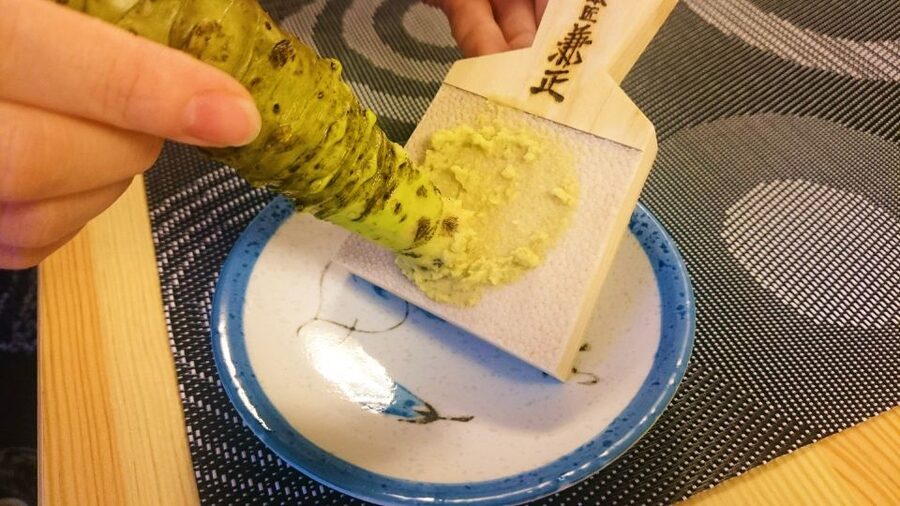
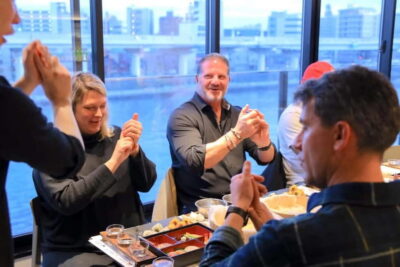
- You eat what you make, with miso soup plus wasabi and pickled ginger on the side
- Dietary substitutions are supported when you tell them what you need
A small-group sushi class that feels like Tokyo, not a factory
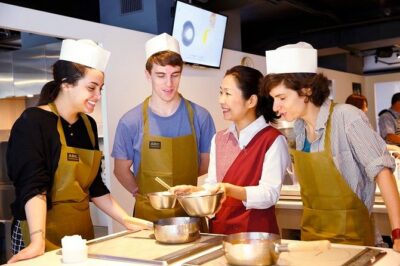
Tokyo has plenty of sushi experiences, but this one is different in the best way: it is built for hands-on learning in a real studio kitchen. The class runs for about 3 hours, and it is limited to a small group of up to 9 people, so you do not spend the whole time watching.
I also like the tone. From what you can expect, the instructors run a friendly, informal session with step-by-step explanations, so beginners are not treated like they are in the way. Expect a professional kitchen setup with people focused on keeping everything moving smoothly.
More Tokyo tours and experiences for the shortlist


What you make in the 3 hours, nigiri to Inari to rolls
This class is not a one-note sushi workshop. The core lineup covers both classic and fun variations, so you leave with skills you can actually reuse later.
Here’s what you’ll learn to make:
- Nigiri (hand-pressed sushi), where you practice shaping and topping balance
- Inari (sweet tofu pouch sushi), a flavor-forward option that is less intimidating than it sounds
- Thin roll (Hosomaki), so you can feel what tight rolling is like
- California roll, which helps you learn a structured roll while staying familiar to many visitors
- Tamagoyaki (Japanese rolled egg), a technique that teaches you heat control and slicing for clean pieces
If you like the idea of learning sushi as a set of techniques, not just a single recipe, this format makes sense. Each item forces you to practice a different hand motion, timing, and flavor pairing.
The real lesson is sushi rice, plus dashi and miso soup
A lot of sushi is only as good as its base. Here, the rice is treated like the star, and that is exactly what you should want in a beginner-friendly class.
You’ll learn how to prepare sushi rice and get into traditional flavor building, including:
- How dashi (soup stock) fits into Japanese cooking
- Key seasonings used to bring flavor together
- How miso soup is made alongside the sushi prep
In practice, this matters because rice is where people usually go wrong at home. Too dry, too firm, too under-seasoned, or handled too roughly will throw off the whole bite. Even if you are not chasing restaurant perfection, you’ll pick up a method that you can repeat.
Tamagoyaki teaches control, and it is easier than it looks
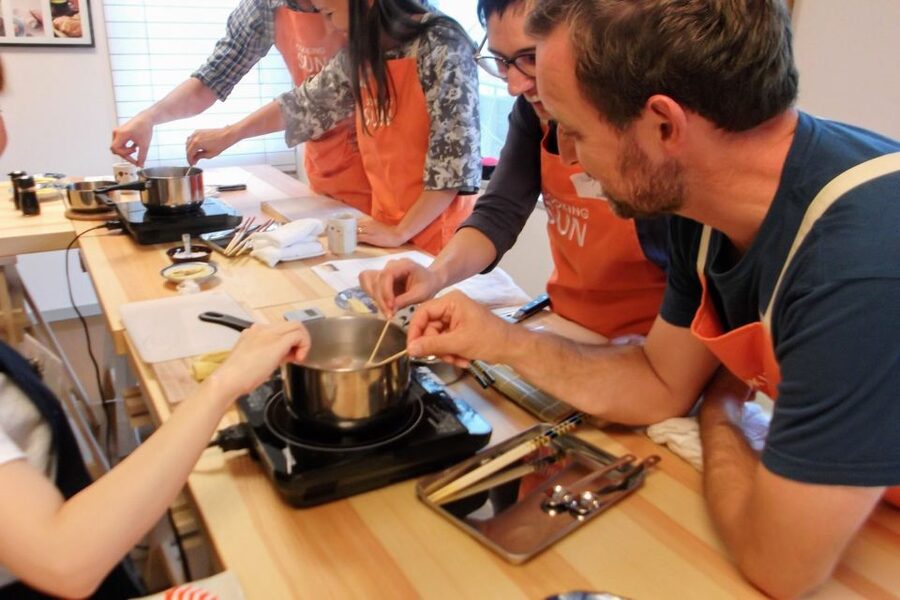
Tamagoyaki sounds fancy, but the class style is exactly what makes it approachable. You get step-by-step guidance for making a fluffy Japanese omelet and rolling it into neat layers.
This is not just a side dish. It is training for technique: heat management, timing, and getting a smooth roll. If your goal is learning sushi beyond the final assembly, Tamagoyaki is one of the best included skills.
Pre-sliced fish and what the class does not cover
One important limitation up front: they use pre-sliced fish. That keeps the class moving and focuses the time on rice, rolling, shaping, and flavor.
It also means the class does not include instruction on how to cut raw fish. So if you want knife skills for slicing sashimi-grade fish at home, this is not the workshop for that specific goal.
Still, for most people, this is a smart trade. You get the full sushi-making experience without turning your afternoon into a technical knife course.






Rolling, shaping, and getting help while your hands are working
A good cooking class is measured by timing, not talent. What helps here is the demo-to-do ratio, meaning instructors show you what to do and then you do it right away.
You should expect support at each stage, especially if you are new. In a small group, it is easier for instructors to notice if your rice is too wet, your roll is too loose, or you need help pressing nigiri without squashing it.
Also, this class includes practical prep work like getting toppings ready (including shrimp) and then moving into assembly. The result is that you are not just learning one step. You get the whole workflow.
Eating your sushi: miso soup, wasabi, and pickled ginger
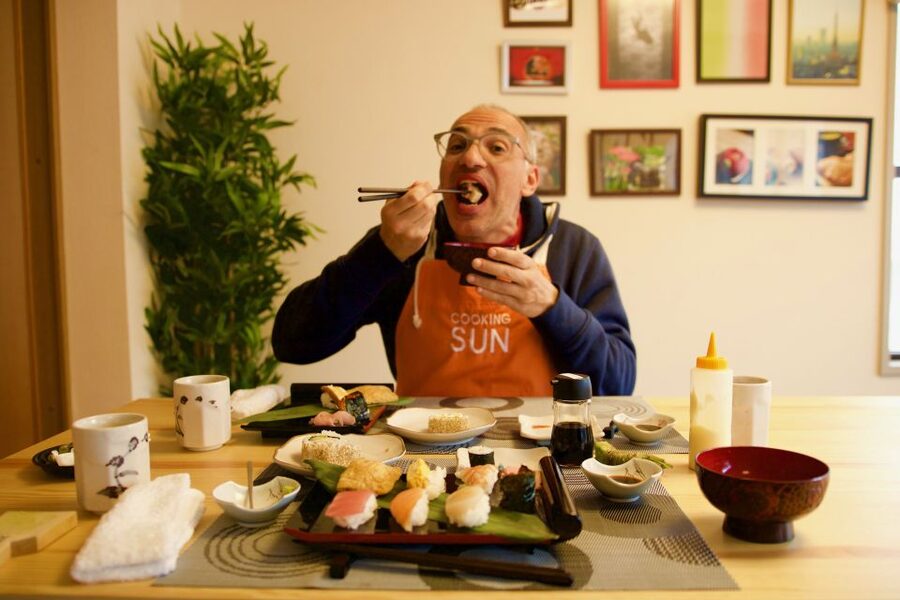
After the hands-on work, you sit down and eat the sushi you made. You will get miso soup with your meal, plus fresh wasabi and pickled ginger served on the side.
This part matters more than you might think. When you taste what you built, the flavors and textures actually lock in your memory. It also helps you understand what you did well and what you might tweak next time you make it at home.
Come hungry. The end result is a meal, not a tiny tasting plate.
Meeting point in a residential area, how not to waste time
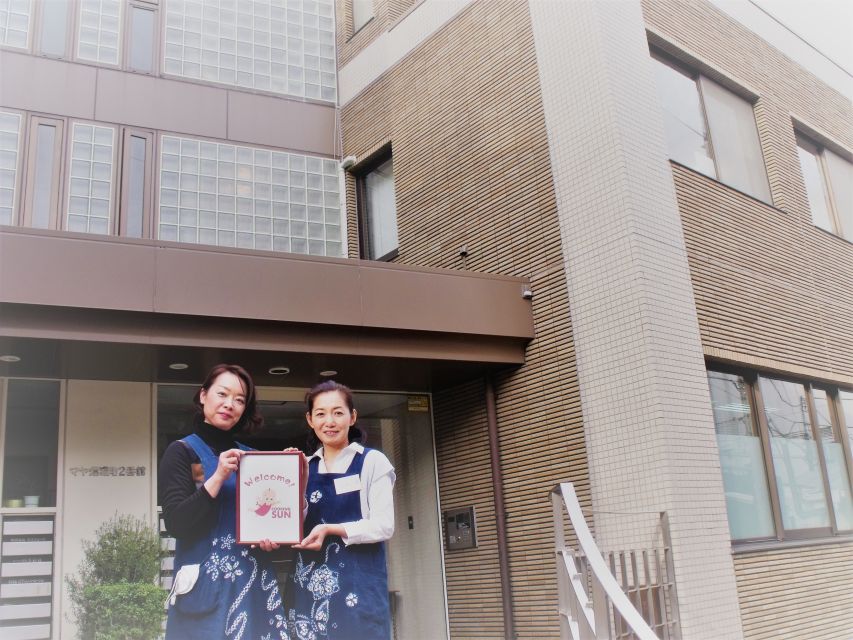
The studio is in a quiet residential neighborhood, and it can be a little tricky to find. The location details are very specific, so read them carefully and give yourself extra time.
What to do:
- Use Google Maps and search for Cooking Sun Tokyo (Shinanomachi 18-39, Shinjuku-ku, Tokyo)
- Look for a beige residential building on the right-side door for the studio
- You are on the 2nd floor
- If you need to call, press 314 on the intercom
If you are arriving by private vehicle, there’s also a local etiquette note. Do not stop or wait in front of the building or neighborhood. If someone needs to wait, use a nearby coin-operated parking lot.
This is not just politeness. In a residential Tokyo pocket, it keeps the whole experience smooth for everyone.
Price and value, why $67 can make sense for this kind of class
At $67 per person for about 3 hours, the price lands in the “good value” category because the cost is spread across several included elements:
- Recipes (so you can repeat it later)
- All ingredients and utensils
- Towel and apron rental
- A small-group cooking setup with English-speaking instruction
You do not get hotel pickup or transportation, so you’ll want to plan your own route to the studio. But once you are there, the class gives you real output: multiple sushi types plus miso soup, built by your own hands.
A big factor in value is the class size. With a limit of 9 participants, you get enough time to ask questions and keep moving, which is often what separates a fun activity from a frustrating cooking show.
Who this is best for, beginners, families, and allergy-aware diners
This works well for beginners because the class explicitly supports no prior experience. You get step-by-step guidance, and instructors provide help so you are not guessing at every stage.
It is also a solid choice if you want something family-friendly. There are accounts of it being great even when a child is in the group, with instructors described as patient and helpful.
If you have dietary restrictions, this is one of the stronger options you’ll find. The class supports substitutions for allergies, gluten-free diets, religious dietary restrictions, vegetarian preferences, and more. You need to inform them when booking, since substitutions depend on your requirements.
One more reason I like it: you end up with variety. If you are picky, or if your travel buddy wants both classics and a couple of approachable “tour-friendly” rolls, the lineup gives options.
Should you book Cooking Sun Tokyo for sushi making?
If your goal is learning how sushi is built, not just eating a pretty plate, I think this class is a smart book. It gives you several sushi styles in one session, strong focus on sushi rice, and a real meal at the end.
You might skip it if you specifically want raw fish cutting practice and knife skills, because they use pre-sliced fish and do not teach cutting raw fish. Also, if finding a studio in a residential building sounds like your least favorite part of travel, set yourself up with clear directions and buffer time.
Otherwise, this is the kind of afternoon you can carry home, rice technique plus rolling know-how, all while eating something you made.
FAQ
How long is the Tokyo sushi making class?
The class runs for 3 hours.
Is the instruction offered in English?
Yes, the instructor speaks English.
What kinds of sushi will I learn to make?
You will learn nigiri (hand-pressed sushi), Inari (sweet tofu pouch sushi), thin roll (Hosomaki), and California roll, plus Japanese rolled egg (Tamagoyaki).
Do I need prior cooking experience?
No prior experience is needed. The class is designed for beginners with step-by-step guidance.
Does the class teach how to cut raw fish?
No. The class uses pre-sliced fish, and it does not include instruction on how to cut raw fish.
Can the class accommodate dietary restrictions or allergies?
Yes. You can request substitutions for allergies, gluten-free diets, religious dietary restrictions, vegetarian preferences, and more. Let them know at booking.
What is included in the price?
Included are recipes, all ingredients and utensils, and towel and apron rental.
Where is the meeting point and how do I find it?
The studio is on the 2nd floor of a beige residential building. Use the right-side door at the entrance, and press 314 on the intercom if you need to call. If you have Wi-Fi, search Google Maps for Cooking Sun Tokyo (Shinanomachi 18-39, Shinjuku-ku, Tokyo).
More Workshops & Classes in Tokyo

More Tour Reviews in Tokyo
Not for you? Here's more nearby things to do in Tokyo we have reviewed












Tokyo Sushi Classes, side by side.
 ★ 5.0Sushi Making Tokyo Roll and Authentic Japanese Sushi ClassFrom $593,971 reviews
 ★ 4.9Roll and Authentic Sushi Making Class in AsakusaFrom $581,957 reviews
 ★ 4.9Sushi Making Class in a Happi Coat near a Famous SpotFrom $421,377 reviews
 ★ 5.0Tokyo Sushi Making Class in Tsukiji with Professional ChefFrom $491,177 reviews
 ★ 5.0Tsukiji Fish Market Guided Tour and Sushi Making with Pro ChefFrom $104775 reviews
 ★ 4.9Tsukiji Fish Market Sushi Making Class with Pro ChefFrom $63506 reviews
 ★ 5.0Tokyo Tsukiji Fish Market Tour and Sushi Making LessonFrom $99390 reviews
 ★ 5.0Popular Sushi Making Class near Tokyo TowerFrom $87229 reviews
This tour also belongs to