
Review · SHIBUYA TOURS
Tokyo Walk through: Shinjuku, Harajuku, Omotesando & Shibuya
Tokyo changes block by block. This 4 hour walking tour connects Shinjuku, Shibuya, Harajuku, and Omotesando in a way that actually helps you make sense of modern Tokyo. I like the personal guidance, and I like how guides such as Hiroshi and Tina explain daily life and practical culture points as you go.
The one real consideration is that it involves a fair amount of walking, and the Shinjuku Gyoen garden stop depends on weather. If your feet or knees are not happy, this is not the easy choice, so pack comfortable shoes and dress for the day.
The payoff is a small group, limited to 8, with an English speaking guide who can tailor what you focus on, whether that means shopping streets, side lanes, or a calmer garden break. It’s a smart way to see several Tokyo neighborhoods without feeling lost.
Key things that make this tour worth your time
- Four neighborhoods in one flow: Shinjuku, Shibuya, Harajuku, and Omotesando, with context you can use later.
- Shinjuku Gyoen garden time: a peaceful break in the middle of a big city day, when weather cooperates.
- Real Tokyo orientation: you learn how the city’s modern hubs formed and how to move through them.
- Culture plus shopping, not just photos: the guide helps you understand what you are seeing and where to linger.
- Guides who adjust to you: examples include Renault’s informal, tailored style and Hiroshi’s practical day to day explanations.
Why this Shinjuku to Omotesando loop works in 4 hours
Tokyo can be loud, confusing, and full of distractions. This tour keeps you moving through the neighborhoods that shape most visitors’ first impression, but it also slows down at key moments so you can actually understand the differences.
I like the structure because it is not only about famous streets. You get a guided walking route that mixes big city energy with calmer pockets, including Shinjuku Gyoen. That balance matters when you only have half a day and you want more than selfies.
You can also read our reviews of more walking tours in Tokyo


Finding the group at Gucci Shinjuku and getting oriented fast
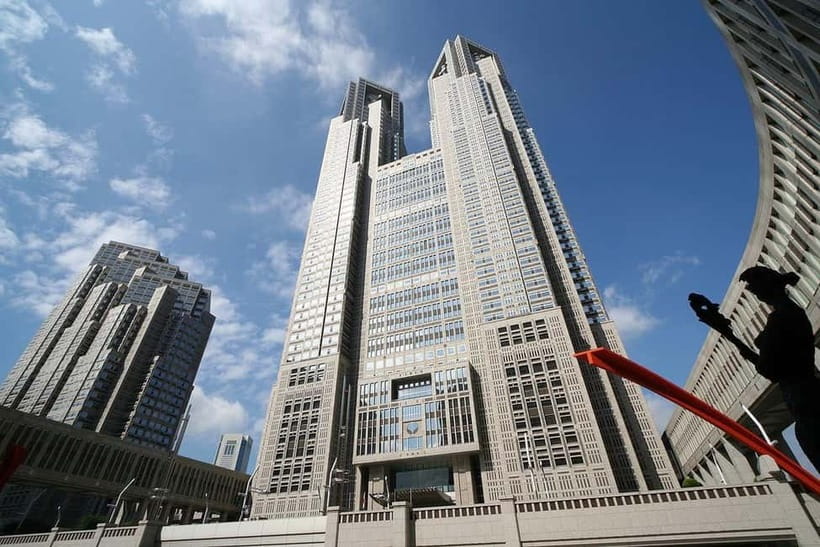
You start right in front of the GUCCI Shinjuku M Square Store. That is a helpful detail, because Shinjuku is famous for being the busiest train station area on Earth, so having a crisp landmark reduces the first ten minutes of stress.
From the start, the guide frames what you are about to see. You’ll learn how post war Tokyo was master planned to create modern hubs like Shinjuku and Shibuya, meant to handle a growing population and changing city needs. It’s the kind of context that makes the streets feel less random and more intentional.
Then you move through Shinjuku’s busy commercial area, where you’ll run into mainstream shopping spots and well known eating and drinking streets. The goal is not just to name places, it’s to help you recognize the patterns, so when you return on your own, you know where you are.
Shinjuku Station energy, then Shinjuku Gyoen gardens
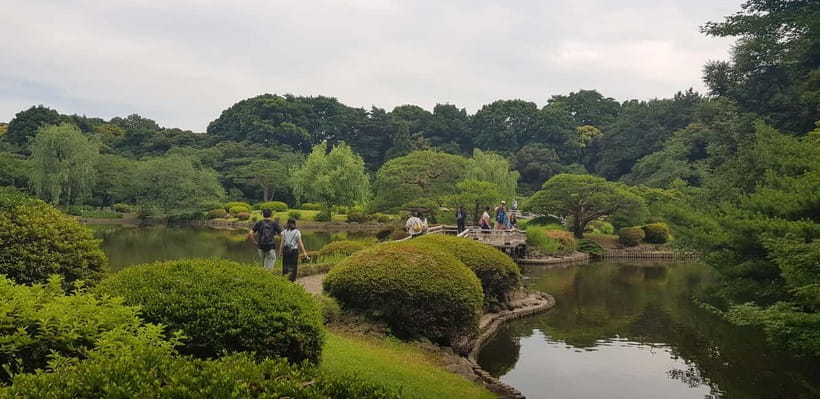
Shinjuku is a lot. It has crowds, constant motion, and a mix of everything from fashion to snack stops. On this walk, you don’t just pass through, you get an explanation of how Tokyo’s modern hubs function and why the area is built the way it is.
A major highlight is the garden stop at Shinjuku Gyoen. The tour plans for it assuming the weather is decent, and that matters because you are trading concrete intensity for a calmer scene. Shinjuku Gyoen is described as showing different garden styles and approaches, which is a nice way of thinking about it, not just as pretty photos but as a place with distinct design ideas.
Practical tip: if the garden portion runs, make it your moment to reset. Use the time to walk a slower loop, take your time at viewing points, and give your feet a break. Even if you love shopping, your brain will process the rest of Tokyo better after a quiet pause.
Shibuya: youth culture, side streets, and modern Tokyo pace
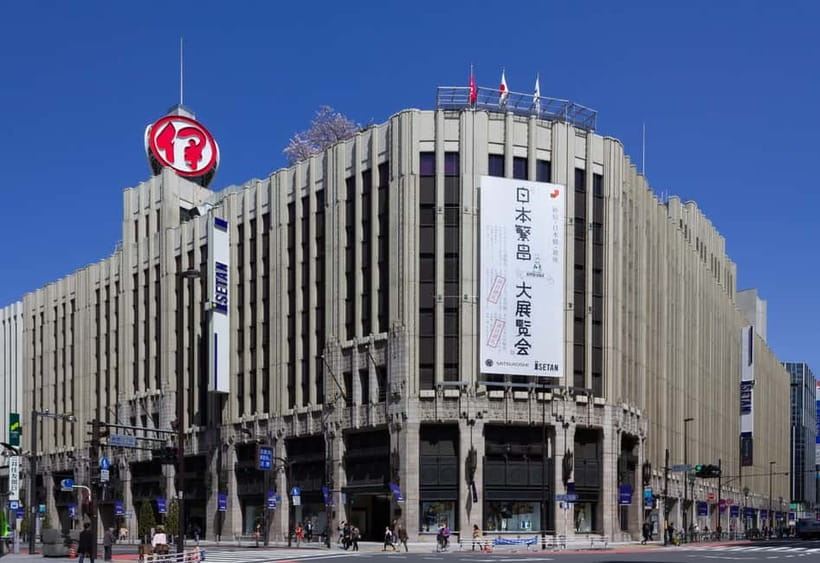
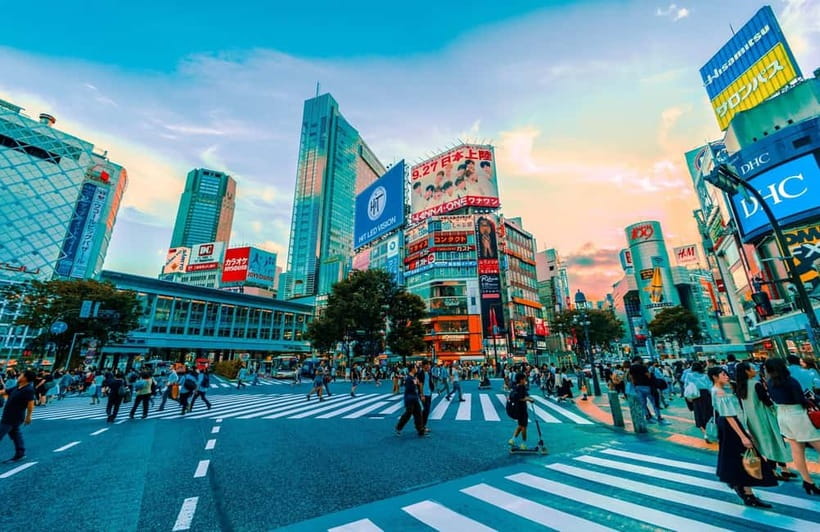
After Shinjuku, you head to Shibuya, a hub of Japanese modern culture with a youth focused feel. This is where the streets tend to move faster, and the vibe is geared toward creativity and trend setting.
What I like about the approach here is that you get the energy, but you also get guidance to find smaller spots that reflect the spirit of Tokyo’s younger scene. The tour is built for people who want more than the obvious landmark shots, so it pushes you to notice details in the lanes and storefronts rather than just the biggest intersections.
This part also works well if you like mild funkiness and a touch of the avant garde, without needing to make it complicated. You’re not being forced into anything niche. You are simply seeing what makes Shibuya feel different from Shinjuku, and why it catches people’s attention right away.
Harajuku and Takeshita-dori for pop culture at street level
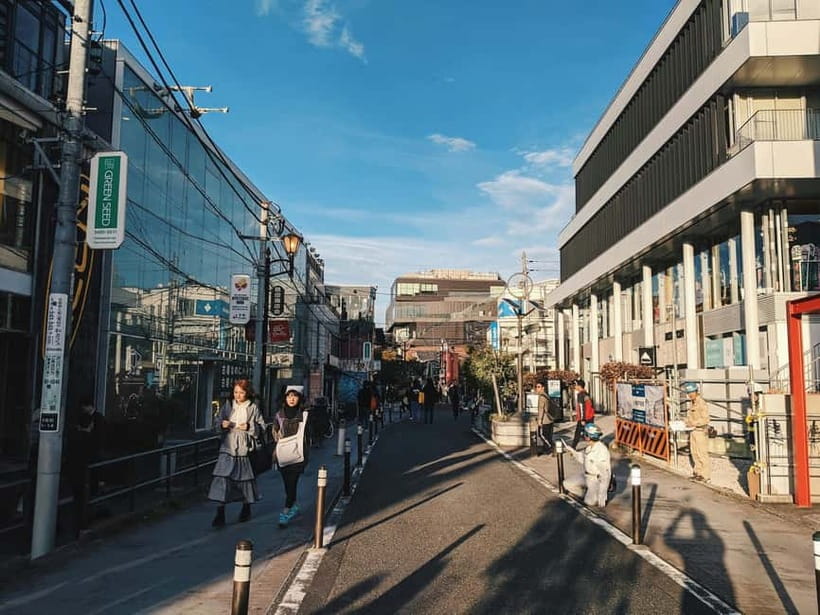
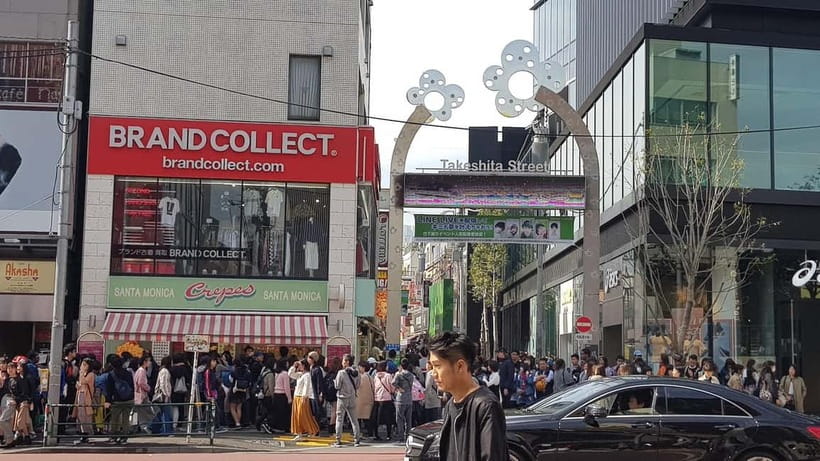
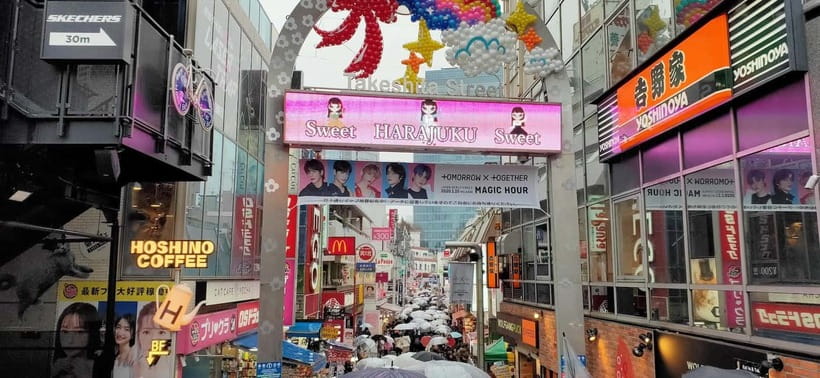
Then you slide into Harajuku, centered on Takeshita-dori. This street is known for catering to ages 12 to 16, and the whole area is a snapshot of Japanese pop culture at full volume.
You’ll see fashion and attitude that can feel playful, sometimes a little chaotic, and almost always confident. The guide’s job is to connect the visuals to meaning, so you understand what you are looking at and how it fits into the broader culture.
At the same time, Harajuku can overwhelm you if you only look at shop windows. So I appreciate that the tour is structured. You get a path to follow and a reason to linger where it makes sense, rather than wandering randomly and missing the good parts.






Omotesando: understated wealth, luxury brands, and backstreet finds
Across the way from Harajuku is Omotesando, and the contrast is part of the fun. Omotesando is where understated wealth and luxury brands show up, but it also has backstreets where you can hunt for unique fashion finds.
This is one of those neighborhoods where it helps to have a guide who knows how to read the area. The tour balances the polished front stage with the smaller side lanes where style feels more personal.
If you’re doing shopping, this is the segment where you will benefit most from direction, because luxury shopping streets can be intimidating when you don’t know what is worth your time. Even if you don’t plan to buy anything, you’ll leave understanding why Omotesando feels different from both Shinjuku and Harajuku.
What the English guide actually adds to your day
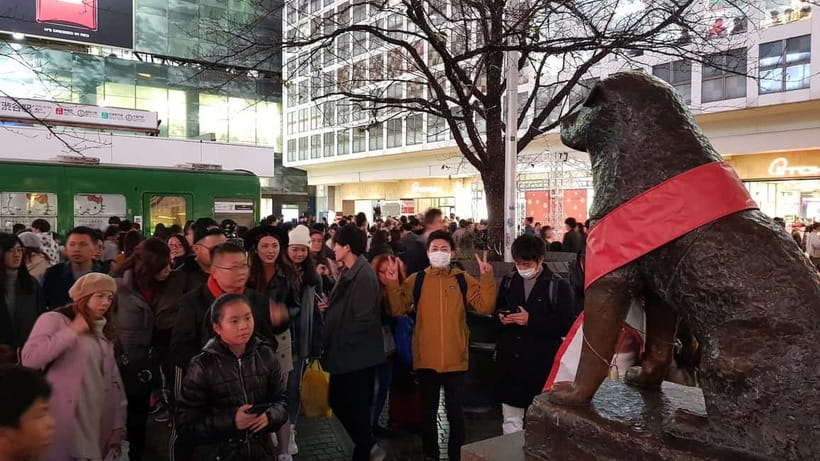
The guide is the real value here. You get a live English speaking guide, and because the group is small, there is room to ask questions.
I also like that the style is informal and responsive. One guide story includes Renault tailoring the walk to what people wanted to see, which is exactly what you hope for when you have limited time. Another story describes Scott sharing knowledge and helping turn a shaky start into a great day.
On the practical side, Hiroshi is mentioned for teaching how to use the train, plus explaining a lot about daily life inside Tokyo. That kind of tip changes how your next day feels, because suddenly transit and basic cultural habits are less mysterious.
And if food is part of your plan, Tina’s example is specific: she left someone at a ramen place and helped with ordering. You should not assume every guide will do the same handoff, but it shows the tour can support your real interests, not only walking and shopping browsing.
Price and value at about $67 per person
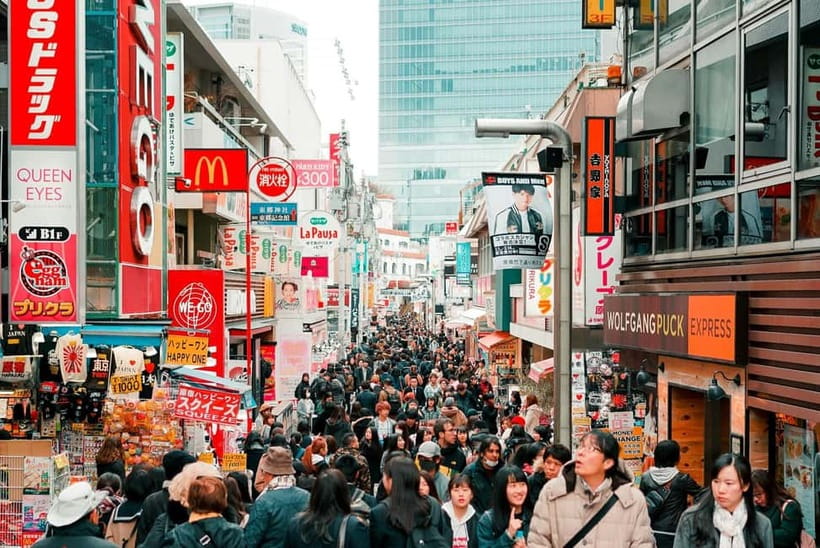
At $67 per person for about 4 hours, this tour is priced like a practical half day experience. The value comes from what is included: guided walking tour through multiple neighborhoods, a visit to Shinjuku Gyoen, and cultural and shopping exploration.
What is not included is also clear, meals and drinks, plus transportation to and from the meeting point. That means you should plan on budgeting for your own lunch or snacks, especially if the tour timing lands near dinner.
From a value standpoint, the small group size matters. Limited to 8 participants means the guide is more likely to actually adjust the pace and attention. In Tokyo, that can be the difference between a crowded slideshow and a day that feels connected.
Also, English is included, which is a big deal when you want more than surface level explanations.
Logistics you should know before you lace up
Bring comfortable shoes. This tour involves a fair amount of walking, and Tokyo sidewalks are not the place to test out new footwear.
Dress for weather. The garden stop at Shinjuku Gyoen is planned only if the weather is decent. If it’s rainy, you might get more street time and less garden time.
Photography is allowed, but some areas can have restrictions, so be respectful and follow any posted rules. Also, the meeting point is fixed in front of Gucci in Shinjuku, so take a minute to orient yourself before the tour start.
Finally, there is a mixed message on mobility. The tour is listed as wheelchair accessible, but it is also stated that it is not suitable for people with mobility impairments. Given the walking component, I’d treat this as a signal to check carefully if you have any limitations.
Who should book this Tokyo walk through, and who should skip
This tour fits best if you:
- Want a fast, structured overview of Tokyo’s style districts and major hubs
- Like shopping streets but also want cultural context, not just store names
- Prefer a small group with an English speaking guide who can adapt to you
- Are comfortable walking and want a garden reset in the middle
You might skip if:
- You cannot handle a fair amount of walking
- You want meals and drinks included
- You are traveling during conditions that make outdoor strolling hard, since Shinjuku Gyoen depends on weather
Should you book this Tokyo walk through Shinjuku, Harajuku, Omotesando and Shibuya?
If you are early in your Tokyo trip and you want neighborhoods that feel clearly different from each other, this is a solid choice. You get Shinjuku’s modern hub energy, Shibuya’s youth culture rhythm, Harajuku’s pop culture edge, and Omotesando’s luxury and backstreet contrast, all tied together with a guide who can explain what you are seeing.
I’d book it if you like having a plan, but still want a bit of flexibility. The small group format and the guide’s tailoring approach are especially good for first timers who do not want to spend half a day trying to decode transit and neighborhood boundaries.
If you prefer slow museum days or you need minimal walking, you may have a better time with something shorter or more seated focused. For the rest of us, this half day loop gives you a strong mental map of Tokyo fast, and that is a win.
FAQ
How long is the Tokyo Walk through: Shinjuku, Harajuku, Omotesando & Shibuya tour?
It lasts 4 hours.
Where do we meet for the tour?
You meet right in front of the Gucci Shinjuku M Square Store.
What is included in the tour price?
The tour includes a guided walking tour of Shinjuku, Shibuya, Harajuku, and Omote Sando, plus a visit to Shinjuku Gyoen Garden, along with cultural and shopping exploration.
Are meals and drinks included?
No. Meals and drinks are not included.
What should I bring with me?
Bring comfortable shoes and weather appropriate clothing. The tour involves a fair amount of walking.
Is the tour guide English speaking?
Yes. There is a live tour guide in English.
Is the tour wheelchair accessible?
Wheelchair accessibility is listed, but the tour also says it is not suitable for people with mobility impairments. If you have mobility limitations, you should check with the operator before booking.
Can I take photos during the tour?
Photography is allowed, but you should be mindful of restrictions in certain areas.
More Walking Tours in Tokyo


More Tour Reviews in Tokyo
Not for you? Here's more nearby things to do in Tokyo we have reviewed












Shibuya Tours, side by side.
 ★ 5.0Official Street Go-Kart in ShibuyaFrom $763,435 reviews
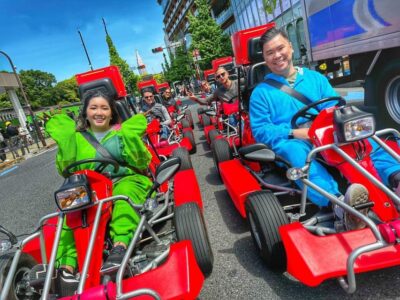 ★ 4.9Street Kart Experience in ShibuyaFrom $741,484 reviews
 ★ 5.0Shibuya Meltdown Nightlife Tour: All-You-Can-Drink Bar HoppingFrom $1061,058 reviews
 ★ 5.0Shibuya Official Street Go-Kart in Shibuya AnnexFrom $69972 reviews
 ★ 5.0Shibuya Food Tour (13 dishes and 4 Eateries)From $77770 reviews
 ★ 5.0Best of Shibuya Food TourFrom $217612 reviews
 ★ 4.8Shibuya Highlights Walking TourFrom $19601 reviews
 ★ 4.7Premium Go-Kart Tour with Tower & Shibuya CrossingFrom $116528 reviews
This tour also belongs to