
Review · TOKYO FOOD TOURS
Ramen & Dumpling Cooking in Tokyo with Chef/Vegan possible
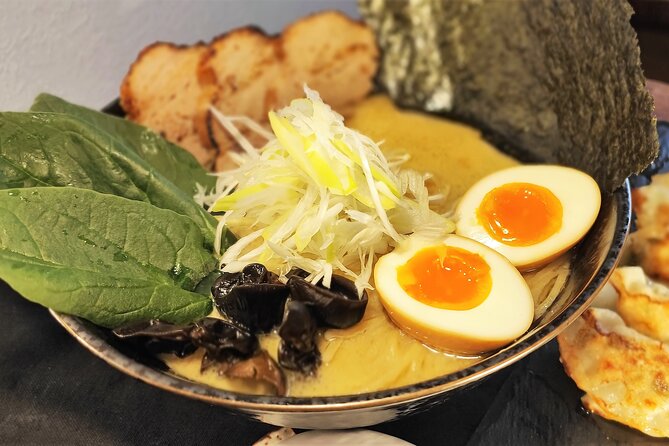
Ramen, then dumplings, in a real Tokyo home. This hands-on class teaches the steps that make ramen taste like it came from a busy kitchen, not a sad packet. You get a choice of a morning or noon session, and the group stays small so the chef can actually correct your technique.
I love that the ingredients are all handled for you, so you can focus on the cooking moves, not the shopping list. I also like that you practice key parts, from making noodles and seasoning components to folding gyoza and finishing with a plated bowl you can recreate later. One possible drawback is that it is set in a residential area, so it is not the quick-and-easy, right-on-top-of-a-landmark kind of activity.
Quick take on what matters most
- Small group, max 12 people for real instructor attention
- Choose morning or noon, with a roughly 2-hour class length
- Learn broth basics, noodles, eggs, toppings, and gyoza folding
- Get help shaping a finished bowl, with plating for a restaurant-style result
- Dietary needs can be supported, with vegetarian and no fish/seafood options reported
Nerima location and the meeting setup that feels local
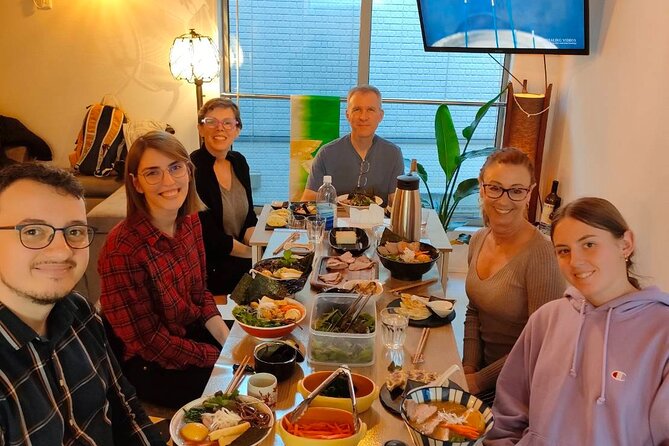
The class starts at Ekoda Station, then you head to the chef’s space nearby. Reviews describe being met at the station (for example, by Oma) and then walked over, which is a huge help if you are not fluent in Japanese train transfers. This is one reason the experience feels different from a typical food tour, you are moving out of central Tokyo and into everyday neighborhoods.
Ekoda and Nerima are a good match for this kind of activity. You get to see a quieter slice of the city, then step into a clean, cozy cooking environment. That matters because ramen and dumplings are hands-on foods. You want a place where you can work without feeling rushed, and where the hosts can explain what is happening while your hands are busy.
One practical thing to know: because it ends back at the meeting point, you should plan to keep your schedule flexible afterward. The payoff is that you can roll directly into dinner plans or a stroll, without worrying about cross-city logistics.
The 2-hour flow, from seasoned eggs to your own ramen bowl
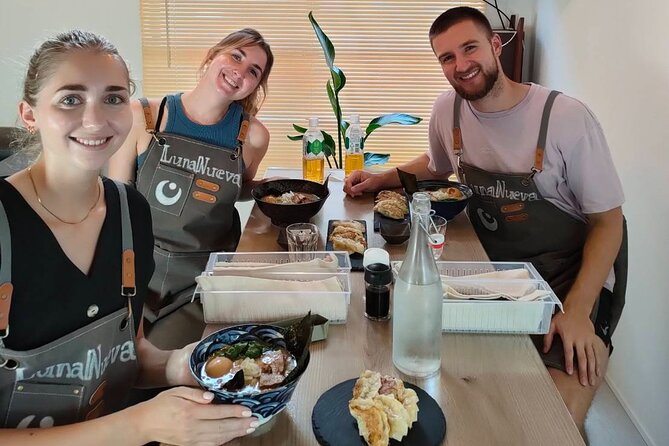
This is a 2-hour cooking class that builds from prep to finished eating. The day is structured around technique, not just assembling food. The goal is that you leave knowing what to do next time you make ramen at home, even if your kitchen setup is not identical to Japan.
Here is the rhythm you can expect:
- Welcome and ingredient overview: You get oriented to the course and what you will be making, with ingredients already at your disposal.
- Ramen components in action: The class focuses on core elements like the broth process, seasoned eggs, and colorful toppings.
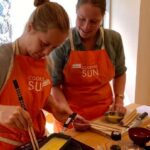
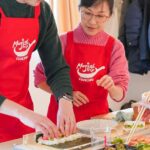
- Dumplings at the same time: You also make gyoza, including folding techniques that look simple until you try them.
- Cooking and finishing: You practice how to combine noodles, soup, and toppings into a single finished bowl.
- Plating and tasting: You end by plating your ramen in a way that feels like a restaurant presentation.
A detail I think you will appreciate is that the instructors do not just talk. You are hands-on throughout, from noodles to folding. Reviews also note that there can be a lot of food, so come hungry. Even people with picky eaters in the group reportedly managed to customize their bowls and still enjoyed the meal.
Also, one note from the setup: some key prep like broth and meat may be started ahead of time by the hosts. That is normal for a 2-hour class, and it is a good thing. It keeps your session focused on learning the skills you will actually need, instead of waiting for long cooking times.
More Tokyo tours and experiences for the shortlist

What you truly learn for ramen, beyond just a recipe
If you have ever tried making ramen at home and wondered why it tastes flat, this is the part that helps most. The class teaches how the ramen pieces work together: seasoning, texture, timing, and assembly.
You are practicing:
- How broth flavor is built through the steps of the process
- Egg seasoning for that savory, restaurant-style bite
- Topping choices that add color and contrast, not just decoration
- Noodle and bowl assembly so your ramen comes together in the right order
One of the best outcomes here is feedback. Reviews repeatedly mention how instructors are patient and step-by-step, and how you get tips during the process. That kind of correction is valuable because ramen is sensitive. Too much or too little seasoning, or the wrong order, changes the whole result.
You also learn technique for plating, which sounds cosmetic until you try it. When you assemble with intention, the toppings stay where they belong, and every spoonful has a mix of broth and garnish, not random bites of topping floating to the edges.
And yes, there is room for personalization. Reviews mention customization, including options for different dietary needs, and people adjusting their bowls so they actually enjoy what they made.
Gyoza folding and dumpling skills you can repeat
Gyoza is where you get real muscle memory. The class teaches folding like a true local, which means you are not just making a dumpling shape, you are learning the pleat technique that helps it cook well and look right.
What to expect from the hands-on portion:
- You work with dumpling filling and dough
- You practice folding and sealing, with guidance as you go
- You learn the pacing of making a batch so your dumplings do not dry out
The big value is that your skills improve during the class. A beginner can watch a video and still get stuck at the pleats. Here, you can get direct correction while your fingers are still trying.
If you like “do it yourself” experiences, this part is the sweet spot. It is not only about eating ramen, you are leaving with dumpling confidence too, which you can use for future home meals.
Dietary needs, including vegetarian and no fish/seafood support
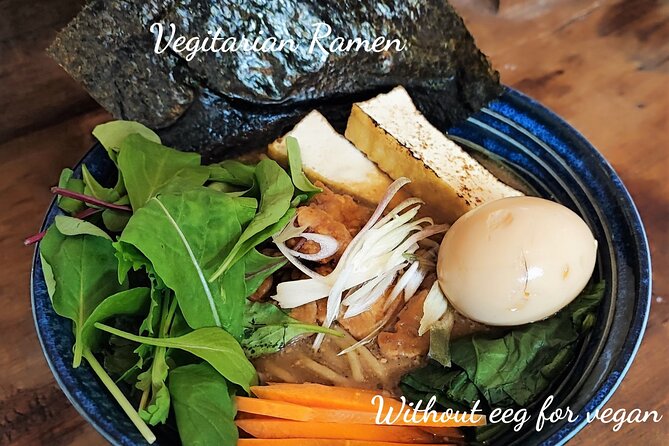
Food restrictions can make cooking classes stressful, especially when ramen broth traditionally depends on fish or meat stock. The good news from what is reported about this experience is that the hosts are able to prepare vegetarian options and also handle no fish/seafood requests.
So if you are vegetarian, or you avoid fish and seafood, you should feel comfortable booking. In at least one account, the hosts made vegetarian options for family members, and another review notes no fish/seafood plus vegetarian support.
What about vegan? The experience title mentions vegan possible, but the details provided in the reviews specifically call out vegetarian and no fish/seafood. So the practical move is to message the provider with your exact vegan needs as soon as you can. Use clear language about what you avoid, especially anything related to eggs, dairy, and fish-based ingredients.
Either way, this class is clearly used to adapting. You are not stuck eating only plain noodles and hoping for the best.
The hosts, Yoshi and Amo, and why small groups work
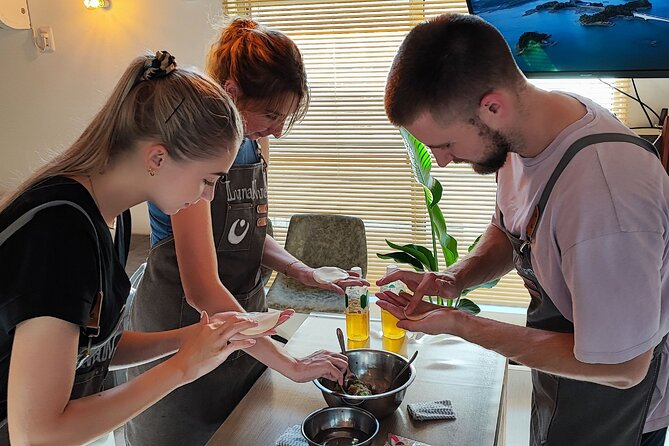
The teaching team is central to the experience. Reviews highlight the warmth and energy of Yoshi and Amo as hosts, and they are described as welcoming, patient, and easy to learn from. That matters more than you might think. Cooking classes can go one of two ways: confident teaching with room for questions, or a rapid-fire demo where you just copy steps blindly.
Here, the repeated theme is personal attention. With a maximum of 12 travelers, you are not lost in a crowd. That size supports a conversation where you can ask, get corrected, and keep moving.
There is also a “host home” feel. Reviews mention a clean, cozy apartment setup that makes people comfortable, including families. People with kids and teens reportedly did well too, and at least one family used the class to learn and customize their own bowl.
And because it is a personal class setting, you may pick up little cultural extras along the way, like lighthearted moments and conversation about the restaurant scene. Even when your main goal is cooking skills, those stories make the meal feel more connected to real Tokyo food culture.
You can also read our reviews of more cooking classes in Tokyo

Price and value at $102.41 for a chef-led meal
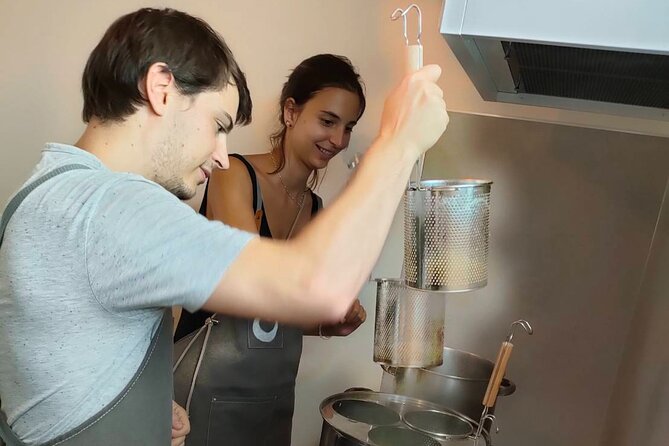
At $102.41 per person, this class is not the cheapest way to eat in Tokyo. But value is not only about cost per bite. You are paying for:
- A professional chef instructor guiding technique
- A small group so attention stays high
- Ingredients provided, so you do not do prep shopping
- Hands-on practice with multiple components, not one mini lesson
- A full meal at the end, with lots of ramen and gyoza reported
When you compare it to buying ramen in a restaurant, the difference is control. In a class, you learn why the food tastes the way it does. At a restaurant, you get the result, but not the process.
This pricing also makes sense given the format: 2 hours, included ingredients, and a limit of 12. If you are traveling as a couple or with family, that small-group structure can be a big upgrade over larger workshops where your questions get ignored.
My advice for getting the best value is simple: treat it as a main meal experience. Plan to eat breakfast normally if you are in the noon class, but do not schedule something heavy right before. Reviews specifically suggest coming hungry, and they are right. You will be making and eating a lot in a short window.
Who should book this ramen and dumpling class
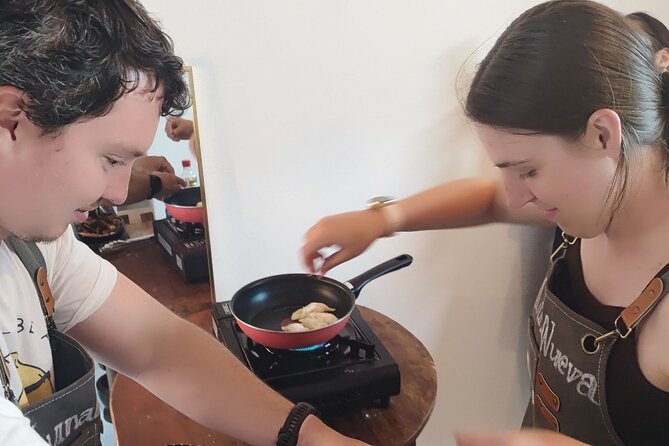
This is a strong pick for:
- Foodies who want to cook, not only watch
- Couples who want a memorable, collaborative activity
- Families with kids who can handle a hands-on kitchen session, with reports of great experiences for ages around 12 and 13
- People who want a break from central Tokyo crowds, since the class is set in a more residential neighborhood
It is also a good choice if you have dietary restrictions like vegetarian or no fish/seafood. The hosts have shown they can adapt, and the class format still supports customization.
You might skip it if you dislike hands-on cooking, or if you need a fully hands-off activity. This is not a tasting only event. It is built around learning with your hands.
Should you book? Yes, if ramen and dumplings are your kind of souvenir
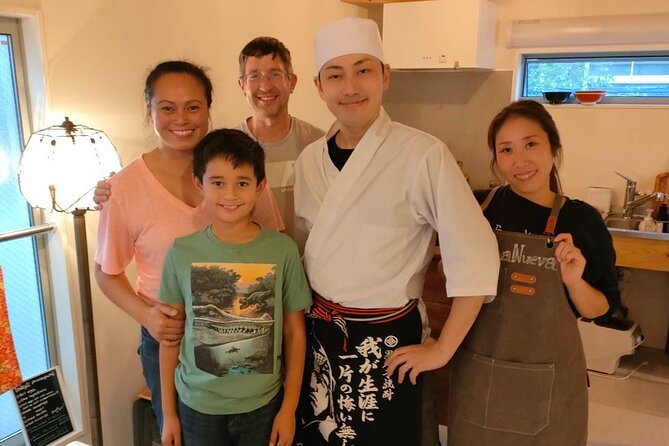
If you want a Tokyo memory you can actually use later, this class is a solid yes. The combination of ramen building blocks, gyoza folding practice, and restaurant-style finishing gives you skills, not just a meal. I especially like that you get feedback and that the group stays small.
Book it if:
- You want to learn broth and noodles, not just eat ramen
- You like learning in a home kitchen setting
- You need vegetarian or no fish/seafood support
- You are okay taking transit to Ekoda Station and starting from there
Think twice if:
- You expect a quick food show and tell, this is a working kitchen class
- You have very limited time afterward, because you will want space to enjoy the meal and settle your timing
In short, this is one of those activities where you leave with dinner skills and a bowl you can recreate, which is about as practical as souvenirs get.
FAQ
How long is the ramen and dumpling cooking class?
It runs for about 2 hours.
Where does the class start?
The meeting point is Ekoda Station, with the address listed as 1 Chome-78 Asahigaoka, Nerima City, Tokyo 176-0005, Japan.
Is there more than one time option?
Yes. You can choose either a morning class or a noon class.
Is the group small?
Yes. The class has a maximum of 12 travelers.
What is included?
All the ingredients you need are provided, and you’ll practice cooking ramen and gyoza techniques with the instructor.
Can the hosts accommodate vegetarian or no fish/seafood diets?
The provided information includes reports that the hosts prepared vegetarian options and also accommodated a no fish/seafood request.
What is the cancellation policy?
You can cancel for a full refund up to 24 hours before the experience starts. After that point, the amount paid is not refunded.
More Cooking Classes in Tokyo
More Food Experiences in Tokyo

More Tour Reviews in Tokyo





Not for you? Here's more nearby things to do in Tokyo we have reviewed








Tokyo Food Tours, side by side.
 ★ 5.0Shinjuku Food Tour (13 Dishes at 4 Local Eateries)From $866,603 reviews
 ★ 5.0Tokyo Bar Hopping Tour in Shinjuku (All-You-Can-Drink + Dinner)From $1063,587 reviews
 ★ 4.9Shinjuku Food Tour (15 Dishes and 4 Eateries)From $852,033 reviews
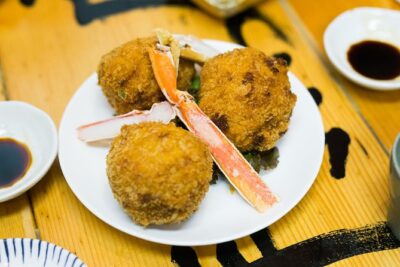 ★ 5.0Best of Shinjuku: Izakaya Food Tour (4 Stops, 14+ Tastings)From $921,863 reviews
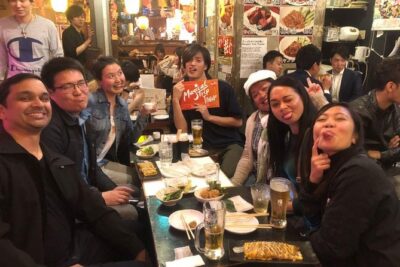 ★ 5.0Shibuya Meltdown Nightlife Tour: All-You-Can-Drink Bar HoppingFrom $1061,058 reviews
 ★ 5.0Eat and Drink Like a Local: Tokyo Ueno Food Tour-Taverns&RamenFrom $95957 reviews
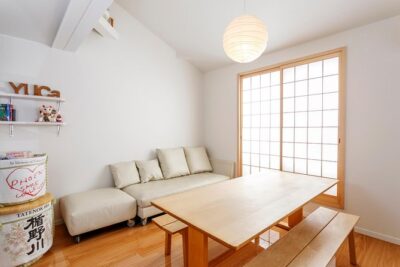 ★ 5.0Ramen & Gyoza Cooking Class in Tokyo with Local Supermarket VisitFrom $122823 reviews
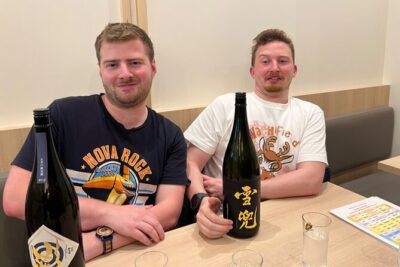 ★ 5.0Shibuya Food Tour (13 dishes and 4 Eateries)From $77770 reviews
This tour also belongs to