
Review · TOKYO CITY TOURS
3h Tokyo E-Bike Tour: Hidden Gems, and Local Life with guide
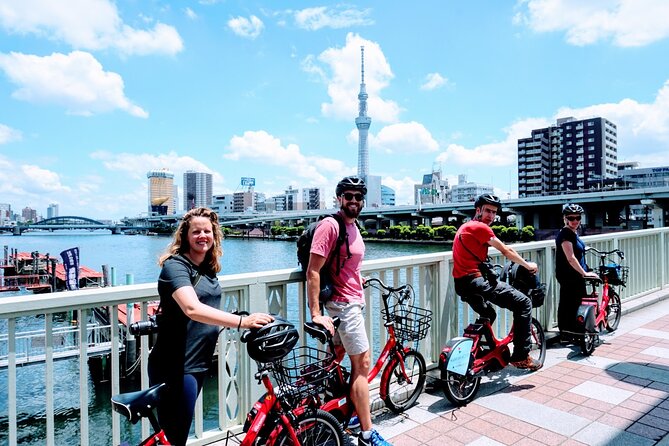
Electric bikes make Tokyo feel walkable. I love how an electric bike keeps the ride easy, so you spend time noticing streets and buildings instead of fighting steep hills or getting wiped out. With an English guide steering the flow, it also feels simple to ask questions and understand what you are passing.
I also like that the route blends major landmarks with local backstreets, so you get orientation fast, not just photo stops. One thing to consider is that you are cycling through parts of central Tokyo, including busier streets, so you need basic comfort riding a bicycle.
Key points before you book
- Kanda as a starting point near JR Kanda Station, with restroom and luggage storage available
- Small group size (max 6) plus close guidance keeps the ride feeling controlled
- AM and PM routes differ, including options for Akihabara, Asakusa, and sumo area Ryogoku
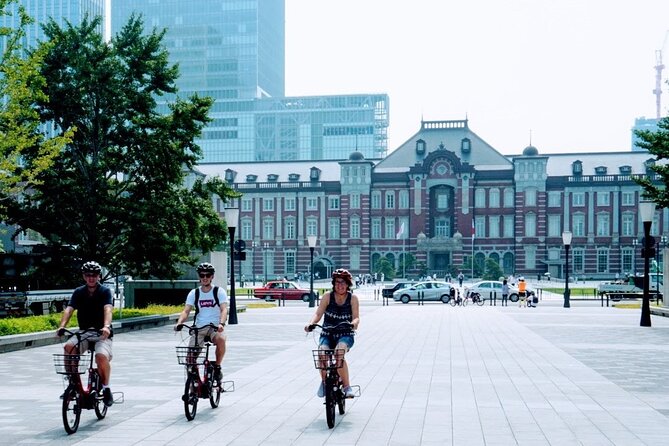
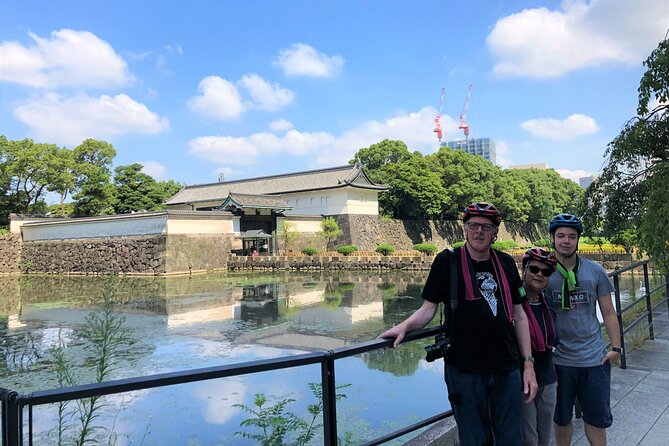
- Imperial Palace area viewpoints like Otemon Gate and the moat setting from street level
- Tsukiji Outer Market streets for old-school food shops and everyday Tokyo flavor
- Included safety and comfort gear like helmet, simple rain gear, insurance, and seasonal add-ons
Why a 3-hour Tokyo e-bike loop works so well
Tokyo is big, and first trips can feel like you are constantly transferring between train lines. This kind of 3-hour e-bike tour is built for the in-between moments: the short rides where you normally would take multiple trains, plus the slow-down time where you can actually look.
The e-bike part matters. You still pedal, but the assist helps you keep an even effort level. That translates to a calmer experience, fewer stop-start sprints, and more time to notice details, like gate architecture, station facades, and the way neighborhoods connect.
You can also read our reviews of more cycling tours in Tokyo
Price and what you get for around $63
At about $63.01 per person for roughly three hours, the value is strongest when you price it as convenience plus guidance, not just bike rental.
Here is what is included:
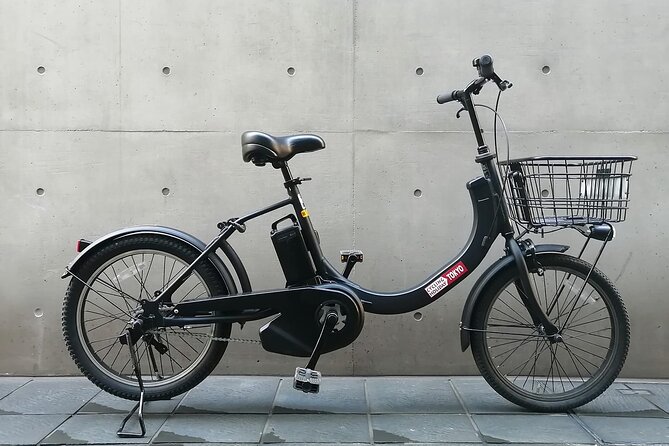
- Rental e-assist bike and helmet
- English guide, plus insurance
- Simple rain gear
- Seasonal items: cooling products in summer and simple gloves in winter
- Luggage storage during the tour (except valuables)
What is not included is also clear: food and drinks are self-pay.
For me, the smart value is that you do not have to coordinate bikes, sorting through pickup rules, or figure out a safe route through busy intersections. The guide also helps keep you oriented, which is hard to replicate on your own when you have a limited time window.
Kanda start: the small-town business Tokyo vibe
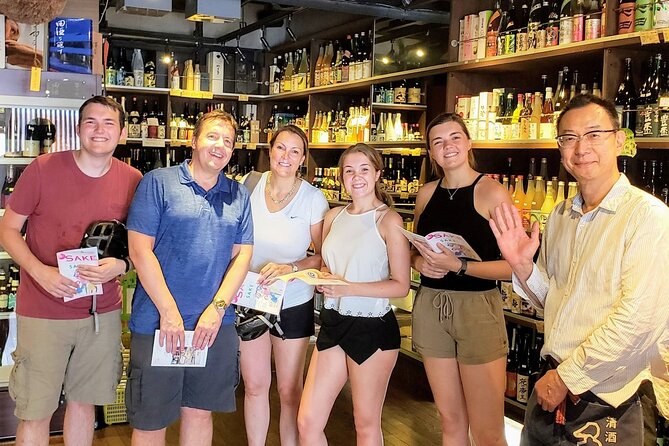
Your ride begins near Kanda Station, just about a minute on foot from the west exit of JR Kanda Station. That is a practical plus on day one, because you can get there by rail without turning your morning into an obstacle course.
Kanda itself is a contrast to the famous sights. It is small-town downtown Tokyo where Japanese business people hang around, and you will notice the kind of bars and side-street energy that rarely shows up in standard sightseeing routes.
What you will like here
- It sets a tone of Tokyo that feels lived-in, not staged.
- The pacing is friendly for learning the bike controls, so you are not stressed before you hit bigger landmarks.
Tokyo Station Marunouchi: history explained right from the street
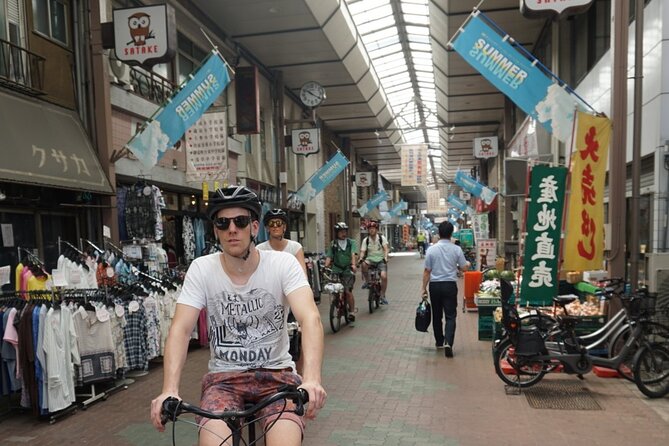
From downtown, you roll toward Tokyo Station (Marunouchi Ekimae Hiroba on the AM route) and get a view of the Marunouchi building area. Your guide explains the station’s history from the street, which is a smart way to understand why this place is such a major hub.
This stop is short, so the goal is not lingering. It is more like: you see it, you get the context, then you move on.
Possible drawback to plan for: Tokyo Station area sidewalks can feel busy, so expect crowding around the bigger streets. The tour format is designed to keep things moving, but you will still feel the city energy.
Imperial Palace moat views and castle-gate passing
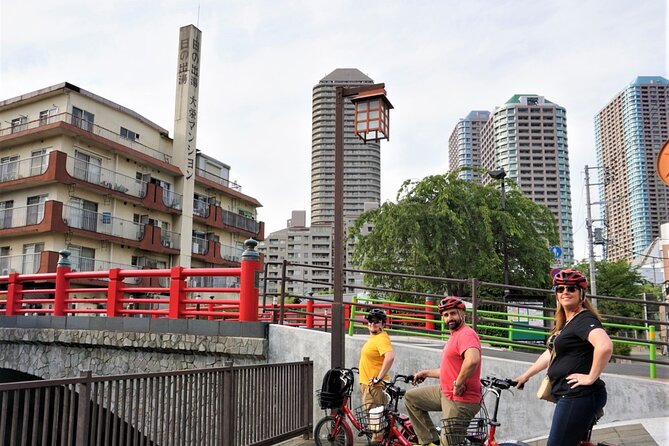
One of the best parts of this tour is how it handles the Imperial Palace area. You are not just told it is important. You get clear sightlines.
On the AM course, you look across the moat at Kokyo Otemon Gate, with the guide pointing out what you can see, including the setting of the area and the “Fujimi yagura” tower reference. You also pass through famous traditional castle gates such as Sakuradamon on the AM route.
There is also a park element near the palace area on the AM schedule, with a large space in the center of Tokyo and seasonal flowers.
Why this works for your trip
- The Imperial Palace zone is huge, and it is easy to feel lost on foot.
- From a bike with a guide, you get a better sense of how the parts connect, and you do not have to guess where to stand for the best angles.
You can also read our reviews of more guided tours in Tokyo
Ginza backstreets versus main streets: you get the choice vibe
Ginza is known for luxury brand stores, but the tour approach is more interesting than the usual storefront parade. Depending on road and pedestrian conditions, you may cycle through backstreets near Ginza, or you may take more direct main streets.
This flexible approach matters because traffic flow in central Tokyo changes day by day. It also means you can end up with a ride that feels more local, when the guide thinks the streets are a good fit.
One practical takeaway I like: if you want shopping streets, you can still find them. If you want the quieter lanes with neighborhood character, you have a shot at that too.
Tsukiji Outer Market streets: old-school food Tokyo
On the AM route, the tour spends time at the Tsukiji Outer Market area. This is not the wholesale market interior. Instead, it is the outer market streets with smaller, older-style food shops lined up along the way.
The time here is short, around ten minutes, so treat it as orientation plus a chance to notice what kind of snacks, shop styles, and street rhythms exist. Then you can return later on your own if something really grabs you.
Tip for getting the most out of this stop: even if you do not buy anything, look closely at the storefront details and the flow of people. It helps you understand how food culture shows up in street design.
Afternoon route options: Akihabara, tools, temples, and sumo area
The afternoon version changes the flavor and gives you a very different Tokyo snapshot compared with the AM loop.
Akihabara: youth and geek culture
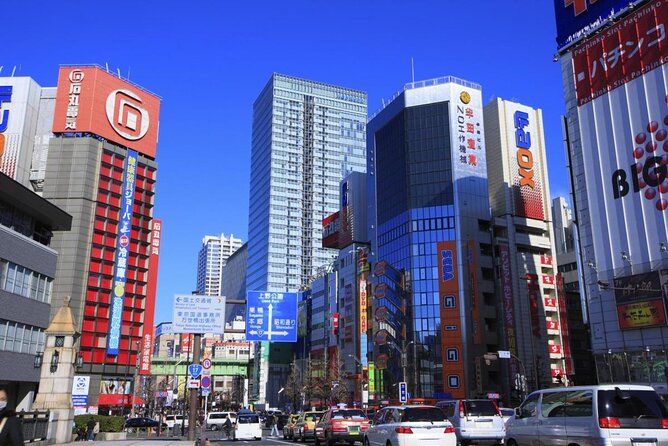
On the PM route, Akihabara is the subculture stop. The tour focus is less on getting you stuck in one kind of shop and more on letting you understand the neighborhood identity, including the culture around things like maid cafe references.
It is also timeboxed, so you are not wandering aimlessly. You are getting a guided introduction, then moving on.
Kappabashi Tool Street: the knife and kitchen obsession zone
Next up is Kappabashi Street (Kappabashi Dogugai), often called Tool Street. This is where you find shops selling professional-style cooking tools, authentic Japanese knives, and kitchen-focused supplies.
If you like food gadgets or you are the type who enjoys browsing specialty stores, this can be a real highlight. The tour also gives time for looking around and shopping.
Asakusa: the temple moment
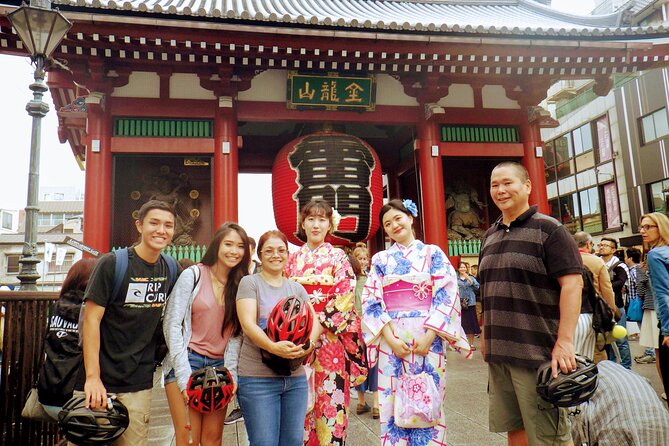
Then you ride into Asakusa, known for the oldest temple in Tokyo and for being the classic place people come to because it feels clearly Tokyo.
This stop is timed to let you see the key setting and absorb the scale without turning your whole day into one long commute.
Ryogoku: sumo area, possible wrestler spotting
On the PM route, you may get to Ryogoku, the sumo wrestler area. The guide keeps expectations realistic, because meeting real sumo wrestlers depends on luck, but this stop is still a meaningful neighborhood story.
Nihonbashi Bridge: the city’s measurement center
The Nihonbashi Bridge appears on both AM and PM routes. It is described as once again the center, and importantly, you get the context that Tokyo’s road distance measurements connect back to this point.
If you like city logic, this kind of fact is fun because it changes how you read maps and how you understand Tokyo’s layout.
How the guide makes the ride feel easy
This tour’s quality depends heavily on guidance quality, and the names you might see include guides like Yo, Jenny, Take, Ted, Kazu, and Ninja. Across them, the pattern is consistent: they explain what you are seeing, keep the group together, and pay attention to safety.
A few concrete ways that shows up in the experience:
- Stops are used for explanation, not just photo time
- The ride pace stays manageable with regular regrouping
- The guide answers questions, so you get context instead of just visuals
If you are the kind of traveler who likes learning how locals do things, you will probably enjoy the way the tour talks about temple customs and rituals. Even when you do not plan to attend a ceremony, it helps you behave correctly if you run into similar settings later.
Comfort and packing: heat, rain, and busy sidewalks
Tokyo weather can be tricky, and this tour acknowledges it.
- In rain: the tour is typically canceled if weather is poor. The decision is made based on forecast checks the day before.
- If it starts raining during a run, the guide decides whether to continue or stop.
- In summer (July to August): Tokyo can get dangerously hot and muggy. The tour uses a heat stress reference called WBGT and may cancel before departure or stop during the tour if conditions are unsafe. In that case, a refund is offered.
What you should pack:
- Towels and sunscreen in summer
- Warm clothes and gloves in winter
- In any season, plan for the fact that you are cycling outdoors, so bring what you need to stay comfortable
From practical experience on e-bikes, you also want to bring a little hydration plan, since you are moving around more than you would walking in the same time window.
Who this Tokyo e-bike tour is best for
This tour fits especially well if:
- You want orientation fast in your first days
- You prefer cycling with guidance over trying to plan safe bike routes alone
- You like a mix of big sights plus side streets
- You want an experience that works for a range of ages, with the minimum age set at 12
It is not the right fit if:
- You cannot ride a bicycle at all, because riding is required
- You feel strongly uncomfortable cycling through busier parts of central Tokyo
- You do not enjoy paced group travel, because you will follow the guide’s flow and stops
Should you book the 3h Tokyo E-Bike Tour with Cycling Holiday Tokyo?
I think this is an easy yes if you want a high-value Tokyo sampler in a short time. The combination of an e-bike, an English guide, insurance, helmet, rain gear, and small-group control makes it a practical way to see a lot without feeling exhausted or lost.
I would hesitate only if you are very sensitive to traffic flow or you expect this to be a slow, fully unhurried ride. This is designed to move. You get smart context and a clean route, not endless wandering.
If your schedule allows, book the time slot that matches the neighborhoods you want most: AM leans into places like Kanda, Tokyo Station, Imperial Palace area viewpoints, and Tsukiji, while PM adds a strong hit of Akihabara, Kappabashi, Asakusa, and Ryogoku.
FAQ
How long is the Tokyo e-bike tour?
It runs for about 3 hours.
What does it cost per person?
The price listed is $63.01 per person.
What is included with the tour?
You get a rental e-assist bike, a helmet, an English guide, insurance, simple rain gear, and simple gloves in winter or cooling products in summer. Luggage storage (except valuables) is also available during the tour.
Are food and drinks included?
No. Food and drinks are self-pay.
Where do I meet for the tour?
The meeting point is Cycling Holiday Tokyo at 3-chōme-8-6 Uchikanda, Chiyoda City, Tokyo 101-0047. The shop is near Kanda Station, about a 1-minute walk from the west exit of JR Kanda Station.
Do morning and afternoon tours include different areas?
Yes. You can choose a morning or afternoon time, and the routes differ. The AM and PM courses include different stops.
Which sights can be included on the route?
Depending on the course, you may see Kanda, Tokyo Station Marunouchi, the Imperial Palace area (including Otemon Gate and Sakuradamon), Tsukiji Outer Market, Akihabara, Kappabashi Tool Street, Asakusa, Ryogoku, and Nihonbashi Bridge.
Is the guide available in English?
Yes. The tour includes an English guide.
What happens if it rains?
If the forecast is poor, the tour will be canceled. If it rains during the tour, the guide decides whether to continue or stop. In very hot conditions during summer, the tour may also be canceled or stopped for safety.
What are the age and riding requirements?
Minimum age is 12. Minimum height is 147 cm. You must be able to ride a bicycle, since you cannot join if you cannot ride.
More Cycling Tours in Tokyo
More Tours in Tokyo




More Tour Reviews in Tokyo


Not for you? Here's more nearby things to do in Tokyo we have reviewed












Tokyo City Tours, side by side.
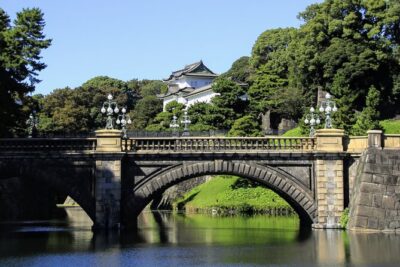 ★ 5.01-Day Tokyo Bus TourFrom $12914,250 reviews
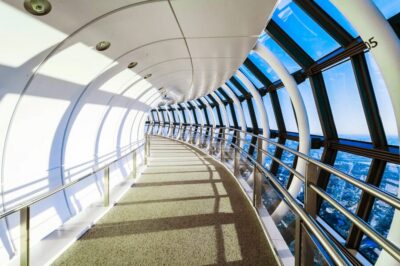 ★ 4.5TOKYO SKYTREE® Admission ticketFrom $1311,192 reviews
 ★ 4.6teamLab Planets TOKYO Digital Art Museum Entry TicketFrom $259,779 reviews
 ★ 4.0Mt Fuji & Hakone Cruise, Drum Show Bullet Train 1 Day from TokyoFrom $1497,413 reviews
 ★ 5.0Shinjuku Food Tour (13 Dishes at 4 Local Eateries)From $866,603 reviews
 ★ 4.4Tokyo Mt Fuji 5th St & Hakone Cruise Bus Tour w/Bullet TrainFrom $1545,024 reviews
 ★ 5.0Flagship 2-Hours Official Street Go-Kart Tour – Tokyo Bay ShopFrom $644,974 reviews
 ★ 4.5From Tokyo: Mount Fuji Full-Day Sightseeing TripFrom $684,970 reviews
This tour also belongs to