
Review · SHIBUYA TOURS
Kintsugi Workshop Class in Shibuya, Tokyo with mon cadeau
Broken pottery gets a second life in gold. In Shibuya, this kintsugi workshop with mon cadeau turns a busy afternoon into hands-on Japanese craft, starting with matcha tea and taught with patient help from Michiko-san and Yuki-san.
I especially like the very small group size, because you actually get attention while you work. I also like that you make a physical take-home item, so the philosophy sticks after the class ends. One possible drawback to plan around is that the booking is non-refundable and cannot be changed.
Key Things I’d Plan Around
- Small group (max 6) means more guidance and less waiting your turn
- Matcha tea and local sweets set a calm tone before you touch the materials
- Your chosen crockery piece makes the workshop feel personal from minute one
- Step-by-step instruction helps you get the gold repair technique right
- Take-home results so you bring a restored object back with you
Kintsugi Workshop in Shibuya, Tokyo: What You’re Actually Doing
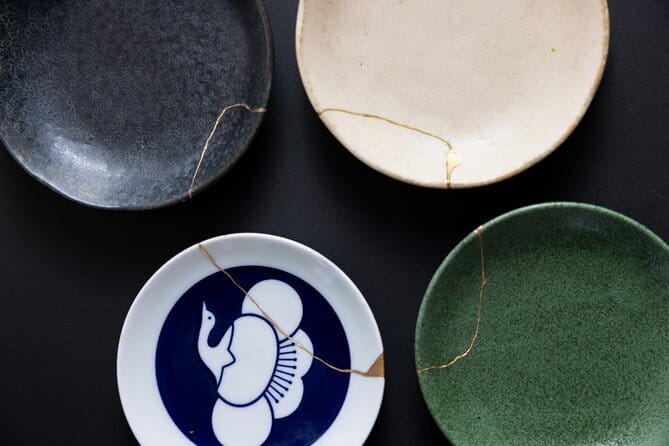
If you’ve seen kintsugi photos, you already know the look: repaired pottery with gold lines where it used to break. What I love about this Shibuya class is that it is not just sightseeing-by-hand. You’re learning the mindset behind the technique, and you’re practicing the actual steps that turn damage into something intentional.
This is also a rare type of Tokyo experience because it slows you down without dragging you out into the countryside. You start with a calm tea moment, you learn the origins and traditions of kintsugi, then you work on a piece from the Mon Cadeau collection. In about two hours, you leave with a beautifully restored item.
The workshop is priced at $145.35 per person, which is not cheap for “just an activity.” But it is still good value when you compare it to classes that give you only a short demo. Here, you get guided hands-on time, tea and snacks, and a take-home result.
More Tokyo tours and experiences for the shortlist


Arriving at Central Hospital, Shibuya, and Getting Settled Fast
The meeting point is Central Hospital, 25-1 Shinsenchō, Shibuya, Tokyo 150-0045. The experience ends back at the meeting point.
In practical terms, that matters because it keeps your afternoon simple. Shibuya can be a maze, so I like having a start-and-finish plan that does not require you to navigate long distances between stops. Also, the class runs for about two hours, so you do not lose half a day to transport.
You’ll use a mobile ticket, and you get confirmation at booking. That setup is helpful if you like to keep everything in your phone app, rather than printing or scrambling for paperwork.
Matcha Tea First, Then the Real Craft Begins
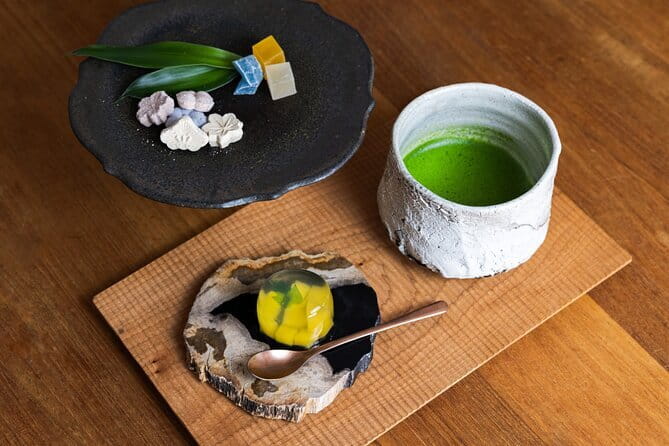
Most kintsugi workshops start with the technique. This one starts with the mindset. You begin with calming matcha tea, plus local sweets. The point is simple: you get in the right headspace before you handle anything fragile or sticky.
That warm start comes through clearly in how people describe the experience. The tea is part of the welcome, and the snacks keep the whole thing from feeling clinical. It also makes the class feel more like being invited into someone’s home than stepping into a factory-style lesson.
Once you’re settled, the instructor sets up the workflow: what you’ll learn, what you’ll do next, and how you’ll know you’re on track. If you’ve never done repair craft before, this pacing is a big deal. You’re not dropped into the hardest step immediately.
Choose Your Piece of Crockery: The Moment It Feels Personal

A key part of this workshop is that you choose your own piece of crockery to repair from Mon Cadeau’s collection. That choice changes everything.
Instead of making a generic craft souvenir, you are restoring something that feels connected to you. Your object becomes your project, and your gold repair lines end up telling your story, not just the instructor’s.
During this section, you also learn about the origins and traditions surrounding kintsugi. The big idea you’re working toward is that broken pottery in Japan has long been fixed and often treated as more beautiful because of what it reveals.
If you like experiences where you learn meaning as you work, this class gives you that two-track structure: technique and context, side by side.
Step-by-Step Kintsugi Technique with Michiko-san and Yuki-san
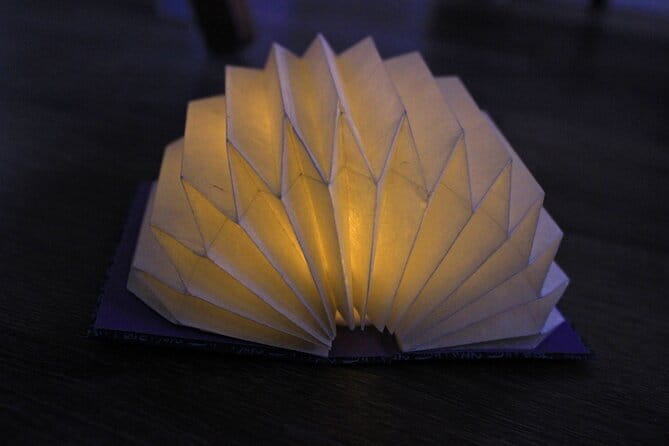
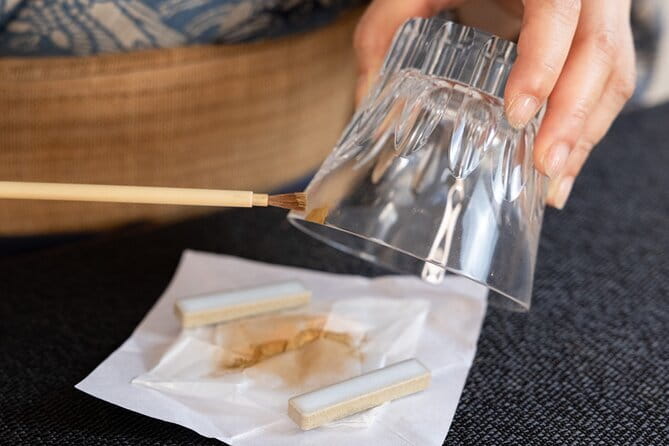
The workshop uses instructor demonstrations, then hands-on practice. In other words, you watch what to do, then you do it, with help as you go.
Michiko-san and Yuki-san are frequently mentioned for guiding people through every step, with a pace that suits beginners. That patient approach shows up in the way the class is described: people feel welcomed, they get answers while they work, and they do not feel rushed.
That’s important because kintsugi is detail work. Even when the concept is simple, the process needs care. Having someone watching your progress helps you avoid the most common beginner mistakes, like moving too fast, applying unevenly, or getting unsure mid-step.
You can expect personalized guidance throughout. For a two-hour class, that kind of attention is exactly what makes the difference between a good souvenir and a genuinely satisfying result.






What the Class Includes While You Work
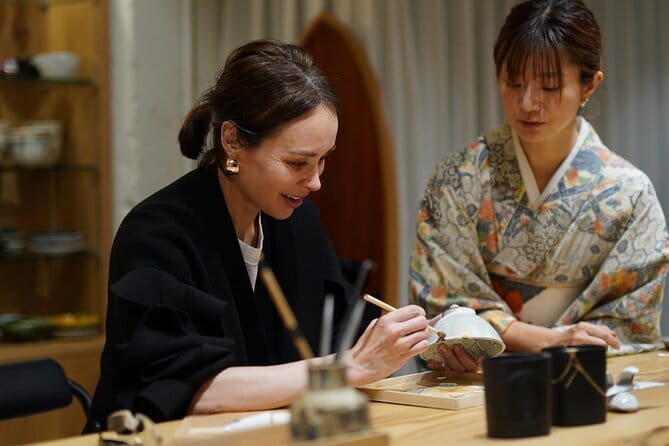
Even though the workshop is short, it covers the parts you actually care about:
- A calm start with matcha tea and local sweets
- A walkthrough of the origins and traditions behind kintsugi
- Step-by-step demonstrations of the technique
- Hands-on restoration of your chosen crockery piece
- Personalized help so you can finish successfully
- A restored item you can take home
The workshop also sets expectations well. You’re told what you’re doing and why, and you have time to complete the main repair process rather than just watching someone else do the work.
Tea, Snacks, and the Home-Feeling Atmosphere
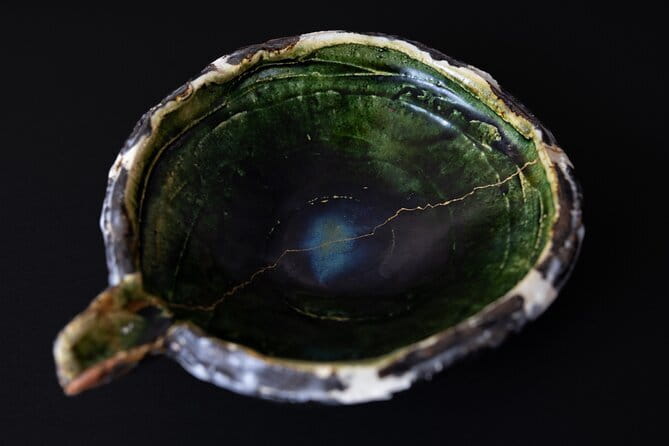
People consistently highlight the welcome. It is not just friendliness, it is the way the whole room is set up for comfort and success.
Michiko-san’s hospitality comes up repeatedly, including the idea that the class feels like you are being invited in to have fun learning an art and philosophy with real patience. Yuki-san is also mentioned as kind and helpful.
This matters for practical reasons. If you are traveling solo, it can feel good to have that warm, low-stress introduction. If you are traveling with a partner or family member, it helps keep the experience relaxed instead of turning it into an awkward “try to coordinate” activity.
And yes, the tea and snacks get praised for being genuinely good, not just included as a token.
Small Group Size and a Private Experience in Shibuya
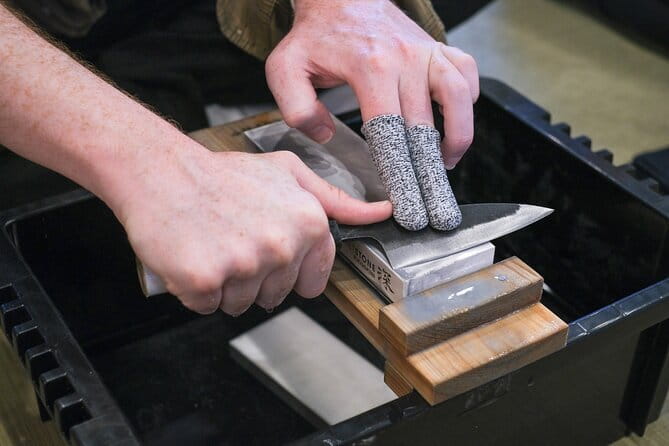
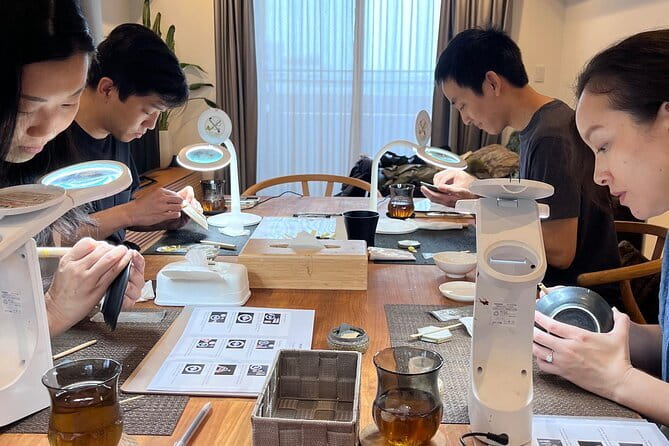
The class caps at a maximum of 6 travelers. It’s also a private tour or activity, meaning only your group participates.
That combination is a value point. In small groups, instructors can correct mistakes early, not five minutes after you’ve already learned the wrong motion. You also get more speaking time, which is useful even if your Japanese is limited. You can ask questions, confirm steps, and move forward confidently.
If you want an experience that feels personal rather than crowded, this is the right kind of workshop. It is also a good option if you’re visiting Shibuya for the first time and want a break from shopping crowds and nonstop walking.
Price and Value: Is $145.35 Worth It?
At $145.35 per person, this workshop sits in the “pay for quality” category. It is not a bargain, but it also is not priced like a full-day tour.
Here’s what you’re paying for, based on how the class runs:
- Hands-on restoration time rather than a quick demonstration
- Step-by-step coaching from instructors, including Michiko-san and Yuki-san
- Small group attention (max 6)
- Tea and local sweets as part of the experience
- A take-home restored crockery piece, which gives the class a lasting payoff
When a workshop includes a take-home object plus personalized guidance, I usually treat the price as more like a craft lesson than an attraction ticket. This feels closer to “you’re learning a skill and leaving with the result” than “you’re watching an activity.”
If you enjoy making things, learning a cultural technique, and taking home an item you will actually use or display, the price makes sense.
Timing: How Two Hours Works in Real Life
The duration is about two hours. In a city like Tokyo, that time window is convenient. You can fit it between other Shibuya plans without burning your whole afternoon.
Also, two hours is long enough to do more than one quick try. You get time for demonstrations, hands-on repair, and to finish with a restored outcome.
The practical win is that you do not have to plan a half-day buffer around the class. If you’re someone who likes structured activities with clear start and end points, this workshop does that.
What You Take Home, and How to Think About a Repaired Piece
Your workshop ends back at the meeting point, and you take home your beautifully restored crockery item.
Treat that final takeaway like a craft project, not a disposable souvenir. Even if the repair is the goal, your item is still a fragile repaired object. Plan to transport it carefully on public transit and keep it protected until you find a safe spot at your lodging.
One of the best parts of kintsugi is the visual lesson. Gold repair lines make the break visible on purpose. So when you look at your item later, it’s not just pretty. It’s a reminder that damage can be handled thoughtfully, and that the repair can become part of the design.
Who This Workshop Is Best For
I’d put this kintsugi workshop high on the list if:
- you want a hands-on cultural activity in Shibuya, not another museum hour
- you like learning by doing, with guidance rather than trial-and-error
- you appreciate small groups and a calm pacing
- you want a take-home item with meaning, not just a photo
It may not be ideal if:
- you want a long, multi-stop sightseeing day
- you need a fully flexible schedule, since the booking is non-refundable and not changeable
Should You Book This Kintsugi Workshop with mon cadeau?
If your goal is a calm, guided craft session with a real take-home result, this is an easy yes. The combination of a maximum 6-person group, step-by-step coaching, and the warm hospitality around matcha tea and snacks creates the kind of experience that actually sticks.
Book it if you like the idea of repairing broken pottery with gold and learning the traditions behind it, while getting personal help from instructors like Michiko-san and Yuki-san.
Skip it if you are not ready for a non-refundable commitment, or if you prefer big, itinerary-heavy days where you’re constantly moving from one landmark to the next. For the right traveler, though, this is the kind of Tokyo class that feels both meaningful and doable.
FAQ
How long is the kintsugi workshop?
The workshop lasts about 2 hours.
Where is the meeting point?
The meeting point is Central Hospital, 25-1 Shinsenchō, Shibuya, Tokyo 150-0045, Japan.
How many people are in the group?
The class is limited to a maximum of 6 travelers.
Is this a private activity?
Yes. Only your group will participate.
What refreshments are included?
The experience begins with matcha tea and includes local sweets/snacks during the workshop.
Do I get to choose the pottery piece to repair?
Yes. You choose your own crockery piece from Mon Cadeau’s collection.
Will the instructor teach the process step by step?
Yes. The instructor provides step-by-step demonstrations and gives personalized guidance while you restore your selected piece.
Are service animals allowed?
Yes, service animals are allowed.
What is the cancellation or refund policy?
This experience is non-refundable and cannot be changed for any reason. If it is canceled because a minimum traveler requirement isn’t met, you are offered a different date or a full refund.
More Workshops & Classes in Tokyo

More Tour Reviews in Tokyo
Not for you? Here's more nearby things to do in Tokyo we have reviewed








Shibuya Tours, side by side.
 ★ 5.0Official Street Go-Kart in ShibuyaFrom $763,435 reviews
 ★ 4.9Street Kart Experience in ShibuyaFrom $741,484 reviews
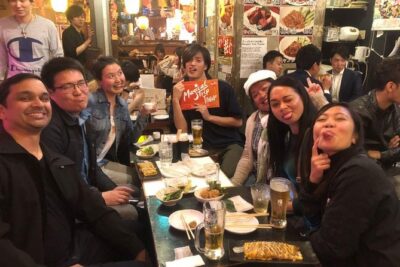 ★ 5.0Shibuya Meltdown Nightlife Tour: All-You-Can-Drink Bar HoppingFrom $1061,058 reviews
 ★ 5.0Shibuya Official Street Go-Kart in Shibuya AnnexFrom $69972 reviews
 ★ 5.0Shibuya Food Tour (13 dishes and 4 Eateries)From $77770 reviews
 ★ 5.0Best of Shibuya Food TourFrom $217612 reviews
 ★ 4.8Shibuya Highlights Walking TourFrom $19601 reviews
 ★ 4.7Premium Go-Kart Tour with Tower & Shibuya CrossingFrom $116528 reviews
This tour also belongs to