
Review · MEIJI SHRINE TOURS
Tokyo: Meiji Jingu Cultural Walking Tour with Japanese Historian
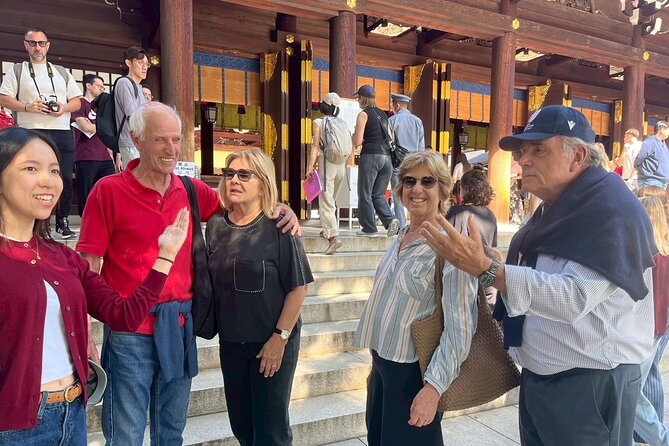
Meiji Jingu makes Tokyo feel quieter. This 2-hour cultural walk at Meiji Jingu Shrine explains Shinto in plain English, so the site becomes more than a backdrop for photos. You get a calm route through major shrine features while a Japanese student historian guides the story.
I like the student historian angle most. Guides such as Noriko and Shota have a way of making concepts feel practical, clear, and friendly, and they also share trip advice when you ask. I also love that the focus is meaning over photo stops, with discussion welcome instead of rushed checkpoints.
One possible drawback: this is a slower, explanation-led walk. If you want a purely self-paced shrine visit with no lessons or talk, you might find the cultural conversation takes more time than you expected, even though it stays to about 2 hours.
Key things I think you will love
- Student-led English explanations that connect Shinto ideas like kami, nature, and ancestors to what you see at the shrine
- Meiji Jingu context you can actually use, including why the shrine was built and who it enshrines
- A calm pacing that fits a first Tokyo visit, especially if you want less chaos and more understanding
- Rituals, architecture, and sacred space explained, so details stop being random
- Small, private format that keeps questions from getting lost in the crowd
A Quiet Break in Harajuku, Meiji Jingu on Foot
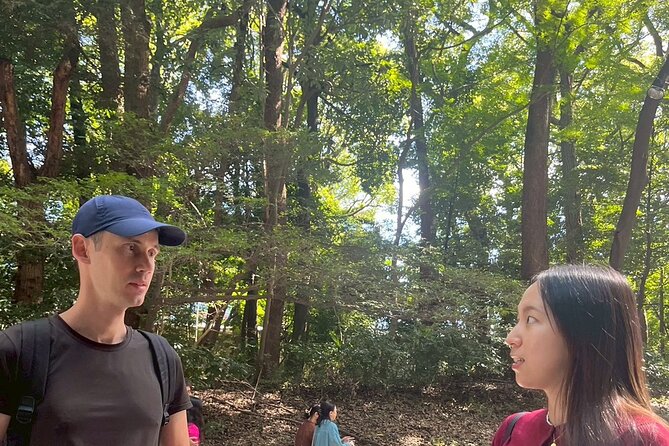
Meiji Jingu is one of Tokyo’s best reality checks. You step out of the city’s pace and into a shrine setting where the mood shifts fast, with greenery and a sense of stillness. That calm is the whole point, and the tour leans into it instead of fighting it.
The attraction here is not speed. This walk is built around cultural meaning, with an English-guided pace that keeps you oriented. You are not just looking at structures and trees, you are learning what they represent and why Japanese people still care about them today.
If you like experiences that help you understand what you are seeing, this tour fits your style. If you mostly want quick photo ops, you may prefer something more sightseeing-heavy.
You can also read our reviews of more walking tours in Tokyo


Finding WITH HARAJUKU and Starting at the Right Moment
The meeting point is WITH HARAJUKU, 1-chōme-14-30 Jingūmae, Shibuya, Tokyo 150-0001. The tour ends back at the same meeting spot, which makes the logistics easy after you are done.
It is near public transportation, which matters because Meiji Jingu can feel like it is “far” only because the walking routes from different Tokyo areas can be confusing. Having a clear starting point in Shibuya/Hara juku is a big help.
Timing-wise, plan around the full 2 hours. The main shrine time is about 1 hour 30 minutes, and the remaining time is there for an introduction, movement between key points, and questions.
One practical tip: if you are already juggling a full day of Tokyo stops, this is the kind of activity that balances the schedule. It is short enough to fit into a busy itinerary, but it still gives you time to slow down.
English Guided by Japanese Student Historians (Names Included)
This is a private tour/activity, so only your group participates. That alone changes the feel. You can ask questions without feeling like you are interrupting a larger group.
The guide is a Japanese student historian, and the tone is thoughtful but approachable. Several reviews highlight guides such as Noriko and Shota, praised for clear English and attentive, kind hosting. That matters because Shinto concepts can be easy to misunderstand if you are left with vague interpretations.
You can also expect a guide who knows how to explain the basics without talking down. In other words, you should feel like you are learning something real, not just getting a few captions in English.
And yes, the friendliness shows up beyond the lesson. Some guides have been described as offering helpful advice for your trip in Japan, which is a nice bonus when you are trying to plan the rest of your days.
The Shrine Walk: Calm Grounds, Big Moments, and What You Notice
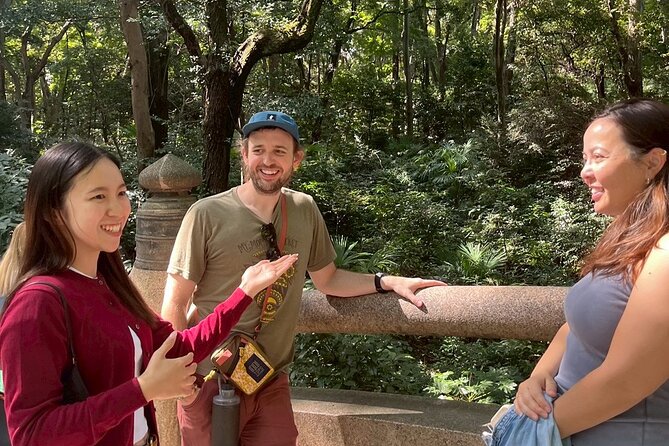
The core of the experience is the time at Meiji Jingu Shrine. You explore the spiritual heart of Tokyo with explanations that connect what you see to why it matters.
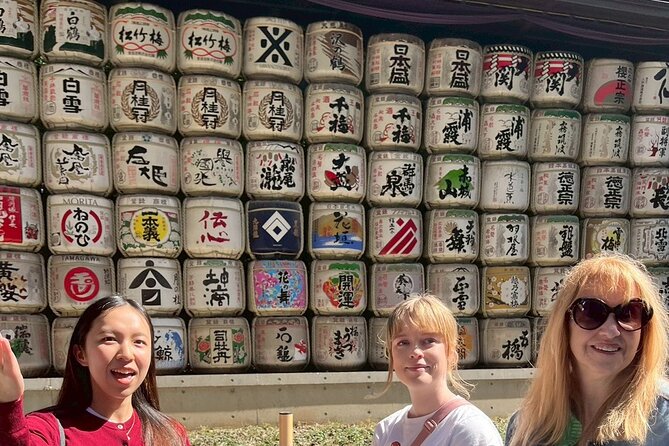
Expect the walk to include major shrine sights such as the grand torii gate, the sense of vast nature on site, and details like pure water areas. You are not just passing by. Your guide explains what the shrine is, how a shrine fits into Japanese spiritual life, and how the space shapes understanding.
This is where the tour becomes more than a standard sightseeing stop. A self-guided walk can be beautiful, but you can end up with a checklist of things you saw and little sense of meaning. Here, you build meaning while you walk.
The pace is relaxed. Reviews repeatedly mention how quickly the 2 hours pass, which usually means the conversation stays engaging and the route is paced for understanding, not fatigue.
Learning Shinto: Kami, Nature, Ancestors, and Daily Values
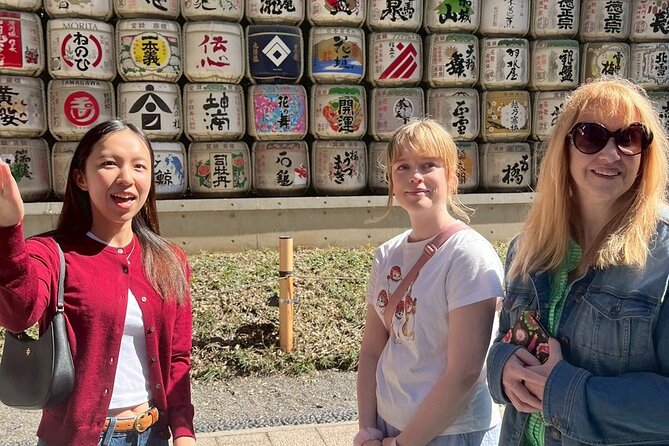
The tour is explicitly built to explain the basic ideas of Shinto, not just to show you shrine scenery. You will learn core concepts such as kami, nature, and ancestors, then connect those ideas to what Japanese values look like in everyday life.
That connection is the valuable part. It is one thing to hear that Shinto is a tradition. It is another to understand why it still shows up in how people think and behave.
Your guide also explains how Shinto shapes attitudes, so the shrine starts to make cultural sense. Instead of treating rituals as costumes for visitors, you learn why they exist and how sacred spaces function.
This is ideal if you are the type of person who likes explanations with examples you can picture. You might not leave with a written textbook, but you should leave with a mental framework that makes your next shrine stop, or even a neighborhood shrine you pass later, easier to interpret.






Why Meiji Jingu Was Built and Who It Enshrines
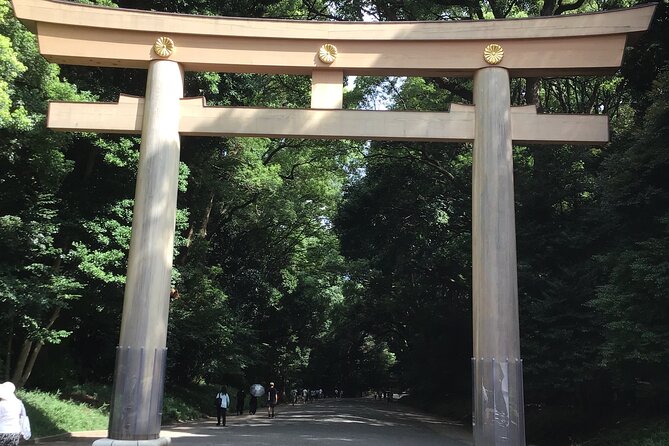
One big highlight is the story behind Meiji Jingu itself. Your guide explains why the shrine was built and whom it enshrines, including the role of Emperor Meiji.
That background helps you understand why the site feels ceremonial even when you are simply walking. When you know what is being honored and why the space was created, the details stop feeling random.
And the tour does not stop at dates and names. You also get context about the shrine’s cultural significance, including why it remains important to Japanese people today.
If you enjoy connecting a place to a larger national story, this part is for you. It gives the tour direction, so you are not just floating from one scenic element to the next.
Rituals, Architecture, and Sacred Spaces (With Meaning)
Another strong point is that your guide addresses the meaning behind rituals, architecture, and sacred spaces. This is a big deal because shrine architecture and design can look straightforward until you learn the cultural logic behind it.
The tour is set up to interpret these elements with you. That means you are paying attention with purpose, not just trying to remember what you saw.
Also, questions and discussion are welcome. That makes the tour feel like a conversation rather than a scripted lecture. If you get curious in the moment, you have permission to ask.
There is also a chance to see museum exhibits during the experience, which some guides incorporate into the flow. That added layer can turn the visit from “just walking outdoors” into a fuller cultural snapshot.
Timing, Pace, and What to Do Before You Go
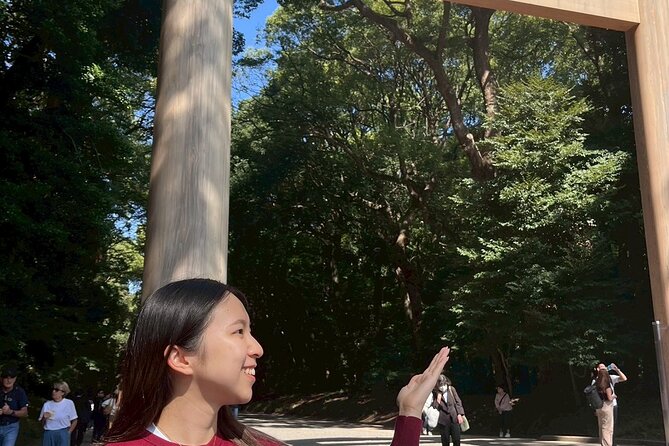
The total duration is about 2 hours. Most of that time is shrine exploration at around 1 hour 30 minutes, which gives you a solid chunk for both walking and explanation.
Because this is a calm, meaning-focused tour, it is a good idea to arrive a bit early. You want enough time to settle in mentally before you start learning terms like kami and the structure of shrine life.
What to bring is simple and practical:
- Comfortable shoes, because you are walking through shrine grounds
- Weather-appropriate layers, since Tokyo conditions can shift quickly
- A few questions in your notes app, if you like asking targeted things
If you are doing other sightseeing right before this, consider building in a short break first. This tour works best when your brain can slow down enough to follow the cultural connections.
Price and Value: What $19.55 Actually Buys You
At $19.55 per person, this is one of those deals that feels almost too easy to justify. The cost matters less than what you get for it: structured English explanations, a small private format, and entry included for the shrine time.
You are paying for someone to translate meaning, not just to point things out. That translation is often the biggest challenge for short visits in Tokyo. If you have limited time, paying to understand a major site is usually the smarter use of your hours.
It also helps that the tour is booked ahead on average, around 42 days. If you have firm travel dates, reserve early. Popular culture walks at major shrines can fill up, and waiting until the last minute can corner you into less ideal time slots.
Value here is not only price. It is clarity. You should leave feeling like you can explain the basics of Shinto and Meiji Jingu to someone else without sounding like you memorized a brochure.
Who This Tour Fits Best (and Who Might Prefer Something Else)
This tour is a great fit for first-time visitors who want a deeper understanding of Japanese culture without getting lost in jargon. If you are curious about tradition and identity, the Shinto focus is exactly on target.
It is also a strong match if you like discussion and Q&A. Since questions are encouraged, you can tailor the learning to your interests, like how everyday values connect back to sacred traditions.
You might consider another option if your ideal shrine visit is purely visual and self-paced. This experience is structured, and the explanation is central. It is calm, but it is still guided.
If you want to mix in your own exploration time, plan to arrive with breathing room after the tour. You will likely want to look around again with your new understanding.
Should You Book the Tokyo Meiji Jingu Cultural Walk?
If you care about meaning, not just sights, book it. For around two hours, you get English guidance from Japanese student historians, context about Meiji Jingu and Emperor Meiji, and a clearer understanding of Shinto ideas like kami, nature, and ancestors. You also get interpretation of rituals, architecture, and sacred space, which is exactly what turns a shrine visit into a cultural experience.
Skip it only if you dislike guided explanation. This is not built around quick photo stops. It is built around understanding, with a calm pace and room for questions.
FAQ
FAQ
How long is the Meiji Jingu Cultural Walking Tour?
The tour lasts about 2 hours.
What is included in the tour price?
Admission is included for the shrine portion of the tour.
Where does the tour start?
The meeting point is WITH HARAJUKU, 1-chōme-14-30 Jingūmae, Shibuya, Tokyo 150-0001, Japan.
Is the tour private?
Yes. Only your group will participate.
Is the guide’s tour in English?
Yes. The walk is English-guided, with explanations in clear English.
Will I get a mobile ticket?
Yes. The tour uses a mobile ticket.
What topics will the guide cover?
You will learn the basic ideas of Shinto, why Meiji Jingu was built and whom it enshrines, how Shinto shapes everyday Japanese values, and the meaning behind rituals, architecture, and sacred spaces.
Is it good for first-time visitors to Japan?
Yes, it is suitable for first-time visitors who want culture, tradition, and history.
Is it easy to reach by public transportation?
Yes. The meeting point is near public transportation.
Is free cancellation available?
Yes. You can cancel for a full refund up to 24 hours in advance. Confirmation is received at booking, and you get the details needed for the mobile ticket.
How far in advance should I book?
On average, this experience is booked about 42 days in advance, so booking early is a smart move if your dates are fixed.
More Walking Tours in Tokyo


More Tours in Tokyo


More Tour Reviews in Tokyo
Not for you? Here's more nearby things to do in Tokyo we have reviewed












Meiji Shrine Tours, side by side.
 ★ 4.7Meiji Shrine, Asakusa, Skytree Bus Tour and CruiseFrom $1221,986 reviews
 ★ 4.5Tokyo Panoramic 1 Day: Meiji Shrine, Asakusa, Odaiba and SKYTREE®From $851,222 reviews
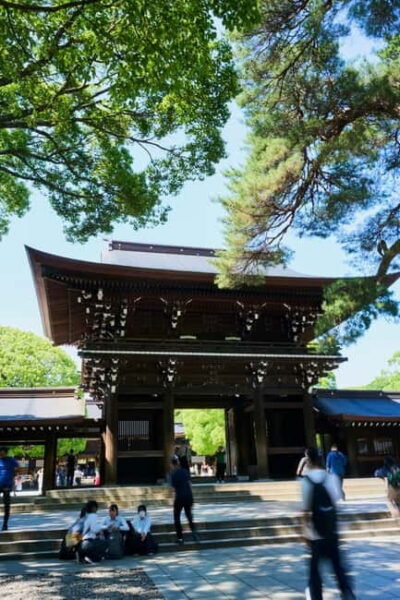 ★ 4.9Meiji Shrine Walking Tour — Shinto & Imperial SystemFrom $23266 reviews
 ★ 5.0Meiji Jingu Shrine and Shinto Culture Walking TourFrom $19245 reviews
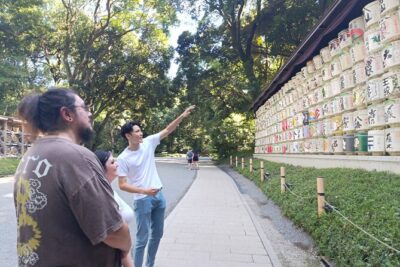 ★ 5.0Meiji Shrine and Shinto Culture Walking TourFrom $18225 reviews
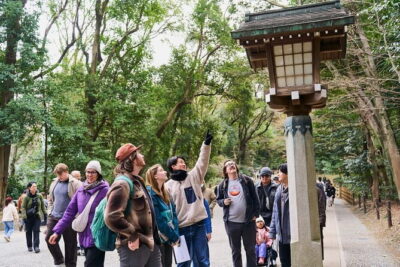 ★ 5.0Meiji Shrine Walking Tour — Shintoism & Imperial SystemFrom $21209 reviews
 ★ 5.0Tokyo Morning Tour : Meiji Shrine, Asakusa and Fish MarketFrom $72102 reviews
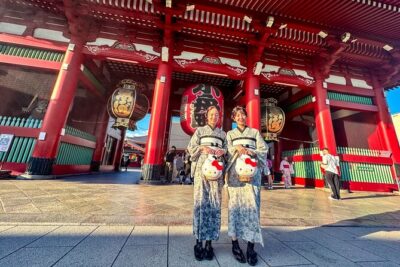 ★ 5.0Full Tokyo: Meiji Shrine, Imperial Palace, Asakusa & SkytreeFrom $3978 reviews
This tour also belongs to