
Review · SHIBUYA TOURS
Shibuya Hands On Sushi Making Class with Chef
Making sushi in Shibuya is oddly calming. You get fresh fish to work with and a chef who can explain what matters in rice, shaping, and rolling. The big win here is learning by doing, not watching. One thing to keep in mind though, you only have about 90 minutes, so you will get a strong taste of technique, not full mastery.
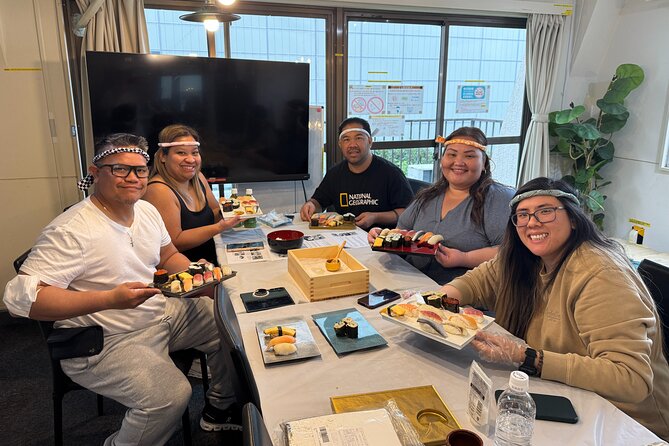
I like that this is built for beginners and first-timers, but it still feels legit. You will put on a traditional hachimaki headband, make more than 7 pieces, and then sit down with your group to eat what you made. The group is small, max 6 travelers, so questions do not get swallowed.
Quick hits you’ll care about before you book
- Small group size (max 6): more time with the chef, fewer people fighting for attention
- Make more than 7 pieces: you leave with actual sushi, not just samples
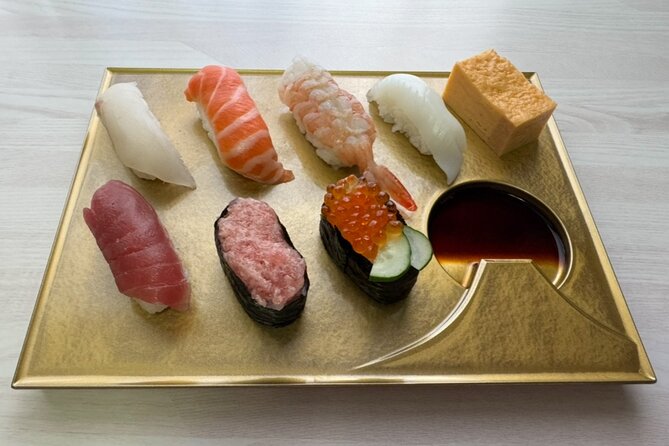
- Nigiri, maki, and gunkan training: you practice multiple styles, not one trick
- Hachimaki + tenugui souvenir: small details that make it feel like a real Japanese class
- Toppings include tuna, salmon, and gizzard shad: you get variety beyond the usual favorites
- Mobile ticket: easy to manage on your phone in Tokyo
Entering the class: Shibuya meeting point and first impressions
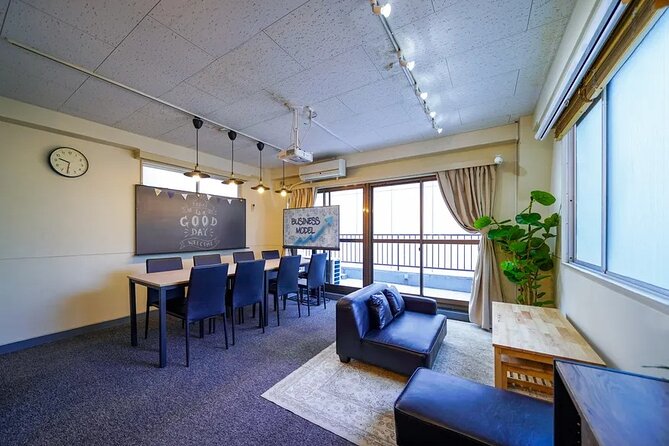
This class starts in Shibuya, at 2-chōme-14-6 Shibuya, Tokyo 150-0002. That matters because Shibuya is easy to reach from most areas of Tokyo, and the tour is listed as near public transportation. You will meet, get settled, and then the chef walks you into the basics.
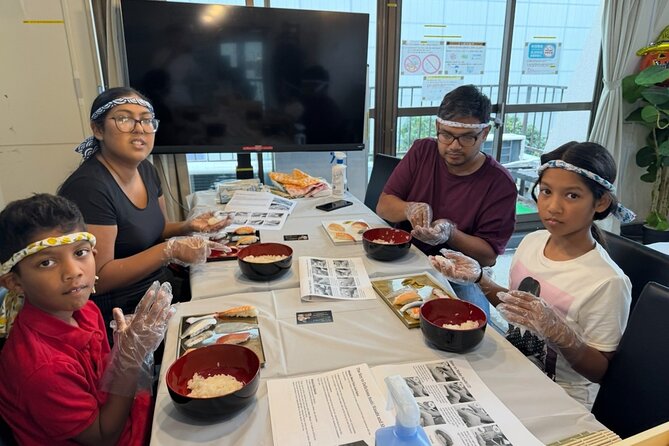
A practical detail that I really like: you wear a traditional hachimaki headband. It is not just a photo prop. It signals that you are stepping into the rhythm of a craft lesson. Also, the group is capped at 6. In a hands-on class, that changes everything. You get space to roll, shape, and ask why something works the way it does.
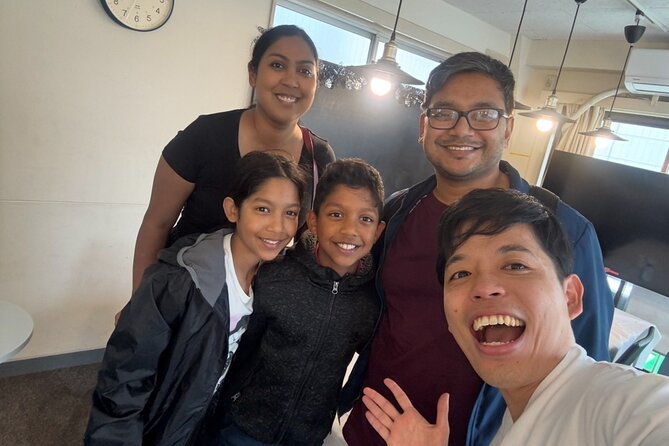
The atmosphere is meant to feel friendly and relaxed. The reviews back that up, including one guest who specifically praised chef Tero for being very good with kids, while still keeping the lesson informative and structured.
More Tokyo tours and experiences for the shortlist


The rice lesson: the part people get wrong
If you want good sushi, the rice has to work. That is the heart of this class. You will learn how to make perfectly seasoned rice, and you will practice with it while shaping sushi.
What does that mean in real terms? You are not just assembling. You are learning the fundamentals that make rice taste balanced and feel right. Sushi rice is not regular cooked rice. It has seasoning, and it has to be handled with care so it stays sticky enough to shape without turning into gluey chaos.
In most cooking classes, rice becomes an afterthought. Here, it is a core skill. You will get guidance on handling the rice so it supports the topping and holds the shape. When the rice is right, your nigiri feels solid, your rolls hold together, and your gunkan looks like it belongs on a counter in Japan, not a classroom plate.
Rolling and shaping nigiri, maki, and gunkan
This class is hands-on from the first minutes, and you will practice multiple sushi styles. The tour description calls out nigiri, maki, and gunkan, and you will shape them using techniques you learn during the session.
Nigiri: firm, neat, and not too much rice
Nigiri is the one most people picture first. You will practice making it from scratch. The key is balance. Too much pressure makes it dense, too little makes it fall apart. You will learn how to shape so the topping sits correctly over the rice and the piece holds together when you pick it up.
A bonus of learning nigiri here is that it trains your hands. Even if you have never made anything like it before, this is a doable format. You learn how to press, set, and finish the piece so it looks clean and eats well.
Maki: rolling practice you can actually repeat later
Maki is where many beginners get frustrated, usually because the roll seems to behave differently each time. That is normal. You will get guidance on rolling so it stays tight enough to slice neatly and not burst when you lift it.
In 90 minutes, the goal is not perfection. The goal is control. You will practice so that when you look at your roll, you can see the edges, the evenness, and the structure. This is also where your chef can correct small technique issues quickly, which is why the class cap at 6 is a big deal.






Gunkan: the playful cup-shaped style
Gunkan is the fun one, and it is a great teaching tool. It is basically a cup of rice with topping inside, so the technique focuses on building form. You will learn how to shape the rice to cradle the topping, then portion it so it fits the style.
In other words, you are not only learning how to make sushi, you are learning how sushi is engineered. That mental shift makes you enjoy the food more when you eat it later.
The toppings lesson: tuna, salmon, and gizzard shad
One of the most praised parts of this experience is the quality of the fish. The reviews call out fresh fish, and that aligns with what you get to work with here. You will use more than 7 types of high-quality neta (toppings).
The listed toppings include Tuna and Salmon, plus traditional favorites like gizzard shad. That last one matters, because it shows you are not stuck with only the most globally famous options. You get to work with a broader selection, and that helps you understand how different toppings behave when paired with rice.
What you should look for while you work is texture and flavor. Tuna tends to be different from salmon in richness and how it melts with rice. Gizzard shad can be a surprise if you have never had it, but that is exactly why a class like this is useful. You learn how to appreciate toppings beyond what you already order in restaurants.
The hachimaki moment and the tenugui souvenir
This is a small detail, but it is part of why the class feels like a cultural activity, not just a cooking demo. You put on a traditional hachimaki headband at the start. Then you work through the sushi you are making, piece by piece, with a chef guiding you.
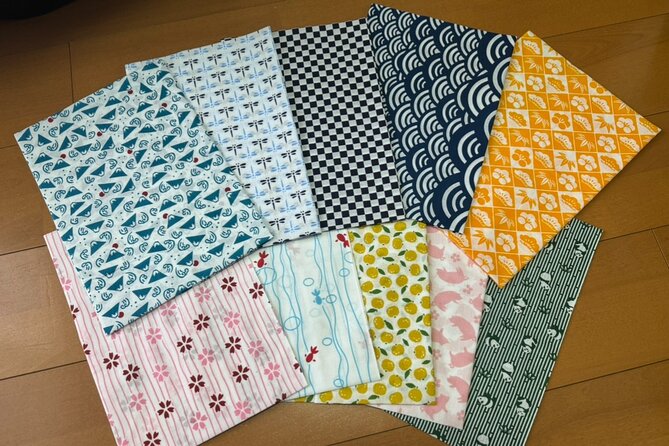
And when the class wraps up, you receive a traditional tenugui hand towel as a souvenir. In Tokyo, it is easy to buy souvenirs that feel generic. A tenugui tied to the class theme is the kind of item you keep because it reminds you of a hands-on moment, not because it was easy to grab.
Eating what you made: a meal with your group
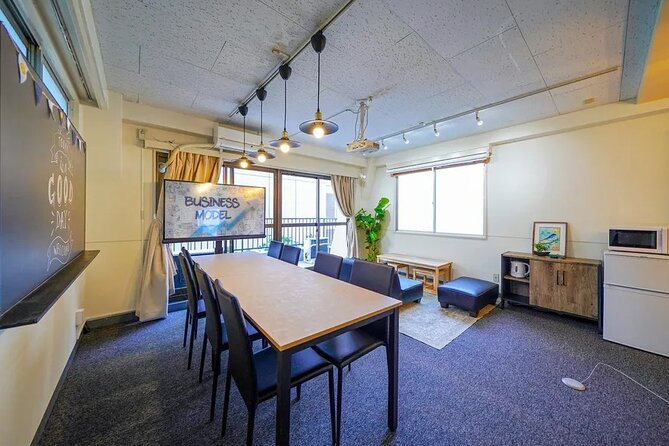
After you finish making your sushi, you eat it with your group while chatting and taking photos. That is more important than it sounds. A lot of classes end the moment you plate things and the food gets carried away. Here, you get to enjoy your own work while it is still fresh and while the experience is still happening.
This is also where the chef’s role lands. The reviews describe the chef as very friendly and informative, and one family specifically praised how smoothly the lesson worked with kids. That kind of energy matters because it affects whether you feel confident while you are making sushi, or rushed and intimidated.
If you are someone who likes to ask questions, the small group format helps. You can learn why the rice is seasoned a certain way, or how to handle toppings, without waiting your turn for the whole class to settle.
How long it takes, and why timing matters
The class runs about 1 hour 30 minutes. That is a sweet spot for many visitors. Long enough to practice multiple styles, short enough that you will not scramble your whole day in Tokyo.
Still, you should calibrate expectations. You will probably not become a sushi maker who can run a full counter at home. What you will do instead is build a real foundation: how sushi rice should feel, how to shape nigiri, how rolling works for maki, and how gunkan holds topping.
If you want a slow, multi-day apprenticeship style course, this may feel brisk. But if you want a fun, high-impact introduction you can remember, the timing makes sense.
Price and value: what $43.18 really buys
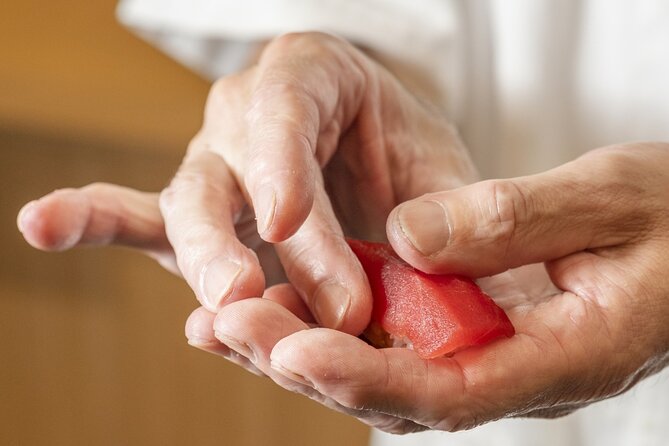
This experience costs $43.18 per person, and it is described as a 90-minute hands-on workshop with a professional sushi chef. That price can look modest or high depending on what you compare it to, so here is the value angle that matters.
You are paying for:
- Professional guidance while you shape sushi you can actually eat
- High-quality toppings, including specific choices like tuna, salmon, and gizzard shad
- Multiple sushi styles in one session, so you get more variety than a single basic roll-making class
- A small group setup that keeps instruction personal
- A souvenir tenugui plus the hachimaki headband experience
Compared with a typical tourist meal, you are not only eating, you are learning how the food is made. And compared with watch-only cooking experiences, the hands-on portion is usually what justifies the cost.
Also, the class is booked ahead often, on average about 15 days in advance. That is a hint it is popular with visitors who want something more engaging than a sit-down dinner.
Where it fits in your Tokyo plan
Shibuya is a good anchor for a cooking class because it is easy to connect with other things. You can make this the main event of an afternoon, then go sightseeing later without committing to a whole day.
Because the class ends back at the meeting point, it is simple to plan around. You do not need a long transfer to the next activity if you are staying in the Shibuya area.
One more tip: bring an appetite for learning. The class is beginner-friendly, but sushi-making is hands-on craft work. If you enjoy trying, you will have a great time. If you only want to eat, you might find it more satisfying to choose a sushi meal instead.
Who should book this class, and who should reconsider
I think this is perfect for:
- Food lovers who want a hands-on skill, not just a tasting
- First-time visitors who want Japanese culture through a practical activity
- Families and groups who want a chef-led experience that stays friendly
- People who care about quality ingredients, especially fish
The class may not be the best match if:
- You want a deep, slow training program with lots of repetition over many sessions
- You are very sensitive about handling raw fish during class work (the tour data does not specify any alternative approach, so you will want to consider your comfort level)
Based on reviews, kids do well with the chef’s approach, especially in families where the kids are curious rather than shy.
Should you book the Shibuya hands-on sushi class?
Yes, if you want a small-group, chef-led introduction to sushi that ends with you eating what you made. The strongest reasons to book are the fresh fish, the clear instruction from chef Tero, and the fact that you practice real sushi styles like nigiri, maki, and gunkan in one compact session.
Book it soon if you can. Popular classes in Shibuya often get scheduled out, and this one is commonly booked about 15 days in advance.
If you are the type who learns best by doing, you will leave with both a full stomach and a new set of skills you can use on your next sushi craving.
FAQ
How much does the Shibuya sushi making class cost?
The price is $43.18 per person.
How long is the sushi making workshop?
It lasts about 1 hour 30 minutes.
What sushi types will I learn to make?
You will practice making Nigiri, Maki, and Gunkan.
What ingredients and toppings are used?
You will work with more than 7 types of high-quality toppings, including tuna, salmon, and traditional favorites like gizzard shad.
How many people are in the class?
The class has a maximum of 6 travelers.
Is there a souvenir included?
Yes. You receive a traditional tenugui (hand towel) as a souvenir.
Can I cancel for a full refund?
Yes, you can cancel up to 24 hours in advance of the experience start time for a full refund.
More Workshops & Classes in Tokyo

More Tour Reviews in Tokyo
Not for you? Here's more nearby things to do in Tokyo we have reviewed












Shibuya Tours, side by side.
 ★ 5.0Official Street Go-Kart in ShibuyaFrom $763,435 reviews
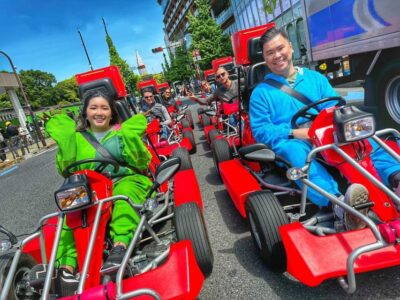 ★ 4.9Street Kart Experience in ShibuyaFrom $741,484 reviews
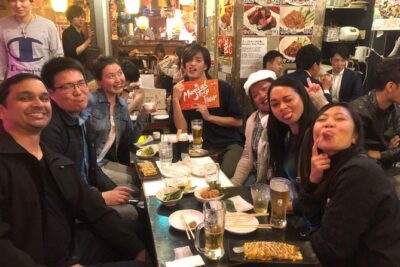 ★ 5.0Shibuya Meltdown Nightlife Tour: All-You-Can-Drink Bar HoppingFrom $1061,058 reviews
 ★ 5.0Shibuya Official Street Go-Kart in Shibuya AnnexFrom $69972 reviews
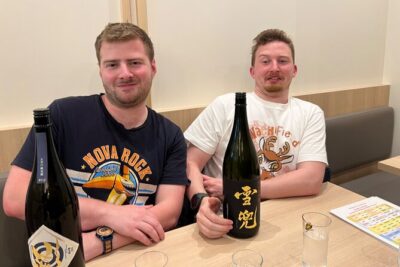 ★ 5.0Shibuya Food Tour (13 dishes and 4 Eateries)From $77770 reviews
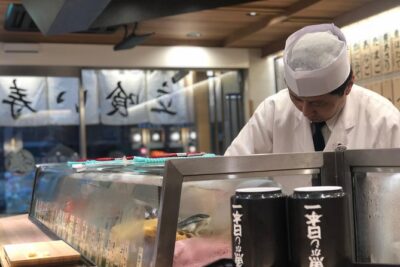 ★ 5.0Best of Shibuya Food TourFrom $217612 reviews
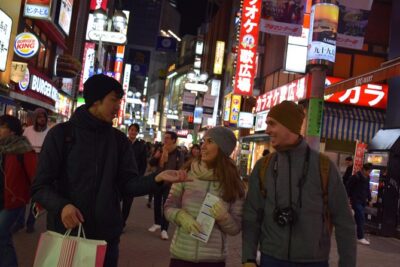 ★ 4.8Shibuya Highlights Walking TourFrom $19601 reviews
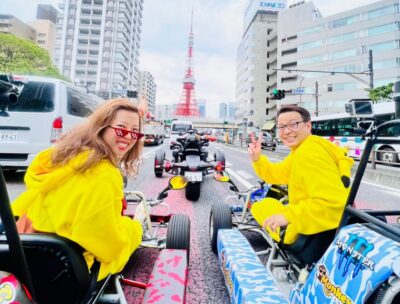 ★ 4.7Premium Go-Kart Tour with Tower & Shibuya CrossingFrom $116528 reviews
This tour also belongs to