
Review · FOOD
Shimbashi Tastes & Stories A Culinary Foodie Tour By Local Guide
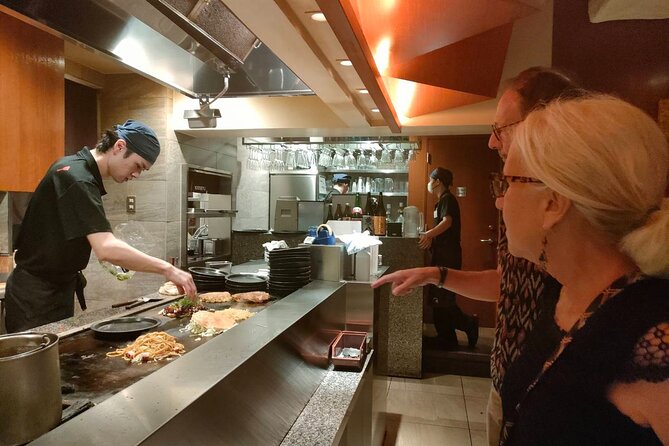
Skip the big Tokyo crowds, eat Shimbashi instead. This 4-hour food-and-neighborhood walk connects old rail landmarks and workday alley culture with real plates from multiple eateries you would not stumble into on your own. I like that it mixes food with short, practical sights in Minato Ward, so the whole time feels like a story you can actually walk through.
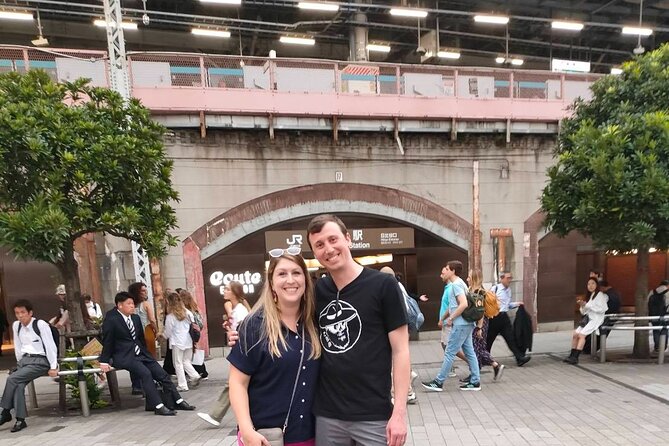
My favorite part is the guide factor. With professional English and strong local instincts, guides like Akira and Kaori are praised for steering you to genuinely fun places and keeping the pace comfortable, even when you want extra help like photo stops. One possible consideration: the meeting point is at SL Square, and like any busy station area it can cause confusion if you show up late or rely on vague directions, so give yourself a little buffer.
Key points worth your attention
- Shimbashi focus, not Shibuya repeat: you get a more down-to-earth Tokyo feel near Ginza and Tokyo Station.
- Multiple food categories, not just one theme: sushi, seafood, and Japanese beef wagyu, plus desserts.
- English-speaking professional guide: you learn what you are eating and why it fits local life.
- Small group scale: maximum 15 people means you can actually ask questions and move at a human pace.
- City-sight mix in between bites: old station vibes, shrines locals use, and landmark stops.
- No alcohol included: soft drinks and water are included, but beer and cocktails are on your own.
Shimbashi food tour: why this corner of Tokyo is worth your time
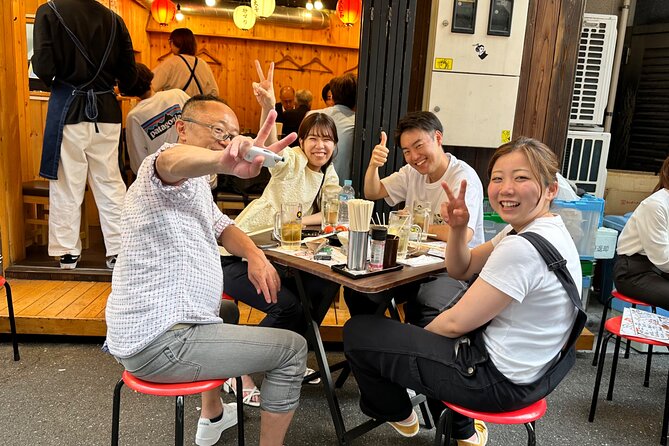
Shimbashi sits close to the big hitters like Ginza and Tokyo Station, yet it does not try to be a theme park. The vibe is more like a working neighborhood, especially after office hours, when you see the rhythms of salaryman life and the kind of casual eating that locals treat as normal.
That is exactly what this tour is aiming for. You get a guided walk through key spots in and around Shimbashi, then you use that context to understand the food choices. You are not just eating, you are learning how Tokyo’s “everyday” culture shows up in small places, not only on giant sightseeing lists.
At $171 per person for about four hours, the value hinges on one thing: the meal content. The tour includes sushi, seafood, and Japanese beef wagyu, plus desserts and drinks (2 soft drinks and water). In Tokyo, that combination is where guided food tours can feel worth it, because you are paying for both access and guidance. You are not responsible for choosing where to go next, and you are not guessing what might be worth your money.
More Tokyo tours and experiences for the shortlist
Price and what you actually get in 4 hours
Let’s talk straight about value. You are paying for:
- a city walking and culture tour
- a professional Japanese-speaking English tour guide
- sushi, seafood, and wagyu tastings
- desserts
- 2 soft drinks and water
Alcoholic drinks are not included, though they are available to purchase if you want to add something. If you are the type who always plans a drink-forward night, you may want to know that this is built around non-alcohol refueling.
The group stays small, up to 15 people. That matters because you are moving between several stops, and with a larger group it can feel rushed. With a smaller size, you typically get better pacing and more time for quick questions like what to order and how to eat it properly.
Also, the tour uses a mobile ticket. That is a small thing, but it removes one more point of stress when you are coordinating trains and walking in a busy area.
Start at SL Square: getting your bearings the easy way
You begin at SL Square, near Shimbashi. The tour starts there and ends back at the meeting point, which is ideal if you do not want to think about your route home. SL Square is tied to Japan’s railway story, created in 1972 to celebrate the 100th anniversary of Japan’s railway transport system. It also relates to the idea of rail travel connecting Tokyo with Yokohama, which gives you a sense of place before you hop into food.
This is a good early pause to:
- get your orientation in Shimbashi
- meet your guide
- settle into the neighborhood tempo before you start eating
Practical note: one review described a rocky start due to meeting point confusion, and a local helped the traveler find the guide. That tells me two things. First, the area can be tricky. Second, help can appear quickly if you look around and ask. Still, you will save time if you arrive a few minutes early and confirm you are at the right exact spot by name.
Old Shimbashi Station: the rail past that still shapes the present
Stop one is Old Shimbashi Station, about 30 minutes and free admission. This is not a big-ticket attraction, but it is the kind of place that helps you understand why Shimbashi feels like a crossroads. You will see the station identity that long-time Tokyo commuters associate with the area.
Why this matters for your food tour: rail areas often become eating areas. When people commute through the same streets every day, certain restaurants and stalls build a steady rhythm. Your guide can connect those dots, so sushi, seafood, and wagyu stops feel less random and more like a logical walk through where the neighborhood eats.
If you like photography, this stop is also a nice “reset moment” before you go from sight to snack.
Karasumori-jinja: a shrine stop locals actually use
Next up is Karasumori-jinja, one of the oldest shrines that locals visit, with about 45 minutes and free admission.
Shrines can feel touristy when they are built for crowds. This one is described as a shrine locals visit, which is valuable because it keeps the tone grounded. It also gives your guide a chance to explain how daily life and tradition coexist in Tokyo, right in the same wards where people clock in and then grab dinner afterward.
You do not need to be a shrine expert to appreciate the pause. It is more about atmosphere than checklist items. And it helps break up the walking so your food stops do not blur together.
You can also read our reviews of more guided tours in Tokyo


New Shimbashi Building: from bar district Tanuki Alley to modern blocks
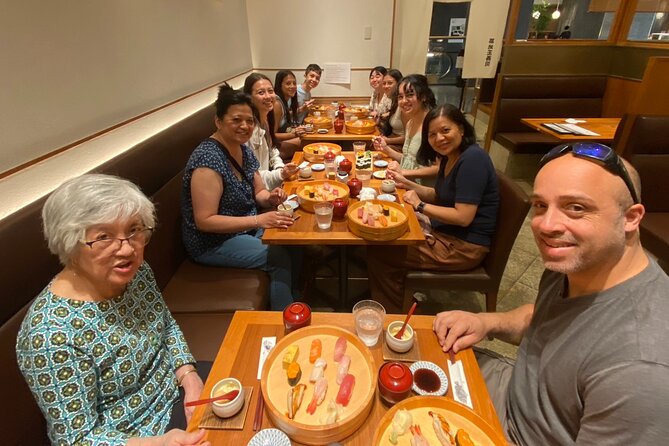
Then you head to the New Shimbashi Building, about 30 minutes and free admission. The story here is the kind you only get when someone local knows what used to be in the space.
The building was originally part of the bar district called Tanuki Alley. After the 1964 Tokyo Olympics, an urban restructuring project reshaped the area into the building you see now.
Even if you are not a history buff, this matters because it frames Shimbashi’s reputation. People come for small, simple food and drink after work, and the neighborhood identity evolved without losing its function. A good guide will connect that background to what you will taste later, so the wagyu and seafood stops do not just read as “food samples,” they read as choices the neighborhood supports.
Shiodome City Center and NTV Plaza: modern Tokyo near the old rails
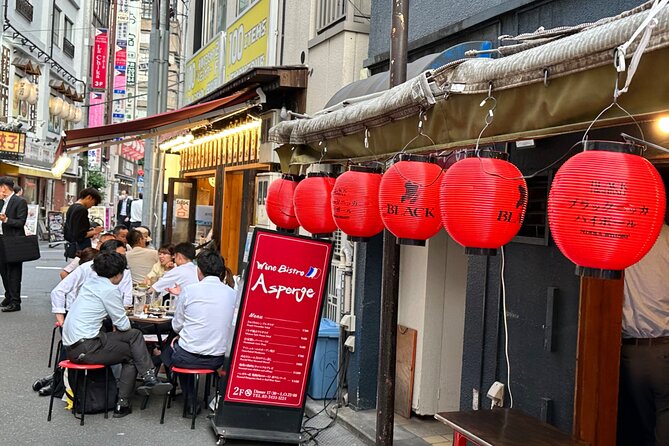
Stop five is Shiodome City Center, specifically NTV Plaza in front of the NTV Tower, with about 30 minutes and free admission. The NTV Tower houses the main studios and offices of NTV, one of Japan’s large television broadcasters.
This stop is a nice contrast. You go from older rail cues and local shrines into a modern media district. It is still Shimbashi-adjacent life, but it shows you how Tokyo layers uses of space. For many visitors, this is the missing link. You get the old-feeling streets, then you realize how quickly the city shifts into glass-and-studio Tokyo.
If you are not into TV networks, you can still appreciate the planning logic of the area. You are not going to get stuck in long explanations, because the tour is designed for walking and eating.
Shimbashi overview: learn the station vibe without the stress
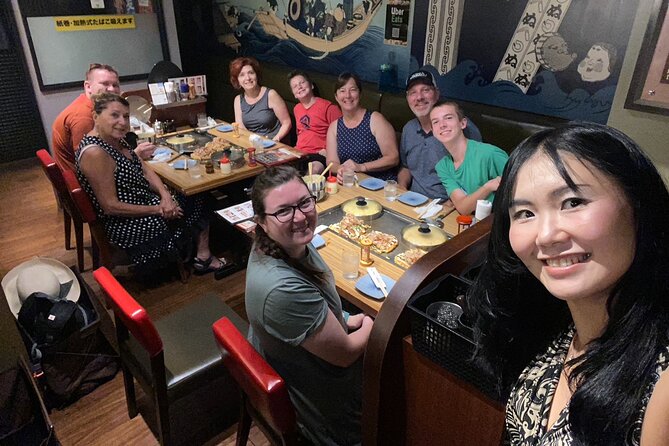
The final stop is an overview of Shimbashi from your guide, around 30 minutes and free admission. This is where the guide helps you stitch the whole walk together, so you leave with a better mental map.
Station-area understanding is underrated. Once you know how to read a station neighborhood, your future Tokyo days get easier. You stop wandering in circles trying to find the one street where things feel right. Instead, you start recognizing patterns.
In a city as huge as Tokyo, that kind of orientation has real value. Even if Shimbashi is not your main destination, having it “in your head” helps.
The food stops: sushi, seafood, and wagyu, plus desserts
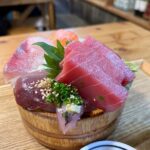
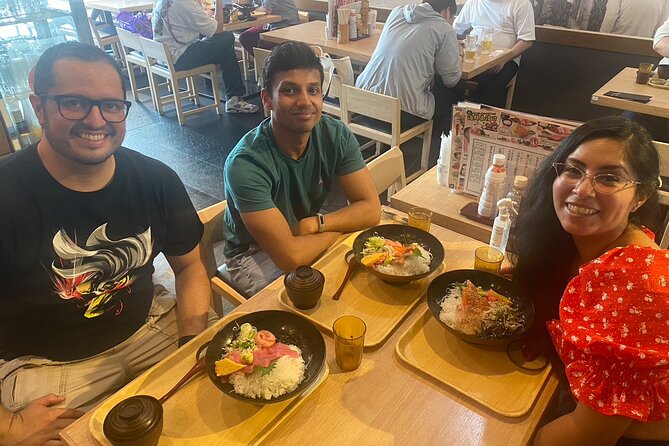
The tour includes sushi and seafood, and it also includes Japanese beef wagyu. That combination is a big deal because it gives you range rather than repeating one style of meal.
You also get desserts included, which is often where guided food tours earn their keep. Without guidance, people tend to think they will just find dessert later. With this tour, you get it accounted for.
Drinks are built in too: 2 soft drinks and water. That is especially helpful in Tokyo heat or if you are doing another day of walking afterward.
What I like about a guided structure like this is that you stop making decisions every few minutes. Your guide does the selection work, and you do the fun part, eating. And you get explanations along the way, so you understand what you ordered and what makes it different from what you see back home.
Guides matter: Akira and Kaori set the tone
This is one of those tours where the guide can make the difference between good and memorable.
- Akira is praised for taking people to amazing food places and even going the extra mile to take photos, including with a daughter while out exploring.
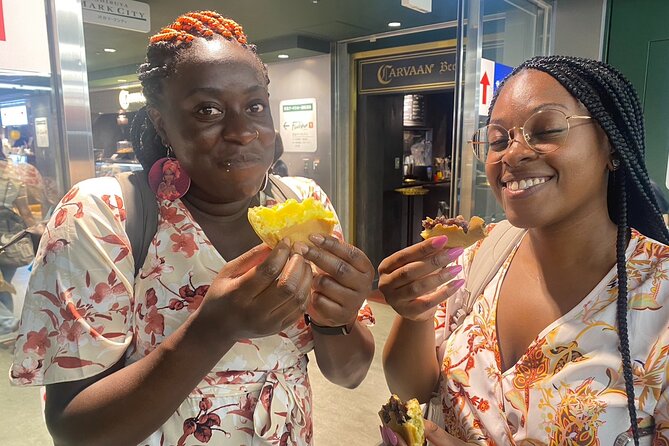
- Kaori is praised for making the whole walk feel easy and comfortable, and for getting people to places they would not find on their own, while still leaving them full.
That matters because Shimbashi is the kind of neighborhood where you can walk right past a great place without noticing. A strong guide helps you see what is worth your time.
Who this tour fits best
This tour is a great match if:
- You want Tokyo food, but not a loop of the biggest hits like Shibuya, Shinjuku, and Ginza.
- You like the salaryman side of Tokyo, where dinner is practical and the streets tell the story.
- You want multiple kinds of food in one afternoon, with an English-speaking professional guide.
- You enjoy walking in a compact area and getting a guided “mental map” of the neighborhood.
It may not be your best match if:
- You only want big, famous sightseeing monuments.
- You expect alcohol to be included with tastings.
- You are the type who hates structured schedules, because this is built around timed stops.
Logistics that keep it smooth
The tour is close to public transportation, which helps a lot when you are building a day around trains and short walks. You also get a mobile ticket, which cuts down on last-minute confusion.
The route ends back at the meeting point. That is a quiet but real convenience, because you can plan your next stop without figuring out where you will emerge.
And for the one downside mentioned earlier, meeting point confusion can happen in station districts. Your best move: arrive early, check that you are at SL Square, and keep your phone ready to show your mobile ticket.
Should you book Shimbashi Tastes & Stories?
Yes, if your idea of a great Tokyo day includes neighborhood food, not just landmarks. The price makes sense when you look at what you receive: sushi, seafood, Japanese beef wagyu, desserts, and included drinks, all led by a professional English-speaking guide. Add in the focused Shimbashi culture stops, and you end up with an afternoon that feels like Tokyo lived-in, not staged.
I would not book it if you are chasing only headline monuments or you want alcohol-forward food pairing. But if you want a smart off-the-beaten-path Tokyo experience that leaves you full, informed, and with a better sense of Shimbashi, this one is easy to recommend.
FAQ
How long is the Shimbashi food tour?
It runs for about 4 hours.
What food and drinks are included?
The tour includes sushi, seafood, Japanese beef wagyu, desserts, and 2 soft drinks plus water. Alcoholic drinks are not included.
Where does the tour start and end?
It starts at SL Square in Shimbashi and ends back at the meeting point.
How large is the group?
The tour has a maximum of 15 travelers.
Is there a mobile ticket?
Yes, the tour uses a mobile ticket.
What is the cancellation window?
You can cancel for a full refund up to 24 hours before the experience starts.
More Food Experiences in Tokyo
More Tours in Tokyo



More Tour Reviews in Tokyo

Not for you? Here's more nearby things to do in Tokyo we have reviewed





Food, side by side.
 ★ 5.0Shinjuku Food Tour (13 Dishes at 4 Local Eateries)From $866,603 reviews
 ★ 5.0Tokyo Tsukiji Fish Market Food and Culture Walking TourFrom $993,184 reviews
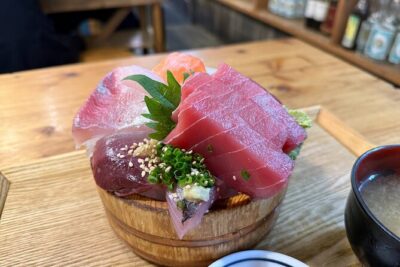 ★ 4.9Shinjuku Food Tour (15 Dishes and 4 Eateries)From $852,033 reviews
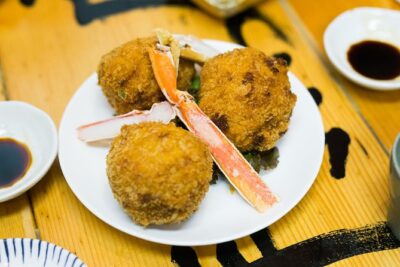 ★ 5.0Best of Shinjuku: Izakaya Food Tour (4 Stops, 14+ Tastings)From $921,863 reviews
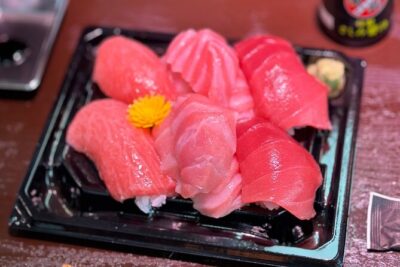 ★ 5.0Tsukiji Fish Market Food and Walking tourFrom $301,724 reviews
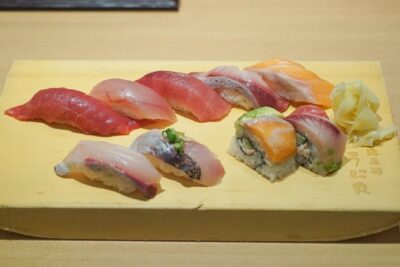 ★ 5.0Tokyo Night Foodie Tour in Shinjuku – Seasonal Sushi, Wagyu BeefFrom $1111,161 reviews
 ★ 5.0Eat and Drink Like a Local: Tokyo Ueno Food Tour-Taverns&RamenFrom $95957 reviews
 ★ 5.0Shibuya Food Tour (13 dishes and 4 Eateries)From $77770 reviews