
Review · IMPERIAL PALACE TOURS
Tokyo Imperial Palace and Heritage of Edo Castle Private Tour
Tokyo history hits different when you slow down. This private tour strings together Tokyo Station, the Imperial Palace area, and the East Gardens where Edo Castle once stood, with a guide who keeps the pace comfortable and welcomes your questions. I especially like the way the stops connect into one story, and how you can steer the conversation, instead of getting herded along.
One thing to consider: there is no hotel pickup, so you’ll want to start on time at the Tokyo Station police box meeting point, and plan your own way to and from the end at the East National Gardens.
Key things to know before you go
- Private pacing that works for slow walkers, families, and question-people
- Free admission at each listed stop (Tokyo Station, Imperial Palace, East Gardens)
- Multilingual guide options (English, Chinese, Korean, Japanese)
- Edo Castle context that makes the Imperial Palace grounds easier to understand
- Nihonbashi district insight added to the overall route and storytelling
- Good-weather requirement, since this is a walking tour
Tokyo Station, the Imperial Palace, and Edo Castle as one linked story
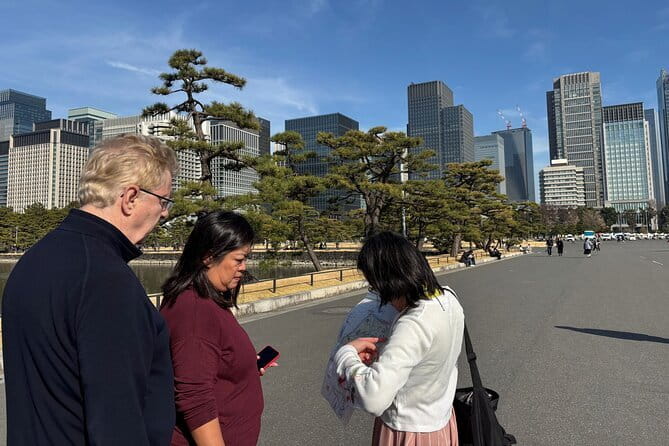
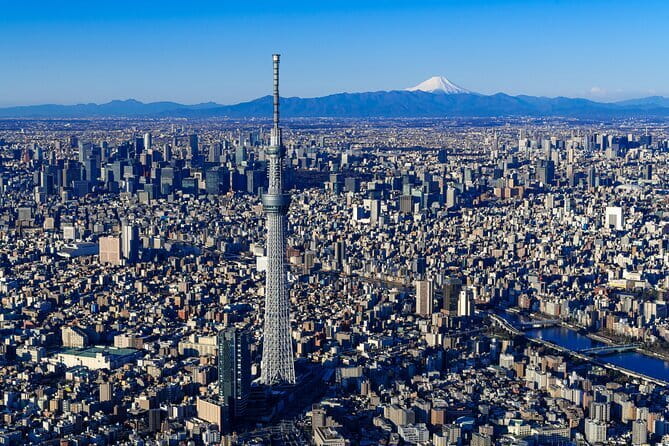
Tokyo can feel like it has two personalities. There is the modern city, all glass and rail lines, and then there is the layered past beneath it. What I like about this tour is that it doesn’t treat those layers like separate topics. It connects them, so when you stand somewhere today, you understand what was there before.
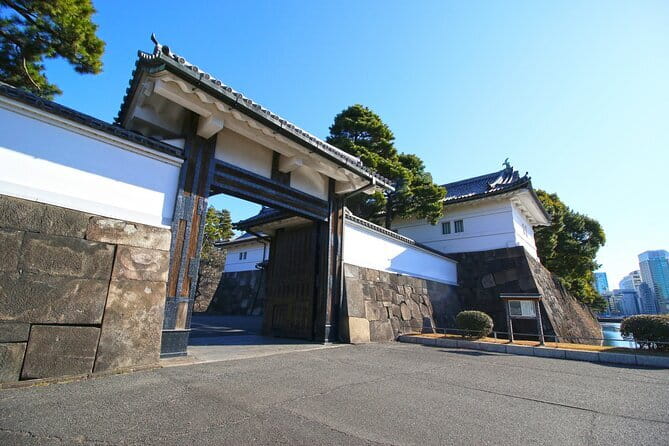
You start at Tokyo Station, a landmark built in 1914, known for its red brick design and its role as a major transport hub. That matters because it frames how Tokyo grew into what you see now. Then you move into the Imperial Palace area, which was once the site of Edo Castle and the home base of the Tokugawa shoguns, before becoming the residence area of the Japanese Emperor. Finally, you spend time in the East Gardens, where ruins and seasonal flowers help you picture how the castle grounds may have felt in daily life.
The result is a route that feels like one guided lesson, not three disconnected photo stops. And because it is private, you can ask follow-up questions right away, instead of saving them for later.
You can also read our reviews of more private tours in Tokyo
Getting started at the Marunouchi Police Department, Tokyo Station Police Box
Your meeting point is clearly defined: the Marunouchi Police Department, Tokyo Station Police Box (1-chōme-9-1 Marunouchi, Chiyoda City). That’s convenient because it puts you near a major transit anchor, and it helps you get oriented fast if you are arriving by train.
The tour is about 3 hours total, and the first segment is set for around 30 minutes at Tokyo Station. Since there is no hotel pickup, you should plan to arrive a few minutes early, especially if you’re juggling train transfers or you want time to grab water and settle in. If your next stop is also near Tokyo Station, the guide can also escort you there depending on timing, which is a thoughtful touch for keeping your day smooth.
Because it is private, you also should feel comfortable bringing a stroller or including a child, as long as the pace works for your group. The emphasis here is on flexibility, not marching.
Stop 1: Tokyo Central Railway Station, built 1914, red brick charm and city scale
Tokyo Station is one of those places that locals use every day, but visitors often rush through. Here, you get a guided moment to slow down and notice what makes it historic.
You spend about 30 minutes at Tokyo Central Railway Station (Tokyo Station). The key details that make this stop worthwhile are not just aesthetic. The red brick design is a recognizable landmark, and the station’s central role shows how Japan’s modern transportation system became a backbone for the whole city. It’s a natural “before and after” marker. You are literally stepping into modern Tokyo, right before you shift to what used to be a castle-era world.
A benefit of having a guide at this point is perspective. Without explanation, Tokyo Station can just look like a beautiful building you pass by. With context, it becomes a reference point for understanding the transformation of the area around Edo Castle into today’s capital grid.
Also, since admission is listed as free at this stop, you’re not paying extra to get value out of your time.
Stop 2: Imperial Palace, the Tokugawa to Emperor shift you can feel on the ground
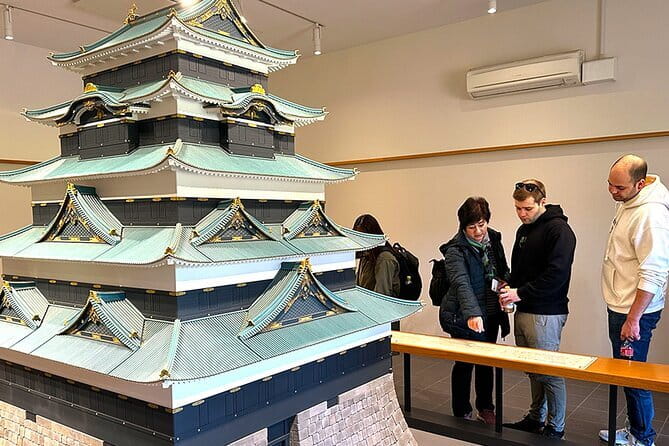
Next comes the Imperial Palace. This is the emotional core of the tour, because the ground you are walking is tied to two major eras: the shogun-led Edo period and the modern imperial presence.
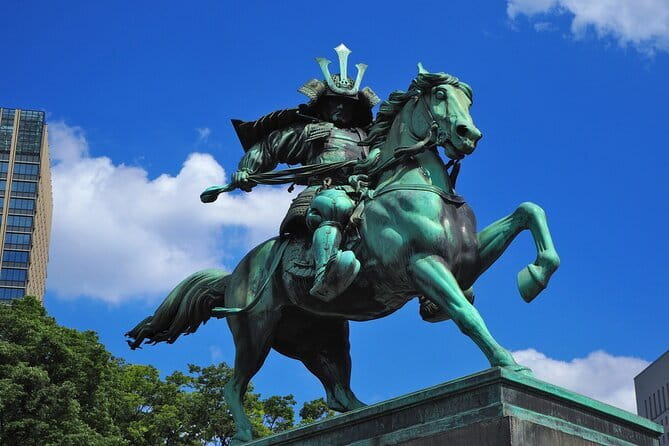
You’ll spend about 1 hour at the Imperial Palace. The big idea is simple and powerful: it was the site of Edo Castle, the Tokugawa shoguns’ residence, and it is now the home of the Japanese Emperor. Standing in this zone, you start to see why people talk about continuity and change in Tokyo. The city didn’t erase the past. It reorganized power and uses.
This stop works well in a private format because questions here can be specific. You might want to understand what it meant to have a castle at this location, how authority was organized, or why certain areas are open while others remain restricted. A good guide can also help you interpret the landscape without overloading you with facts. The goal is to leave you with mental pictures, not a list you forget by dinner.
And again, admission is listed as free for this stop. That makes it an efficient use of time: you pay for the guidance and time, not for entry fees.
Stop 3: East Gardens of the Imperial Palace, Edo Castle ruins and seasonal atmosphere
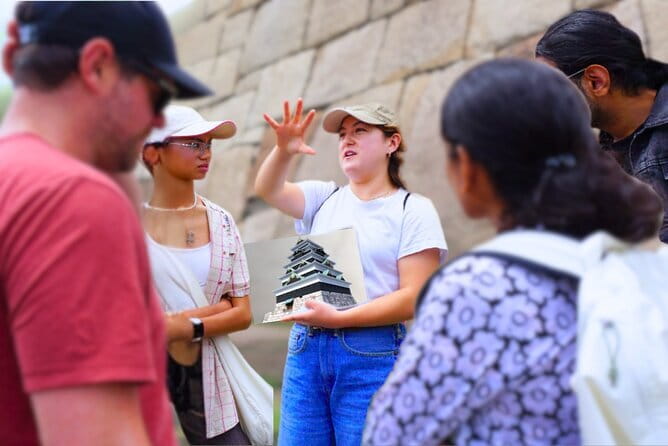
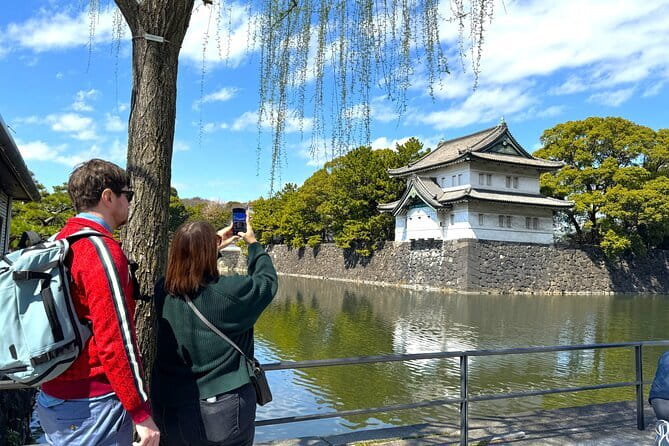
After the main palace area, you shift into the East Gardens of the Imperial Palace, where the tour stays reflective and a bit quieter. You’ll spend about 1 hour 30 minutes here, and the emphasis is on the serene escape feeling, plus the historical ruins and seasonal flowers.
This is where the Edo Castle story becomes more concrete. Imperial grounds can feel abstract from a distance. The East Gardens help you connect the idea of a former castle complex to real terrain: ruin areas, pathways, and the way nature creates a “pause” in a busy city.
It’s also a smart stop for photo breaks and slow wandering, especially if you like to look at details while someone explains what you’re seeing. The gardens give you time to stand back and absorb, then ask targeted questions. If your brain works best when you can connect past to present, this segment is where it clicks.
One more practical note: this is still central Tokyo walking. The gardens are relaxing, but they are not a museum ride you can rush through. Comfortable shoes matter.
You can also read our reviews of more historical tours in Tokyo




Nihonbashi district context, the 400-year-old Tokyo thread
The tour also includes insight about Nihonbashi, described as a 400-year-old district. Even if you are not zoning in on it as a separate museum-like stop, this kind of context is valuable because it expands the story beyond the imperial and castle narrative.
Nihonbashi is often associated with commerce and the city’s historical heart. When a guide ties it in, you start to understand Tokyo not just as a seat of power, but as a place where people lived, traded, and built routines that lasted generations. That extra layer makes the day feel fuller, because you are not only reading the political storyline.
In a group tour, you might get a quick glance and move on. Here, it tends to feel like part of the conversation. You can ask how this commercial district fits into the larger Edo-to-modern transformation, and your guide can translate the “what” into the “why.”
The guide is the real differentiator, and the results show
For me, the biggest reason private tours feel worth it is the human factor. When you have a guide who enjoys teaching and doesn’t mind questions, the experience stops being a checklist.
The guides here are praised for being extremely knowledgeable and very patient, including when a family had a granddaughter in the group. That patience matters, because palace and castle topics can be dense. You want someone who can adjust their pace, explain again in simpler terms, and still keep the tour moving.
One specific strength that comes through clearly is the focus on Edo Castle history. A lot of tours mention the palace connection in a sentence. This one spends time making the Edo layer understandable, so you’re not standing there wondering what the guide means when they point out a ruin or describe the former grounds.
Another standout theme is enthusiasm for the whole route, not just the headline stops. You spend time at Tokyo Station, and the guide connects it to the day’s main storyline. That balance makes the morning feel cohesive.
Pacing, comfort, and how to get the most from a 3-hour walk
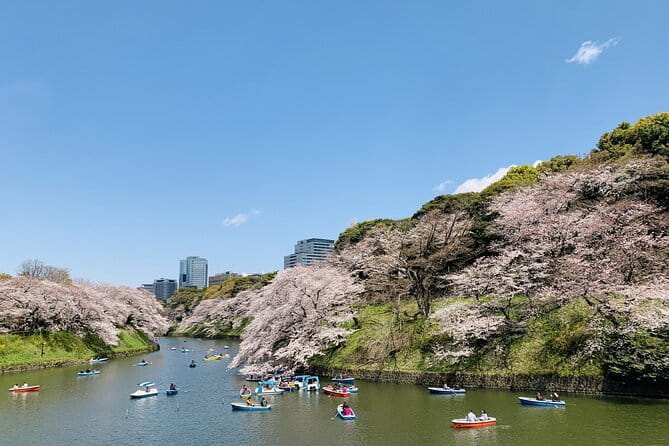
A 3-hour walking tour can be either stressful or satisfying, depending on the group setup. Here, the private format is the difference. You’re not boxed into a fast pace. You can ask questions as you go, stop for a moment when something catches your eye, and keep moving without that feeling of being timed by a big crowd.
For your part, think like a city walker. Plan for some time on your feet, even if the atmosphere is calm. Wear shoes you trust, and bring a light layer, because palace and garden areas can feel cooler or breezier than street-level Tokyo.
If you enjoy history, keep your questions ready. If you do not, still ask simple ones. What’s the connection between Tokyo Station and the Edo-era story? Why does the East Gardens matter? Those prompts are enough to turn sightseeing into understanding without turning the day into a lecture.
Value: why $83.24 makes sense when entries are free and the guide adds the missing pieces
At $83.24 per person for about 3 hours, this is not a bargain you’ll stumble into. It is a priced experience. The reason it can feel fair is that the tour adds value in the two places that matter most: guidance and access to context.
First, the stops listed have free admission, including Tokyo Station, the Imperial Palace, and the East Gardens. That means you are paying for the interpretation and the time, not paying again at every gate. Second, it is private, so you get your own guide attention for your group. In a city like Tokyo, that often costs more than you expect, especially when you want your day to feel tailored.
Third, the guide is offered in multiple languages, including English, Chinese, Korean, and Japanese. If you want something you can actually follow comfortably, that language coverage is part of the value.
What is not included is also important. There is no hotel pickup and no transport included. You will handle getting to the start and from the end. If you are already based near Tokyo Station, that can make the cost feel more efficient.
Practical logistics that can shape your day
This tour uses a mobile ticket, and you should receive confirmation within 48 hours of booking, subject to availability. That’s helpful, because you can plan with less uncertainty once you get the green light.
The end point is the Imperial Palace East National Gardens (1-1 Chiyoda, Chiyoda City, Tokyo 100-8111). If your next plan is in central Tokyo, it’s convenient to think ahead about how you’ll connect from there. Depending on timing, the guide can escort you to Tokyo Station, which can be a relief if your day was already tight.
You’ll also want to know that the experience requires good weather. If it is canceled due to poor weather, you’ll be offered a different date or a full refund. In other words, this is not the kind of tour that turns into an indoor museum day if it rains.
Service animals are allowed, and the tour is near public transportation. Most travelers can participate, which makes it a solid option for many ages, as long as walking is manageable.
Who this tour fits best, and who might prefer DIY
This tour fits best if you want a guided explanation of imperial and Edo-era Tokyo, and you prefer not to be stuck in a fast-moving crowd. If you like history but hate the feeling of reading plaques without context, you’ll appreciate how the guide ties stops together.
It also makes sense for families, especially because the guide is described as patient with questions. If you’re traveling with kids who need breaks or explanations in small chunks, private pacing can make the whole day work.
You might consider DIY instead if you only want a quick look and you already know the Edo-to-Meiji context. Tokyo Station and the Imperial Palace area are easy to reach. But DIY has a downside here: you’ll still see the landmarks, while missing the “why” that makes them click.
Should you book this Imperial Palace and Heritage of Edo Castle private tour?
I’d book it if you want Tokyo history that feels understandable and connected, not just scenic. The price can feel reasonable because admissions are free at the listed stops, and the guide attention is private. The strongest reasons to choose it are the guide approach, especially the focus on Edo Castle context, plus the flexibility to ask questions and go at your own speed.
Skip it if you dislike walking, if you cannot meet the starting point on your own, or if your schedule is fragile around weather. This is a good-weather type of experience, and it’s designed as a walk.
If your goal is to leave Tokyo with a clearer mental map of how Edo Castle became the Imperial Palace area, and why that matters to modern Tokyo, this is a smart way to do it.
FAQ
How long is the Tokyo Imperial Palace and Edo Castle private tour?
It runs for about 3 hours.
Is this tour private?
Yes. It is a private tour, and only your group participates.
What language options are available for the guide?
The guide is available in English, Chinese, Korean, and Japanese.
Are tickets or entry fees included for the main stops?
Admission is listed as free for Tokyo Station, the Imperial Palace, and the East Gardens.
Is hotel pickup included?
No. Hotel pickup and drop off are not included.
Where do I meet the guide, and where does the tour end?
You start at the Marunouchi Police Department Tokyo Station Police Box, and the tour ends at the Imperial Palace East National Gardens. The guide may escort you to Tokyo Station depending on timing and your next destination.
What happens if the weather is bad or I need to cancel?
The experience requires good weather. If it is canceled due to poor weather, you will be offered another date or a full refund. Free cancellation is available up to 24 hours in advance for a full refund.
More Private Tours in Tokyo


More Tours in Tokyo






More Tour Reviews in Tokyo


Not for you? Here's more nearby things to do in Tokyo we have reviewed












Imperial Palace Tours, side by side.
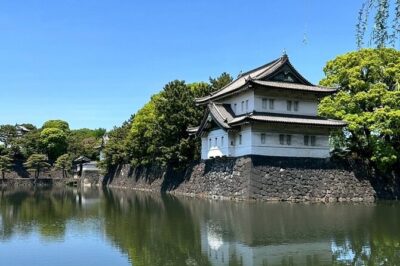 ★ 5.0Imperial Palace and Shogun Historical Walking TourFrom $222,251 reviews
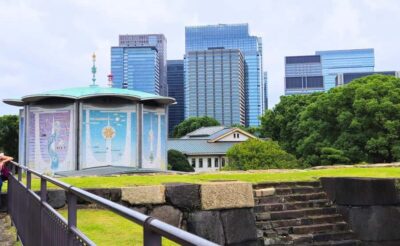 ★ 4.9Imperial Palace Japanese History Walking TourFrom $32987 reviews
 ★ 4.9Imperial Palace and Shogun Walking TourFrom $16935 reviews
 ★ 5.0Imperial Palace East Garden and Edo Castle Walking Tour in TokyoFrom $25510 reviews
 ★ 4.8Imperial Palace East Gardens Walking TourFrom $19353 reviews
 ★ 4.5Imperial Palace, Sensō-ji Temple, & Tokyo Tower TourFrom $40339 reviews
 ★ 5.0Tokyo Castle, Imperial Palace, Shogun & Garden Walking TourFrom $31211 reviews
 ★ 4.7Edo Castle & East Garden of the Imperial Palace TourFrom $42112 reviews
This tour also belongs to