
Review · TSUKIJI MARKET TOURS
Tokyo:Enjoy street food & Japanese food culture at Tsukiji Market
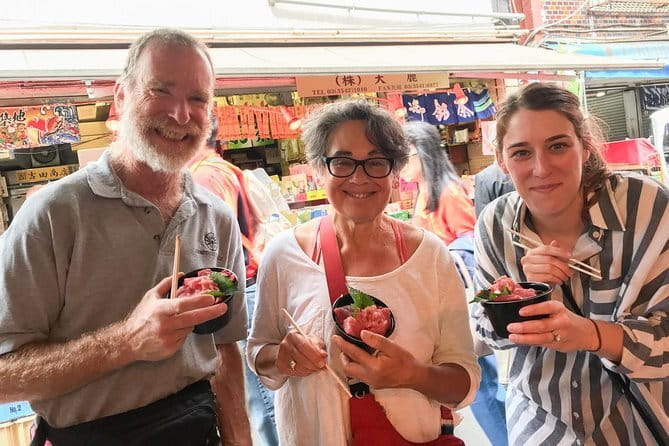
Tsukiji snack culture is the real highlight. This 3-hour food-focused walk through the old market area shows you how to eat your way around Tsukiji with an English-speaking guide and a couple of meaningful stops for the local sea tradition. You start at Tsukiji Hongwanji Temple, then hit the Outside Market for recommended tastings, and finish at Namiyoke Shrine.
I like this tour for the way it turns food into context. You get explanations that connect what you’re tasting to Japanese food culture, including tips that help you understand things like dashi, not just follow a line of hungry tourists. I also love that you’re not locked into one pre-set meal, because you can buy the boxed lunch that fits your appetite at the lunch stop.
One possible drawback: you’ll be on your feet in a busy market area for a few hours. It’s not wheelchair accessible, and you should have a moderate fitness level for walking and standing.
Key things to know before you go
- English-speaking guide with food-culture stories: the best part is how tasting becomes an education, with guides named in past tours including Yoshi, Yuki, Haruka, and Hiro.
- Free temple and shrine stops: Tsukiji Hongwanji Temple (about 20 minutes) and Namiyoke Shrine (about 30 minutes) add meaning to the food walk.
- You taste first, then choose your lunch: included snacks get you started, and you buy your own lunch later.
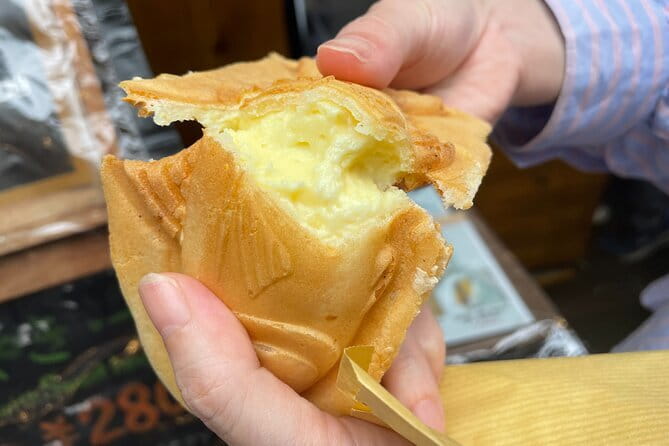
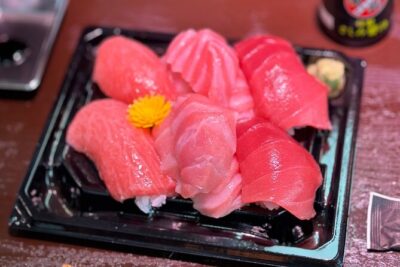
- Included seafood and meat snacks: you may try options like seaweed, dried fish, roast beef sushi, oysters, sashimi, plus bean snacks.
- Small group size: up to 6 travelers, which helps you actually hear the guide while still navigating the market.
- Market walking time is real: about 3 hours total, so wear comfortable shoes and plan for crowds around peak food hours.
Entering Tsukiji Outside Market: the version of Tsukiji you’ll actually enjoy
Tsukiji is one of those Tokyo places that can feel like information overload. You arrive expecting seafood chaos, and instead you find an area that’s still one of the city’s best for snack-style eating and food browsing.
This tour centers on the Tsukiji Outside Market, the part that remains popular even after the old wholesale market stopped operating the way it used to. That matters for you because the experience is designed for visitors who want to eat and learn, not watch a commercial workflow you might not understand.
The vibe you’ll notice is practical and food-first. People are focused on buying, tasting, and moving along. With a guide, you spend less time guessing what’s worth ordering and more time figuring out what you’re tasting and why it’s served that way.
You can also read our reviews of more food & drink experiences in Tokyo

Starting at Tsukiji Hongwanji Temple, where sea prayers meet food
Your tour begins at Tsukiji Hongwanji Temple, right near the market area. This stop is short, around 20 minutes, but it sets a tone that makes the rest of the walk click.
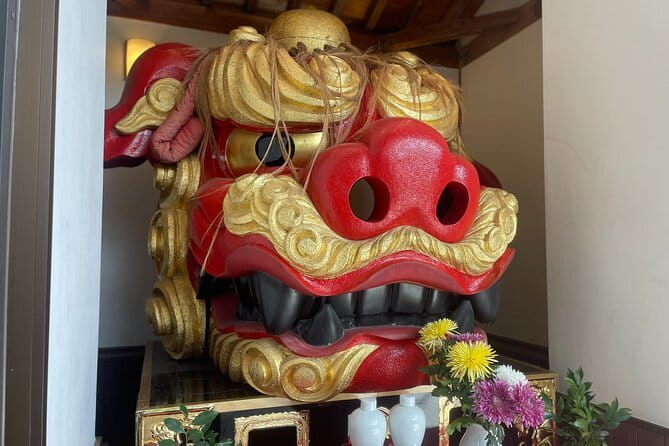
The temple’s decorations and architecture bring in influences from other parts of Asia, which gives you something visual to notice beyond the food stalls. More importantly, it introduces a local idea you’ll see echoed later: the sense that the sea is central to life here. It’s not just a tourist stop. It’s a reminder that food culture is also spiritual and community-based.
If you like travel that mixes everyday sights with one or two deeper context moments, you’ll probably enjoy how this tour doesn’t jump straight into shopping. It warms you up first.
Tsukiji Jogai Market tastings: how to eat without ordering like a lost tourist
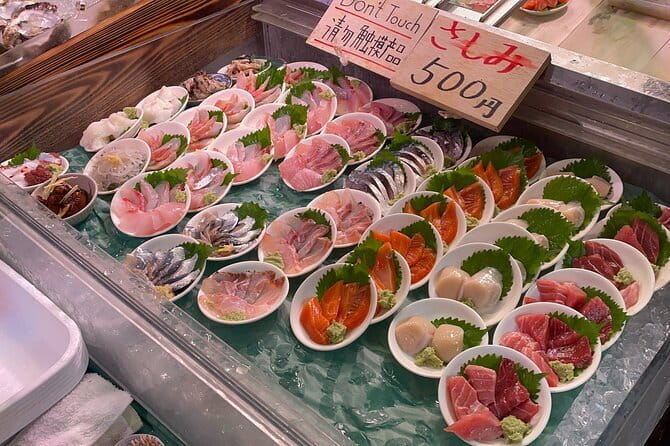
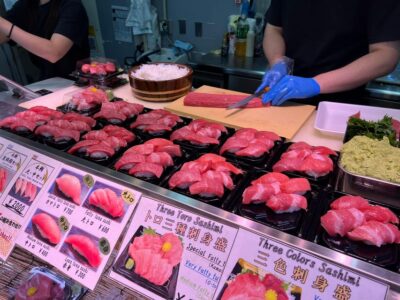
Next comes the biggest taste portion, about 1 hour at the Tsukiji Outside Market area. This is where the tour earns its keep.
You’ll buy a handful of recommended snacks for tasting, and the included options can include things like:
- seasoned seaweed
- dried fish
- roast beef sushi
- oysters or sashimi
- bean snacks
The smart part is that you’re guided on what to look for and how to order. That reduces the classic market problem: staring at menus, pointing at pictures, and hoping for the best.
It’s also a good place to let the guide’s storytelling do the heavy lifting. Past guides on this experience, including Yoshi and Yuki, have been praised for explaining not only the food but also the food culture behind it. When you get small explanations about ingredients and uses, you taste more confidently. You start to notice flavors you might otherwise miss, like how savory seafood bites are balanced with seaweed or how different textures show up in quick street-style snacks.
A practical tip for you: if you know you’re sensitive to strong seafood flavors, plan to pace yourself. Snacking happens in bursts, and your stomach needs time to catch up.
The boxed lunch stop at 築地魚河岸 海幸橋棟: choose your own payoff meal
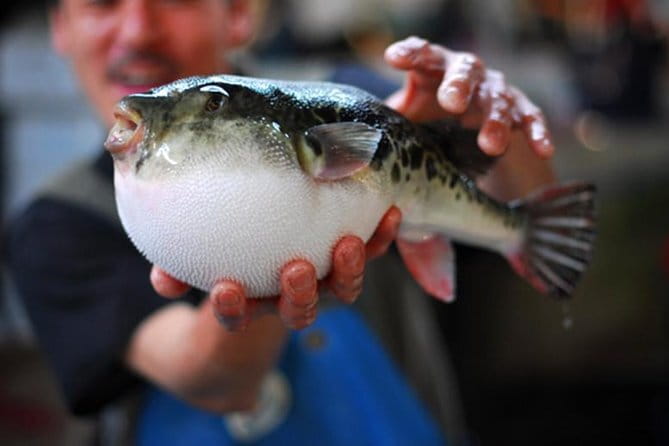
Around the middle-late part of the tour, you’ll head to 築地魚河岸 海幸橋棟 for your lunch time. The stop runs about 1 hour 10 minutes, and it’s built for one thing: letting you pick a meal that sounds good to you.
This is not a single included lunch. The tour provides time and guidance for boxed lunches and other items you can purchase. Your lunch is not included in the tour price, so you’ll pay separately based on what you choose.
Why this design is a win: after tasting seafood and snacks, you get to decide what kind of lunch you want. If you want something lighter, you might go that route. If you want a true seafood meal, you can lean into it. The guide helps you translate what you see into something you can order without confusion.
In practice, this stop works especially well because you’ve already built a baseline of flavors during the earlier snack segment. By lunch, your palate is awake, and you understand the style of food you’ve been sampling.
Namiyoke Shrine: the sea-safety idea behind Tsukiji’s food world
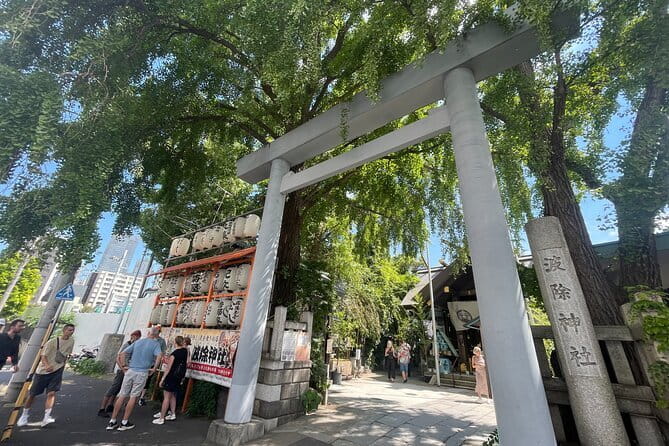
The final temple-like stop is Namiyoke Shrine, about 30 minutes. It’s connected to Tsukiji’s history as a sea-and-market community, where market people have prayed for the safety of the sea since the area was established.
For you, it’s a nice end to the story. You start with a temple, taste your way through the market, and end with a shrine that explains why the sea theme matters here. It’s the kind of stop that doesn’t require a long attention span, but it gives the whole visit a sense of place.
Even if you’re not someone who usually reads about Japanese religious sites, this one tends to land because it’s tied directly to the food theme. You’ll connect it naturally after spending the morning eating seafood-adjacent snacks.
More Tokyo tours and experiences for the shortlist
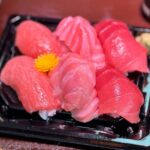
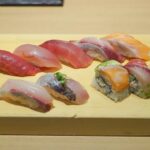


What you’ll eat on this Tsukiji food tour (and how to handle allergies)
This is a seafood-forward experience. Included snacks can include seafood and meat, with examples like roast beef sushi, oysters, and sashimi, plus seaweed, dried fish, and bean snacks.
Here’s what I think matters for planning your day:
- You’re tasting multiple items, not one big platter.
- The flavor profile can be intense if you’re sensitive to seafood or dried fish notes.
- You’ll be glad you told the guide about any allergies.
The tour info is clear that you should let the guide know about any allergies. Do that upfront, and do it directly. Market food is fast and close together, so the more the guide can plan, the better your odds of staying comfortable.
If you’re a picky eater, you’ll still likely find options that work, but don’t assume everything will be mild. This is not a plain-vanilla snack sampler. It’s a real food-culture walk where the sea is part of the curriculum.
The 3-hour format: small group, real walking, and time to breathe
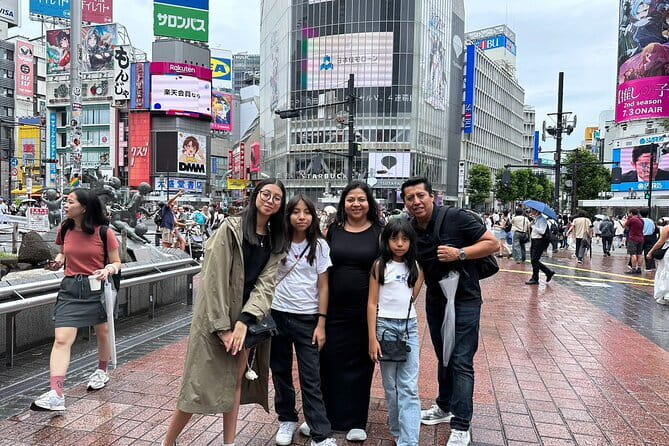
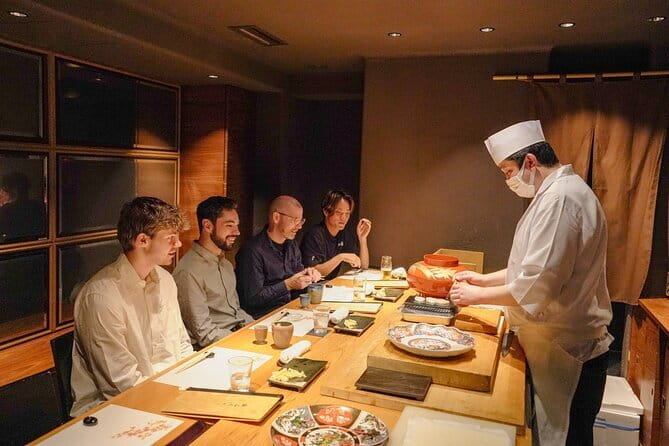
This tour runs about 3 hours, and it keeps the group small, up to 6 travelers. That matters. In larger groups, market tours can become a loud shuffle where you lose the thread. Here, it’s easier to hear instructions and keep up.
You’ll move through several distinct areas:
- start at the temple
- snack shopping in the Outside Market
- lunch browsing and ordering
- end at Namiyoke Shrine
Each segment is timed, so the day feels structured without feeling like a factory tour. Still, plan for standing and walking. The tour isn’t wheelchair accessible, and it’s intended for travelers with at least moderate fitness.
If you hate crowds, pick your timing wisely. Even with a guide, the area can get busy. But with a smaller group and purposeful stops, the chaos is reduced.
Price and value: why $100.34 can work for serious food eaters
At about $100.34 per person, this is not the cheapest Tokyo food activity. But it isn’t priced like a generic walking tour either. You’re paying for three things that are hard to replicate on your own without some trial and error:
- an English-speaking guide
- included tasting snacks (seaweed, dried fish, roast beef sushi, oysters or sashimi, bean snacks)
- short cultural stops that add meaning beyond food
You also get help navigating the market so you buy the right things sooner. That saves time and reduces the risk of overspending on random snacks that don’t match what you actually like.
The value math looks different depending on what you’d do otherwise. If you would normally wander Tsukiji and then pay for a couple of snacks plus a temple stop alone, this tour might feel like a fair deal. If you’re hoping to eat several seafood items, learn what you’re tasting, and still have time for lunch of your choice, it becomes more compelling.
Big note: lunch is not included, and shopping costs at stores depend on what you buy. So think of the tour price as covering guidance plus tastings, and treat lunch as your separate splurge.
Who this Tsukiji food walk fits best
This tour is a strong match if:
- you want Japanese food culture with a practical focus on what to eat
- seafood snacks sound appealing, and you’re comfortable trying new items
- you like guided context, not just a self-guided wander
- you want a manageable half-day chunk (around 3 hours)
It may be less ideal if:
- you need step-free access or wheelchair-friendly routing
- you dislike standing for extended periods
- you have allergies and want maximum control with minimal ingredient risk (still doable if you communicate, but the key is how clearly you can share needs)
If you’re the type who loves markets, Tokyo food snacks, and short cultural stops that actually connect to the food theme, this fits your style.
Should you book this Tsukiji street food experience?
I’d book it if your goal is to eat your way through Tsukiji with confidence. The included tastings cover a nice spread from seaweed and dried fish to roast beef sushi and possibly oysters or sashimi. Then you get the freedom to choose your lunch at 築地魚河岸 海幸橋棟 instead of being stuck with one option.
If you’re on the fence, decide based on two things: your comfort with seafood-adjacent flavors, and your willingness to walk a bit in a crowded market area. If both are yes, this tour is a smart way to turn Tsukiji from a famous name into a meal memory.
FAQ
What is included in the tour?
The tour includes a guide plus tasting snacks such as seasoned seaweed, dried fish, roast beef sushi, oysters or sashimi, and bean snacks.
Is lunch included?
No. You can purchase your own lunch during the lunch stop, and the lunch fee is not included.
Do I pay for extra shopping during the tour?
Yes, shopping costs at stores depend on what you choose to buy. Only the specified tasting snacks are included.
How long is the tour?
The duration is about 3 hours.
How many people are in each group?
The tour has a maximum of 6 travelers.
Is the tour wheelchair accessible?
No, the tour is not wheelchair accessible.
What should I do if I have allergies?
Let the guide know about any allergies. The snacks included can include seafood and meat.
Where does the tour start and end?
It starts at 築地本願寺 正門 and ends at Namiyoke Shrine, both in the Tsukiji area of Chuo City.
How do tickets work?
You get a mobile ticket.
Can I cancel for a full refund?
Yes, free cancellation is available if you cancel at least 24 hours before the experience’s start time.
More Food Experiences in Tokyo
More Food & Drink Experiences in Tokyo
More Tour Reviews in Tokyo


Not for you? Here's more nearby things to do in Tokyo we have reviewed








Tsukiji Market Tours, side by side.
 ★ 5.0Tokyo Tsukiji Fish Market Food and Culture Walking TourFrom $993,184 reviews
 ★ 5.0Tsukiji Fish Market Food and Walking tourFrom $301,724 reviews
 ★ 4.9Tsukiji Fish Market Guided Walking TourFrom $221,397 reviews
 ★ 5.0Tokyo Sushi Making Class in Tsukiji with Professional ChefFrom $491,177 reviews
 ★ 5.0Tsukiji Fish Market Guided Tour and Sushi Making with Pro ChefFrom $104775 reviews
★ 4.7Tsukiji Fish Market Food and Culture Walking TourFrom $96757 reviews
★ 5.0Tsukiji Fish Market Guided Tour and Sushi Making with Pro ChefFrom $104775 reviews
★ 4.7Tsukiji Fish Market Food and Culture Walking TourFrom $96757 reviews
 ★ 5.0Tsukiji Fish Market: Street Food & Culture Walking TourFrom $33669 reviews
 ★ 5.0Tsukiji Fish Market Small-Group Food Walking TourFrom $87621 reviews
This tour also belongs to