
Review · TOKYO TEA & SAKE EXPERIENCES
Privately visit local home for relax tea ceremony &music, Tokyo
A living-room tea ceremony can feel like magic. In Tokyo, this one is in a private home, run by Noriko, with a relaxed matcha session and live koto music that turns into hands-on play.
I like that it is informal, so you can ask questions without feeling rushed, and that the whole visit is timed tightly for a comfortable 2-hour experience. One thing to consider: the optional yukata adds dressing time, so plan for a longer visit if you add it.
You get two real cultural pieces, tea and music, tied together in one place. I also like that you make your own matcha, then you get a turn on the koto, so it is not just watching from a distance. The main drawback is simple logistics, Shin-Urayasu is easy to reach from Tokyo, but you still need to handle the train ride and a short walk to the home.
Why This Feels More Personal Than a Usual Cultural Show
This experience is built around a private setting, in Noriko’s home, not a large public hall. That matters in Tokyo, where many cultural activities are impressive but scripted. Here, the mood is warm and welcoming, and the rules feel light. You can ask about what you notice, what you do not understand, or how Japanese tea and music traditions fit into everyday life.
Noriko meets you at Shin-Urayasu Station (JE08), then guides you to the house with a short walk. From the start, it feels like being invited, not processed. Once you arrive, the pace stays gentle, first with a relaxed tea ceremony, then with the koto, and finally with optional yukata dressing and photos.
It also helps that you get a clear plan. Tea and sweets come first, koto comes next, and the timing is designed to fit into a visit of about two hours for the base experience.
Key Moments You Should Know About
- Matcha making with step-by-step guidance, including preparing your own second bowl
- Two small sweets plus one seasonal sweet, served alongside your tea
- Live koto performance, followed by your chance to play a melody
- Noriko’s informal teaching style, with room for questions about tea and Japan
- Optional yukata dressing, adding time and including extra help with photos
You can also read our reviews of more tours and experiences in Tokyo.



Getting There, Without Turning It Into a Project
Meeting point is at Shin-Urayasu Station, specifically 1 Chome-1 Irifune, Urayasu, Chiba 279-0012, Japan. Noriko welcomes you there, then you walk to her home. The walk is short, about 4 minutes.
The location is also practical. Shin-Urayasu is about 20 minutes from Tokyo Station, which makes this feel doable even if you are trying to avoid long commutes. For me, the key is that you are not crossing the city to reach some remote outpost. You are in the Tokyo area, then in a local neighborhood.
Also note this is a private experience. Only your group participates, so you are not squeezed in with strangers, and the pace can stay comfortable.
The Tea Ceremony: Calm, Structured, and Not Too Strict
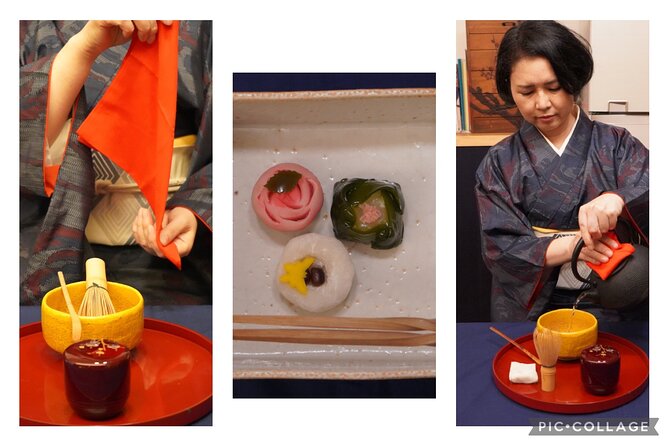
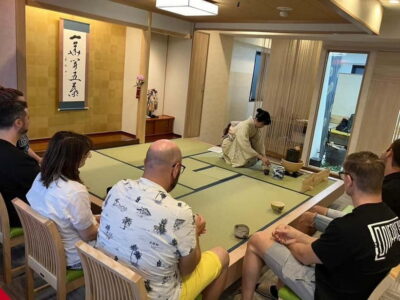
The tea ceremony portion starts with a warm welcome and a bit of context. Noriko shares some background on the history of Japanese tea before matcha begins. You then watch while she prepares the first bowl, so you see the rhythm and handling.
Then comes the hands-on part that I really value: you make the second bowl of matcha yourself. She guides you step by step. That is important because matcha is one of those things that looks simple until you try it, especially the way you whisk and the texture you are aiming for.
You also get small sweets during tea. The experience includes two small sweets and one seasonal sweet. The sweets are not a random add-on. In tea culture, they help balance flavors and give you something to notice while the tea settles into your session.
A helpful expectation setting: this is described as relaxed, with no strict rules. That does not mean it is casual in a careless way. It is still a real tea ceremony, just with a friendlier atmosphere than what some people fear from formal settings.
What to pay attention to during tea
- The texture and foam of your matcha, since your second bowl is guided
- How the sweets and tea taste together, especially the seasonal sweet
- The questions you ask, this is one of the best ways to make the experience feel personal
Possible drawback
If you prefer highly scripted, timed demonstrations only, you might find the informal tone makes it feel less ceremonial. But if you like learning by doing and asking questions, you will likely enjoy that flexibility.



Koto Music in a Home Setting, Plus Your Chance to Play
Next is the traditional Japanese instrument, the koto. Noriko performs two pieces for you. Hearing the koto in a home setting changes the feel. The sound has a different closeness than it does in a concert hall, and it is easier to watch how the performer handles the strings.
Then you get to try playing it yourself. The experience description notes you might be surprised at how quickly you can play a melody. That is exactly what you want from a cultural activity in two hours. You are not trying to become a musician. You are trying a real instrument, under guidance, and walking away with a small musical win.
What you should expect when it is your turn
You will not be dropped into uncertainty. Noriko runs the experience, so there should be clear instructions and a realistic skill path for beginners. Still, be mentally ready for it to feel a bit challenging at first. That is normal with string instruments, and the point is to learn enough to make sound and keep moving.
Optional Yukata (Cotton Kimono): Photos and Extra Time
You can add a yukata experience for 3,500 yen. The description says you can pay with cash, card, or PayPal, and you should request it when booking since it extends your time.
Time details are important here:
- For men: dressing time is listed as 10 minutes
- For women: dressing time is 20 to 30 minutes, including selection
- Women also receive a simple hairstyle
After you are dressed, Noriko helps you take memorable photos. This is one of the biggest reasons the yukata add-on can be worth it. In a home setting, your photos feel less like theme-park costumes and more like part of an actual cultural moment.
What to consider before adding yukata
If you are on a tight schedule, the base experience is about two hours, and the yukata option will extend that. If you like photos but want to keep the schedule strict, skip it. If you enjoy getting dressed and want the extra cultural flavor, add it and give yourself some breathing room.
How Long It Takes and How the Timing Works
The base experience is about 2 hours. The experience runs in a simple sequence:
- Welcome at Shin-Urayasu Station
- Short walk to the home
- Tea ceremony, including matcha history and making your second bowl
- Sweets with your tea
- Koto performance, then your turn to play
- Optional yukata dressing and photos
The timing is one of the reasons this is good value. You are getting two major cultural activities plus hands-on participation, all within a compact time window.
Also, you get mobile tickets, and there are group discounts. That can matter if you are traveling as a pair or small group and want to spread the cost.
Is It Worth $81 Per Person? A Practical Value Check
At $81 per person, you are paying for several things that are hard to replicate cheaply in Tokyo:
- Access to a private home experience
- Guided matcha making, not just watching
- Live koto performance, then a chance to play
- A host who answers questions and sets a comfortable pace
- The convenience of a meeting point that is close to a station
A tea ceremony in a larger, public setting can be less expensive, but you typically lose the hands-on attention. Here, the experience design pushes you into participation, and participation is what turns cultural tourism into a memory.
Then there is the koto. In many places, you see an instrument performed. Here, you are invited to try. That combination of tea plus music, both guided, is a strong use of your time.
If you add the yukata, add the extra 3,500 yen. For some people, that is a sweet upgrade. For others, it is optional. Either way, the base experience is already structured and complete.
Who This Is For (And Who Might Skip It)
This is a great match if you want:
- A private experience rather than a crowded group format
- Hands-on learning, especially making matcha and trying the koto
- An informal tone where you can ask about tea, music, and Japan
- A culturally focused visit that is short enough to fit into a day plan
You might skip it if you only want big sightseeing, because this is about a home-based cultural experience, not walking through major landmarks. You might also hesitate if you dislike any element of hands-on activity. But if you are the type who likes participating, this should hit the mark.
What You Learn, Even Beyond Tea and Koto
The real value is not only what you do, it is how you think about what you are doing. Noriko’s teaching style is described as deeply informed, covering tea, music, history, and answers to questions about Japan. That kind of Q and A is what helps the experience stick, because you connect the performance and the ritual to your own curiosity.
Also, when you make matcha and then have sweets, you notice sensory details. When you watch and then try a koto melody, you get a feel for the instrument’s logic. Those are small lessons, but they can be surprisingly motivating.
Tips to Get the Most From This Visit
- Arrive with an open mindset. This is informal, but it is still a cultural activity with intention.
- Ask questions during tea. If there is one moment that benefits from curiosity, it is the relaxed explanation time.
- If you choose yukata, plan extra time in your day. Dressing and photos are part of the point.
- Wear comfortable clothing for the walk and for any time spent sitting.
Should You Book This Private Tea and Koto Experience?
I think you should book it if you want an authentic-feeling cultural visit that stays personal and interactive. The biggest strengths are the matcha making with guidance and the fact that the koto is not only performed for you, it is also something you can try. Add to that Noriko’s friendly, informed approach, and you get a strong mix of tea culture plus Japanese music in one smooth, short outing.
Book if you are also within reach of Shin-Urayasu and you like the idea of being hosted in a local home. Skip it if your priority is landmark sightseeing only, or if you are strongly against any hands-on activity.
If you want, tell me your travel dates and group size, and I can suggest how to slot this 2-hour experience into a Tokyo day plan without rushing.
FAQ
Where do I meet Noriko?
You meet at Shin-Urayasu Station (JE08). The starting point is listed as Shin-Urayasu Station, 1 Chome-1 Irifune, Urayasu, Chiba 279-0012, Japan.
How long is the experience?
The duration is about 2 hours.
How much does it cost?
The price is $81.00 per person.
Is this a private tour?
Yes. It is a private experience, so only your group participates.
What happens during the tea ceremony?
You get a relaxed tea ceremony experience. Noriko prepares the first bowl of matcha, shares some history, and then guides you step by step to make your own second bowl of matcha.
Do you include sweets with the tea?
Yes. The experience includes two small sweets and one seasonal sweet.
Is there a koto performance?
Yes. Noriko performs two pieces on the koto, and then you have a chance to try playing it yourself.
Can I add a yukata?
Yes. You can add a yukata (cotton kimono) for an additional 3,500 yen. You can request it when booking.
How does the yukata option affect time?
The base experience is about 2 hours, and the yukata option extends the experience time. Dressing time is listed as 10 minutes for men and 20 to 30 minutes for women (including selection), plus a simple hairstyle for women.
What is the cancellation policy?
You can cancel for a full refund up to 24 hours in advance of the experience start time. If you cancel less than 24 hours before, the amount paid is not refunded.
More Tour Reviews in Tokyo
Not for you? Here's more nearby things to do in Tokyo we have reviewed












Tokyo Tea & Sake Experiences, side by side.
 ★ 5.0Traditional Tea Ceremony with a Tea MasterFrom $38528 reviews
 ★ 5.0Sake Tasting Masterclass in Shinjuku (8+ Varieties with a Pro)From $72271 reviews
 ★ 5.0Tea Ceremony Workshop in Tokyo by the Experienced InstrucorFrom $38189 reviews
 ★ 4.9Asakusa: Kimono Tea Ceremony with Matcha and SweetFrom $66153 reviews
 ★ 4.9Tea Ceremony Experience in a Private Tea Room in ShibuyaFrom $30125 reviews
 ★ 4.7Practicing Zen with a Japanese Tea CeremonyFrom $63105 reviews
 ★ 5.0Matcha Kimono Tea Ceremony in TokyoFrom $59104 reviews
 ★ 4.9Tea ceremony experience in Japanese-style room 60minFrom $4586 reviews
This tour also belongs to