
Review · WALKING TOURS
Gotokuji and Setagaya Walking Tour: Home of the Lucky Cat Statue
Lucky cats meet everyday Tokyo. This guided walk ties together hundreds of lucky cat statues and an up-to-¥800 drink at the Shoinjinja shopping street, with shrine and neighborhood stops that feel like you found a side street most day trips skip. One heads-up: you’ll cover some uneven mountain paths, so comfortable walking shoes and a moderate fitness level matter.
What makes it especially worth your time is the human touch. Guides like Mitsuko, Yumi, Emiko, and Yoshimi can turn temple facts into something you actually remember, including how to step into shrine space properly and how to handle the usual purity and prayer rhythms. I also like the pace, about 3 hours 30 minutes, so it fits well between bigger Tokyo plans, as long as you’re ready for some walking.
Key Takeaways Before You Go
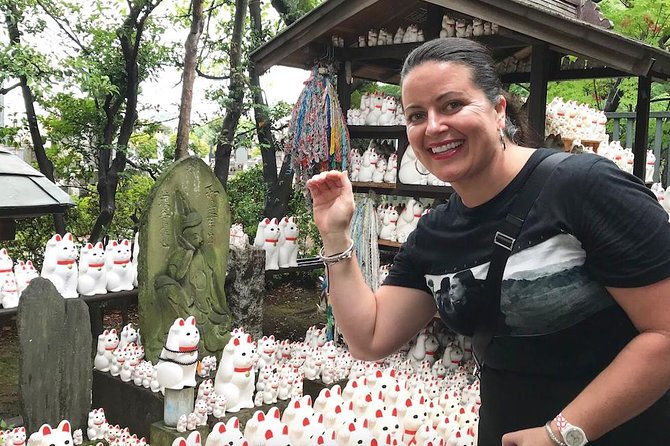
- Lucky cat stories with context, not just photos, including where the charm tradition comes from
- Free entry at the main sites, so you spend on food and transit instead of tickets
- A paid-value drink included (coffee or tea up to ¥800) at Shoinjinja Shopping Street
- Shrines plus local errands, with time in the Setagaya neighborhood shopping area
- Good guidance for how to visit, including purity and prayer steps with the guide present
A Half-Day Lucky Cat Walk That Feels Like Local Setagaya
If your Tokyo plans have you focused on the usual best-known stops, this one is a smart reset. Setagaya is not trying to be a theme park. It’s real neighborhoods, local shrines, and the kind of backstreet energy where you can watch daily life while still getting a very specific Tokyo obsession, the lucky cat.
The tour also has a useful shape. You’re not just moving from one landmark to another. You’re learning how the areas connect, starting with shrine grounds that have sumo traditions and ending near a local train line you can use right after. It’s a clean plan for visitors who want meaning, not just stamps on a passport.
And yes, lucky cats are the hook. But the real win is how the guide connects the statues to the places, rituals, and stories around Gotokuji Temple and the Shoinjinja Shrine area.
You can also read our reviews of more walking tours in Tokyo

Price and What Makes It Feel Like Value
At $84.70 per person, it’s not a free walking stroll. You are paying for three big things: a professional guide, a built-in drink credit, and a tightly planned route that keeps your time efficient.
Here’s what helps the value story:
- Free admission at the key shrine and temple stops keeps your total day cost down.
- One included drink (coffee or tea up to ¥800) at Shoinjinja Shopping Street gives you a tangible perk, not just general sightseeing.
- Your guide time matters here. The lucky cat theme could turn into trivia. Instead, the guides described in the reviews lean into explanations and practical guidance, like how to enter shrine areas and handle the usual purity and prayer steps.
If you’re traveling as a small group, the pricing can feel even better because there are group discounts, and the experience is set up as a private tour/activity, meaning it’s only your group participating.
The Walk Itself: Timing, Shoes, and the Real Pace
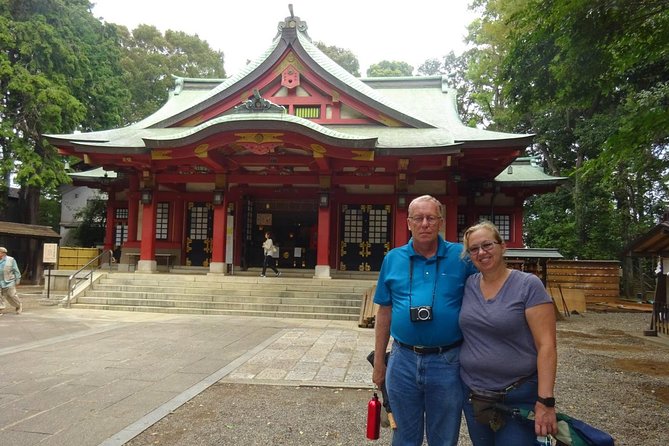
The schedule runs about 3 hours 30 minutes and starts at 10:00 am. Meeting is at Gotokuji Station (Gotokuji, Setagaya City). The tour ends near Shoin-jinja-mae Station (Wakabayashi, Setagaya City).
That end point is a practical touch. It puts you near a convenient next step without forcing you to backtrack across town. It also means you’re free to keep exploring after the tour with local options.
One logistics note you should take seriously: you’ll be walking mountain paths. The tour advises shoes easy for walking. So wear sneakers you trust. If you’re the type who likes to roam in sandals, this is the day to choose something sturdier.
Stop 1: Setagaya Hachimangu and Its Sumo Spirit
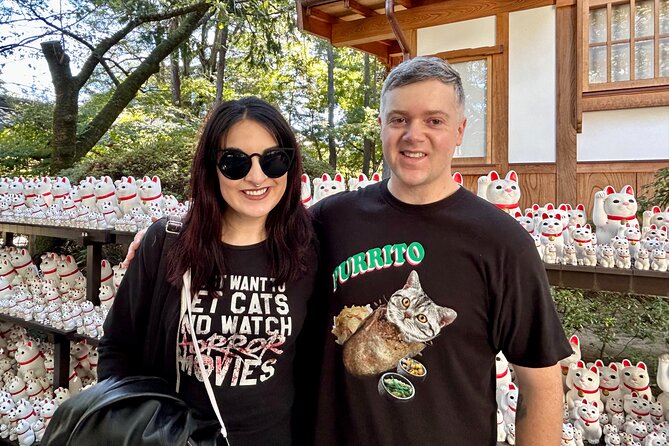
Setagaya Hachimangu is the opening act, and it’s a good one. This is one of the larger shrines in Setagaya Ward, and the grounds are tied to events that feel oddly specific, like a dohyo (sumo ring) setup on shrine grounds and a honosumo (奉納相撲) event.
Why this is a smart first stop:
- It gives you a cultural anchor fast, before the tour shifts into the lucky cat theme.
- It shows you that Setagaya isn’t just about one famous statue. It’s about local traditions layered over time.
Admission is free here, so you can focus on the experience rather than planning a ticket schedule.
If you’re someone who likes a quick cultural hook, you’ll appreciate starting here rather than jumping straight to the cat crowd.
Stop 2: Gotokuji Temple, Where Lucky Cat Meaning Gets Real
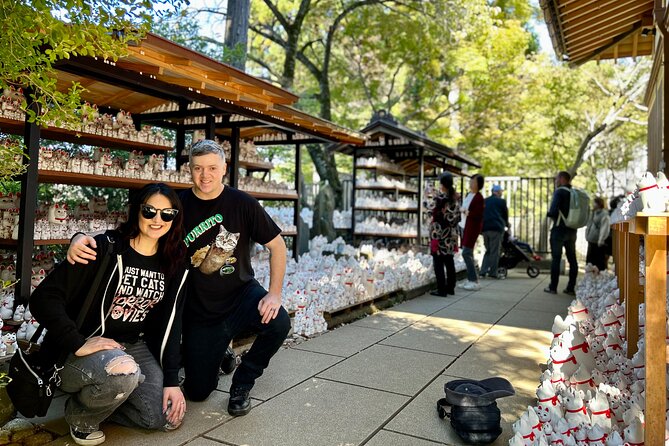
Gotokuji Temple is the centerpiece for obvious reasons. This is where the lucky cat story takes over, with the tour guiding you through the area where you can see hundreds of lucky cat statues lined up.
But the best part is not the volume of cats. It’s the way the guide explains how this tradition connects to the temple setting and the bigger story behind the charm. One of the reviews specifically highlights learning the origin of the lucky cat from the guide, and that’s exactly what you want to walk away with.
You’ll also get some temple context that helps the cat theme feel earned, not random. The tour notes that Gotokuji Temple begins the Kotokuin hermitage, connected to Kira Masatada, who built Setagaya Castle in 1480. It also shares that the religious affiliation shifted over time, originally Rinzai sect and later, in 1584, becoming a temple of the Soto sect.
Practical tip: even if you’re photographing cats, leave room to look at how people interact with the space. When a guide shows you how to step into shrine areas and follow purity and prayer rhythms, you’ll notice details you’d otherwise miss.






Stop 3: Shoinjinja Shrine, Yoshida Shoin, and the Schoolchildren Connections
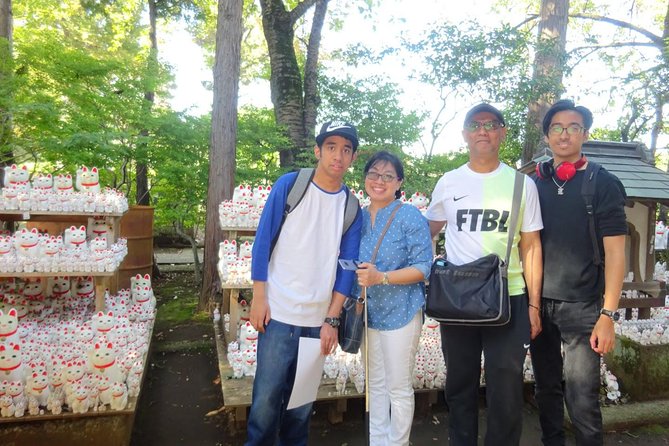
After Gotokuji, the tour shifts to Shoinjinja Shrine, which has a different emotional tone. The shrine was founded in 1882 with master Yoshida Shoin at the center.
The tour also points you toward the precincts where you’ll find tombs connected to Shoka Village school children, including Yoshida Shoin. You also see a building that the tour describes as a reproduction, linked to that educational legacy.
If you’re thinking, okay, what does this have to do with lucky cats? That’s where the tour’s value shows. This is the point where you realize the route is about more than a single famous sight. It’s about how one neighborhood carries multiple layers of meaning.
This is also where a guide makes a real difference. One review mentions Yumi explaining purity and prayer rituals clearly, so you don’t just stand around trying to guess what you should do.
Shoinjinja Shopping Street and the Included Coffee or Tea
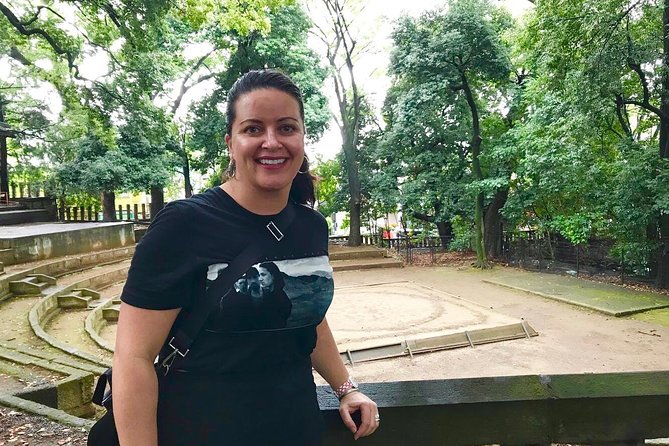
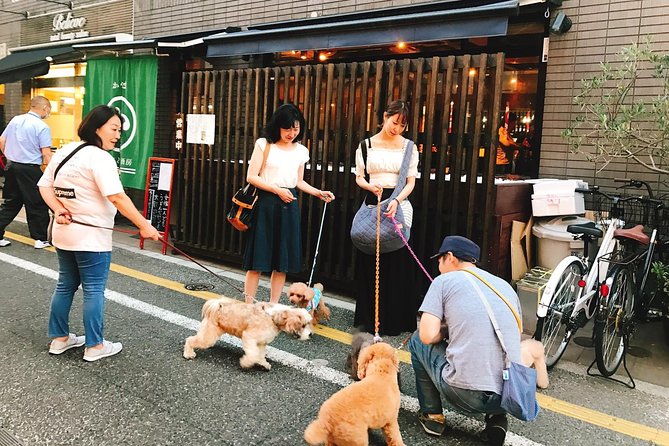
The route builds in time for the Shoinjinja Shopping Street, and the included drink is a real advantage. You can choose coffee and/or tea for one free drink up to ¥800.
This matters more than it sounds, because shopping streets in Tokyo are where you slow down. You see what locals actually pick up, you smell what’s being cooked and roasted nearby, and you can grab something light without turning the tour into a lunch hunt.
Also, the guide’s role expands here. The tour notes that you’ll get advice on where to eat and what to see in the neighborhood after the walking portion ends. That guidance can save you time, especially in areas where restaurant choices look confusing until you’ve got a local pointing you toward the right kind of place.
After the Walk: Local Transit and a Smooth Way to Keep Going
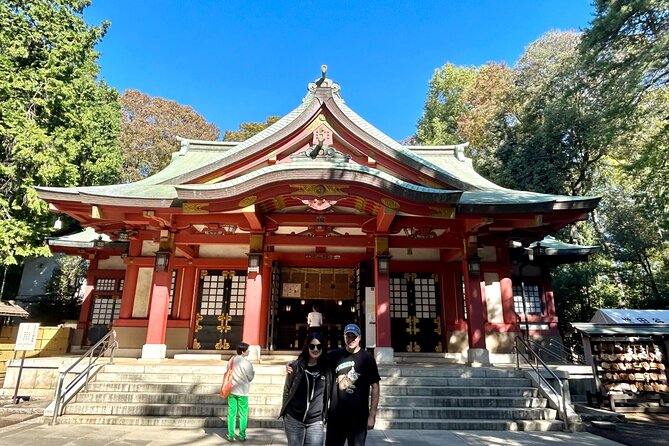
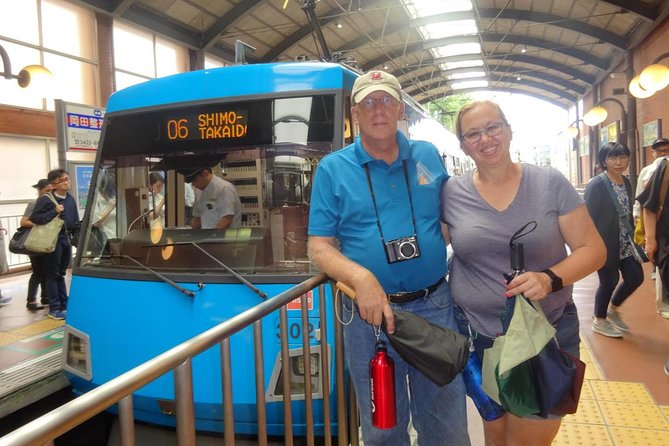
The tour ends around Shoin-jinja-mae Station, and there’s a nice final detail offered in the plan: the Tokyu Setagaya Line. You can use this local line after the tour, and it’s described as a line full of locals.
That’s a small thing, but it’s a practical one. It helps you transition from guided sightseeing to independent Tokyo without you having to immediately re-plan everything.
If your day includes bigger Tokyo sights later, this ending spot can help you avoid the fatigue spiral. You leave the tour already placed near local transit.
What I’d Pay Attention To During the Tour
This tour works best when you treat it like a guided neighborhood story, not just a checklist.
Here are the moments that usually make the biggest difference:
- Cat photos are easy. Context takes effort. Listen for the origin story and how the charm tradition connects to the temple spaces.
- Shrine manners are part of the experience. When the guide shows how to handle purity and prayer steps, you learn how people actually behave.
- Use the included drink as a reset. Sit down, look around the shopping street, then ask your guide what to do next with your remaining time.
- Take the shoe advice seriously. If you rush with the wrong footwear, the whole day feels harder than it should.
Who This Tour Fits Best
This is a great fit for:
- You if you love Tokyo oddities with a real cultural backbone, like the lucky cat tradition.
- You if you want a guided day that still feels local, with shopping street time and shrine-to-shrine walking.
- You if you prefer smaller, focused experiences over long transit marathons.
It may not be ideal if:
- You don’t like uneven walking or you need very flat routes.
- You want only famous, world-famous landmarks with minimal walking. This is suburb-by-design.
Should You Book Gotokuji and Setagaya Walking Tour?
I think you should book it if you’re craving a different side of Tokyo. The lucky cat theme is fun, but the real payoff is learning the meaning behind it while walking through Setagaya shrines and a local shopping street.
You’ll especially like it if you:
- Want practical guidance for shrine visits.
- Value an included drink credit that actually gets used.
- Prefer a half-day plan that doesn’t eat your whole day.
But if you’re shopping for a fully flat, low-walking day, choose a different tour. The mountain paths and moderate walking effort are part of the package.
If you’re flexible on shoes and you like guided context, this is a smart, cost-conscious way to see a Tokyo neighborhood with a distinctive personality.
FAQ
How long is the Gotokuji and Setagaya walking tour?
The tour lasts about 3 hours 30 minutes.
Where do I meet the guide, and where does the tour end?
You meet at Gotokuji Station (1 Chome-43 Gotokuji, Setagaya City) and the tour ends near Shoin-jinja-mae Station (4-chōme-21-16 Wakabayashi, Setagaya City).
What is included in the price?
The price includes a professional guide and one free coffee and/or tea drink up to ¥800 at Shoinjinja Shopping Street.
Is lunch included?
No, lunch is not included.
Do the shrines and temple stops require paid admission?
The listed admission for the main stops is free.
What should I wear for the walking route?
Wear shoes that are easy to walk in, because you will walk the mountain paths.
Is this a private tour?
Yes. It is a private tour/activity, and only your group participates.
More Walking Tours in Tokyo


More Tours in Tokyo


More Tour Reviews in Tokyo
Not for you? Here's more nearby things to do in Tokyo we have reviewed












Walking Tours, side by side.
 ★ 5.0Tokyo Tsukiji Fish Market Food and Culture Walking TourFrom $993,184 reviews
 ★ 5.0Imperial Palace and Shogun Historical Walking TourFrom $222,251 reviews
 ★ 4.9Shinjuku Local Bar and Izakaya Guided Walking TourFrom $341,794 reviews
 ★ 5.0Tsukiji Fish Market Food and Walking tourFrom $301,724 reviews
 ★ 4.8Asakusa Walking Tour with Sensoji Temple VisitFrom $221,583 reviews
 ★ 4.9Tsukiji Fish Market Guided Walking TourFrom $221,397 reviews
 ★ 4.7Tokyo Castle & Imperial PalaceーShogun Walking TourFrom $231,068 reviews
 ★ 4.9Imperial Palace Japanese History Walking TourFrom $32987 reviews
This tour also belongs to