
Review · MOUNT FUJI TOURS
Mt FUJI – Panoramic Tour w/ Hoto Lunch, JP Sake & Onsen tatto OK!
Mt Fuji in one smooth day. This small-group tour packs scenic viewpoints, a shrine you can actually climb, and tastings that feel local, not touristy. I especially like the up to 8-person group size, which gives you room to ask questions, and the way the route layers in multiple Fuji angles. One thing to consider: the schedule is full, and while the onsen is a highlight, optional add-ons like kimono time cost extra.
I also love that you start early in Tokyo and get to famous photo stops before the day gets crowded. With guides such as Yayoi-san, Keiko-san, and translators like Ramesh, the day stays clear, calm, and friendly, even when clouds block some views. If you are hoping for a slow, wandering day, you might feel the pace at certain stops, especially if you add optional experiences.
Key Points to Know Before You Go
- Small group up to 8 travelers, so questions and timing feel human, not rushed
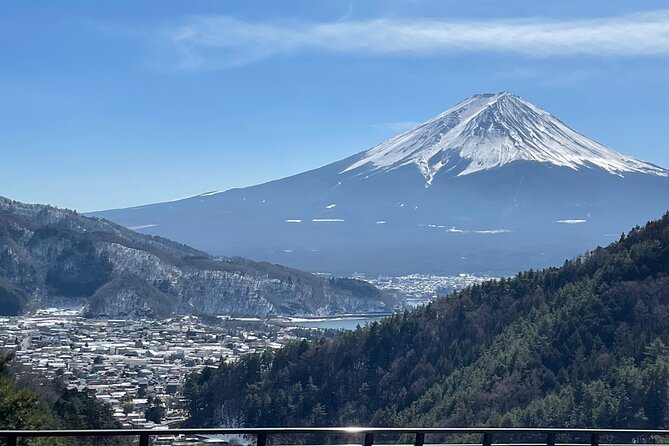
- Fuji photo stops from different angles, including classic postcard viewpoints and lake views
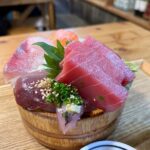
- Hoto lunch plus Japanese sweets, so you eat like you are in the region, not just at a restaurant
- Onsen included as an optional stop, with an extra fee to use it (tatto ok is advertised)
- Sake tasting at Sasaichi Shuzo Shuyukan, including samples of local products
- Long return ride, with a lot of transit time planned back toward Tokyo
Why This Small-Group Mt Fuji Day Feels Like a Real Day Trip
If you have only one day to see Mount Fuji, timing is everything. This tour is built around short, efficient stops that still give you time to look, take photos, and ask questions, without the chaos that often comes with big buses.
My favorite part is the small-group format, capped at 8 travelers. That means your guide can actually respond to you, not just to the loudest person in the back. It also makes it easier to keep track of what is next, especially early on when you are still waking up in Tokyo.
The second thing I really like is the mix of viewpoint types. You are not only driving past Fuji from one angle. You hit shrine steps, lake scenery, village streets, and mountain-view hot springs, so you leave with photos that look like a set, not a random collection.
The only potential drawback is how packed the day is. You will be on the move for a long 10 hours, and some stops are intentionally time-boxed. If you hate feeling rushed, plan your expectations like a train itinerary, not a leisurely stroll.
You can also read our reviews of more food & drink experiences in Tokyo

Getting There from Shinjuku: A Very Early Start and a Long Scenic Day
You meet at Shinjuku Post Office 1-chōme-8-8 at 7:30 am, and the tour runs about 10 hours total. That long day is partly because you are leaving Tokyo for the Fuji area, and partly because the itinerary includes multiple stops.
Expect roughly 3.5 hours of transit on the way back, since the round trip covers over 400 kilometers. The upside is that the ride is part of the experience, not dead time. You can use it to rest, check your next plans, or ask the guide questions while everyone is seated.
The drive time also explains why the stops are structured. There is no skipping the best-known viewpoints, but the tour keeps each visit tight enough that you still fit in lunch, sake, and an onsen stop.
Nishikatsura and Fujiyoshida: Your First Fuji Glimpse, Fast and Focused
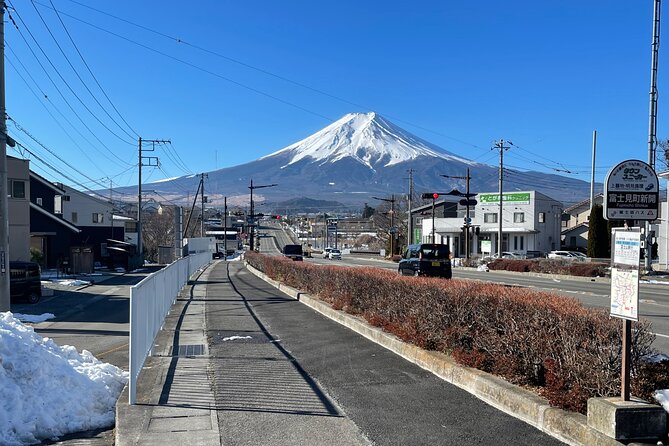
The tour starts with an immediate payoff. At Nishikatsura-cho, you get your first clear look at Mount Fuji upfront. It is a short stop, about 20 minutes, and the admission is free. This is the moment where the day either looks magical, or you realize you will need to chase visibility.
Next comes Fujiyoshida, another quick 20-minute stop, also free. Here you see the contrast between the townscape and the mountain in the background. This is also where you pick up regional snacks, including Japanese confectionaries.
Why this works: it gives you a baseline early. Even if clouds shift later, you have already built a mental map of where Fuji appears, and you know what to look for at the next locations.
Practical tip: if you care about photos, decide early which phone camera settings you will use. These early windows are short, and the best shots are the ones you do not fumble over.
Arakura Fuji Sengen Shrine: The Iconic Steps and the View Payoff
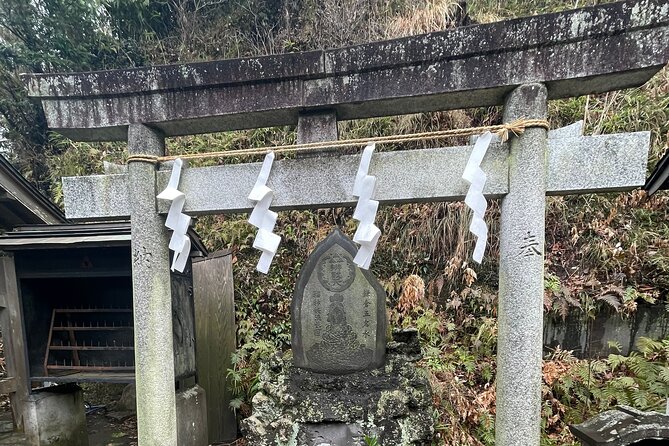
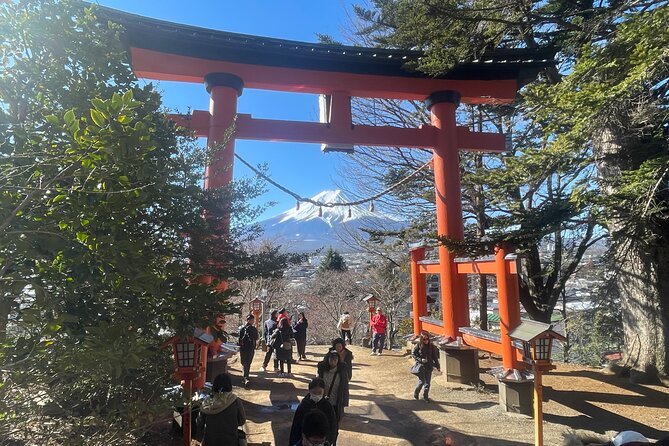
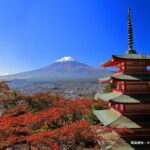
At Arakura Fuji Sengen Shrine, you get one of the most famous postcard scenes. The stop runs about 50 minutes, and the admission is included. This is also the most active part of the day because you actually climb one of the known shrine areas for the best angles.
This stop is worth the effort because it is not just a viewpoint from a road. You are moving through a shrine setting, which makes the photos feel earned and not staged.
The potential downside is physical pacing. The day asks for moderate fitness, and this climb plus the rest of the schedule can feel like a lot if you have mobility limits. If you are unsure, plan to take breaks during the ascent, and do not feel pressured to “keep up.”
Saiko Iyashi-no-Sato Nemba and Kanadorii: Village Charm Plus a Shrine Gate Moment
After Arakura, the tour shifts to atmosphere. At Saiko Iyashi-no-Sato Nemba, a traditional Japanese village, you get about 40 minutes and included admission. You get Mount Fuji framed from an old village setting, and you may have the option to wear Japanese village kimonos.
This kind of stop is valuable because it helps you understand the region beyond scenic roads. Fuji is not only a mountain in the distance here. It is woven into daily visuals like old streets, traditional building styles, and local vantage points.
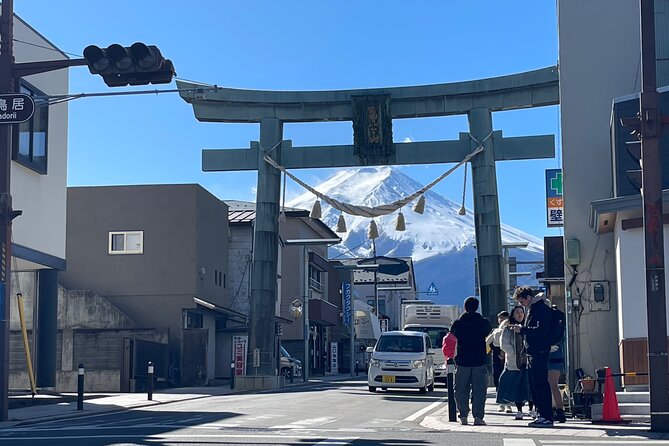
Then you move to Kanadorii, about 15 minutes, free admission. This is a quick hit at the first torii gates of the main shrine area that guards the base of Mount Fuji.
Why this stop matters: torii gates are instant story. Even when Fuji is partially obscured, the shrine architecture keeps the scene meaningful, and you still get that classic sacred geometry for photos.
If you are short on energy, treat Kanadorii as a photo-and-move stop. You will get the effect without overextending your feet.
More Tokyo tours and experiences for the shortlist


Oishi Park to Hottarakashi Onsen: Lake Views, then the Best Kind of Reset
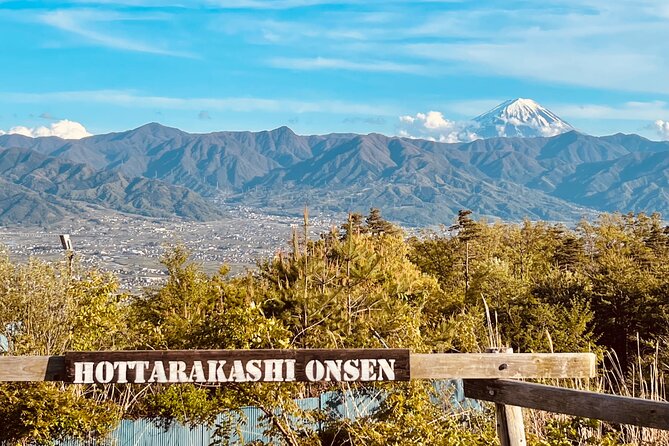
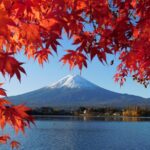
Oishi Park is a 20-minute stop, free admission, and it is built for one thing: Mount Fuji with Kawaguchiko Lake. This pairing is what makes many people fall for the Fuji area. The lake gives you reflection potential and a wider sense of space than mountain-only shots.
Then you go to Hottarakashi Onsen, the big reset. The stop is about 50 minutes, and the onsen admission is included only if you choose it. The listing notes an optional onsen fee of about ¥900 per person, and it is marketed as tattoo ok.
This is the moment where you should stop thinking like a photographer for 10 minutes and start thinking like a body that has been sitting and climbing. The best use of this time is to arrive ready to relax, change into a comfortable layer after soaking, and not rush your way out.
A practical note: you will likely want a simple plan for storage. Bring a small bag for your essentials so you do not lose time fiddling with things right before you sit down to enjoy the view.
Misaka Pass Lunch Stop: Hoto-Style Comfort Food in the Mountains
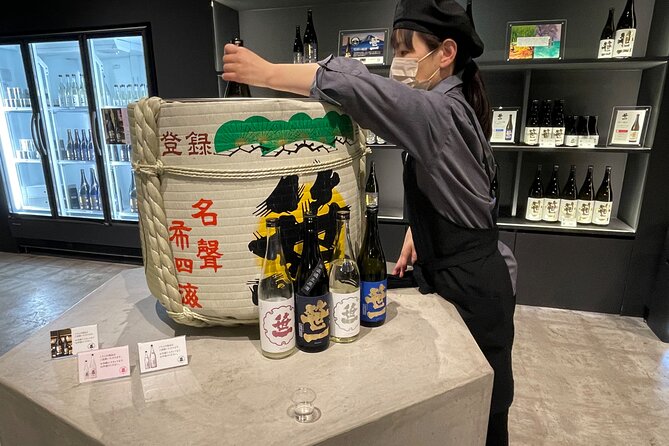
The itinerary includes Misaka Pass, where you get both views and lunch. This stop runs about 1 hour 10 minutes, and admission is free.
Lunch here is described as a Japanese lunch in the area, and the tour is positioned around hoto lunch. Hoto is a comforting noodle dish with regional identity, and it is the kind of meal that fits the weather and altitude better than something light and cold.
Why I like this setup: it gives you fuel before the later tastings and the long return ride. It also means you are not searching for food on your own when you get tired and hungry.
Watch-outs: lunch satisfaction can be personal. One person found the lunch not their favorite, while others loved the rest of the day. If you have picky dietary needs, you cannot assume everything will match your tastes, so keep your expectations flexible.
Sasaichi Shuzo Shuyukan: Sake Tasting You Can Actually Learn From
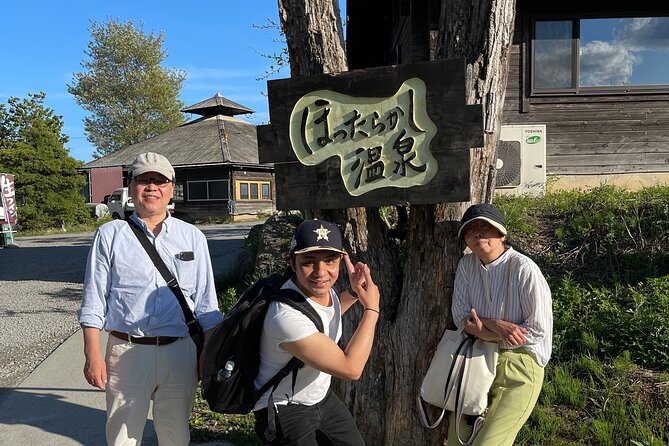
At Sasaichi Shuzo Shuyukan, you visit a sake distillery and sample local products. The stop is about 45 minutes, and the sampling is included.
This part of the day is special because sake tasting can turn into a generic “try this, move on” situation on other tours. Here, you get a distillery visit plus sampling, which gives the day a deeper flavor than just scenic stops.
If you enjoy the taste world of Japan, this is a strong use of your time. It is also a good “indoors option” if visibility of Fuji is poor later in the day, since you are still getting a structured experience.
Kanto Return Stretch: Use It, Rest It, Ask Questions in Transit
The return toward Tokyo includes a long transit portion. The itinerary notes spending approximately 3.5 hours in transit due to the round trip distance. The tour also includes a Dangozaka Service Area Inbound stop at about 20 minutes, free admission, where you can try local breads if you did not eat breakfast.
Then you wrap with Kanto time, about 4 hours 5 minutes on the schedule line, giving the ride a buffer so your day does not collapse if traffic slows.
This is where the tour’s small-group advantage helps again. Your guide can keep talking, answering questions, or pointing you to what to do next in Tokyo while you are already on the way back.
Optional Add-Ons: Onsen, Tea, and Kimono Costs to Plan For
The core tour includes lunch, parking fees, and an air-conditioned vehicle. Coffee and tea are not included, and dinner is not included if applicable.
There are also optional experiences:
- Onsen fee: optional around ¥900 per person
- Tea experience: optional around ¥500 per person
- Kimono experience: optional around ¥2,500 per person
If you want maximum value, treat these as choices, not obligations. The onsen is the one most tied to the atmosphere of the Fuji region, so it is an easy pick if you are comfortable with bathing rules.
For kimono time, be selective. One of the best uses of your day is time at viewpoints and the onsen itself. Kimono can be fun for photos, but it also uses up time. If you have limited energy, skip it and use that window to linger where you are actually looking at Fuji.
Guides Make the Day: Yayoi-san, Keiko-san, Ramesh, and the Calm Driver Energy
This tour clearly benefits from strong guides. Names that show up in the experience include Yayoi-san and Keiko-san. There is also Ramesh working as an English translator, and Kwon-san as the driver in at least one group experience.
When your guide can explain what you are seeing, the day feels smoother. And when your driver handles mountain-area roads with confidence, you spend less energy worrying and more time enjoying the moment.
A small but important human detail: guides who communicate clearly help you stay grounded if the weather changes. Mount Fuji can be shy when clouds roll in, and the best guides shift your focus toward what you can still enjoy that day.
Weather Reality: When Fuji Hides, You Still Get a Complete Day
Mount Fuji visibility can change even within hours. One experience included a day when Fuji was obscured by clouds, and the tour still felt memorable because the stops remained meaningful and the guide kept everything engaging.
So what should you do with this information? Plan to experience the region, not just a single mountain shot. The route covers shrines, villages, lake views, and a distillery, so even if the iconic view is not perfect, you are not left with nothing.
If you are obsessing over one specific photo, you will feel the weather more strongly. If you are happy collecting different kinds of moments, this itinerary gives you options.
Who This Tour Is Best For, and Who Should Consider Another Option
This tour is ideal if you:
- Want a single full-day Fuji plan without wrestling public transport
- Like structured viewpoints but still want time for questions
- Enjoy food stops like hoto lunch and want a sake tasting component
- Would rather do an onsen in a planned way than figure it out solo
It may be less ideal if you:
- Hate a packed schedule and prefer slow pacing
- Need long resting windows between stops
- Are very sensitive to optional add-on fees and want a strictly all-in price
The small-group cap of 8 also helps solo travelers feel less lost. You get conversation without losing personal space.
Should You Book This Mt Fuji Panoramic Tour?
I think you should book if you want a Fuji day that is more than a checklist. The combination of shrine time you can climb, multiple scenic Fuji angles, a hoto-style lunch, and a real distillery stop makes the day feel balanced.
It is also a strong choice for value because you are paying for a guided route that includes parking, transport, and a tight sequence of meaningful stops. You only add what you truly want, like the onsen or optional tea and kimono experiences.
One final decision tip: if Mount Fuji clouds are a concern for you, this itinerary still holds up because it does not bet everything on one single view. Build your plans around the whole day, and you will leave with photos and memories that feel like you were in the region, not just passing through.
FAQ
What time does the tour start, and where do we meet?
The tour starts at 7:30 am at Shinjuku Post Office, 1-chōme-8-8 Nishishinjuku, Shinjuku City, Tokyo.
How long is the Mt Fuji panoramic tour?
It runs about 10 hours total.
How big is the group?
The tour is limited to a maximum of 8 travelers.
Is the ticket mobile, and is there an admission fee for stops?
The tour uses a mobile ticket. Some stops are free, while others include admission fees, such as Arakura Fuji Sengen Shrine and Saiko Iyashi-no-Sato Nemba, which are listed as included.
What meal is included?
Lunch is included, and the tour is associated with hoto lunch during the Misaka Pass area stop.
Is sake tasting included?
Yes. You visit Sasaichi Shuzo Shuyukan and sample local sake, which is included.
Do I have to pay extra for the onsen?
The onsen stop is included as an experience, but the onsen entrance fee is listed as optional at about ¥900 per person.
Are tea or coffee included?
No, coffee and/or tea are not included.
What happens if the weather is cloudy and Mount Fuji is hard to see?
The experience is weather dependent, and if Mount Fuji views are affected, the itinerary still provides a structured day with shrine, village, lake, and sake stops. If the tour is canceled due to poor weather, you are offered a different date or a full refund.
More Food & Drink Experiences in Tokyo


More Tours in Tokyo




More Tour Reviews in Tokyo


Not for you? Here's more nearby things to do in Tokyo we have reviewed












Mount Fuji Tours, side by side.
 ★ 5.0Mt Fuji and Hakone 1-Day Bus Tour Return by Bullet TrainFrom $16326,383 reviews
 ★ 4.0Mt Fuji & Hakone Cruise, Drum Show Bullet Train 1 Day from TokyoFrom $1497,413 reviews
 ★ 4.4Tokyo Mt Fuji 5th St & Hakone Cruise Bus Tour w/Bullet TrainFrom $1545,024 reviews
 ★ 4.5From Tokyo: Mount Fuji Full-Day Sightseeing TripFrom $684,970 reviews
 ★ 4.7Mt. Fuji Tour, Hakone Ropeway, Owakudani, Lake AshiFrom $544,002 reviews
 ★ 4.2Mt. Fuji 5th Station & Hakone Cruise 1-Day Bus TourFrom $1292,381 reviews
 ★ 4.7Mt Fuji Top 5 Spots Day Tour: Arakurayama Park,Oshino HakkaiFrom $532,066 reviews
 ★ 5.0Private Tour to Mt. Fuji and Hakone (Fully Licenced Operator)From $4971,910 reviews
This tour also belongs to