
Review · KAMAKURA DAY TRIPS
Private Tour Kamakura Yokohama Day Trip English speaking driver
Kamakura feels like a time machine from Tokyo. This private English-speaking driver trip strings together Hōkoku-ji’s bamboo garden and Yokohama highlights, so you can see a lot without wrestling trains. You also get a built-in day plan that keeps things moving, even when you want to slow down for photos.
What I like most is the first temple stop. Hōkoku-ji feels calm in a way that is hard to recreate on your own, with its Zen-style setting and the famous bamboo atmosphere. Second, I really appreciate getting to Kōtoku-in’s Great Buddha with minimal friction, since it is the kind of sight that makes the whole day feel worth it.
The main thing to consider is money for entry. Temple and garden admissions are not included, and you should budget about 1100 JPY per person on top of the tour price.
Key Highlights You Should Know Before Going
- English-speaking driver, private car: you stay in one group of up to 6, with the day handled for you
- Hōkoku-ji Bamboo Temple focus: a Zen bamboo garden stop that sets a peaceful tone early
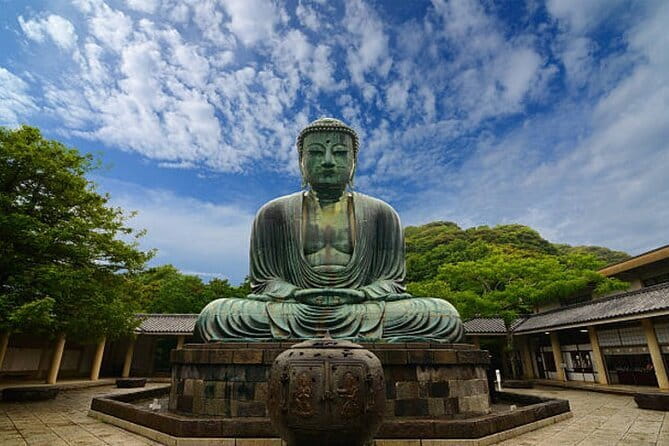
- Kōtoku-in Great Buddha: one of Japan’s most recognizable Buddhist icons, seen up close
- Tsurugaoka Hachimangu Shrine plus ponds: cultural shrine grounds with historical symbolism
- Yokohama Chinatown then Sankeien Garden: street energy, then a slower, garden pace
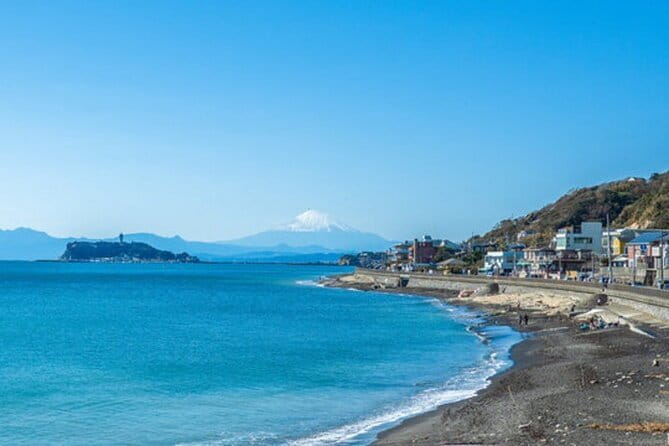
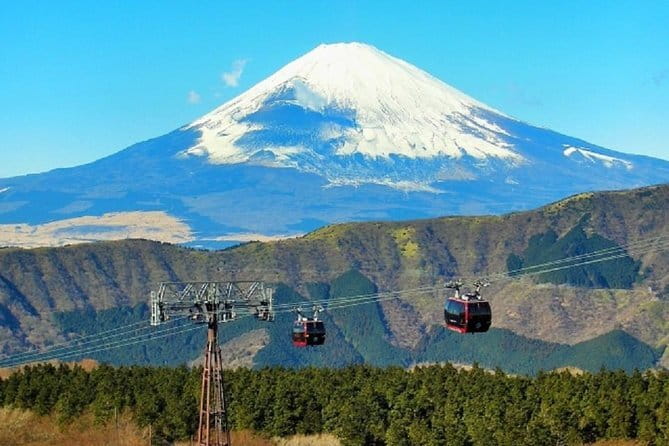
- Yuigahama seaside photo time: a beach viewpoint with Mt. Fuji across the ocean
Why This Kamakura and Yokohama Combo Works So Well
Kamakura and Yokohama hit two different moods in one trip, and that is the smart part. Kamakura gives you temples and shrines that feel old and spiritual, while Yokohama adds waterfront modern city vibes plus a concentrated food and shopping area in Chinatown.
This is also a practical pairing. Kamakura is known for the big-ticket religious sights that are spread out, and Yokohama has its own set of must-sees that can be time-consuming to line up by public transport. With a private driver and a set route, you spend less time figuring out how to get from point A to point B, and more time actually being there.
You are looking at about 10 hours total, so it is not a casual stroll day. Still, it is a nice way to get Kanagawa into your Tokyo trip without adding stress.
You can also read our reviews of more private tours in Tokyo
The Private Driver Advantage in Plain Terms
This tour runs in a private air-conditioned vehicle, and that matters more than it sounds. Temple towns often mean stairs, walking, and occasional detours. Having a driver who handles transit between locations keeps the energy focused on the sights, not on logistics.
It also helps that this is a true private experience, not a shared bus where you feel rushed or stuck waiting on other people. In past tours, guides like Sunny and Mr Vicky were praised for being friendly, flexible, and on time, which lines up with what you want from a day like this.
One more practical detail: you get a mobile ticket, which is usually easier than digging for paper tickets on the day. And since pickup is offered and the meeting point is near public transportation, you have options if you want to get yourself to the start area cleanly.
The 10-Hour Game Plan: How the Day Feels
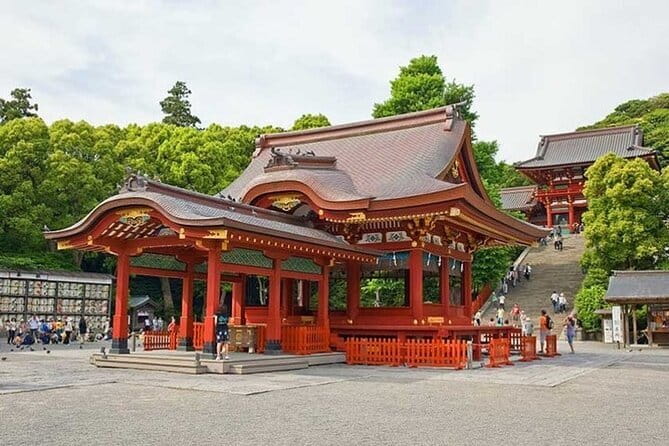
The route is built in a logical flow. You begin in Kamakura (temples, shrine, shopping street, seaside), then head into Yokohama for Chinatown and Sankeien Gardens.
The time at each stop is generous enough to do two things at once. You can browse the grounds and take photos, but you can also move through without feeling like you have to sprint. That balance is why the day works for people who want a lot of sights but still hate the feeling of being dragged around.
Also, expect admissions on your dime. Several of the biggest sights are not included in the price, so you should mentally plan to pay once you are at the temples and garden.
Hōkoku-ji Bamboo Temple: Zen Calm You Can Feel
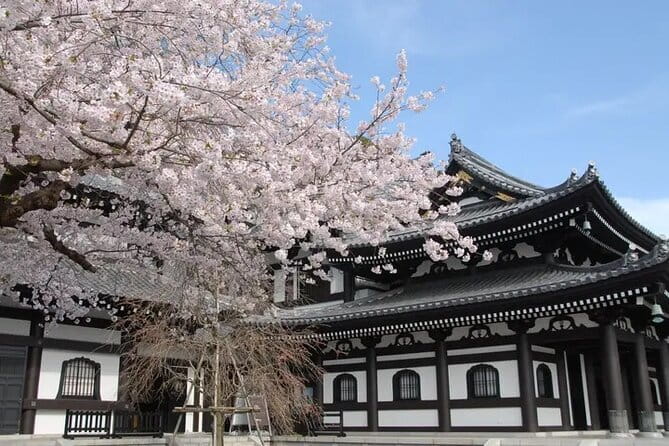
Your day starts at Hōkoku-ji, often called the Bamboo Temple. It is tied to the Kenchō-ji school of Rinzai Zen Buddhism, and the famous feature is the bamboo garden, which gives the stop its unique mood.
Even if you do not know a lot of Japanese Buddhism, you will get it quickly. The atmosphere is quieter than the surrounding town. You walk through a place designed for reflection, and the bamboo helps your brain slow down.
What you should watch for:
- The temple’s principal image is Shaka Nyorai (Gautama Buddha), located in a sacred hall
- The bamboo garden is the main “why we are here” element
From the way this tour is remembered by groups, the Zen garden stop can also be a good moment to pause with tea. Some visitors specifically called out a matcha tea experience alongside the peaceful setting. If you are the type who needs a break during temple visits, this is a good place to do it.
Hase-dera (Hase Kannon): The Big Wooden Kannon Moment
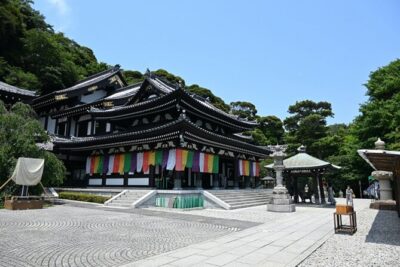
Next is Hase-dera, known for Hase Kannon, and especially for housing a massive wooden statue of Kannon (the bodhisattva associated with compassion). This is one of those temple stops where your eyes go straight to the main figure when you enter.
The temple’s background is also interesting. It started in the Tendai sect and later became an independent temple of the Jōdo-shū tradition. You will not need to memorize the school names, but it adds context to why the place feels the way it does.
Time on site is around 2 hours, which is helpful. You are not only seeing the main statue, you also have time to walk through parts of the grounds and settle into the temple rhythm without rushing.
Possible drawback: if you dislike stairs or hilly walking, this stop can feel a bit more physical than expected. Plan comfortable shoes.
More Tokyo tours and experiences for the shortlist



Kōtoku-in Great Buddha of Kamakura: The Icon Stop
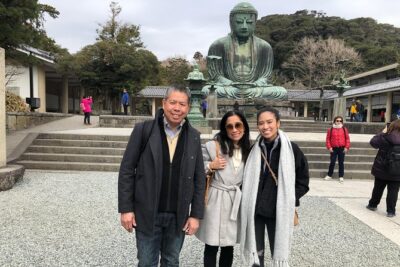
Then comes Kotoku-in, home to the Great Buddha of Kamakura. If you have ever seen photos of the outdoor seated Buddha silhouette, this is the real deal. It is a Buddhist temple of the Jōdo-shū sect, with the mountain name Taiizan, and its temple name is also referred to as Shōjōsen-ji.
What makes this stop special is also what makes it efficient. The Great Buddha is the centerpiece, so you do not feel like you are hunting for the main attraction. And because it is such a well-known landmark, it is one of the stops that tends to click instantly.
The time here is about 1 hour, which works well because the “big sight” is intense. You absorb it, take photos, then move on before fatigue hits.
Tsurugaoka Hachimangu Shrine and Komachidori Street
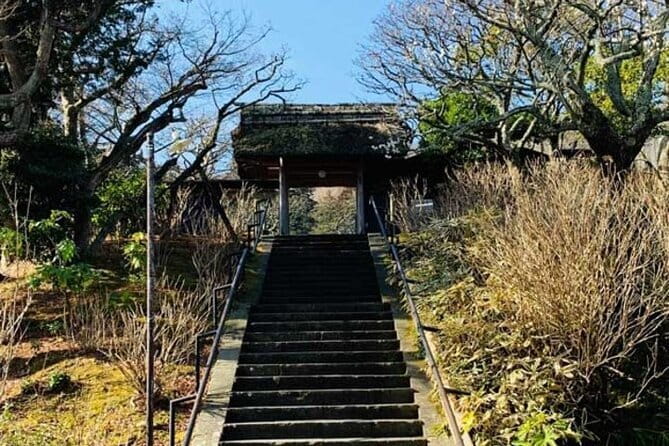
After the big Buddha, the route shifts to shrine culture at Tsurugaoka Hachimangu. This shrine is more than a pretty stop. It serves as a cultural center and is tied to major festivals, and it also has two museums.
There is also a symbolism detail that you will notice on the grounds. Two ponds represent the Taira and Minamoto clans. It is the kind of historical touch that makes a shrine feel grounded in real Japanese story, not just decoration.
Then you transition to Kamakura Komachidori, a busy pedestrian walkway with apparel shops, souvenir stores, and snack options. The practical value here is simple: you can snack, do quick browsing, and reset your energy before heading into Yokohama.
Time at Komachidori is about 1 hour, so it is best for quick shopping and people-watching rather than a deep retail marathon.
From Komachidori to Yokohama Chinatown: Street Food Energy
Once you leave Kamakura, you land in Yokohama Chinatown. This area is about 160 years old and today has a population estimate around 3,000 to 4,000, with many residents from Guangzhou.
The admission here is free, so it is easy to wander without extra costs. You can also treat it like a flexible meal stop if your group wants to eat in this part of town. One past group mentioned that finding food can be tricky if you are vegetarian, but they were able to locate a small, authentic-style restaurant option. That is a reminder to come with a plan: decide what you will order before you get overwhelmed by options.
You get around 2 hours for Chinatown. That is enough to snack, walk the main streets, and take photos without turning it into a long food crawl.
Sankeien Gardens With Its 1906 Design by Tomitaro Hara
Next is Sankeien Gardens, a traditional Japanese-style garden area in Yokohama. It opened in 1906 and was designed and built by Tomitaro Hara, who is known by the name Sankei Hara and worked as a silk trader.
This stop gives you a contrast to Chinatown. Instead of shopping and street scenes, you get a garden designed for slower viewing. It is the kind of place where you can step back from the day’s energy and walk at a more relaxed pace.
Time here is about 1 hour. That is enough to see the main garden flow and find a couple of photo angles, without feeling like you must cover every path.
Yuigahama Seaside Park: Beach Photos and Mt. Fuji Across the Ocean
The final Kamakura style stop is Kamakura Seaside Park in the Yuigahama area. It is a photo-friendly stretch where you can take pictures with Mt. Fuji across the ocean.
This is a great timing choice. You reach the seaside after temples and shopping, so it feels like a release valve before the day ends. Even if the weather is less than perfect, seaside viewpoints still give you that open-air reset your body wants.
Time is about 1 hour, which works for quick walking, photos, and breathing out.
Price and Value: Is $399 Per Group a Good Deal?
The price is $399 per group up to 6 people, for about 10 hours. That means the cost can feel high if you are traveling alone, but it gets more reasonable if you have a small group.
Here is what you are paying for:
- Private transportation in an air-conditioned vehicle
- Fuel charges, tolls, and taxes
- English-speaking driver
- A route that covers multiple high-demand sights in one day without transit headaches
What you are not paying for:
- Admissions at Hōkoku-ji, Hase-dera, Kōtoku-in, Tsurugaoka Hachimangu, and Sankeien Gardens (plus your admission budget about 1100 JPY per person)
So the true budget is tour price plus entry fees. Even with that, this can be good value if you would otherwise spend time hopping trains and walking between scattered spots. On a temple day, time spent changing lines is just wasted energy.
One more detail for planning: this tour is often booked around 55 days in advance. If you are traveling during peak seasons, I recommend booking early so you get the day and driver you want.
Who This Day Trip Suits Best
This tour fits best if you:
- Want a lot of sightseeing but do not want the hassle of navigating public transport
- Travel in a group of up to 6, where splitting the cost makes sense
- Prefer a structured route with time at each major stop
It can also work well for first-timers to Tokyo who want to see a classic Japanese day outside the city, without turning the trip into a full itinerary puzzle.
One practical note: this is a long day. If you get tired after hours of walking, plan to treat Komachidori and Chinatown as optional for deep browsing. Focus on the sights that matter most to you.
Should You Book This Kamakura and Yokohama Private Tour?
I think you should book it if your priority is a smooth, well-timed day that links the Great Buddha, Hōkoku-ji bamboo, and Yokohama’s Chinatown plus Sankeien Gardens without transit stress. It is especially worth it when you have a small group and want the comfort of a private vehicle.
I would skip or modify it if you are on a strict budget for entry fees, since admissions are on you. Also, if you hate long days, consider a shorter Kamakura-only approach.
If you want a practical Kanagawa day that feels meaningful and not overly complicated, this private driver format is a strong choice.
FAQ
What is the price for the private tour?
The tour is $399 per group, up to 6 people.
How long is the Kamakura and Yokohama day trip?
It runs about 10 hours.
Does the price include entrance fees to temples and gardens?
No. Admission fees for places like Hōkoku-ji, Hase-dera, Kōtoku-in, Tsurugaoka Hachimangu, and Sankeien Gardens are not included. You should budget around 1100 JPY per person.
Is pickup included, and do we travel in a private vehicle?
Pickup is offered, and you travel in an air-conditioned private vehicle. The tour is for your group only.
Is the driver English speaking?
Yes, the tour is described as having an English-speaking driver.
Which major stops are included?
You visit Hokoku-ji, Hasedera, Kotoku-in (Great Buddha), Tsurugaoka Hachimangu Shrine, Kamakura Komachidori, Yokohama Chinatown, Sankeien Gardens, and the Kamakura Seaside Park (Yuigahama area).
What is the cancellation policy?
You can cancel for a full refund up to 24 hours in advance of the experience start time. If you cancel less than 24 hours before, you do not get a refund.
More Private Tours in Tokyo
More Tours in Tokyo


More Tour Reviews in Tokyo

Not for you? Here's more nearby things to do in Tokyo we have reviewed












Kamakura Day Trips, side by side.
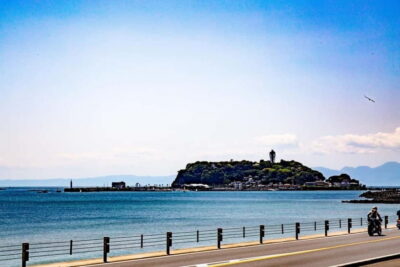 ★ 4.5Kamakura & Enoshima Day Trip including Temple TicketsFrom $581,375 reviews
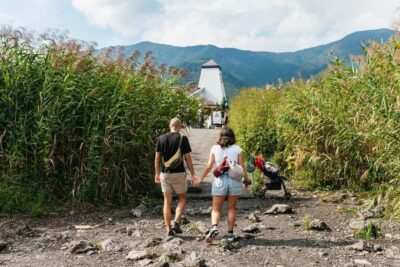 ★ 4.5Mt. Fuji, Kamakura, Big Buddha, & Lake Ashi Day TripFrom $49867 reviews
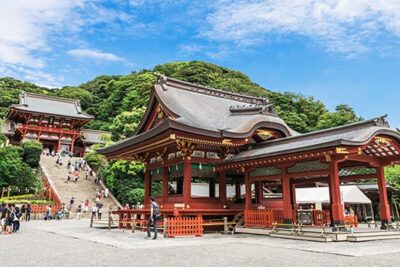 ★ 4.5From Tokyo: Kamakura & Enoshima 1-Day Bus TourFrom $66189 reviews
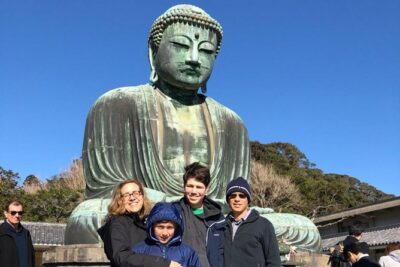 ★ 5.0Kamakura Historical Walking Tour with the Great BuddhaFrom $98129 reviews
 ★ 5.0Kamakura Private Tour: Temples, Nature, and the Great BuddhaFrom $98121 reviews
 ★ 5.0Kamakura Walking Tour – The City of ShogunFrom $35100 reviews
 ★ 5.0Kamakura 8 hr Private Walking Tour with Licensed Guide from TokyoFrom $20180 reviews
 ★ 4.1Kamakura & Enoshima Day Tour with Pickup & Train RideFrom $1361 reviews
This tour also belongs to