
Review · MEIJI SHRINE TOURS
Sacred Morning Walk and Brunch Meiji Shrine
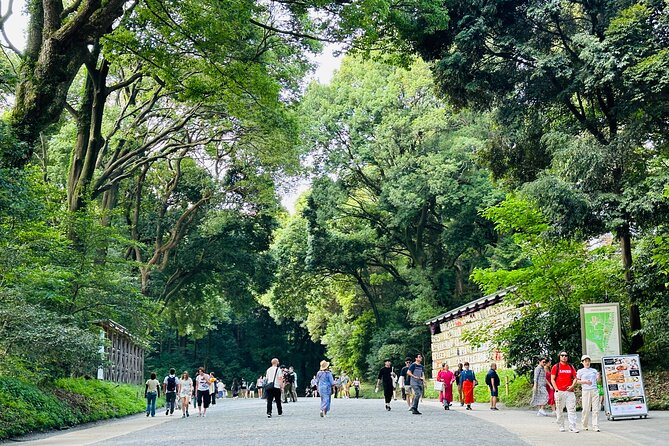
Tokyo turns quiet at Meiji Shrine. This sacred morning walk starts at 8:00am and uses Meiji Jingu as your classroom, so you learn the rules and the meaning behind shrine visits without eating up your whole day. You also get a small-group format, capped at just four travelers, which means you actually get answers instead of standing in a crowd.
What I like most is how the guide focus stays practical, you learn shrine etiquette you can use immediately, like how to behave and what to look for as you move through the grounds. The other win is the way the experience connects the shrine calm with modern Harajuku, including a walk that reaches Takeshita Street and an optional brunch stop in the area. Guides such as Tomo and Atsushi are specifically praised for making the explanations clear and for sharing useful local recommendations after.
One consideration: brunch is on your own, typically JPY 1,000 to 2,000 depending on what you order. Also, since you’re starting early, you’ll want to be comfortable with a brisk morning walk weather permitting.
Key Things You’ll Notice Right Away
- Small group of 4 means your questions do not get lost in the shuffle
- 8:00am start gives you calmer shrine time before the day thickens
- Meiji Shrine etiquette lessons help you participate correctly, not just watch
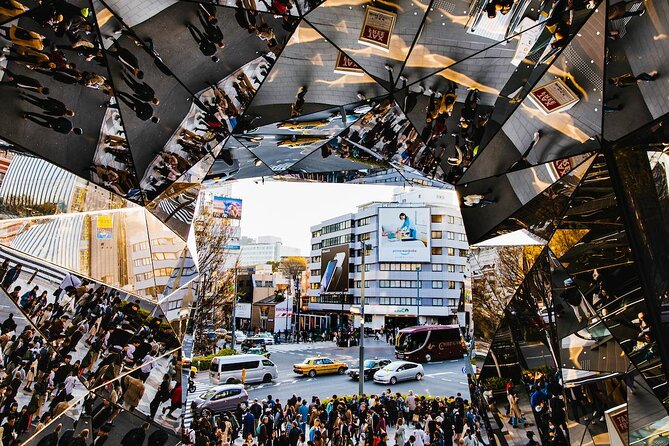
- Takeshita Street stop anchors the walk in real Harajuku energy
- Harajuku café brunch is optional and priced separately (JPY 1,000 to 2,000)
- Mobile ticket keeps your morning simple
Why an 8:00am Walk Makes Meiji Shrine Feel Different
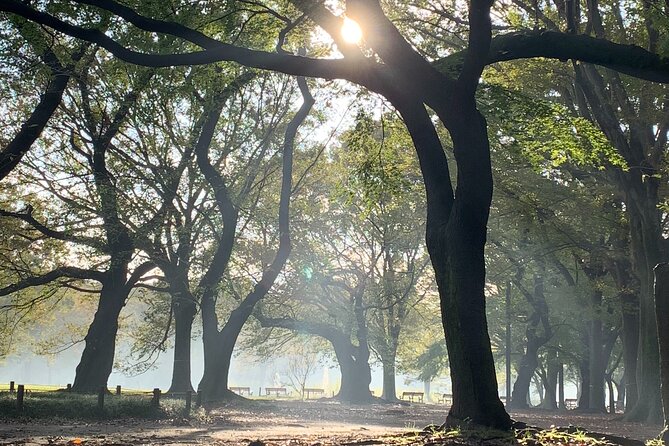
Meiji Shrine is in the middle of Tokyo, so the real trick is timing. Starting at 8:00am turns the place into something closer to a quiet reset button. Instead of arriving to thick crowds, you get that early-morning rhythm where the grounds feel spacious and you can actually follow what’s happening step by step.
This also matters because your morning plan stays compact. The total time is about 1 hour 30 minutes, so after the walk you still have a big chunk of the day left for your own Tokyo route. That is a big deal if you hate wasting half a vacation on a single block of sightseeing.
If you’re visiting Tokyo for the first time, this kind of early start helps you get oriented fast. It’s not just cultural information. It’s your chance to figure out how public transport fits your schedule and how to move around Shibuya and Harajuku without feeling rushed.
You can also read our reviews of more walking tours in Tokyo


Meiji Jingu Etiquette, Explained So You Can Follow Along
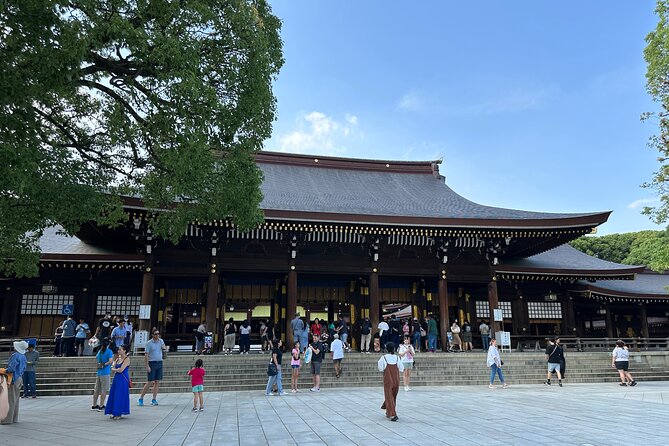
This tour is built around more than photos. It’s about behavior. A big part of shrine visiting is respecting the space and doing things in the right way, even if you do not know the rules ahead of time.
With a guide, you’re not guessing. You learn proper shrine etiquette, including what you should do as you approach, how to act while observing others, and how to think about the meaning behind the rituals. That makes your visit feel confident. You’re not standing there hoping you did it right.
The value here is subtle but real. When you understand what to do, you stop treating the shrine like a museum. You start treating it like a living place that people take seriously. That shift also changes the photos, because you’re paying attention to details rather than just looking for angles.
Guides like Tomo are praised for teaching visitors the rules expected at shrines, at a pace that feels comfortable for a first visit. That kind of explanation style matters, especially at Meiji Shrine where the layout and ceremonial flow can be confusing if you go alone.
History and Context, Without Turning Your Morning Into a Lecture
Meiji Shrine is tied to modern Japanese life, but it has deep roots. The tour includes exploration of the shrine’s history, which helps you connect what you see to why it exists.
I like that this is not presented as a history dump. You’re learning as you walk, so facts attach to real scenes. You get meaning for what you’re seeing instead of a pile of names you’ll forget by lunch.
That context is also what makes the etiquette lessons stick. If you understand the intention behind the rituals, you remember what to do and why. It turns the walk into something you can carry forward into other shrine visits in Japan.
If you’re the kind of traveler who likes to understand the background before moving on, this is your sweet spot. If you prefer minimal talking, the small group format also helps because the guide can match the pace to the group rather than speaking to a mass audience.
From Meiji Calm to Takeshita Street Energy
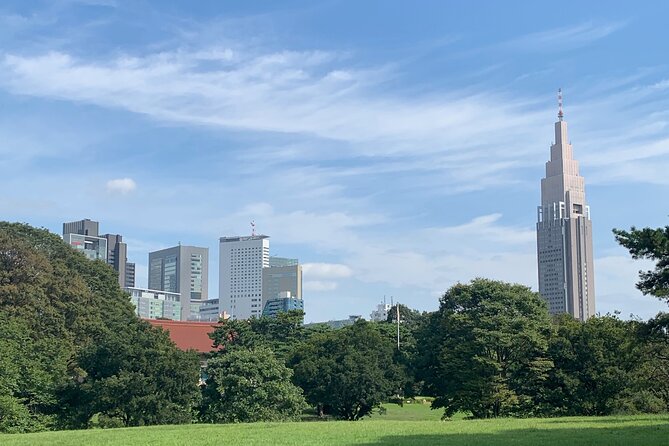
After the shrine time, you shift gears toward Harajuku. The itinerary includes a stop at Takeshita Street, and that is a great contrast.
Here’s the practical benefit. Meiji Shrine shows you a quiet side of Japan. Takeshita Street is where Japan’s youth culture and shopping scene is loud and immediate. Doing both in one morning helps you see Tokyo as more than one mood.
Also, walking between these areas with a guide means you’re not only chasing landmarks. You’re learning how the city transitions. You’ll get a better sense of where things are relative to each other, which helps you plan the rest of your day once you’re free to roam.
If you’re worried about the switch feeling abrupt, don’t be. The tour keeps the total time to about 1 hour 30 minutes, so it’s not dragging you through Harajuku longer than you want before you go off on your own.
Harajuku Brunch at Your Pace, With a Real Local Café
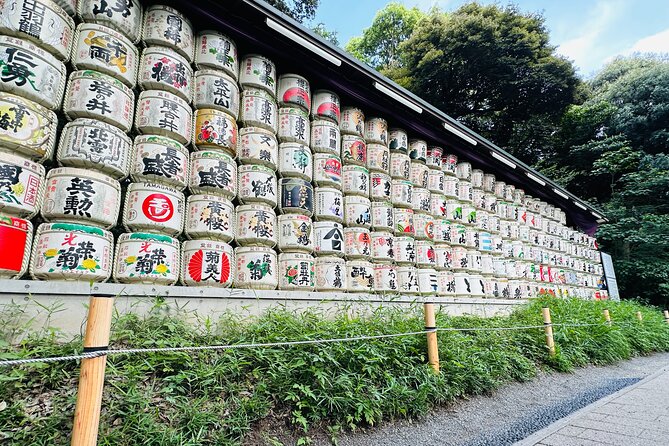
The tour adds a bonus: a brunch option at a café in Harajuku. This is not included in the price. Brunch is an extra you pay yourself, typically JPY 1,000 to 2,000 depending on what you order.
I actually think separating brunch from the tour fee is smart. It keeps the tour from forcing a meal you may not want. You can order what fits your appetite, and you’re not boxed into a set menu.
This part is also where guides often shine. Atsushi, for example, is praised for bringing people to a local coffee place after the shrine, along with recommendations for other places to check out. Even if brunch is just one meal, that advice can save you time later.
Timing-wise, it works well because you’re starting early, walking calmly, and then getting food while the day is still young. If you plan your Tokyo day around this, you can keep your afternoon more flexible instead of eating late and tired.
More Tokyo tours and experiences for the shortlist




Price and Value: What You Actually Pay For
The price is $32.58 per person for about 1 hour 30 minutes, and it’s a mobile-ticket experience. That’s not just a low-cost walking tour. What you’re paying for is guided cultural context in a small group, plus shrine etiquette coaching and time in the Meiji Jingu area with a person who can answer questions in the moment.
Brunch costs extra, which is the one clear “gotcha” to understand before you go. But even with that, the overall value is strong if you’re a first-time visitor or if you prefer getting cultural confidence early rather than wandering and hoping you interpret everything correctly.
Here’s how I think about the math as a traveler: you’re buying orientation. You’re buying a smoother shrine visit, where you do not feel awkward, and you’re buying a walk that connects to Harajuku. If you have ever spent time in Tokyo trying to figure out what you should do at a shrine, this kind of guided start often pays for itself in peace of mind.
Also, small groups often sell out, and this one is commonly booked about 35 days in advance on average. If your trip dates are fixed, I’d treat this as something worth booking early, not something to wait until the last week.
The Small Group (Max 4) Advantage You’ll Feel Immediately
When a tour caps at four travelers, you get a different experience than you do with big groups. The guide can slow down if someone has questions. You can ask for clarification without waiting your turn. And you’re less likely to get separated or feel lost.
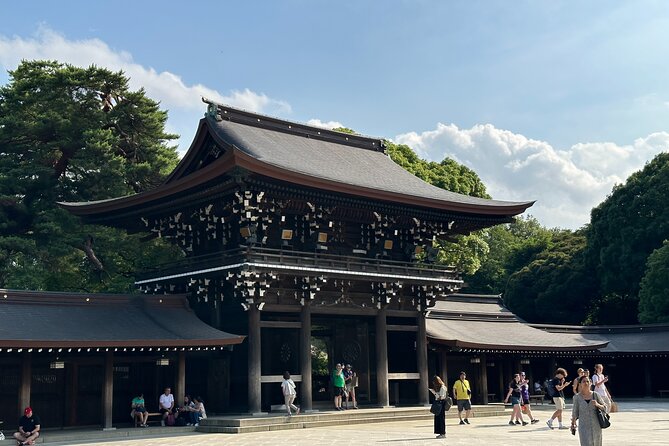
This is also important at Meiji Shrine. The space involves quiet movement and etiquette, and it’s hard to manage if everyone is rushing for the next stop. A small group keeps you from feeling like you’re part of a moving line.
You can also get more personal guidance on the parts that matter. For example, the reviews highlight that the guides explain rules expected at shrines, which is exactly the kind of thing that benefits from a smaller setup. Even if you consider yourself confident about travel, etiquette details are where beginners feel most uncertain.
Language can vary, too. One review notes that tours are usually conducted in English, and in that case the guide kindly adjusted to Japanese when the participant situation made it appropriate. So if English is your preference, you can expect it most of the time, but it’s worth being flexible if you end up with a small group.
Logistics That Matter in Tokyo: Meeting Point and Timing
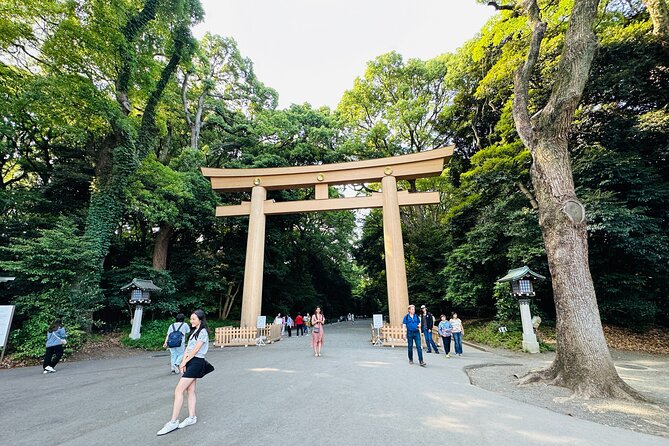
You meet at Harajuku Station, at 1-chōme-18 Jingūmae, Shibuya, Tokyo 150-0001. The tour starts at 8:00am and ends back at the meeting point.
That “return to start” format is practical. It means you don’t have to solve the last-mile transport problem at the end of the walk. You can step right into your next plan, whether that’s more Harajuku exploration or heading toward somewhere else in Tokyo.
It’s also near public transportation, which helps a lot for early departures. Still, I’d recommend getting there a few minutes early so you’re not sprinting in the morning rush.
One more practical note: the experience depends on good weather. If the weather is poor, you’ll be offered a different date or a full refund. Since it’s outdoors and centered on walking, this is a real factor, especially in seasons where rain can be common.
Finally, service animals are allowed, and most travelers can participate. That means it’s designed for general visitors rather than being limited to fit-hikers.
Who This Morning Walk Is Best For
I’d put this tour on your shortlist if you fit any of these situations:
- You’re visiting Tokyo for the first time and want a cultural start that keeps your day open
- You want a guide to explain shrine etiquette so you feel confident participating
- You like small groups and hate feeling invisible
- You want a quick but meaningful connection between Meiji Shrine and Harajuku
It also works well if you want to learn, not just look. The best part is that the tour teaches behavior. That tends to lead to more memorable visits, because you notice more on the ground.
If you already know shrine etiquette and you prefer to roam with no structure, you might find some of the teaching portion unnecessary. In that case, you could do it on your own. But if you care about doing it right the first time, the guided approach is a strong choice.
Should You Book Sacred Morning Walk and Brunch at Meiji Shrine?
Yes, if you want a calm, early start plus real cultural confidence. This is the kind of tour where the value comes from small-group attention, clear shrine etiquette explanations, and a morning plan that does not lock up your whole day.
I’d especially recommend it if you’re the type who wants to stop guessing at cultural rules. Meiji Shrine is too important to treat as a casual photo stop, and getting the basics from a guide saves you awkward moments.
Book it when you can, because it’s capped at four travelers and often planned about a month in advance. And go in knowing brunch is extra, usually JPY 1,000 to 2,000, so you can choose something you genuinely want.
FAQ
How long is the Sacred Morning Walk and Brunch at Meiji Shrine?
It runs for about 1 hour 30 minutes.
What time does the tour start?
The start time is 8:00am.
Where does the tour meet?
The meeting point is Harajuku Station, 1-chōme-18 Jingūmae, Shibuya, Tokyo 150-0001, Japan.
How many people are in the group?
This activity has a maximum of 4 travelers.
Is the brunch included in the tour price?
No. Brunch is not included. You pay for it separately at the café.
How much does brunch cost?
Brunch costs about JPY 1,000 to 2,000 depending on what you order.
What is included in the tour?
You get a guide around Meiji Shrine and Harajuku with knowledge of Japanese culture.
Is the ticket mobile?
Yes, it uses a mobile ticket.
What is the cancellation policy?
You can cancel for a full refund up to 24 hours before the experience starts.
What if the weather is bad or the minimum number of travelers is not met?
The experience requires good weather. If it is canceled due to poor weather, you will be offered a different date or a full refund. If it is canceled because the minimum number of travelers is not met, you will be offered a different date or experience, or a full refund.
More Morning in Tokyo

More Walking Tours in Tokyo


More Tour Reviews in Tokyo






Not for you? Here's more nearby things to do in Tokyo we have reviewed












Meiji Shrine Tours, side by side.
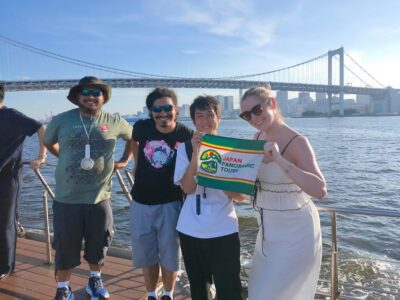 ★ 4.7Meiji Shrine, Asakusa, Skytree Bus Tour and CruiseFrom $1221,986 reviews
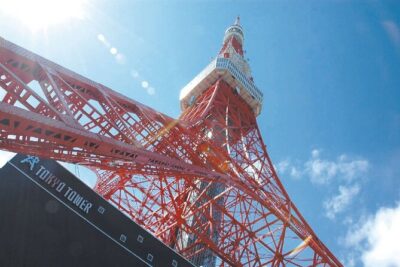 ★ 4.5Tokyo Panoramic 1 Day: Meiji Shrine, Asakusa, Odaiba and SKYTREE®From $851,222 reviews
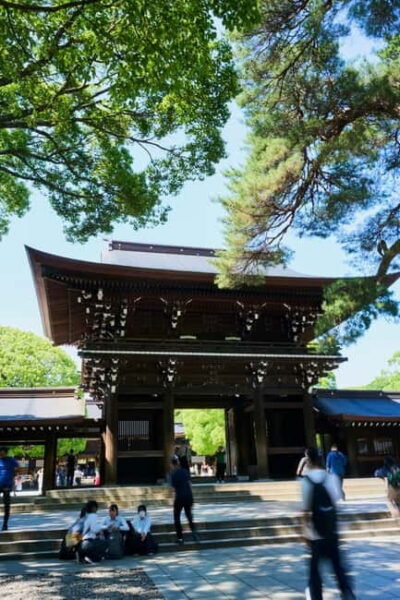 ★ 4.9Meiji Shrine Walking Tour — Shinto & Imperial SystemFrom $23266 reviews
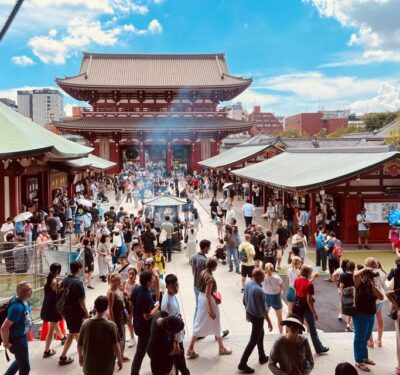 ★ 5.0Meiji Jingu Shrine and Shinto Culture Walking TourFrom $19245 reviews
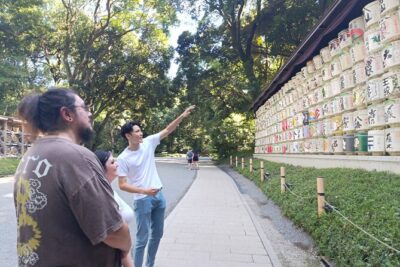 ★ 5.0Meiji Shrine and Shinto Culture Walking TourFrom $18225 reviews
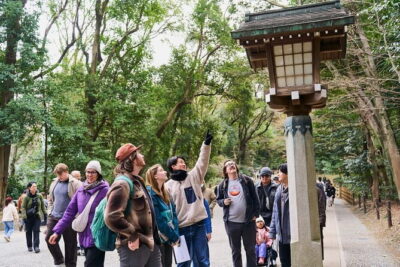 ★ 5.0Meiji Shrine Walking Tour — Shintoism & Imperial SystemFrom $21209 reviews
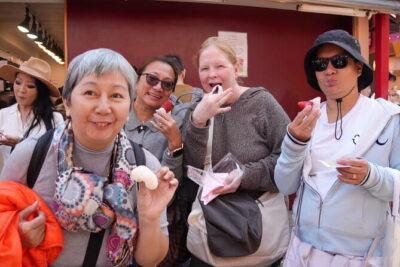 ★ 5.0Tokyo Morning Tour : Meiji Shrine, Asakusa and Fish MarketFrom $72102 reviews
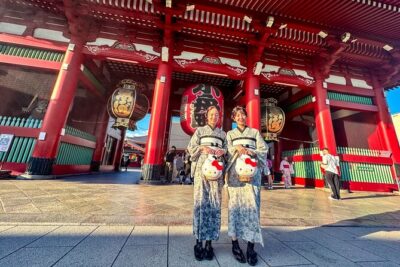 ★ 5.0Full Tokyo: Meiji Shrine, Imperial Palace, Asakusa & SkytreeFrom $3978 reviews
This tour also belongs to