
Review · TOKYO SUMO EXPERIENCES
Grand Sumo Tournament Tour w/an English Guide ,Tokyo January 2026
Sumo is loud, even before the first clash.
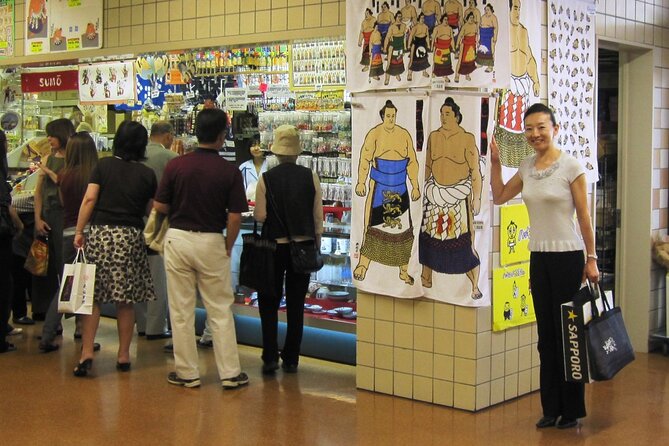
This January 2026 Grand Sumo Tournament tour takes you into Tokyo’s Kokugikan arena and pairs it with a stop at the Sumo Museum, so you are not just watching, you understand what you are seeing. I like that you get escorted to your reserved chair seating and kept on track with clear explanations about ceremony, architecture, traditional clothing, and arena etiquette.
Two things I really like: you get practical match context, including how the divisions and rankings work (yokozuna, ozeki, sanyaku, makuuchi), and you learn the roles behind the action, like the referee (gyoji) and the announcer (yobidashi). In the small-group setting (max 10 people), the guide can slow down when needed, and guides like Jeff and Yuki are specifically called out for friendly, detailed explanations, even sharing extra info to help you follow along.
One consideration: the experience price is $124.26 per person, and that can feel high if you are able to score tournament tickets on your own. Also, S Seat and A Seat for January 26 are listed as to be released soon, so your exact date and seat level may depend on what is available when you book.
Key Things to Know Before You Go
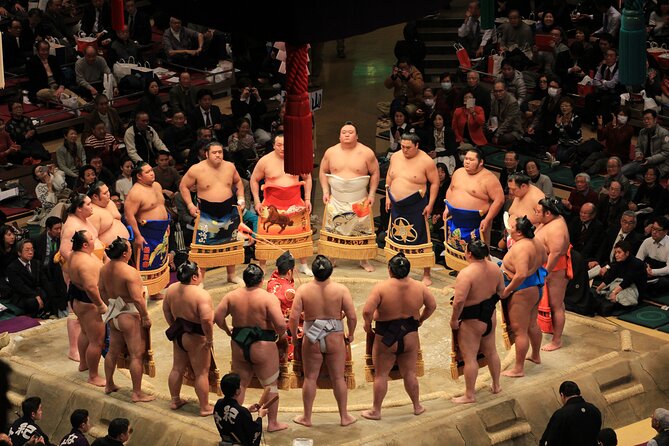
- Reserved chair seating, with S Seat framed as the best chair option
- English guidance for the rituals, etiquette, and what the officials are doing
- A short, focused 3 hours 45 minutes plan that fits an afternoon in Tokyo
- Small group size, capped at 10 people, which helps questions and pacing
- Kokugikan plus the Sumo Museum, so the arena makes sense on arrival
Kokugikan in January: Where Sumo Feels Like a Whole Ceremony
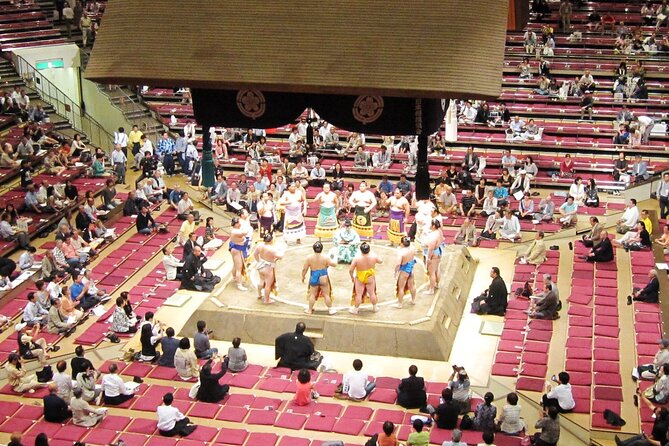
January sumo is a special kind of Tokyo afternoon. Even if you are not a sports person, you will notice that the arena experience is part competition and part ritual. The tour is designed around that reality, walking you into the Kokugikan atmosphere with an English guide who explains what you should watch for, what comes first, and why certain moments feel so formal.
I also like that the tour includes explanations of Japan’s traditional clothing and etiquette. That sounds academic until you are in the moment. Once you know what certain movements and roles signal, the sport stops being random chaos and starts feeling like a language you can read. The result is that you can sit, relax, and still feel in the loop when the tension rises.
You can also read our reviews of more guided tours in Tokyo

Reserved Seating That Lets You Actually Watch the Match
This tour uses reserved seating, with S Seat described as the best chair seating available. That matters because sumo action is fast and it happens on a specific ring surface. If your view is tight or you spend your energy constantly relocating, the sport can feel harder to follow than it needs to.
S Seat being called out as top chair seating is a useful clue. You are paying, in part, for a seat that is set up to make the match easier to enjoy without guesswork. For the other seat types, your best bet is to check what is currently available for your chosen date. B Seat dates listed include January 11, 13, 15, 21, 22, and 23, while S and A are noted as to be released soon for January.
What the Guide Teaches You Inside the Arena
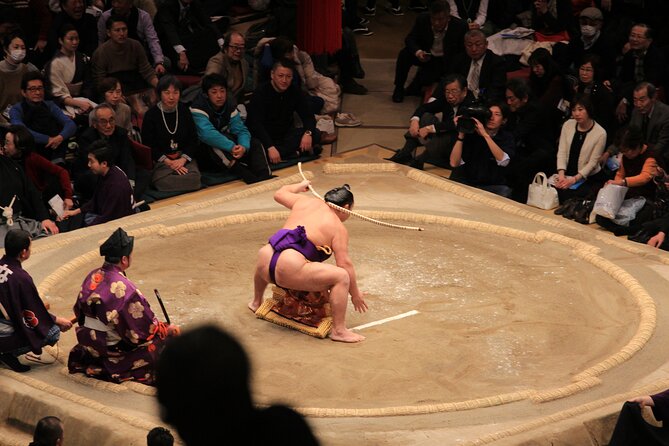
Inside Kokugikan, the guide’s job is not just narration. It is turning the arena into a story you can follow from the first ceremonial moments to the final result. The tour description highlights that your guide explains the structure of professional sumo, including the different divisions and early matches, so you know the ladder you are climbing as the day progresses.
You also get clear explanations of the roles and attire of the gyoji (referee) and the yobidashi (announcer). That is a big deal because those officials are not props. Their signals shape the flow of the ring and the way the event feels like a traditional performance. Once you understand what they do and why their look is so formal, you can watch more confidently and stress less.
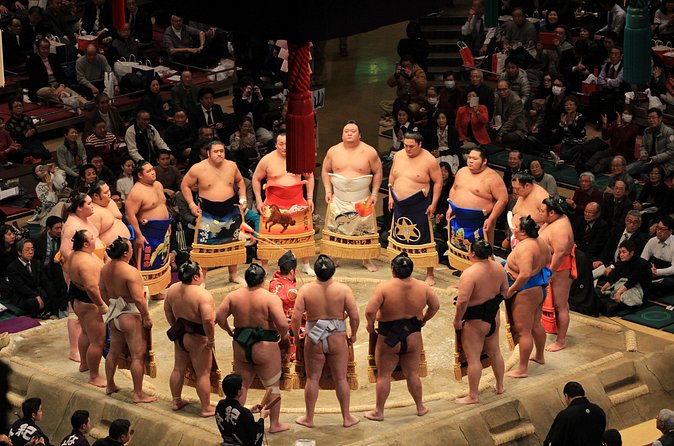
The guide also covers rankings, including the higher-status names you often hear in sumo coverage: yokozuna and ozeki, plus the broader sanyaku and makuuchi categories. If you are new to sumo, this is the difference between enjoying the sport and feeling a little lost.
And yes, you will get commentary on winning techniques, called kimarite, plus match highlights. Knowing what a kimarite is, and why one move leads to a win, makes each bout feel like more than a single dramatic shove.
Kokugikan Architecture and Etiquette: Small Details With Big Payoff
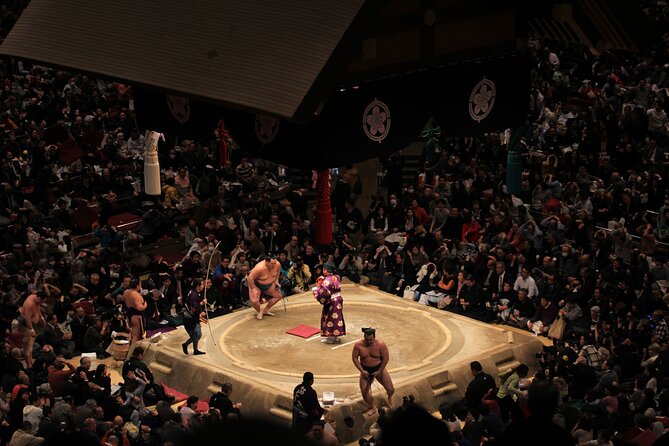
The Kokugikan visit is not only about the matches. The tour also explains the arena’s Japanese architecture and the symbolic decorations, which helps you appreciate how carefully the space is built for ceremony. When you understand that the arena is designed to support tradition, the rules and formality stop feeling arbitrary.
The etiquette portion is practical. It helps you know how to behave in a way that fits the setting. That can sound vague until you are sitting in reserved seating while an event unfolds around you that has a strict rhythm. When you feel like you belong, the experience becomes lighter and more fun.
This is also where a good guide matters. Guides like Jeff are specifically praised for being friendly and for explaining plenty about sumo rules and history. The common thread is simple: you are not expected to already know what is happening.
The Sumo Museum: Your Fast Track to Understanding
If you only visited the arena, you would still enjoy sumo. But the Sumo Museum stop is the part that makes the matches stick. The tour is built around helping you connect what you see in Kokugikan to the broader world of sumo.
You learn about the structure of professional sumo, and the museum context supports the ranking system and the different divisions. That matters because the top wrestlers, like yokozuna and ozeki, are not just names. They represent a system with clear status. Once you understand that ladder, you can watch with a sense of stakes.
You also get help with the meaning behind traditional attire. That includes clothing associated with officials and the event’s overall style. For many first-time visitors, seeing those details in a museum setting is easier than trying to interpret them in the busy arena environment.






Roles and Rankings: The Stuff That Makes Matches Make Sense
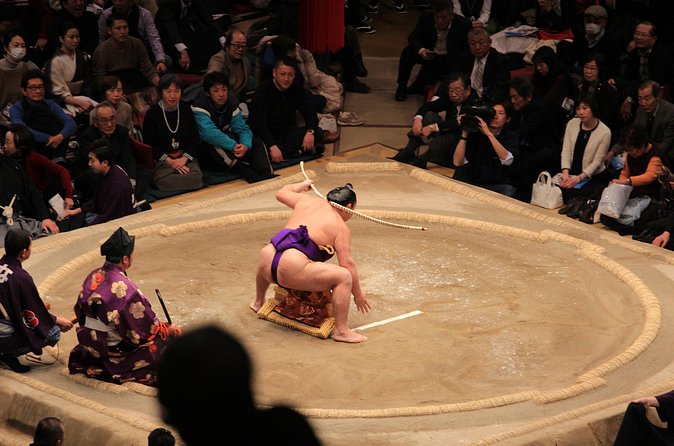
Here is the way this tour helps you think about sumo.
First, you learn the ranking structure, so the names you hear during tournament coverage are not just random. You understand how yokozuna, ozeki, and the broader sanyaku and makuuchi categories relate. That gives you a mental map for the day.
Second, you understand the officials. The gyoji and yobidashi are central to the flow of each bout. When you know who is doing what, you can follow the match progression without constantly wondering what just happened.
Third, you start recognizing winning techniques, the kimarite. The guide’s match highlights help you connect technique names to actual moves and outcomes. Even if you never memorize every kimarite, you will leave knowing what to watch for.
That combination, rankings plus roles plus technique commentary, is exactly how you turn a short event into real understanding.
Your 2:15 PM Start and How to Plan Your Day
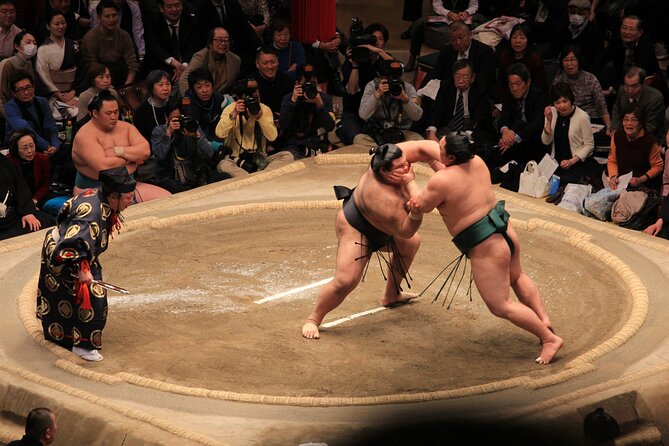
The tour starts at 2:15 pm at Ryogoku Station. The meeting point is listed as Ryogoku Station, 1-chōme-3-20 Yokoami, Sumida City, Tokyo 130-0015, Japan. The activity ends back at the meeting point.
The duration is approximately 3 hours 45 minutes. In practical terms, that is a strong slot for an afternoon with time to eat before or after. Since the tour includes both Kokugikan and the Sumo Museum, you should treat it like a structured visit, not something you will sprinkle in casually.
If you are using public transportation, you are in luck. The meeting point is noted as being near public transit. I suggest arriving early enough to stay calm. Sumo venues can feel crowded and even when you have reserved seats, you want to get your bearings fast.
Also, plan your expectations around age. An admission fee applies for people aged 4 and above.
Schedules and Seat Types: How to Choose the Right Date
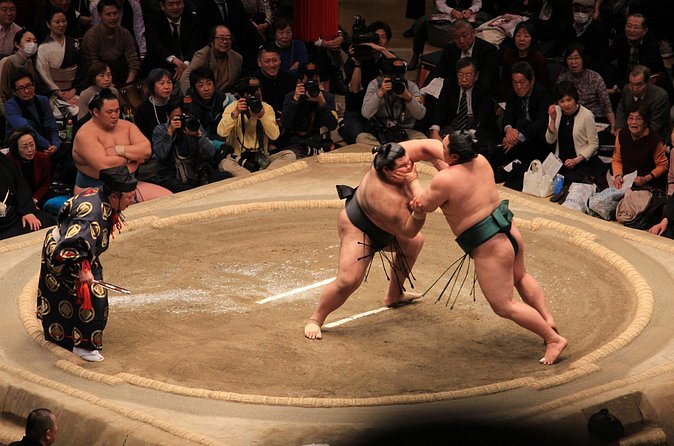
Seat availability affects everything here. The tour lists B Seat for specific January dates: January 11, 13, 15, 21, 22, and 23. For January, A Seat and S Seat are described as to be released soon.
So if a specific date matters to your itinerary, start by matching your date to the seat type that is confirmed. If you care more about the seating level than the date, keep an eye out for when S Seat and A Seat are released.
If you are deciding between seat levels, think about how important it is for you to minimize hassle. Better chair seating generally means easier viewing and less time adjusting. That can matter a lot if this is your one shot at seeing the tournament during your Tokyo trip.
Mobile Tickets and a Smooth-Day Feel
This experience uses a mobile ticket, which is one of those small modern comforts that actually saves stress. You are not juggling printed paperwork, and it helps you focus on getting to the meeting point and staying on schedule.
The guide escorts you to your reserved seat, which means you do not have to figure everything out alone once you arrive. That is a value point for first-time visitors. Sumo is not complicated, but the setting has its own rhythm and rules.
The tour also runs with a maximum group size of 10 people. That makes a difference in tone. You get a guide who can keep explanations clear and still answer questions without turning into a lecture hall.
Price and Value: Is $124.26 Worth It?
At $124.26 per person, this is not the cheapest way to experience sumo. The tradeoff is that you are paying for the parts that are hard to DIY.
You are buying:
- Reserved seating (with S Seat positioned as the best chair option when available)
- An English guide who explains etiquette, architecture, and what the officials and wrestlers are doing
- Context that connects the arena action to the ranking system and techniques
If you can get tournament tickets on your own, you might feel price-sensitive. That is fair. But if you want the event to feel understandable from your seat, and not like a guessing game, this tour is priced more like a guided cultural experience than a ticket-only purchase.
Also, the time investment is reasonable. A 3 hours 45 minutes tour that includes an arena stop plus the Sumo Museum can outperform a longer, unstructured day where you might spend time figuring things out instead of enjoying the sport.
Who This Tour Fits Best
This tour is a strong match for you if:
- You are new to sumo and want the rules and rankings explained in plain language
- You prefer a small group and a guide who can keep pace with your questions
- You value etiquette context, not just match footage
- You want reserved seating and a smoother day flow in Tokyo
It is also a good choice if you are planning a short Japan stay and want a high-impact cultural experience that does not require deep pre-reading.
Should You Book This Grand Sumo Tour With an English Guide?
I would book it if your goal is to leave Kokugikan feeling like you actually understood the sport, not just watched dramatic wrestling. The strongest reason is the way the guide connects the ceremony to the match structure, from the gyoji and yobidashi to rankings and kimarite.
If you are already fluent in sumo terms and you can confidently handle tournament logistics, you might skip the guide and go ticket-only. But for most people, paying for a friendly English guide, reserved chair seating, and museum context makes the experience easier, more rewarding, and less stressful.
FAQ
What time does the tour start?
The tour starts at 2:15 pm.
Where is the meeting point?
You meet at Ryogoku Station, 1-chōme-3-20 Yokoami, Sumida City, Tokyo 130-0015, Japan.
How long is the tour?
It runs about 3 hours 45 minutes.
How many people are in the group?
The group is capped at a maximum of 10 people.
Does the tour use mobile tickets?
Yes, the tour includes mobile tickets.
Is an admission fee included for children?
An admission fee applies for guests aged 4 and above.
What seat types are available?
S Seat is described as the best chair seating available, and A Seat is also offered. Specific B Seat dates are listed for January 11, 13, 15, 21, 22, and 23. S Seat and A Seat for January 26 are listed as to be released soon.
What is the cancellation policy if plans change?
You can cancel up to 24 hours in advance for a full refund. Poor weather cancellations may offer a different date or a full refund.
What happens if the tour is canceled due to weather or minimum numbers?
If the tour is canceled because of poor weather, you will be offered a different date or a full refund. If it is canceled because a minimum number of travelers is not met, you will be offered a different date or a full refund.
More Guided Tours in Tokyo



More Tours in Tokyo


More Tour Reviews in Tokyo
Not for you? Here's more nearby things to do in Tokyo we have reviewed












Tokyo Sumo Experiences, side by side.
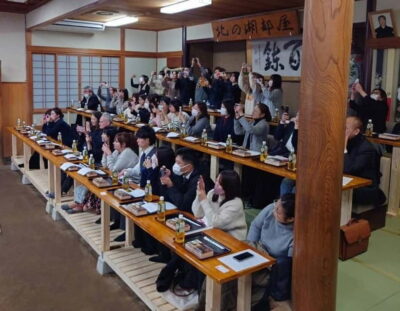 ★ 4.8Sumo Show and Dining ExperienceFrom $792,742 reviews
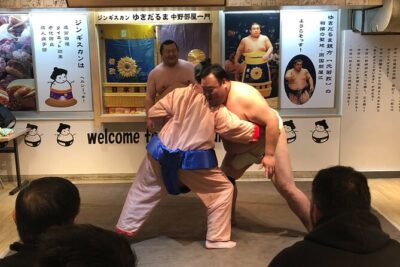 ★ 5.0the SUMO showFrom $891,960 reviews
 ★ 5.0Tokyo Shinjuku Sumo Show & Experience with PhotoFrom $791,750 reviews
 ★ 4.8Sumo Show and Experience in ShinjukuFrom $691,001 reviews
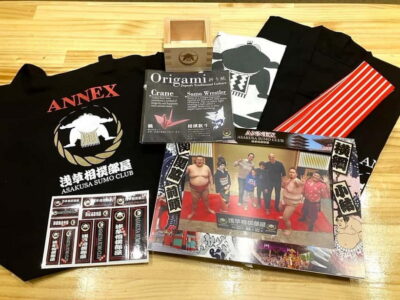 ★ 4.7Luxury Sumo Show Experience & Japanese cuisine & DrinkFrom $103577 reviews
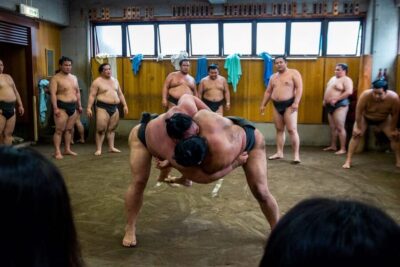 ★ 4.8Sumo Morning Practice Viewing TourFrom $81570 reviews
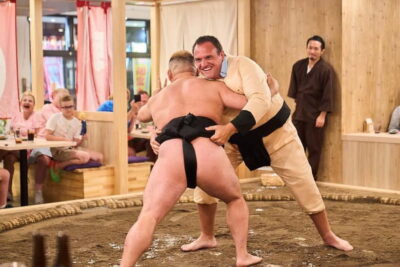 ★ 4.8Tokyo Sumo Experience: Chanko & Mochi with a Former ProFrom $103567 reviews
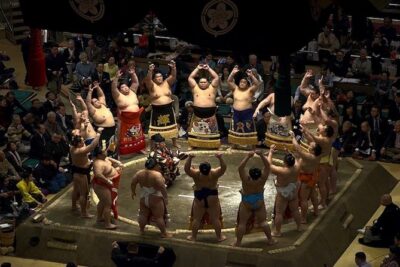 ★ 5.0Ultimate Sumo Tournament: Tokyo, Osaka, Nagoya, FukuokaFrom $184468 reviews
This tour also belongs to