
Review · MEIJI SHRINE TOURS
Tokyo: Meiji Shrine Walking Tour — Shintoism & Imperial System
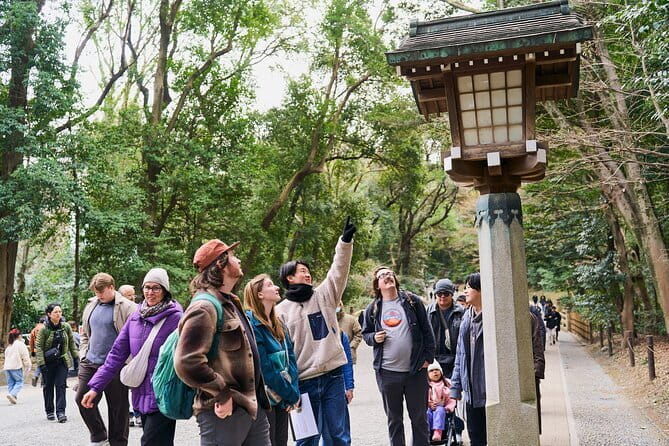
Tokyo slows down here. If you want Tokyo with fewer crowds and more meaning, this Meiji Shrine Walking Tour is a smart pick. You get a guided walk through sacred space while learning the basics of Shintoism and the Imperial connection behind Meiji Jingu.
I like two things a lot. First, the route is paced for real learning, not just photo stops, so you can absorb what you see. Second, the guides have strong feedback for being friendly, patient, and clear in English, with names like Yuuki A, Nana, Keiko, Nanami, and Nonoka showing up in the notes.
One possible drawback: it is about 1 hour 30 minutes, so if you want lots of unstructured time to linger and wander on your own, you may feel slightly rushed.
Key things I’d bet on
- Small-group experience (max 15), so it feels personal and questions actually get answered
- Forest path pacing that turns a famous shrine area into a calmer walk
- Shinto practice explained on the ground, including what you can do at the main shrine
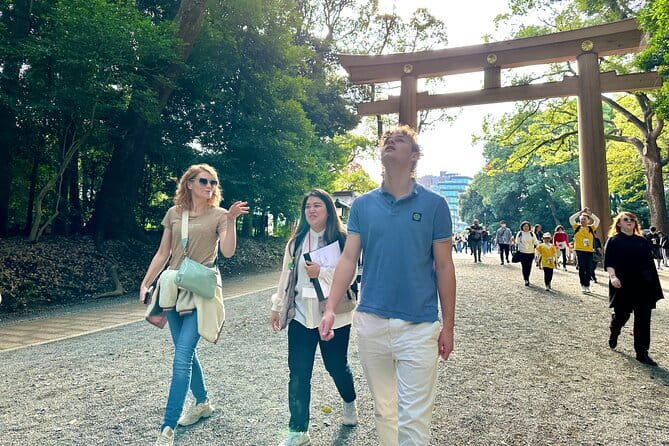
- A memorable wooden torii moment, including the story about cypress brought from Taiwan
- Meiji Shrine Garden admission included, saving you one step of planning
- A quiet finish at CAFÉ Mori no Terrace plus a gift shop near the grounds
The Tokyo reset you get on this Meiji Shrine walk
Meiji Jingu can feel like a big “tick the box” site on your own. With a guide, it clicks into focus. Instead of treating the shrine as just another stop, you follow the logic of the place: the wide approach path, the moments of ritual, and the way the garden and grounds fit into the wider Imperial system story.
This tour works because it gives you context at the same time as the visuals. You walk past the huge wooden gates and calm forest scenes, then you learn what Shinto is trying to communicate in everyday practice. That pairing makes the walk feel less like sightseeing and more like understanding.
I also appreciate that it is built for comfort in a busy city. Even in hotter months, people call out how the grounds feel cooler thanks to the foliage. That is exactly what you want when Tokyo’s streets can get intense.
You can also read our reviews of more walking tours in Tokyo


Harajuku Station start, then right into the trees
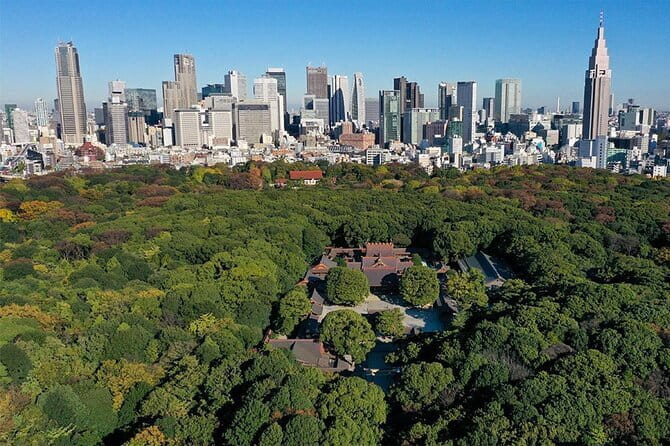
You meet at Harajuku Station, with the listed area tied to 1 Chome-18 Jingumae in Shibuya. The location choice matters because you can combine this with other Harajuku or Shibuya plans without wasting half your day in transit.
From there, the tour heads along a wide path into a peaceful forest toward Meiji Jingu. Expect the feeling of leaving the city behind fast. Along the approach, you’ll pass through giant torii gates and see details that you might otherwise miss when you are moving on your own, like the sake barrel displays. There is also a purification-related stop along the way, which helps you connect the visual rhythm to the Shinto practice you’ll hear about next.
The practical win here is pacing. This is not a sprint. It’s a guided walk that keeps you moving, but also gives you time to look.
One heads-up to plan your expectations: this is an organized route with set time blocks, so you will not have unlimited freedom to wander off.
The giant wooden torii that makes the story feel real
One highlight in the walk is the Big Torii, one of the largest wooden torii gates on site. What makes this stop especially memorable is not just scale, it’s the material story. The gate is made from ancient cypress brought all the way from Taiwan.
That detail matters because it changes how you see the structure. You’re no longer just looking at a landmark. You’re seeing evidence of connection and intention, where materials and distance become part of the meaning.
The stop itself is short, about five minutes, but that’s often perfect for a torii moment. You get the impression, you learn the angle, then you move on without your energy draining.
Meiji Jingu main shrine: prayer, omikuji, ema, and omamori
At the main shrine, the tour becomes more hands-on in a respectful, practical way. You can offer a prayer, and your guide explains what you can do there, including drawing an omikuji and writing a wish on an ema. You can also explore omamori, the charm offerings.
This is one of the most valuable parts of the experience because it turns cultural info into something you can participate in. You do not need to be an expert to join in. The point is that the guide helps you understand what the objects and rituals mean, so you’re not just doing random things for the photos.
Also, you’ll likely enjoy this more if you like small symbolic experiences. It’s not a theme park. It’s a living set of practices, and the tour design makes sure you approach it with context.
If you are someone who hates queues or unclear process, a guided setting helps. Instead of guessing what to do and when, you follow along and ask questions as you go. The feedback you’re given about the guides being patient and answering questions clearly is exactly what you want at a place like this.
Meiji Shrine Garden and the Imperial system connection

The tour includes admission for the Meiji Shrine Garden, which is a real value-add. Garden access can be the kind of extra cost and planning step that trips people up. Here, it’s wrapped into the experience so you can focus on the walk.
What I like about including the garden is that it gives you a different pace and mood than the shrine approach. You’re still in the Meiji Jingu grounds, but the atmosphere shifts. The tour ties this into the broader explanation of the Japanese Imperial system, so the garden is not just pretty scenery. It becomes part of the “why” behind the site.
This is the kind of structure that helps first-timers. You leave with the sense that Meiji Jingu isn’t random. It is connected to history and to how the nation honors a legacy tied to the Imperial story.






CAFÉ Mori no Terrace: a calm finish instead of a rush out
Near the end, the tour stops at CAFÉ Mori no Terrace, right by the shrine grounds. This is a useful piece of planning for your day because it keeps you from having to sprint back into the city just to find food.
You get a short window to relax with light meals and drinks in a quiet forest setting. There’s also a gift shop where you can look for charms, traditional goods, and Meiji Jingu-exclusive items.
I like this ending because it turns the visit into a complete experience. You can take a breath after the shrine portion, then decide what to buy while everything is still fresh in your mind.
Just keep in mind that this is a short stop. If you want a long cafe session, you’ll need to plan extra time after the tour ends.
Price and value: what $21.22 really buys you
The price is $21.22 per person, and the big value here is not the cost alone. It’s what’s included and how the experience is paced.
You’re getting:
- A local guide for about 1 hour 30 minutes
- Admission fees for the Meiji Shrine Garden
- A small group cap (up to 15 people)
- A mobile ticket
For a major Tokyo site, this is on the budget-friendly side, especially because the tour doesn’t just point you in the right direction. It adds explanation around Shintoism and the Imperial system, plus guidance for things like omikuji, ema, and omamori.
If you are the type of visitor who usually ends up reading signs for 10 minutes and moving on, you’ll likely get more out of this tour than a self-guided run. The guide helps you understand what you’re looking at while you’re still standing there.
And the small-group cap is a big deal. With fewer people, it’s easier to follow the pace and ask questions without feeling like you’re competing for attention.
Who should book this Meiji Shrine Walking Tour
This tour is a great fit if you want:
- A calm, forest-style break from central Tokyo
- Clear guidance on Shinto basics and what you can do on site
- A structured route that still feels personal
- A budget-friendly way to add Meiji Shrine Garden access
It also suits solo travelers. The feedback on guides being friendly and patient suggests you will not feel lost if you travel alone.
You might want to consider another option if:
- You prefer long, unstructured wandering time
- You plan to spend extra hours deep in the garden or around nearby areas
- You hate any kind of schedule, even a light one
Should you book it? My practical verdict
If you are visiting Tokyo for the first time, or you want one shrine experience that actually makes sense afterward, I’d book this. The combination of a guided explanation, a paced walk through the forest, and hands-on shrine activities like omikuji and ema makes it feel like more than just a location.
My final nudge is simple: if Meiji Jingu is high on your list, this tour turns it into a story you can remember, not just a stop you can check. And at $21.22 with garden admission included, the value is strong for what you get.
FAQ
How long is the Tokyo Meiji Shrine Walking Tour?
The tour runs about 1 hour 30 minutes.
What does the tour cost?
It costs $21.22 per person.
How big is the group?
The tour has a maximum of 15 travelers.
Is the Meiji Shrine Garden admission included?
Yes, admission fees for the Meiji Shrine Garden are included.
Where does the tour start?
The meeting point is at Harajuku Station (listed with 1 Chome-18 Jingumae, Shibuya, Tokyo 150-0001).
What is the cancellation policy?
You can cancel for a full refund up to 24 hours in advance of the experience start time. If you cancel within 24 hours, the amount paid is not refunded.
More Walking Tours in Tokyo


More Tours in Tokyo


More Tour Reviews in Tokyo
Not for you? Here's more nearby things to do in Tokyo we have reviewed












Meiji Shrine Tours, side by side.
 ★ 4.7Meiji Shrine, Asakusa, Skytree Bus Tour and CruiseFrom $1221,986 reviews
 ★ 4.5Tokyo Panoramic 1 Day: Meiji Shrine, Asakusa, Odaiba and SKYTREE®From $851,222 reviews
 ★ 4.9Meiji Shrine Walking Tour — Shinto & Imperial SystemFrom $23266 reviews
 ★ 5.0Meiji Jingu Shrine and Shinto Culture Walking TourFrom $19245 reviews
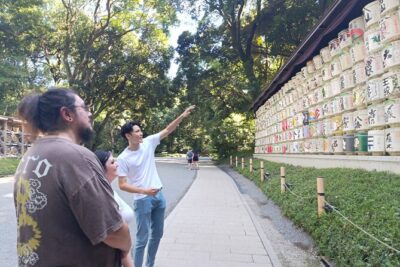 ★ 5.0Meiji Shrine and Shinto Culture Walking TourFrom $18225 reviews
 ★ 5.0Tokyo Morning Tour : Meiji Shrine, Asakusa and Fish MarketFrom $72102 reviews
 ★ 5.0Full Tokyo: Meiji Shrine, Imperial Palace, Asakusa & SkytreeFrom $3978 reviews
 ★ 5.0Tokyo Early Morning Tour Asakusa Meiji Shrine (Private Opt)From $5969 reviews
This tour also belongs to