
Review · TOKYO SUSHI CLASSES
Kid-Friendly Sushi Making Class in Tokyo (English-Led)
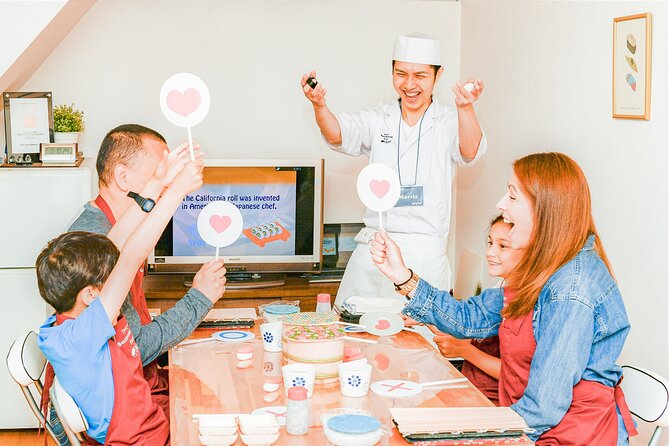
Make sushi with your kids in Tokyo. This English-led class in Kita-Senju has a relaxed feel, and the small-group setup helps you get real attention while you learn sushi history and etiquette.
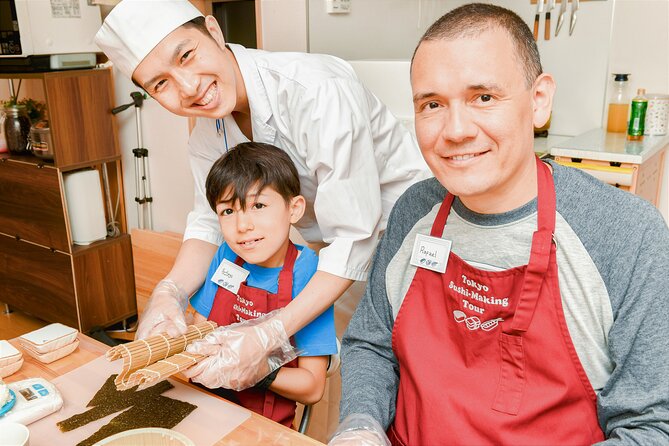
I especially like the hands-on flow, you build sushi rice and then make four styles yourself, with patient guidance from instructors like Nat-San and Morris. The pop quiz also turns sushi etiquette into something kids remember, not just something they nod at. The main thing to consider is ingredients, it typically includes raw salmon and tuna, so if you need the non-raw fish, vegetarian, or gluten-free menu, you must plan ahead and inform the operator.
Key things I’d circle on your plan
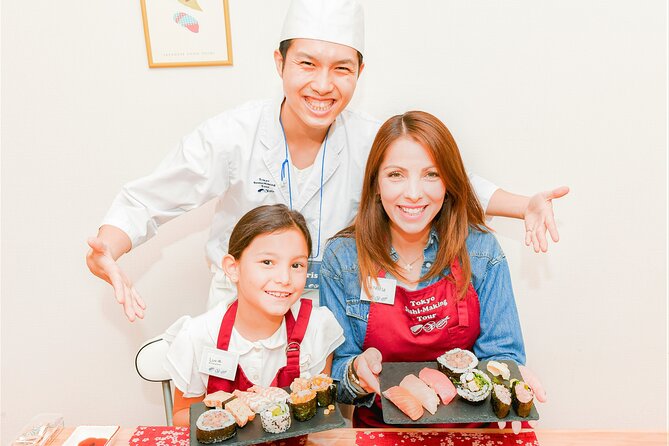
- Max 8 travelers means less waiting while you shape, roll, and plate your sushi
- Four sushi varieties in one 2.5-hour session, including nigiri plus two roll styles
- Sushi etiquette and trivia quiz early on, so you learn how to eat before you cook
- English-led instruction with professional tips you can use at home
- Dietary options exist, but you need to request them in advance
Kita-Senju meeting point, timing, and how it fits a Tokyo day
You start at the East exit of Kita-Senju station at 10:30 AM. The address is 3-5 Senjuasahichō, Adachi City, Tokyo 120-0026, and the activity ends back at the meeting point after the class. For timing, that matters because you are not stuck in the evening, you can still plan a lunch nearby and keep your Tokyo day moving.
Kita-Senju is also a smart base for families because it’s reachable from big-name areas like Asakusa, Akihabara, Ueno, and Ginza. That makes this class easier to plug into a typical itinerary than experiences that land far outside the main visitor routes.
One practical tip: treat the 10:30 start as a real start, not a suggestion. With kids, a calm arrival reduces stress, and you’ll be more ready for the hands-on part the moment you arrive.
More Tokyo tours and experiences for the shortlist



A kid-friendly sushi class that still works for adults
This is designed for children age 8 and up, and it’s small-group by design, with a maximum of 8 travelers. That size is not just a comfort detail. It changes how the instruction feels, you get closer supervision while you make sushi, and it becomes easier to ask questions when something goes wrong.
The class is also welcoming for cooking novices. You are not expected to already know how sushi rice behaves, how to shape nigiri, or how to keep rolls tight. The instructor-led pace and step-by-step guidance are the point here.
From the reviews, the experience is consistently described as fun and family-friendly, with instructors who are kind and patient. Seeing teachers like Nat-San and Morris emphasize both learning and enjoyment is exactly what you want when you bring kids into a food class. Adults benefit too, because the teaching does not stop at the basics, you also get the practical tricks you can repeat at home.
The warm-up: sushi history, Japanese phrases, and the etiquette quiz
Before you start forming anything, you get a short culture and language layer. The class includes sushi history, plus useful Japanese phrases and travel tips. This is not random trivia. It’s aimed at helping you understand what you are eating later, and it makes your sushi-ordering in Japan easier.
Then comes a quiz on sushi etiquette and trivia, described as a fun starting moment in the feedback. I like this format because it flips the usual “rules lecture” into a game. Kids are more likely to listen when the information has a quick back-and-forth, and adults get a clear refresher on things like proper eating manners and general sushi do’s and don’ts.
If you care about getting the most from a sushi meal in Tokyo, this quiz step is a big deal. You leave the class knowing not just how sushi is made, but also how to handle it the way Japanese diners expect.
Crafting sushi rice and making 4 sushi types hands-on
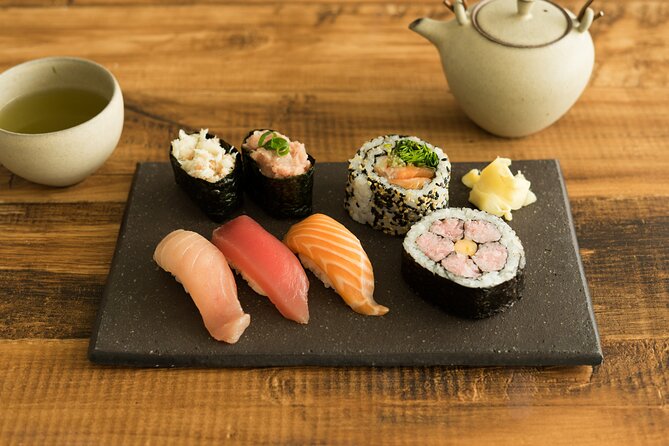
This is a practical class, so the heart of it is the hands-on work. You do sushi-making over about 2 hours 30 minutes, and the structure keeps moving so you do not lose momentum. You’ll work through the key components, starting with vinegared rice.
1) Sushi rice, the foundation everything depends on
Perfect sushi rice is one of those things people talk about like it’s magic, but here it’s treated like a teachable skill. You’ll learn how to prepare and work with rice so it stays workable for shaping. That’s the piece you can take home and actually use later.






2) Nigiri
Nigiri looks simple, but it needs balance, with the rice shape and topping fitting together. In a kid class, the goal is clear, you learn the technique steps and then you produce something you can recognize as nigiri. Adults also get value here, because nigiri is where rice quality and handling matter most.
3) California roll
The class includes California Roll, so you get experience with roll assembly and wrapping. Rolls are often easier for beginners than they seem, but tight rolling and clean edges matter if you want something that holds together when you cut it.
4) Decorative sushi roll
This one is especially fun for families. The class includes decorative sushi roll, and the point is not just looks. You practice shaping and rolling with extra attention to detail. In the feedback, people mentioned being delighted by the patterns and the finished look on the plate, and that kind of visual payoff keeps kids engaged.
5) Battleship roll
You also make a Battleship Roll. The style sounds playful, but it still trains the core mechanics of sushi formation, keeping structure and getting the form right.
Across all four varieties, you’re not just watching. You’re actively making, learning, adjusting, and then plating. That repeated cycle is what turns a one-time meal into skills you can replicate later.
How the class handles ingredients and dietary needs
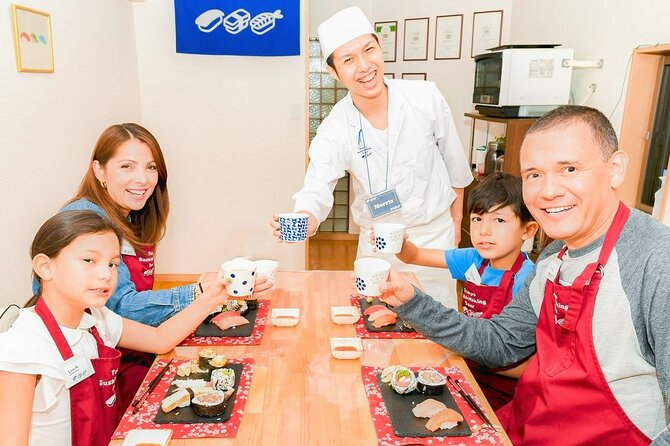
In most sessions, the ingredients typically include raw salmon and tuna. If that’s fine for your family, no extra planning is needed.
If it is not fine, the operator offers substitutions: a Non-Raw Fish Menu, Vegetarian Menu, and Gluten-Free Menu, among other options. The key point is timing. You must inform them in advance so your class includes the right ingredients.
This matters because it changes your experience quality. A substitution should not feel like an afterthought. By requesting it early, you’re more likely to get a full class experience rather than a modified, incomplete one. If you have allergies, gluten concerns, or just want to avoid raw fish for kids, put those needs into your booking details right away.
What you actually get to eat, and why the timing works
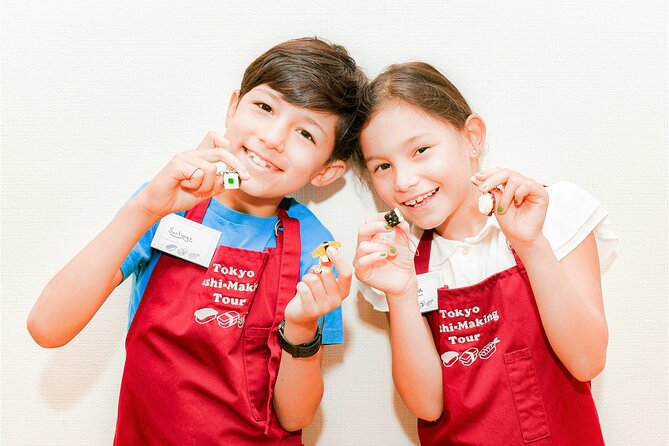
A big part of why this class lands well with families is that you savor the sushi you crafted. Eating is not tacked on at the end like a formality. You work through the steps, then you get the reward immediately after making each style.
From what people describe, the final plates are beautifully arranged, which is exactly what you want when kids are excited about their creations. It also helps adults feel like they accomplished something tangible, not just attended a cooking talk.
Also, because the class starts at 10:30 AM and runs about 2.5 hours, you usually end in time for an easy lunch plan nearby. That prevents the classic problem with cooking classes, leaving hungry and then searching for food with kids and decision fatigue.
English-led teaching, small-group attention, and the guides by name
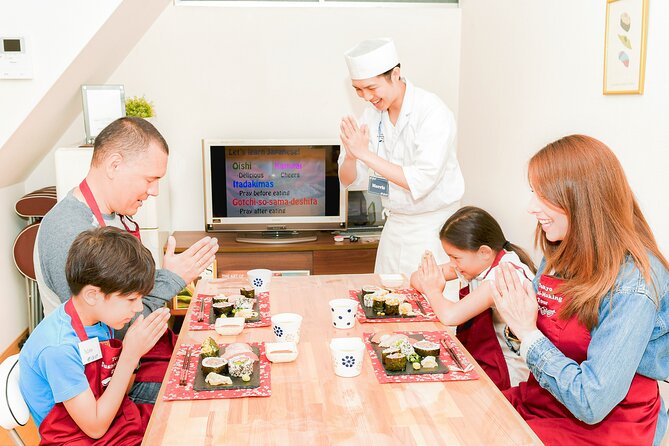
The instruction is English-led, and that is a practical advantage. Food classes often sound simple until you try to follow cues about rice texture or shaping technique. Here, English support plus hands-on coaching helps a lot with real learning.
The reviews repeatedly praise the instructors’ delivery and patience. Names that come up clearly include Nat and Morris. People mention their English skills and their ability to answer questions, which tells me the class is not only about doing steps, it’s also about understanding what you’re doing and why.
If you’ve ever struggled in Japan because you could not communicate well, this kind of teaching is a confidence boost. You can focus on your hands and your questions, instead of turning everything into gestures.
Price and value: what $68.97 buys you in Tokyo
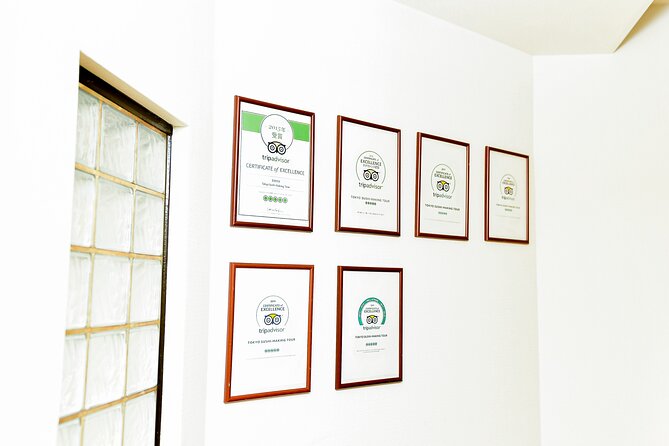
At $68.97 per person, this is not the cheapest Tokyo activity. But it’s also not a generic cultural stop. You’re paying for several value drivers:
- A 2.5-hour, structured lesson that includes multiple sushi styles
- Hands-on guidance with a max of 8 travelers
- A full learning package (history, phrases, etiquette quiz, practical tips)
- The food experience, you eat what you make
- Dietary substitution options, when requested in advance
When I evaluate value for a family, I think about what else that group could do for the same time. A typical attraction might keep kids busy for a bit, but it doesn’t give them skills. This class turns the time into something useful, you go home with repeatable sushi-making habits and a clearer sense of how sushi etiquette works.
One thing to keep in mind is demand. The class is often booked about 40 days in advance on average. If your travel dates are fixed, book early to avoid last-minute schedule gaps.
Who should book this class (and who might skip it)
Book it if you want:
- A kid-friendly food experience in Tokyo that doesn’t feel babyish
- A structured way to learn sushi, including rice and multiple styles
- English-led teaching with small-group attention
- A fun start with an etiquette and trivia quiz, then hands-on cooking
Consider skipping it if:
- You want a long, restaurant-style tasting menu instead of a workshop
- Your group is mainly interested in sushi history as a lecture rather than making sushi
- You need very specific dietary accommodations but did not plan to request them in advance
Should you book this Tokyo sushi class?
If your family is at all curious about sushi beyond ordering it, I’d book this. The best part is the combination: kids learn through doing, adults get the practical technique steps, and everyone gets something satisfying to eat at the end. The small group size is a genuine quality multiplier, and the mix of history, Japanese phrases, and an etiquette quiz means you’re not leaving with only a roll-shaped souvenir.
Just do one thing early: when you book, be clear about dietary needs so you can get the right menu. If that’s handled, this class is a high-probability win for a family day in Tokyo.
FAQ
How long is the sushi-making class?
The class runs for about 2 hours 30 minutes.
What time and where do we meet in Tokyo?
Meet at Kita-Senju station, East exit at 10:30 AM, and the activity ends back at the meeting point.
Is the class English-led?
Yes, the instructors are English-speaking.
How many people are in each class?
The class has a maximum of 8 travelers.
What age kids can join?
This class is suitable for children age 8 and above.
What sushi types will we make?
You’ll make vinegared rice and craft four sushi varieties: Decorative Sushi Roll, California Roll, Nigiri-Sushi, and Battleship Roll.
Do they offer non-raw, vegetarian, or gluten-free options?
Yes. Typical ingredients include raw salmon and tuna, but there are Non-Raw Fish, Vegetarian, and Gluten-Free menus available if you inform them in advance.
Do we get to eat what we make?
Yes, you’ll savor the sushi you crafted as part of the class experience.
More Workshops & Classes in Tokyo

More Tour Reviews in Tokyo
Not for you? Here's more nearby things to do in Tokyo we have reviewed












Tokyo Sushi Classes, side by side.
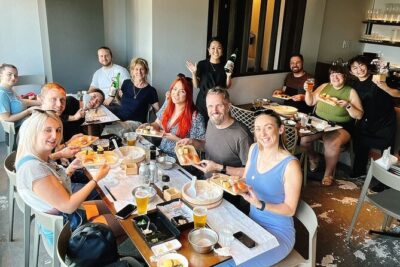 ★ 5.0Sushi Making Tokyo Roll and Authentic Japanese Sushi ClassFrom $593,971 reviews
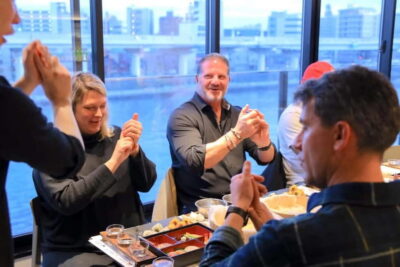 ★ 4.9Roll and Authentic Sushi Making Class in AsakusaFrom $581,957 reviews
 ★ 4.9Sushi Making Class in a Happi Coat near a Famous SpotFrom $421,377 reviews
 ★ 5.0Tokyo Sushi Making Class in Tsukiji with Professional ChefFrom $491,177 reviews
 ★ 5.0Tsukiji Fish Market Guided Tour and Sushi Making with Pro ChefFrom $104775 reviews
 ★ 4.9Tsukiji Fish Market Sushi Making Class with Pro ChefFrom $63506 reviews
 ★ 4.9Sushi Making ClassFrom $67390 reviews
 ★ 5.0Tokyo Tsukiji Fish Market Tour and Sushi Making LessonFrom $99390 reviews
This tour also belongs to