
Review · TOKYO CITY TOURS
Hand-rolled Sushi Temaki Zushi Workshop in Tokyo
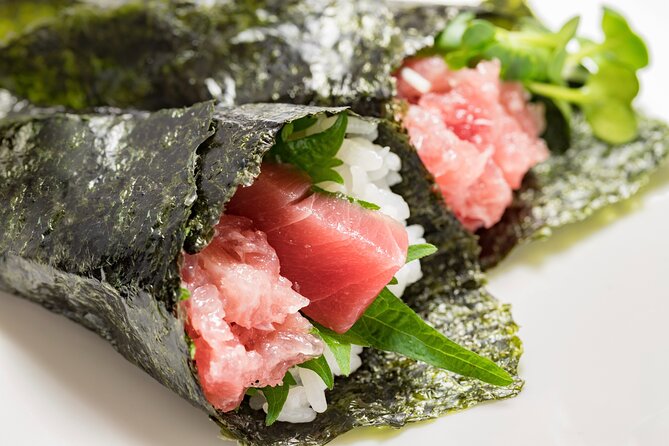
Sushi you build with your own hands. This temaki workshop is a hands-on Tokyo food class where you learn the essentials of sushi rice and then roll your own cones with toppings you pick.
I like that this doesn’t rely on fancy knife skills. The method is approachable, yet the finished sushi looks party-worthy. I also love the way Mariko-san and Yoichi-san teach, warm and practical, including how Japanese home cooks set up a temaki spread.
One consideration: the key to great results is the vinegared rice step. If you rush that part, your temaki won’t hold together as nicely.
Key things to know before you go
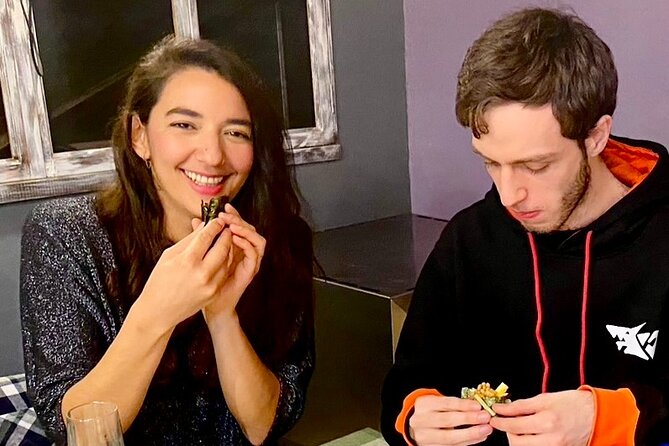
- Sumeshi first: You practice vinegared sushi rice right at the start, including the small trick that makes it taste right.
- Hand-rolled Temaki style: You make cones instead of precise slices, so the look comes from technique, not skill you already need.
- Pick your fillings: You choose from a selection of fish and vegetables, so you can tailor each roll.
- Clear soup pairing: You also learn how to make a Japanese clear soup that matches the temaki experience.
- Small group: Up to 6 people, which means more hands-on attention as you roll.
Temaki Sushi in Tokyo: Why this workshop feels simple, but special
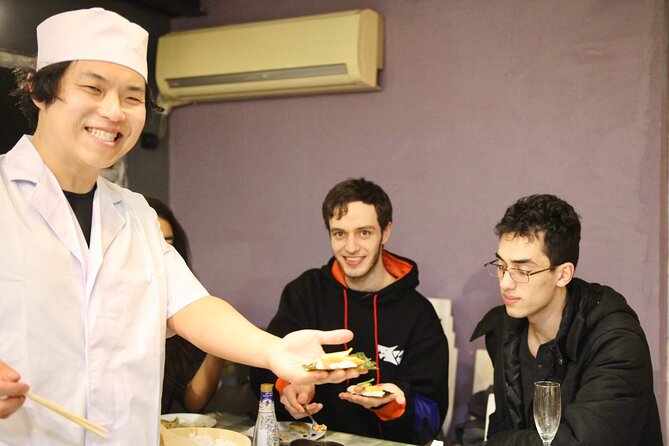
If you’re worried sushi lessons will be intimidating, you’re in good hands. Temaki sushi is one of those Japanese classics that feels fancy on the plate but stays friendly in the kitchen. You’re not trying to perfect tight, uniform pieces like some other styles. You’re building a playful hand roll, one cone at a time, and the shape helps it look great even when you’re learning.
What makes this class especially appealing is the full arc. You start with the foundation, sumeshi (vinegared sushi rice). Then you move to the fun part: rolling. You get to choose fillings and assemble a temaki that matches your taste, which is exactly how many Japanese home gatherings work.
The best part, in my mind, is that it’s not just “watch and eat.” You’re actively practicing a menu you can repeat later. Temaki makes sense for parties because people can customize. It looks impressive without needing a sushi apprenticeship.
More Tokyo tours and experiences for the shortlist



Sumeshi rice: the vinegared step that actually makes sushi work
Sushi often lives or dies on the rice. This workshop starts there, with a demonstration of how to make su meshi and a quick explanation of what to watch. The process is described as simple, but there’s a little trick, and that’s the difference between rice that’s merely sticky and rice that tastes like sushi.
Here’s what matters for your results at home:
- You want the rice seasoned in a way that feels balanced, not just sour or salty.
- You want the rice to cool and handle well, because hot rice can mash or feel harder to shape into a cone.
- You want the texture to stay workable, so your toppings sit nicely instead of sliding off.
In class, you’re not left guessing. You get the essential “why” behind the step, which is what turns this from a one-time stunt into a skill you can repeat. Once you’ve got su meshi under control, everything else gets easier, including rolling without stress.
A practical tip for you: even if you feel confident, pay attention to the trick during the rice step. Most people can follow a basic recipe, but the trick is what helps the rice taste and behave like sushi rice instead of plain vinegared rice.
Hand-rolling your Temaki: choosing fillings and building your own style
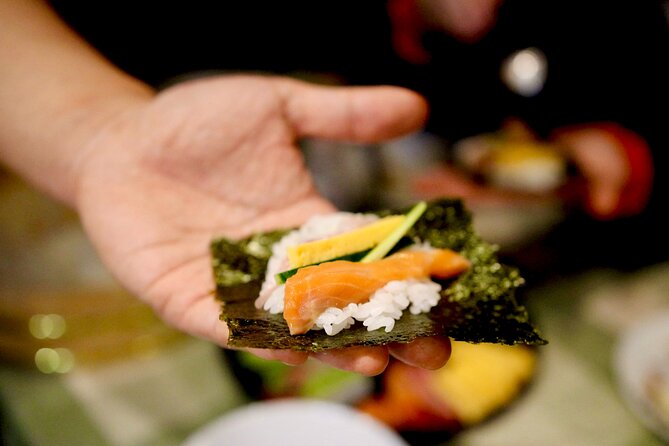
After the su meshi basics, the workshop shifts into rolling. This is where temaki earns its reputation as a home party favorite. The method is flexible. You can make the sushi as you like, selecting fillings from a variety of fish and vegetables.
That choice matters more than it sounds. When you customize, you’re not locked into one “approved” flavor. You can steer the roll toward what you actually like, and you can also make it work for different dietary preferences. In one example from the experience, a vegetarian was able to create a vegetarian temaki. The key reason that’s possible is the focus on vegetable options among the fillings.
Rolling itself is also about flow. A hand roll is forgiving because you’re shaping a cone, not chasing perfect symmetry. Your hands learn the rhythm: rice goes down, fillings stack where you want them, then you wrap the nori so it holds.
What I’d pay attention to as you roll:
- Keep the fillings from piling too high, so the roll stays closed.
- Use the rice layer as your “glue,” not just a base.
- Trust the shape. A slightly imperfect cone can still look great because the presentation is part of the style.
You’ll likely end up with multiple rolls. That’s a feature, not a flaw. Learning comes from repeating the motion and adjusting as you go. By the time you’ve made a couple, you’ll feel how to control the thickness and placement.
Japanese clear soup: the easy pairing that makes the meal feel complete
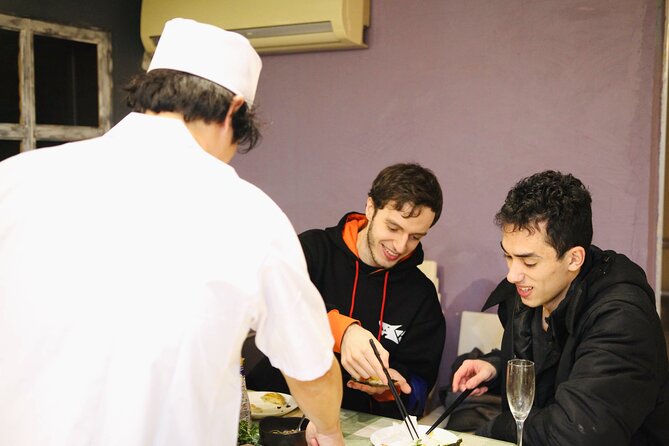
A temaki spread can be heavy on flavors and textures, especially with fish and crunchy vegetables. This workshop pairs your sushi with a Japanese clear soup, and you’ll learn how to make it as part of the session.
Clear soup is a smart choice for a learning class. It’s not trying to be complicated or dramatic. It’s meant to complement, cleanse, and balance the plate. When you learn a simple pairing like this, you get more than a sushi lesson. You get a mini menu you can actually serve at home.
What you gain here is the “host mindset.” Temaki works best when there’s variety, plus a warm liquid component that ties the meal together. The soup gives you that finishing touch, and it makes the whole experience feel like a real Japanese meal, not just a single dish demonstration.
Learning with Mariko-san and Yoichi-san in a small group

One reason cooking classes in Tokyo can be hit or miss is attention. This one caps at a maximum of 6 travelers, which changes the vibe fast. Instead of being one person watching from the sidelines, you get room to ask questions and get corrections while you’re rolling.
The experience is led by Tokyo Shitamachi Foodie, with teaching described through Mariko-san and Yoichi-san. Their approach, as it’s been shared, is focused on being willing to teach and sharing Japanese culture in a friendly, warm way. That matters because sushi skills can be technical, but the confidence often comes from how the instruction is delivered.
If you’re new to Japanese cooking, this format is great. You can ask the basics without feeling silly. If you already cook, it’s still useful because sushi rice and temaki assembly have little details that aren’t obvious from a cookbook.
A small class also means you’re more likely to end up talking with others about flavor preferences, which can help you decide what fillings to choose. In other words, the class can become a mini taste conversation, not just a task list.






Where you meet near Sumiyoshi, Koto City, and how to plan your timing
The workshop meets at Canal Palace キャナルパレス住吉, 2-chōme-16-11 Sumiyoshi, Koto City, Tokyo 135-0002, Japan. It ends back at the meeting point, so you’re not tracking across town with a bag of half-built sushi dreams.
The good news is that it’s near public transportation. That matters in Tokyo because stations can be closer than they look on a map. When a class is near transit, you can keep the day relaxed and not turn the workshop into a logistics project.
Timing-wise, plan for about 2 hours. Since the class starts with rice prep and ends with rolling and a soup component, you don’t want to stack another hard activity right after. Give yourself a little buffer to walk back, cool down, and process what you learned.
Also, bring a normal learning attitude. You’re not just tasting. You’re producing your own food, and sushi is one of those things where small adjustments take you from fine to noticeably good.
Price and value: is $72 worth two hours of sushi practice?
At $72 for about 2 hours, this workshop sits in the “worth it if you want skills” category. Cooking classes cost money, sure. But the value here comes from what you take away, not just what you eat.
You get:
- Hands-on instruction for sumeshi, the core element of sushi.
- A rolling practice session where you assemble temaki yourself.
- A second dish, Japanese clear soup, so you can recreate a small, coherent meal.
- A small group experience, which is usually how you avoid feeling lost.
Could you buy ingredients and try from home? Yes. But most people struggle with the rice step, and that’s the part that makes sushi taste like sushi. Getting taught that portion live saves you time and, honestly, saves you from wasting a batch of rice that ends up too sour, too bland, or too hard to handle.
If you’re planning to do one “learn something” food activity in Tokyo, this is a strong candidate. It’s practical, repeatable, and party-friendly. The fact that it’s a sushi style you can customize makes it a skill that fits your life, not just a tourism memory.
What you can actually take home for your next party
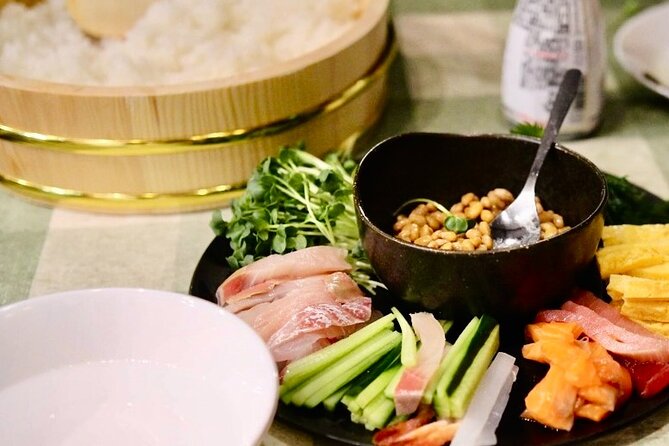
The goal here is repeatability. Temaki sushi is described as a popular home party menu in Japan, and the workshop is built around that idea. Once you learn how su meshi behaves and how to build a hand roll, you’re set up to host a similar spread.
Here’s how you’ll likely use the technique:
- Make su meshi in advance or manage timing so it cools and handles well.
- Set up a tabletop selection of fillings, fish options and vegetables, so everyone builds their own.
- Pair with a simple soup so the meal feels complete.
You’ll also develop instinct for what works. In class, you see how fillings affect closure and texture. That’s the kind of practical “feel” you don’t always get from written recipes.
And if you’re planning meals for friends, temaki’s DIY nature is perfect. It’s flexible enough for different tastes, and it still looks impressive because the presentation is part of the style.
Who should book this Temaki workshop, and who might skip it
This workshop is a great fit if:
- You want a sushi experience that isn’t limited to one fixed style.
- You’re new to sushi and want a clear starting point with sumeshi.
- You like the idea of hosting, with a food format that lets people choose fillings.
- You want hands-on instruction in a small group setting.
You might skip it if:
- You’re strictly looking for a traditional nigiri craft experience, which tends to focus on precision skills.
- You prefer long tasting menus over active cooking practice.
- You’re short on time and can’t spare the full 2 hours for rice prep and assembly.
But if you want a skill you can repeat at home, this has a strong case.
Should you book the Temaki Sushi hand-rolling workshop?
If your goal is to learn something you can recreate, I’d book it. The class targets the real backbone of sushi, sumeshi, then gives you the confidence to roll and customize temaki. Add in the clear soup pairing and the small-group setup, and you get a complete, practical experience rather than a quick food stop.
I’d especially recommend it if you want a fun Tokyo activity that still feels authentic and useful. Sushi in Japan can look intimidating from afar. This format flips that feeling by making it approachable, teachable, and party-ready.
FAQ
Where does the hand-rolled Sushi Temaki workshop start?
It starts at Canal Palace キャナルパレス住吉, 2-chōme-16-11 Sumiyoshi, Koto City, Tokyo 135-0002, Japan.
How long is the Temaki Sushi workshop?
The workshop lasts around 2 hours.
How much does the workshop cost?
The price is $72.
Is this class group size limited?
Yes. The experience has a maximum of 6 travelers.
What will I learn during the workshop?
You will learn how to prepare sumeshi (vinegared sushi rice), how to hand roll your own temaki sushi, and how to make Japanese clear soup.
Do I need sushi-making experience before I join?
No. Temaki sushi is described as not requiring special skills, and the workshop teaches you the process step by step.
Can I choose my own fillings?
Yes. You choose from a variety of fillings, including fish and vegetables.
Is there a vegetarian option?
The experience includes vegetable fillings, and one example from the experience shows that a vegetarian was able to hand roll a vegetarian temaki.
Do I get a mobile ticket?
Yes. This activity offers a mobile ticket.
What is the cancellation policy?
You can cancel for a full refund up to 24 hours before the experience starts. If you cancel less than 24 hours before the start time, the amount paid is not refunded.
More Workshops & Classes in Tokyo

More Tour Reviews in Tokyo
Not for you? Here's more nearby things to do in Tokyo we have reviewed












Tokyo City Tours, side by side.
 ★ 5.01-Day Tokyo Bus TourFrom $12914,250 reviews
 ★ 4.5TOKYO SKYTREE® Admission ticketFrom $1311,192 reviews
 ★ 4.6teamLab Planets TOKYO Digital Art Museum Entry TicketFrom $259,779 reviews
 ★ 4.0Mt Fuji & Hakone Cruise, Drum Show Bullet Train 1 Day from TokyoFrom $1497,413 reviews
 ★ 5.0Shinjuku Food Tour (13 Dishes at 4 Local Eateries)From $866,603 reviews
 ★ 4.4Tokyo Mt Fuji 5th St & Hakone Cruise Bus Tour w/Bullet TrainFrom $1545,024 reviews
 ★ 5.0Flagship 2-Hours Official Street Go-Kart Tour – Tokyo Bay ShopFrom $644,974 reviews
 ★ 4.5From Tokyo: Mount Fuji Full-Day Sightseeing TripFrom $684,970 reviews
This tour also belongs to