
Review · TOKYO CITY TOURS
Tokyo Sightseeing/ City Tour by Private Car with English Guide
Tokyo in one smooth day. This private car tour strings together some of Tokyo’s biggest names, plus time to breathe in between. I like the hotel pickup and drop-off and the fact an English guide can steer the route based on your interests. One tradeoff to plan for: Tokyo Skytree tickets cost extra (2,100 yen per person).
You also get the kind of convenience that matters in a city this big, an air-conditioned car and free Wi-Fi so you can post photos without hunting for a connection. With an 8 to 9 hour schedule, it’s built for seeing a lot while staying comfortable between neighborhoods.
Just note the day moves quickly. You’ll spend about 30 minutes at Shibuya Crossing, 1 hour at several stops, and longer stretches around Harajuku, so it helps to go with a game plan, comfy shoes, and a quick yes to skipping slow wandering.
Key things to know before you go
- Private car for up to 5: you keep the pace and focus on what you care about most.
- English guide support: helpful context for temples and shrines, and practical help moving between areas.
- Hotel pickup and drop-off: you skip the stress of navigating transit for a full day.
- Free Wi-Fi in the car: useful for sharing photos and staying in sync with your group.
- Tokyo Skytree costs extra: budget 2,100 yen per person if you want to go up.
- A lot of icons in one day: expect quick hits at major neighborhoods, not a slow, single-area walk.
Price and value for a full private day
At $362.39 per group (up to 5), this is priced like a true private outing, not a seat-on-a-bus deal. In practice, that matters because you are not spending your day figuring out how to cross Tokyo efficiently. For families and friend groups, the per-person cost drops fast as you fill the car.
Another small but real value point: the price includes fuel surcharge and GST 9. So you are not left wondering what fees will show up later when you just wanted to get on with your sightseeing.
The one extra cost you must account for is Tokyo Skytree admission at 2,100 yen per person. Everything else listed has free admission noted on the schedule, which helps you keep the budget under control. If Skytree is a must-do for you, factor it in early. If not, you can still enjoy the rest of the day without that added spend.
You can also read our reviews of more guided tours in Tokyo
The private car experience: where it really helps
Tokyo looks easy on a map, then you try to move around and realize it’s not. A private car tour is often worth it when you want multiple neighborhoods in one day. Here, the route covers areas that are not close enough to each other for a comfortable stroll, especially when you add stops like temples, shrine grounds, and two major crossing-style photo moments.
The air-conditioned vehicle also changes the feel of the day. Instead of arriving sweaty and tired, you arrive ready to look, listen, and take photos. Add free Wi-Fi inside the car, and it becomes easier to keep your group coordinated, check transit or train times for later, and share pictures on the spot.
One more benefit I like: pickup and drop-off from a central Tokyo hotel. That removes a common headache. When you are paying for a guide, you do not want to spend your morning wrestling with stations, stairs, and signage.
How the day flows, with realistic pacing
This is an 8 to 9 hour plan with multiple stops. The schedule is not evenly weighted, either. Some parts are quick photo stops, like Shibuya Crossing at about 30 minutes. Others are longer, like Takeshita Street at 1 hour 30 minutes, and several major sights get about an hour each.
That pacing is ideal if you want variety, and not ideal if you prefer slow, one-neighborhood immersion. Think of this day as a greatest-hits sampler with guidance. You will cover a lot of Tokyo in one go, but you will not have hours to linger in just one place.
If your group includes people with different interests, the private format helps a lot. The tour is described as flexible enough to customize, and one English guide named Abdul has been noted as accommodating and willing to adjust to needs, even taking extra care so your trip can be well documented.
Tsukiji Fish Market: what to expect beyond the old headline
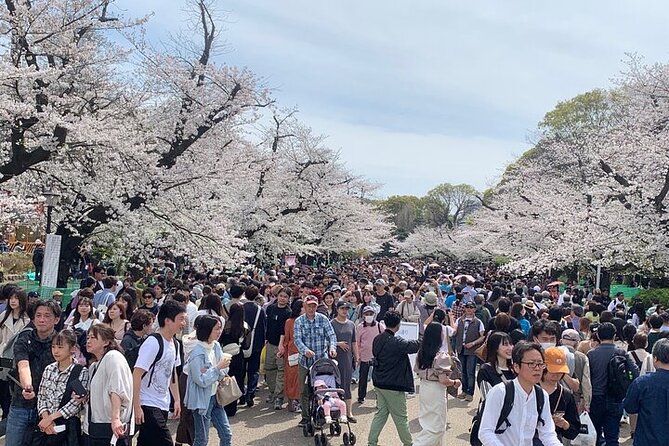
Tsukiji Fish Market is a name that still carries huge weight, even though the world’s biggest wholesale operations moved to Toyosu in 2018. On a guided city tour like this, you’re visiting Tsukiji as a sightseeing stop with free admission listed, so the focus is more on the market atmosphere than on the former wholesale trading floor.
Why it works on a tour like this: Tsukiji is one of those places where the sensory input is the whole point. Seafood-themed stalls, casual snack potential, and the sense that Tokyo still has serious food culture. Even if you have been to markets elsewhere in Japan, Tsukiji is different because it connects food to the city’s daily rhythm.
The one practical consideration is time and appetite. You only get about an hour here, so come with a plan for what you want, or you will end up indecisive while the clock ticks. If you love eating while sightseeing, this is a good early anchor for the day.
Senso-ji Temple and Yogodo in Asakusa: a must-see, with simple prep
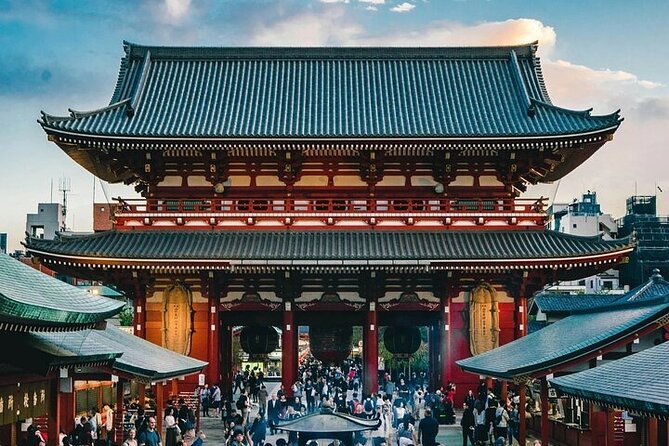
Senso-ji Temple is Tokyo’s oldest and most iconic Buddhist temple, founded in 645 AD, dedicated to Kannon, the Goddess of Mercy. The tour schedules about 1 hour for Senso-ji Yogodo, with free admission noted.
This is one of the best stops for understanding what Japan feels like outside of neon. The guide can help you connect the dots, what you are looking at, and why the temple matters in Tokyo’s culture. If you want a snapshot of old Tokyo, this is it.
Practical tip: temples and historic sites can draw heavy crowds, especially at peak times. With only an hour, your goal should be smart observation rather than a marathon walk. Wear shoes you can move in, and keep your phone ready for the main photo angles, then let the guide handle the rest.
You can also read our reviews of more city tours in Tokyo



Tokyo Skytree: budget, timing, and the view decision
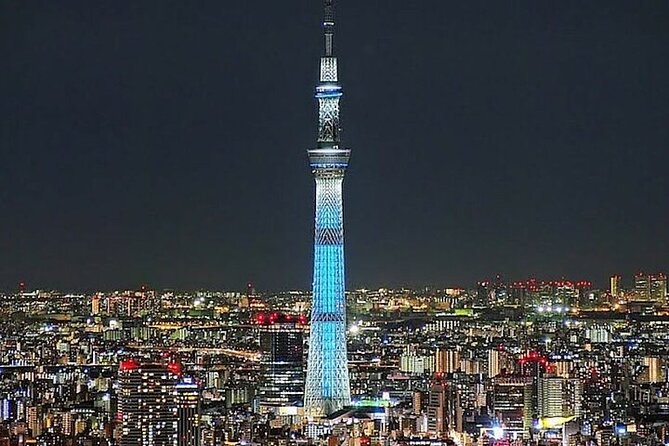
Tokyo Skytree is listed as the tallest structure in Japan, reaching 634 meters. The stop is about 1 hour, but admission is not included, at 2,100 yen per person.
This stop is for you if you want a big-city perspective. Skytree is not just a landmark, it’s a skyline statement, and the height is the whole reason people go. The value question is simple: do you want to pay extra for the experience of going up, or do you prefer to spend your money elsewhere?
Because the ticket cost is explicit, you can make that decision early and avoid stress later. If Skytree is a top priority for your group, you’ll feel good paying the extra. If not, treat the stop as a quick look at a major Tokyo icon and then focus your energy on the next neighborhoods.
Akihabara Electric Town: tech and pop culture in a tight window
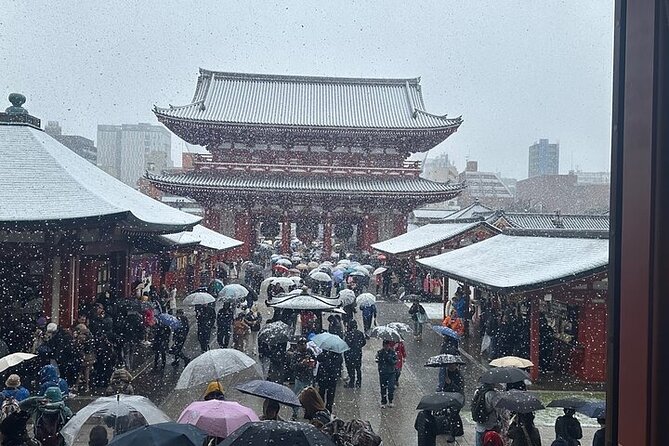
Akihabara, also called Electric Town, gets about 1 hour with free admission listed. This is Tokyo’s electronics and anime, otaku culture hub, and the tour is clearly set up for that specific kind of interest.
What you can expect in that hour:
- Multi-level electronics stores, where you can see current tech and old-school gadgets side-by-side
- Pop-culture browsing, including anime-related merchandise and character goods
- Plenty of photo-worthy storefronts and signage
The tradeoff is obvious: Akihabara is huge. One hour means you will not see everything. The right move is to pick your focus before you arrive, for example electronics, retro games, or anime goods. Having an English guide helps because you can move with purpose instead of drifting aimlessly while the day continues.
Meiji Jingu: the calm contrast near Harajuku
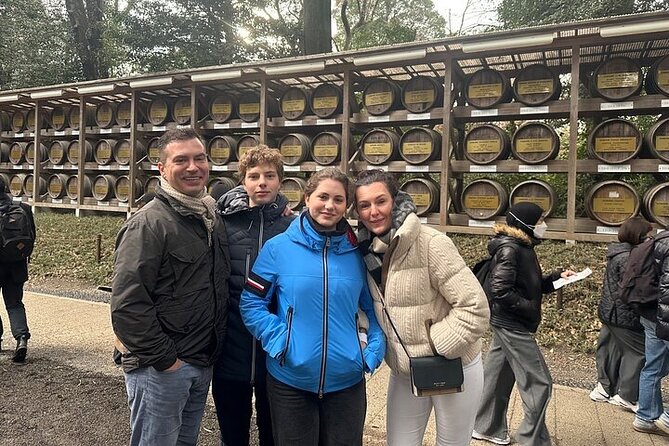
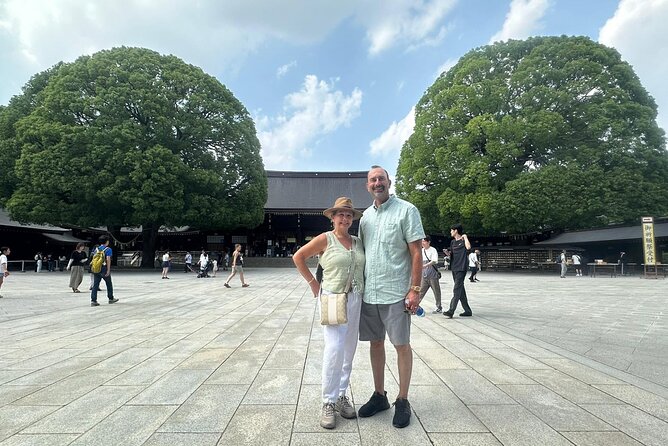
Meiji Jingu is one of Tokyo’s most important and beloved Shinto shrines. It’s located near Harajuku and dedicated to Emperor Meiji and Empress Shoken. The tour gives about 1 hour, with free admission noted.
This stop breaks up the day nicely. You go from shopping and pop culture energy into a more quiet, respectful setting. Even if you are not a shrine specialist, it’s a great place to reset your senses.
A practical note: you will likely want a slower walk here than you did at louder stops. That’s where the guide’s timing helps. You want enough time to notice details and not just pass through, but you also need room to keep the day’s momentum for Shibuya and Tokyo’s other icons.
Imperial Palace area: a symbolic stop with room for photos
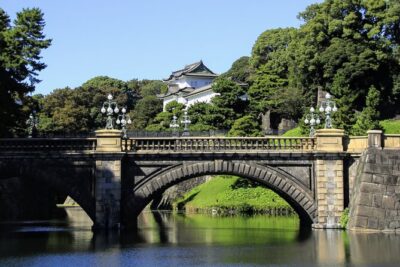
The tour includes a stop at the Tokyo Imperial Palace, about 1 hour, and lists free admission. This is the primary residence of Japan’s Emperor and a calm symbol of national heritage, surrounded by moats and stone walls.
The value of this stop is less about ticketed attractions and more about context. If you want to understand modern Japan while still seeing visible symbols of tradition, the Imperial Palace area is a strong choice.
Because you have an hour, you will not get a long, complicated experience. Think of it as a guided orientation, a couple of good viewpoints, and then you move on. That’s how this itinerary is designed, a flow that keeps Tokyo interesting without turning your legs into noodles.
Tokyo Tower: a classic icon with easy recognition
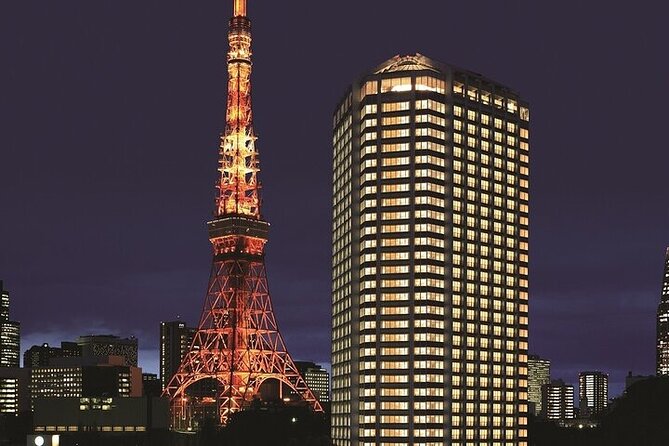
Tokyo Tower is listed after the Imperial Palace stop. It stands 333 meters tall and is described as one of Japan’s most recognizable landmarks, inspired by the Eiffel Tower in Paris, as well as a symbol of Japan’s post-war rebirth.
This is a stop built for quick wow-factor. Tokyo Tower is instantly recognizable, even from a distance, which makes it a strong photo anchor in the middle of the day.
The practical consideration is simple. Like any big landmark, it can be crowded when the weather is good. With your time budget, your best strategy is to take the photos you care about first, then let your guide handle the rest so you still make it to Harajuku and Shibuya without rushing.
Takeshita Street in Harajuku: youth style in about 90 minutes
Takeshita Street is scheduled for 1 hour 30 minutes, with free admission listed. This is Harajuku’s youth culture lane, lined with quirky fashion boutiques, crepe stands, themed cafes, and lots of street trend shopping.
Why this stop is great on a private tour: Takeshita Street can eat time fast. Without a plan, you can get stuck wandering between shops. With a guide and a set time window, you can do a loop, sample what you want, and still have enough time for Shibuya Crossing.
What I like about this slot is the mix of playful shopping and quick food options. If your group includes teens, fashion fans, or people who just want to see a Tokyo style scene, this is often the best-feeling part of the day because it’s so visually obvious.
Bring cash for small purchases, because street shopping is often small-ticket and fast-moving. Also, be ready for crowds. That’s part of the experience here.
Shibuya Crossing: the world-famous photo moment
Shibuya Crossing, also known as The Scramble, is scheduled for about 30 minutes, with free admission listed. It’s famous as one of the busiest pedestrian intersections in the world, with hundreds crossing from all directions at once.
This is the stop where the itinerary earns its keep. You’re not just seeing Tokyo, you’re seeing how Tokyo moves at street level. The intersection is built for watching and photographing. Even with limited time, it’s possible to get the key shots and enjoy the choreography of the crowd.
The practical drawback is that 30 minutes disappears fast if you spend the full time searching for the perfect spot. Go in with the mindset of getting one or two great views, then enjoying the moment. With a guide, you should be able to hit the best viewing plan without wasting your whole time budget.
What an English private guide adds to the experience
An English-speaking guide is not just translation. It’s context and direction. This itinerary includes temples, shrines, and national symbols. If you want the photos to mean something, you need someone to explain what you are seeing while you’re standing in front of it.
The supplied feedback includes a guide named Abdul, praised as kind, accommodating, and knowledgeable, with flexibility to adjust the tour to your needs. That detail matters because Tokyo is a city of sudden changes, weather shifts, crowd movement, and personal preferences. A guide who can adapt helps the day feel more like your trip and less like a checklist.
Also, one note from feedback highlights extra effort for capturing the group’s photos. That can be surprisingly important. A private car tour should make it easier to coordinate pictures, and it sounds like Abdul prioritizes that.
Who this tour is best for
This tour makes the most sense if you:
- Want a one-day overview across multiple Tokyo neighborhoods
- Prefer comfort and convenience over public transit logistics
- Have a mixed group, with people who want both classic sights and modern pop culture
- Want an English guide to add meaning at temples and shrines
It may not be the best fit if you:
- Want deep time in one area, for example hours at one museum or a full-day walk in one shopping district
- Hate crowds, since Senso-ji, Takeshita Street, and Shibuya can be busy
- Are on a tight budget and want every admission free, since Skytree costs 2,100 yen per person
Should you book this private Tokyo car tour?
If you want to cover Tokyo highlights efficiently in one day, this is a strong choice. The value comes from the private car, the hotel pickup and drop-off, and the mix of older Tokyo (Senso-ji) with modern power points (Akihabara, Harajuku, Shibuya). I especially like the practical convenience of free Wi-Fi in the car for sharing photos while you move.
Book it if Skytree is on your list and you are happy adding the 2,100 yen per person. Skip or reconsider only if you feel stressed by an 8 to 9 hour schedule packed with multiple stops. For most people, though, it’s the kind of day that helps you get oriented fast, then you can return later to the neighborhoods you liked most.
FAQ
How many people is this private tour for?
It’s a private tour exclusive to your group, up to 5 people.
How long does the tour last?
The duration is listed as about 8 to 9 hours.
Does the tour include hotel pickup and drop-off?
Yes, pickup and drop-off from a central Tokyo hotel are offered.
What is included in the price?
Included are an air-conditioned vehicle, private transportation, fuel surcharge, and GST 9.
Is there free Wi-Fi during the tour?
Yes, the vehicle includes free Wi-Fi.
Is Tokyo Skytree admission included?
No. Tokyo Skytree tickets are not included and cost 2,100 yen per person.
Are the other listed attractions included or free?
The tour schedule lists free admission for Tsukiji Fish Market, Senso-ji Temple Yogodo, Akihabara, Meiji Jingu Shrine, Imperial Palace, Takeshita Street, and Shibuya Crossing.
Is the guide English-speaking?
Yes, the tour is described as having an English guide.
Do I need a printed ticket?
You get a mobile ticket.
What if the weather is bad?
This experience requires good weather. If it’s canceled due to poor weather, you’ll be offered a different date or a full refund.
What is the cancellation policy?
Free cancellation is available. You can cancel up to 24 hours in advance for a full refund, based on local time.
More Guided Tours in Tokyo
More Tours in Tokyo




More Tour Reviews in Tokyo


Not for you? Here's more nearby things to do in Tokyo we have reviewed












Tokyo City Tours, side by side.
 ★ 5.01-Day Tokyo Bus TourFrom $12914,250 reviews
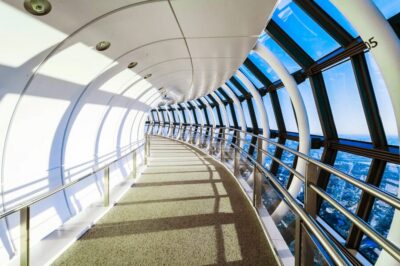 ★ 4.5TOKYO SKYTREE® Admission ticketFrom $1311,192 reviews
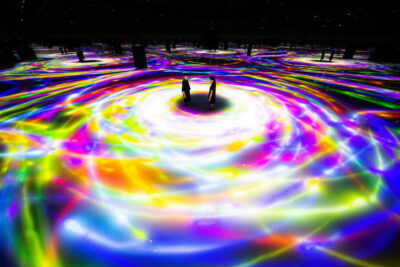 ★ 4.6teamLab Planets TOKYO Digital Art Museum Entry TicketFrom $259,779 reviews
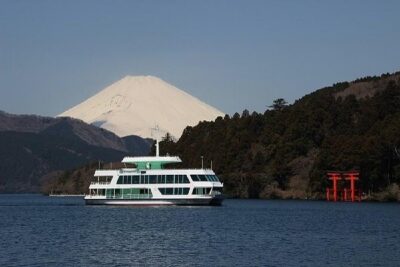 ★ 4.0Mt Fuji & Hakone Cruise, Drum Show Bullet Train 1 Day from TokyoFrom $1497,413 reviews
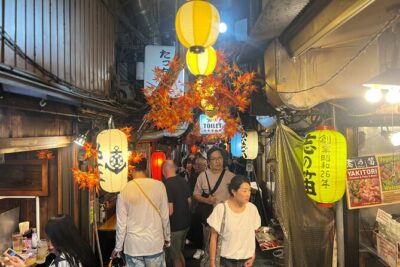 ★ 5.0Shinjuku Food Tour (13 Dishes at 4 Local Eateries)From $866,603 reviews
 ★ 4.4Tokyo Mt Fuji 5th St & Hakone Cruise Bus Tour w/Bullet TrainFrom $1545,024 reviews
 ★ 5.0Flagship 2-Hours Official Street Go-Kart Tour – Tokyo Bay ShopFrom $644,974 reviews
 ★ 4.5From Tokyo: Mount Fuji Full-Day Sightseeing TripFrom $684,970 reviews
This tour also belongs to