
Review · TOKYO CITY TOURS
Tokyo Keen Japanese Knife and Sashimi Workshop
A razor-sharp experience in Tokyo. In about two hours, you learn the logic behind Japanese knife skills, then put it to work with sashimi cutting and a hands-on lunch. It is part technique lesson, part food class, and it feels very practical.
I especially like how you get both instruction and real practice, not just watching. The whetstone sharpening segment and the sashimi cutting drills teach you what to repeat at home. I also like the included meal, miso soup, and the little sake tasting that fits the tone of the day.
One thing to consider is time. With only about 2 hours, you will learn basics and build confidence, but you will not leave as a full-time knife pro.
Quick highlights
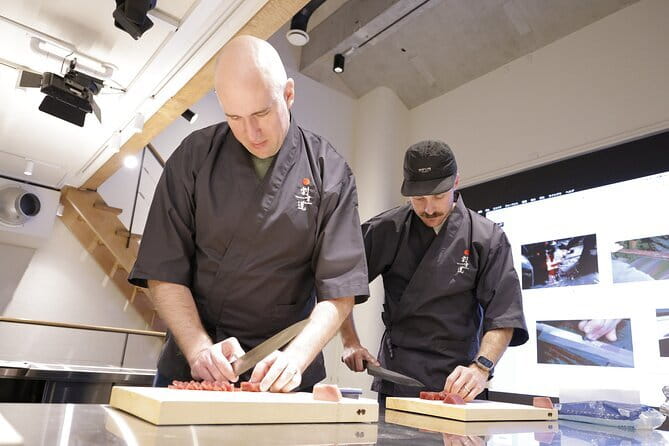
- Small group size (max 8): more hands-on time and easier Q&A
- Chef-led knife culture lesson: why Japanese knives are treated with care and routine
- Whetstone sharpening practice: you learn how to sharpen a Japanese knife step by step
- Sashimi cutting you do yourself: you feel the difference sharpness makes right away
- Cook zuke-don for lunch: rice topped with marinated sashimi, plus miso soup
- Taste Kappodo original sake: included with lunch, plus a 10 percent shop discount that day
Knife Skills in Nishiazabu: What You Actually Learn in This 2-Hour Class
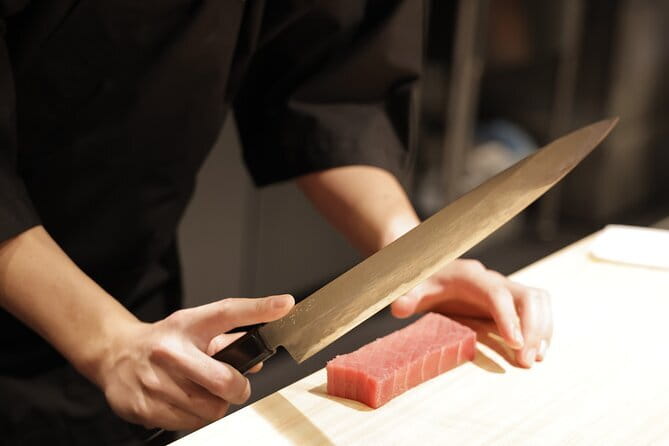
This Tokyo Japanese knife and sashimi workshop is built for one goal: help you understand Japanese knives with your hands, not just your eyes. You start with the why, then move quickly to the how, and you end by eating what you made.
The class runs about two hours and keeps the group small, with a maximum of eight people. That matters in a skill workshop. You get closer instructor attention during cutting practice and sharpening guidance, especially if you are new to this style of cooking.
You meet at Kappodo HQ / Tokyo D kitchen Studio in Minato City, Nishiazabu (DK Building, 2-chome). The area is well-connected by public transit, and you do not need private transportation. You also get a mobile ticket, so you can travel light and keep your day simple.
More Tokyo tours and experiences for the shortlist


Meeting Naoya and Hiromi: How the Workshop Flows for Non-Japanese Speakers
Right away, you get a friendly rhythm: Chef Naoya leads the technical parts, and Hiromi helps bridge questions and explanations. Even if you only catch a few Japanese terms, the session stays clear because the instruction is structured around what you will do next.
The workshop starts with an overview of Japanese knives. You will hear how a Japanese knife is made and why the culture around knives is so careful and methodical. It is not just trivia. That context helps you understand why the cutting technique and sharpening habits matter.
Then the tone shifts into skill mode. You watch an expert demonstration of knife work first, and then you try. When you are cutting sashimi yourself, the earlier explanation suddenly makes sense: the knife is not only for sharpness, it is for control and consistency.
The Knife Culture Lesson: Why Japanese Knives Are Treated Differently
This is the part people often skip when they sign up for a cooking class. Here, you get the culture and customs of Japanese knives as part of the experience, not as an afterthought.
You learn how a Japanese knife is made, which helps you understand why many are designed for different cutting styles than typical Western kitchen knives. Even if you never buy one, you start noticing what the instructor wants you to feel: clean contact, steady motion, and attention to the blade’s role in the cut.
The cultural angle also shows up in small habits. Knife care is treated like a normal routine, not an optional extra. That matters for you because it influences how you use and sharpen your knife later, especially if you want results at home rather than just a one-time performance.
Watching vs. Doing: The Sashimi Cutting Practice That Feels Real
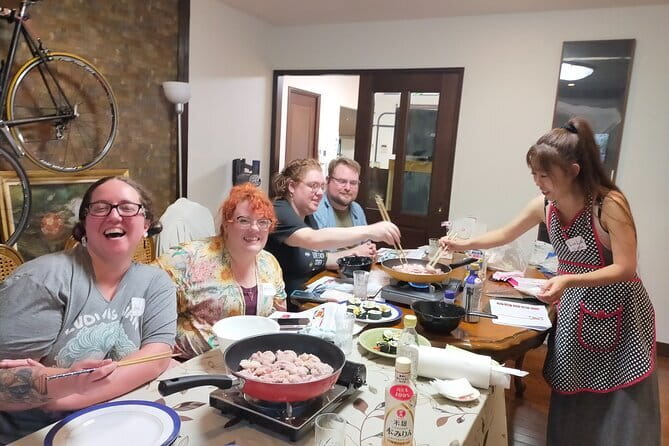
After the knife talk, you see a demonstration of cutting technique. The instructor focuses on how the knife meets the food, and how to keep your motion controlled. This is where you learn that sashimi cutting is not just about speed. It is about precision and how the cut holds up on the plate.
Then it is your turn. You actually use a Japanese knife to cut sashimi. This is one of the most valuable parts of the workshop because it quickly answers the big question most people have: does sharpness change everything, and can I use this type of knife without wrecking it.
You will likely notice two things right away:
- The blade feels different, especially in how it responds to careful motion.
- Clean cuts are easier when you let the knife do the work instead of forcing a rough technique.
If you are someone who loves food visuals but never understood the craft behind them, this is where the whole day clicks.
Sharpening on a Whetstone: A Skill You Can Repeat at Home
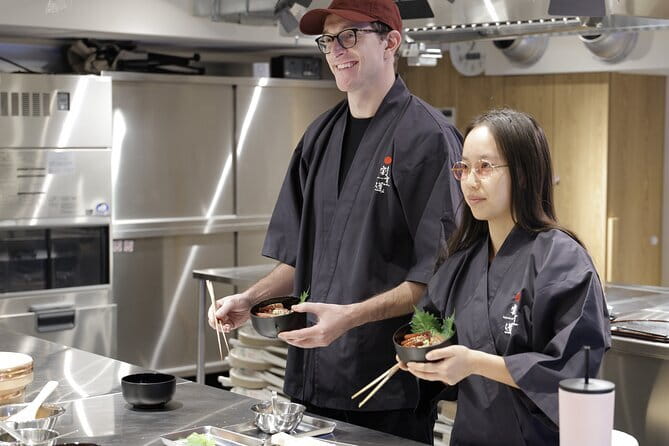
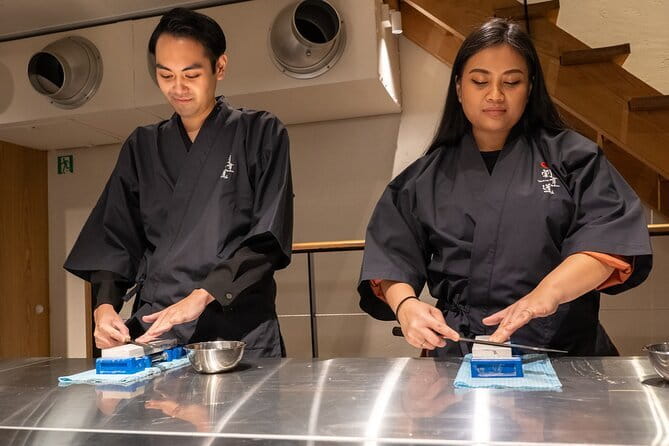
One of the best parts of this class is that sharpening is not theoretical. While something else is cooking in the background, you learn how to sharpen a Japanese knife using a whetstone.
The workshop explains the process clearly, and the instructor helps you even if it is your first time. That is a big deal. Whetstones look intimidating, but the class format gives you a guided way to try without feeling lost.
This sharpening segment also makes you a better slicer. Once you understand what sharpening changes, you cut with a clearer goal. You start to pay attention to blade condition, grip, angle, and consistency, because those are the things that affect how sashimi cuts look and feel.
And because you practice during a real cooking timeline, not just as a standalone demo, it becomes practical. You are learning a skill that fits real kitchen use, not a showpiece.






Zuke-don Cooking Class: Turning Marinated Sashimi into Lunch
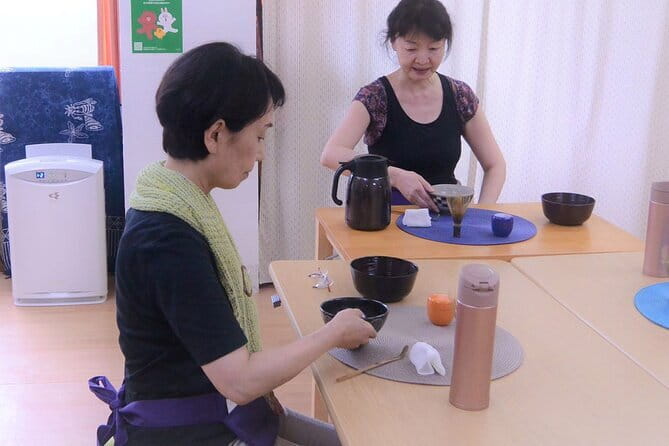
Once the cutting and sharpening practice is underway, the class transitions into cooking. You learn how to make zuke-don, a bowl of rice topped with marinated sashimi. The fish is often tuna, but the exact fish can vary depending on availability.
Here is the logic of the day: the tuna or sashimi is marinating while you focus on sharpening with the whetstone. Then you shift back to food prep and assemble your bowl.
Zuke-don is a very approachable way to use sashimi at home because the technique is simple and forgiving. The marinade adds flavor and helps the fish taste cohesive with warm rice. You get a chance to connect technique to taste, which is the best kind of learning for me.
At the end, you enjoy what you made, plus miso soup. There is also a taste of Kappodo original sake included. That combination, knife skills then lunch, is exactly why this workshop works.
Price and Value: What $130.78 Really Buys in Tokyo
At about $130.78 per person, this workshop is not cheap, but it is also not just a cooking class. You are paying for tools, guided practice, instruction, and meals.
Here is what you get for your money:
- All tools and aprons for the lessons
- Lunch, specifically the tuna bowl you make
- Miso soup (served with your meal)
- Alcoholic beverages tasting, including Kappodo original sake
- A tour guide to run the class
- A certificate of participation
- A 10 percent off shop discount on the same day at the 1F shop
That package can be a solid value if you want more than a tasting experience. Two hours can sound short, but the format packs a lot in: knife culture, cutting practice, sharpening practice, then cooking and eating. In a city like Tokyo, where many food experiences focus only on eating, this gives you both craft and payoff.
Also, it is booked about 46 days in advance on average, which hints at steady demand. If you want a specific date, booking early usually helps.
Practical Details That Matter on the Day
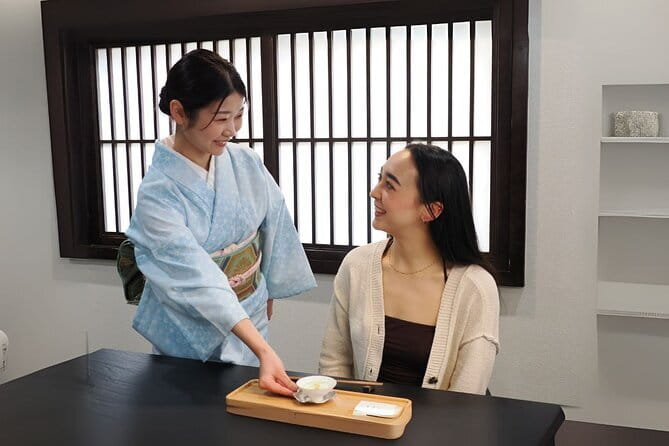
This workshop is held near public transportation, which is the way you want it for a Tokyo day. You do not need to factor in private transport, and the meeting point is in Minato City, Nishiazabu.
The group stays small, max eight people. That means you should expect a class format where you rotate between listening, practicing, and cooking, with instructor check-ins.
You also get a participation certificate. It is a small thing, but it adds a nice sense of closure when you have learned a hands-on skill you can carry forward.
One more practical note: you will be cutting and using tools, so keep your schedule light around it. Plan for the workshop to be the highlight, not a rushed stop between train transfers.
Who This Workshop Is Best For (And Who Might Prefer Something Else)
You will get the most out of this experience if you fall into one of these categories:
- You care about Japanese food beyond eating, and you want the technique behind it
- You are curious about Japanese knives and want to understand sharpening and cutting basics
- You want a hands-on class where you practice, not just watch
- You like cooking that ends with a meal you actually made
It might be less ideal if you already have strong knife skills and are looking for advanced, long-form training. The workshop is only about two hours, so it is designed for a guided introduction and confidence-building, not deep mastery.
Should You Book This Tokyo Knife and Sashimi Workshop?
I think it is a smart booking if you want a Tokyo experience that mixes craft and eating in a compact time window. The strongest selling point is the combination: watch expert technique, then do your own sashimi cutting, then learn whetstone sharpening, then cook zuke-don and eat it with miso soup.
If your travel style is hands-on, this fits. If you love Japanese food and want a skill you can repeat at home, it is even better. If you are only looking for a meal, you might find alternatives that cost less, but they will not give you the knife learning piece.
In short, this is one of those Tokyo classes where you leave with a clear story, a full stomach, and a technique you can try again later.
FAQ
How long is the Tokyo Keen Japanese Knife and Sashimi Workshop?
The workshop lasts about 2 hours.
What is included in the price?
It includes all tools and aprons used in the lessons, lunch (the tuna bowl you made), miso soup, alcoholic beverages tasting including Kappodo original sake, a tour guide, a certificate of participation, and a 10 percent off discount at the 1F shop on the same day.
Do I need private transportation?
No. Private transportation is not included.
How big is the group?
The workshop has a maximum of 8 travelers.
What language is the class taught in?
The instruction is provided in Japanese and English.
Where do I meet for the workshop?
You meet at Kappodo HQ / Tokyo D kitchen Studio in Minato City, Nishiazabu at 2-chome 21-12 DK Building (Tokyo, 106-0031).
Can I cancel and get a full refund?
Yes, you can cancel for a full refund if you cancel at least 24 hours before the experience start time. If you cancel less than 24 hours before, the amount paid is not refunded.
More Workshops & Classes in Tokyo

More Tour Reviews in Tokyo
Not for you? Here's more nearby things to do in Tokyo we have reviewed












Tokyo City Tours, side by side.
 ★ 5.01-Day Tokyo Bus TourFrom $12914,250 reviews
 ★ 4.5TOKYO SKYTREE® Admission ticketFrom $1311,192 reviews
 ★ 4.6teamLab Planets TOKYO Digital Art Museum Entry TicketFrom $259,779 reviews
 ★ 4.0Mt Fuji & Hakone Cruise, Drum Show Bullet Train 1 Day from TokyoFrom $1497,413 reviews
 ★ 5.0Shinjuku Food Tour (13 Dishes at 4 Local Eateries)From $866,603 reviews
 ★ 4.4Tokyo Mt Fuji 5th St & Hakone Cruise Bus Tour w/Bullet TrainFrom $1545,024 reviews
 ★ 5.0Flagship 2-Hours Official Street Go-Kart Tour – Tokyo Bay ShopFrom $644,974 reviews
 ★ 4.5From Tokyo: Mount Fuji Full-Day Sightseeing TripFrom $684,970 reviews
This tour also belongs to