
Review · TOKYO CITY TOURS
Tokyo: Open Top Sightseeing Bus with Audio Guide
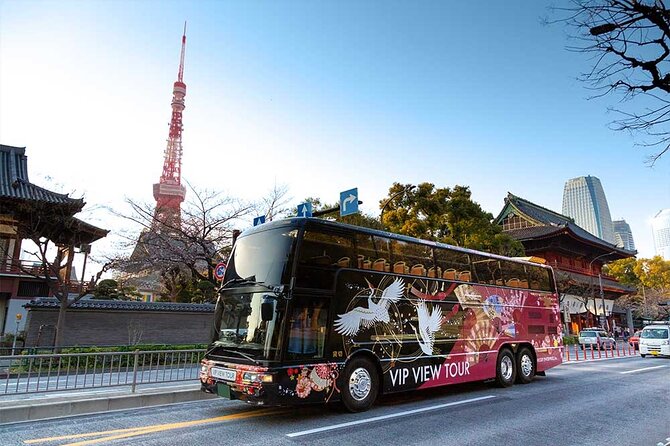
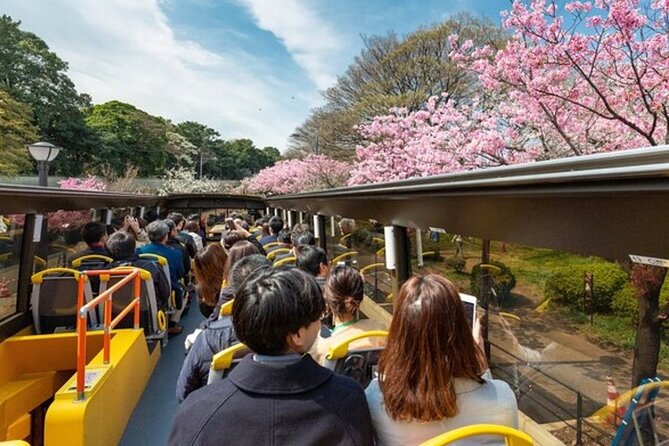
Two Tokyo views from one ride. This open-top sightseeing bus is an easy way to take in big landmarks fast, with GPS-enabled audio that cues information as you move. I like that the commentary is available in several languages and is designed to match where the bus is on the route.
The meeting point setup is also thoughtful, with help from a Japanese-speaking staff member and a comfortable wait area, including drinks while you’re there. One thing to weigh: this is not a hop-on, hop-off tour, so you cannot get off and re-board later.
Key points before you ride
- GPS-triggered, multi-language audio: the system tracks the bus and plays sightseeing info automatically in multiple languages.
- Two described routes: Bay Course and City Course cover different sets of major sights.
- About 70 minutes: a short, high-coverage ride that works well on a first day or a tight schedule.
- Comfort-first meeting area: check in at Tokyo VIP Lounge and plan to arrive early.
- Not hop-on, hop-off: you stay on the bus for the full loop, then return to the start.
Open-top Tokyo bus, GPS audio, and what makes it worth your time
If Tokyo feels like too much at once, this kind of tour helps you build a mental map quickly. You get the fun of an open-top bus, but you’re not stuck with guesswork. The audio guide uses GPS to follow the route and deliver landmark information based on current location, including adjustments when road conditions change.
The big practical win is timing. At around 1 hour 10 minutes, you’re not committing to a half-day plan. You also don’t need to understand transit routes or coordinate multiple train transfers just to see the “postcard” spots.
The audio options are solid. The GPS system supports Japanese, English, Chinese, French, Korean, Vietnamese, and Thai. It also notes that the system delivers information in three languages based on where you are, which can help if you’re traveling with someone who hears better in a second language.
One more detail that matters in Tokyo: traffic can throw off traditional pre-recorded audio tracks. Here, the system is designed to react to changes in road conditions, so you should get more on-target guidance than a fixed “time-stamped” narration.
You can also read our reviews of more guided tours in Tokyo
Bay Course: Tokyo Tower, Rainbow Bridge levels, and Odaiba by the water
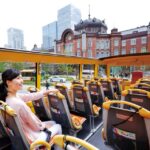
The Bay Course is the route that leans toward skyline views and waterfront landmarks. From the bus, you’ll pass through Tokyo Station’s Red Brick Station Building area, then move through Marunouchi before heading toward major sight corridors like Zojoji Temple and Tokyo Tower.
Here’s how this route tends to feel from the seat:
Tokyo Station to Marunouchi, a classic first slice of downtown
You start around Tokyo Station’s Red Brick Station Building, then roll through Marunouchi. This is a good opening because it frames the city’s business core before you shift into tower and bay views. Even if you only glance out the window, you’ll quickly see how Tokyo organizes its major districts.
Zojoji Temple and Tokyo Tower, an easy skyline moment
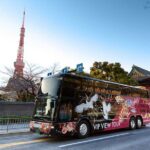
Next comes Zojoji Temple, followed by Tokyo Tower. The pairing is practical: you get the temple landmark area, then the iconic tower right after. On an open-top bus, these are the segments where you’ll likely want your phone up just to confirm you’re actually looking at the real thing.
Shibaura Rainbow Bridge (1st Level) to the Odaiba waterfront
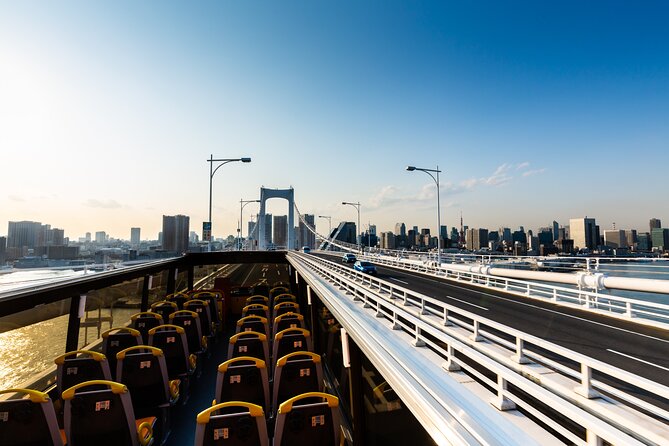
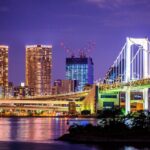
After Tokyo Tower, the route reaches Shibaura Rainbow Bridge at the 1st Level. Crossing or approaching bridges in Tokyo always changes the view line, and it’s where the open-top aspect pays off. You’ll then continue past the Fuji TV Building, then see the Statue of Liberty area and reach Odaiba Seaside Park.
This is also one of the most “Tokyo” stretches visually. You get a mix of architecture, water, and the kind of dramatic geometry that looks great from a moving vehicle.
More Tokyo tours and experiences for the shortlist
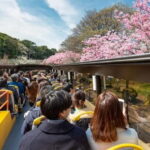

Rainbow Bridge (2nd Level), Shiodome, then Ginza
The route later includes Rainbow Bridge at the 2nd Level, then comes into Shiodome and finishes with Ginza. That ending matters because Ginza is a handy neighborhood to explore afterward. If you want dinner, a walk, or a quick shopping stop after your bus ride, Ginza is a convenient landing spot.
Possible drawback on Bay Course timing: since you’re staying on the bus for the full ride, you cannot linger at Odaiba or near the bridge viewpoints during the tour itself. That’s fine if your goal is a broad overview, less ideal if you want deep time at one location.
City Course: Imperial Palace area, Roppongi energy, and a Ginza finish
The City Course focuses more on central and nightlife-adjacent districts rather than the bay. The listed highlights include the Imperial Palace area, Tokyo Midtown, Roppongi, Tokyo Tower again, and Ginza.
Even without a detailed stop-by-stop list, this route has a clear logic: it strings together Tokyo’s most recognizable “district identities.” You get government-adjacent space (Imperial Palace area), modern office and commercial space (Tokyo Midtown), and the buzzy international-feeling vibe around Roppongi, then you land back in Ginza.
Imperial Palace area first, then modern Tokyo districts
Starting with the Imperial Palace area helps you orient yourself because it’s a major reference point in central Tokyo. From there, the route transitions to Tokyo Midtown, a district that signals you’re moving into more contemporary city planning and shopping.
Roppongi and Tokyo Tower, big sights with lots of texture
Roppongi is where the city changes tempo. Even from a bus window, you’ll notice the mix of buildings and street activity. Then you get Tokyo Tower again on this route, which is useful if you want repeated exposure to the skyline landmark from a different driving angle.
Ginza finish, convenient for food and night plans
As a closer, Ginza is hard to beat. If your schedule is packed, it’s a practical place to head next, because there are plenty of options for evening meals and easy walking.
Why this route can be perfect for first-timers: it’s designed to hit the city’s major “zones” in one smooth sweep. If you’re trying to decide which areas you want to return to on foot later, this route helps you pick favorites.
Tokyo VIP Lounge meeting point, check-in timing, and rain reality
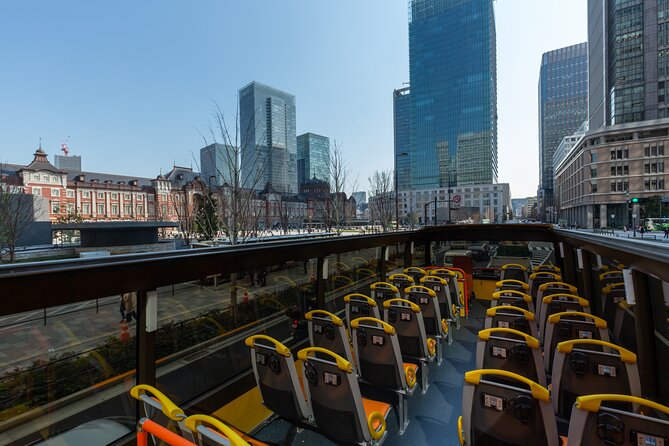
Your start point is Tokyo VIP Lounge at Yaesu, Chuo City, Tokyo (Japan, 103-0028 Tokyo, Chuo City, Yaesu, 1-chōme 5 9 2・3階). It’s described as near public transportation, so you can arrive using trains or nearby transit without needing a taxi.
The tour notes that you should verify the meeting point in advance and arrive 20 to 40 minutes before departure. Also, the bus departs promptly. That matters in Tokyo where it’s easy to misread exits or take the wrong stairway. Build in buffer time so you don’t end up stressed.
A paid facility that opens early for bus customers
The meeting point is inside a paid facility. Open-top bus customers can use the facilities free of charge starting 40 minutes before departure. If you arrive earlier than that, you may need to pay the facility fee, so timing your arrival helps.
Rain or shine, with one important catch
This tour runs rain or shine. Cancellations are only mentioned for extreme weather, such as typhoons. The open-top part may be closed if it rains, so your view could be less dramatic on a wet day.
Also note the rule: umbrellas are not allowed. That’s a big clue for what to bring. A rain jacket or poncho type option makes sense here, because you’ll need something that keeps you dry without violating the umbrella rule.
Audio guide setup: earphones, 3.5mm plug, and GPS tracking tips
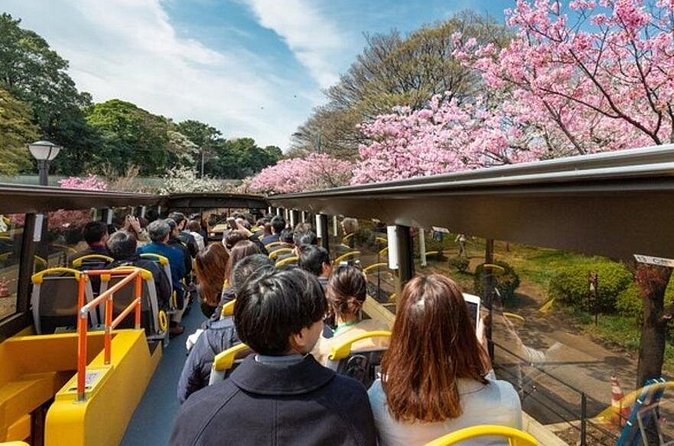
The audio guide is one of the strongest reasons to book this tour. The GPS system is designed to deliver the right landmark info at the right time, including adjustments for road traffic. That means the route narration should match what you’re seeing out the window more often than older style fixed-audio tours.
A few practical points help you get the best experience:
You’ll likely want earphones
The notes say the earphone jack supports 3.5mm mini plugs. Optional earphones are available for 100 Yen if you don’t have your own. If you do have earbuds, bring the right plug type so you can plug in smoothly at the start.
Expect not every moment to be crystal clear from your seat
The tour is short, so the narration moves quickly between landmarks. If you’re trying to read signs or catch details while audio is speaking, you might sometimes miss what’s being referenced unless you look at the landmark right as it appears. The good news is the route is packed with obvious sights like Tokyo Tower, Rainbow Bridge, and Ginza, so your eyes have plenty to grab.
Audio languages are built into the GPS logic
The system can run in multiple languages including English and Chinese among others. It also delivers sightseeing information in three languages based on current location. In a group, that flexibility helps if you have different language comfort levels.
What you can and cannot do on board

This isn’t just “ride and do whatever.” A few rules help keep the experience smooth, especially in an open-top bus environment.
Basic onboard rules that affect comfort
The tour prohibits:
- Smoking
- Food in the vehicle
- Selfie sticks
- Umbrellas
If you’re the type who likes to snack on day tours, plan to eat before you board or after you finish.
Luggage handling and the trunk note
There’s guidance for luggage: you can bring one piece of luggage per person during the excursion, as long as it’s manageable and fits in the vehicle. The maximum size for luggage stored in the trunk should not exceed 155cm total when you add height, width, and depth.
Important operational detail: items stored in the trunk are not accessible between stops. So keep your valuables, phone charger, and anything you might need during the ride with you.
Group size is capped
The tour has a maximum of 40 travelers, which is a nice middle ground. It usually means you’re not fighting for space the way you might on a huge bus, while still keeping the tour affordable.
Value at about $11.71: what you get for the money

At $11.71 per person, this tour is priced like a budget-friendly orientation loop, not a premium private guide experience. That’s exactly what it is.
You’re paying for:
- A short open-top bus ride
- GPS-based multi-language audio for landmark context
- A route that hits major icons like Tokyo Tower, Rainbow Bridge, Ginza, and Tokyo Bay-adjacent scenes on the Bay Course
You are not paying for:
- A live guide
- The ability to stop and explore on your own mid-route
- Earphones included by default
So how do you judge value? If your goal is to see the landmarks and learn just enough context to decide what to revisit later, it’s strong value. If your goal is to spend meaningful time at each site or get deep, tailored explanations, this isn’t the format. The audio gives you key orientation, and that works well for short stays or first-day arrival stress.
Who this tour suits best, and who should skip it
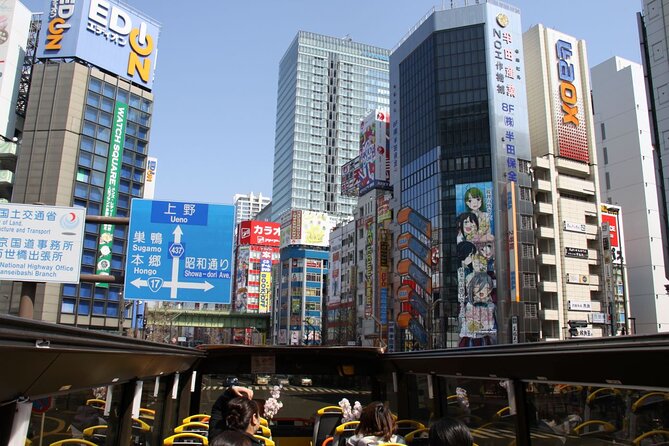
This tour is a great fit if you:
- Are visiting Tokyo for the first time and want an easy way to learn the city’s big landmarks
- Have limited time and want a quick loop that covers major sights
- Prefer to travel with audio guidance rather than relying on constant map-checking
- Like skyline and waterfront views, especially on the Bay Course
You might choose something else if you:
- Really want a hop-on, hop-off style plan so you can explore freely
- Need a live guide to answer questions on the spot
- Are hoping for long stops at attractions during the tour itself
Think of it like a guided highlights reel, with the added fun of an open-top ride. Short, focused, and designed to help you plan the rest of your Tokyo day.
Should you book this Tokyo open-top sightseeing bus tour?
Yes, if you want a low-stress, high-coverage introduction to Tokyo in about 70 minutes. The GPS audio support in multiple languages is a big help, and the Bay Course route, with Tokyo Tower plus Rainbow Bridge and Odaiba Seaside Park, is exactly the kind of “first day” viewing that helps you orient quickly.
Book with extra care if you hate the idea of staying on the bus the whole time. Since it is not hop-on hop-off, your main payoff is the ride and the views, not on-site exploration during the tour.
FAQ
FAQ
Is this a hop-on, hop-off tour?
No. This is not a hop-on, hop-off format. You ride the full route, then return to the meeting point.
How long is the Tokyo open-top bus tour?
It runs about 1 hour 10 minutes (approx.).
What languages are available for the audio guide?
The GPS audio guide system supports Japanese, English, Chinese, French, Korean, Vietnamese, and Thai.
Do I need my own earphones?
The audio guide uses a 3.5mm mini plug. Earphones are optional and available for 100 Yen, but you can also bring your own compatible earphones.
Where do I meet for the tour?
The meeting point is Tokyo VIP Lounge, Yaesu, Chuo City, Tokyo 103-0028, Japan. The tour ends back at the same meeting point.
What happens if it rains?
The tour operates rain or shine. However, open-top may be closed if it rains, and cancellations are only mentioned for extreme weather such as typhoons.
More Self-Guided Tours in Tokyo

More Guided Tours in Tokyo
More Tour Reviews in Tokyo






Not for you? Here's more nearby things to do in Tokyo we have reviewed












Tokyo City Tours, side by side.
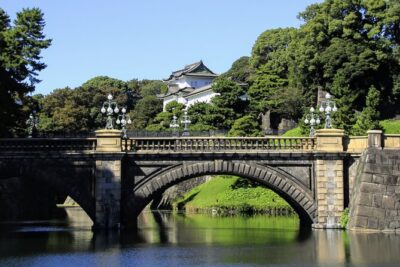 ★ 5.01-Day Tokyo Bus TourFrom $12914,250 reviews
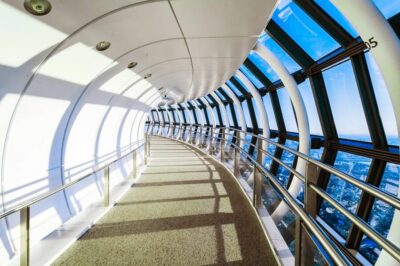 ★ 4.5TOKYO SKYTREE® Admission ticketFrom $1311,192 reviews
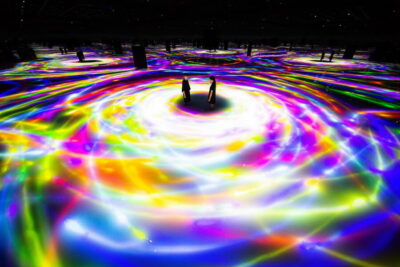 ★ 4.6teamLab Planets TOKYO Digital Art Museum Entry TicketFrom $259,779 reviews
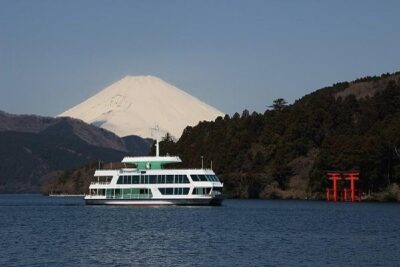 ★ 4.0Mt Fuji & Hakone Cruise, Drum Show Bullet Train 1 Day from TokyoFrom $1497,413 reviews
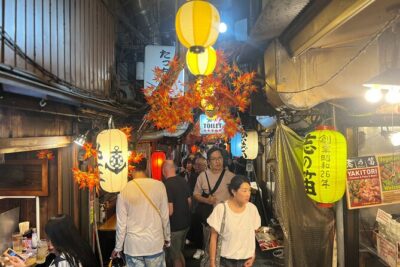 ★ 5.0Shinjuku Food Tour (13 Dishes at 4 Local Eateries)From $866,603 reviews
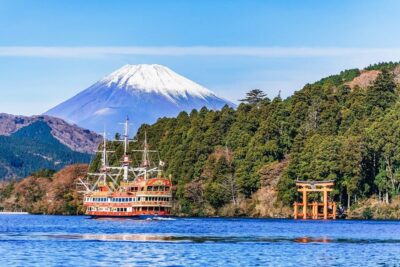 ★ 4.4Tokyo Mt Fuji 5th St & Hakone Cruise Bus Tour w/Bullet TrainFrom $1545,024 reviews
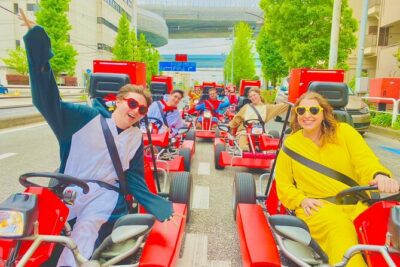 ★ 5.0Flagship 2-Hours Official Street Go-Kart Tour – Tokyo Bay ShopFrom $644,974 reviews
 ★ 4.5From Tokyo: Mount Fuji Full-Day Sightseeing TripFrom $684,970 reviews
This tour also belongs to