
Review · TSUKIJI MARKET TOURS
Tsukiji Food and Toyosu Market with Government-Licensed Guide
Tokyo takes its seafood seriously. This guided walk links Toyosu (new wholesale hub) and Tsukiji (classic market lanes) with a licensed local English-speaking guide, so you waste less time figuring out where to go. I especially like that you get both the “new vs old” story in one half-day, and you also get free shrine and temple stops like Namiyoke Inari. One thing to consider: it is not a tuna auction tour, and travel between markets uses public transport with extra costs.
I also like how the pacing works: about 4 hours total, with roughly 1 hour at Toyosu and 2 hours in Tsukiji, plus short breaks for Tsukiji Honganji Temple area timing and two quiet stops that explain why this reclaimed land has a shrine for waves. The biggest drawback for some people is simply the reality of market timing, Toyosu admission is not included, and some stalls may be limited depending on when you arrive.
Key points I’d plan around
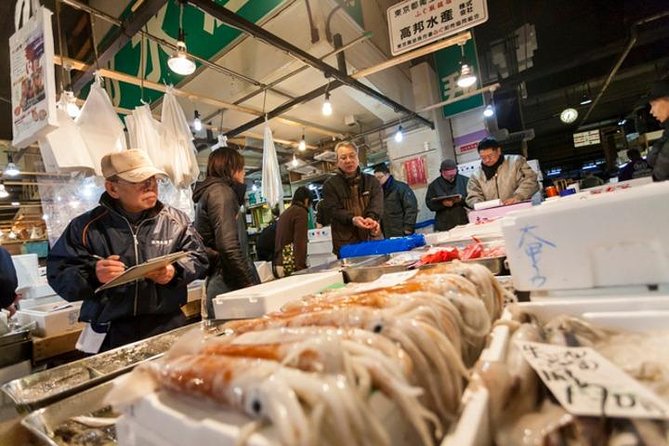
- Government-licensed guide: you get help navigating seafood chaos fast
- Two markets in one tour: see both the 2018 Toyosu wholesale move and the older Tsukiji experience
- Not a tuna auction tour: you still learn how the system works, just not the live auction ticket
- Shrines included: Namiyoke Inari and Tsukiji Hongwanji add context without extra cost
- Walking tour: you’ll be on your feet, and transport between areas is arranged by the guide
- Food is on you: sampling is possible, but meals and drinks are extra
What makes Toyosu and Tsukiji worth a guided combo
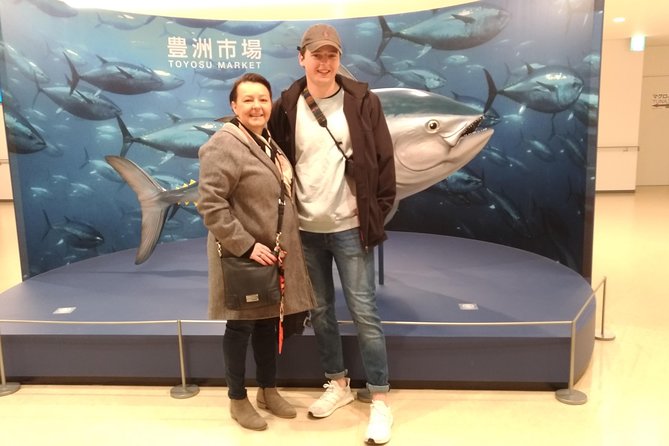
If you’ve ever walked into a market and felt your brain go blank, this is the fix. Toyosu and Tsukiji are both famous, but they’re also different animals. Toyosu is the newer, wholesale-focused market on a man-made island that opened October 11, 2018, taking over the wholesale role from the older Tsukiji operation. Tsukiji, meanwhile, still feels like the heart of seafood in Tokyo, with the famous outer-market lanes where you can look, smell, and snack.
The real value here is the guide. This isn’t just a “here’s where the shops are” stroll. You’ll be with a licensed local who helps you read what you’re seeing, where to stand to understand what’s going on, and how to move without spending your entire morning lost.
In the reviews, I noticed a strong pattern: the guides bring structure and calm. People repeatedly mentioned feeling stress-free and well looked after, especially with orientation and recommendations. Some guide names that came up again and again include Toyo, Suzuki, Koji, Mina, and Show, and the common thread is practical guidance, not just facts.
You can also read our reviews of more food & drink experiences in Tokyo

Price and timing, and whether it’s “good value”
At $109.01 per person for a tour of about 4 hours, you’re paying for two things: access to a well-prepared guide and the time-saving benefit of doing both markets back to back. For a place like Tsukiji, getting your bearings matters. The market layout is not intuitive if you’re doing it alone, and the most interesting food stops often depend on what’s open that day.
Also, this tour is popular enough that it’s typically booked around 39 days in advance on average. That’s a hint that most people prefer to lock in a guided slot early in their planning.
Now, a careful note on what you’re not paying for: transportation fees, entrance fees, and food and drink are not included. Toyosu also specifically lists an admission ticket as not included. That doesn’t make the tour “bad value,” but it does mean you should budget a little extra for metro rides and any market snacks you want to buy.
Stop 1: Toyosu Market, new wholesale ground rules
Toyosu Market is your first stop, and it’s where the tour earns its “new vs old” contrast. Toyosu is described as opening on October 11, 2018 on a man-made island in Tokyo Bay, and it took over the wholesale business from the older Tsukiji market.
You’ll spend about 1 hour here. Admission is not included, so plan on paying the Toyosu entry fee if applicable. Based on how the tour is presented, your time is meant for orientation and the big picture of how a wholesale market works, not a long sit-down museum visit.
What to expect at Toyosu
You can expect:
- A wholesale atmosphere, where movement and picking the right spots matters
- Market sights that help explain the modern system behind Tokyo seafood
- A chance to understand where auctions happen and how that process fits into supply
A drawback to factor in
One review noted that the “new food market” didn’t have much to see when the group arrived around noon, because some stalls were closed. That’s not unusual with markets, so the practical takeaway is simple: don’t count on a full snack-and-shop spree at Toyosu. Think of Toyosu as the place for understanding and structure, and lean on Tsukiji for more retail energy.
More Tokyo tours and experiences for the shortlist


Stop 2: Tsukiji Fish Market, where the lanes make sense with help
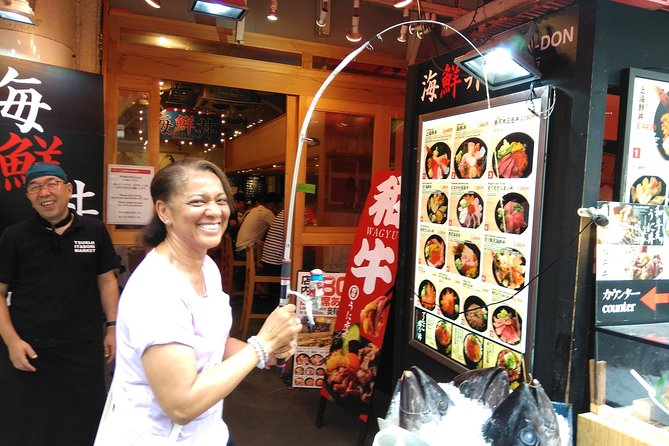
Tsukiji is the headline. The tour spends about 2 hours in Tsukiji, and the admission is listed as free. You’ll meet your guide at Tsukiji Honganji Temple, just outside the market’s main gate, in the morning.
This is where having a guide changes everything. Tsukiji can feel like a sea of stalls, sounds, and signage. Even if you know what you want to eat, you still need to understand how the market flows and where the better options are for quick tasting and good shopping.
The Tsukiji orientation you’ll actually use
The guide helps you:
- Navigate the market’s maze-like layout
- Learn how the market works and what you’re seeing
- Find food vendors and places that match what your group wants
In reviews, people highlighted that guides did more than point at booths. They helped with choosing the right stalls and, importantly, sometimes guided groups toward spots that weren’t the most touristed. That tends to create a better experience because you’re not spending your time circling the same handful of shops.
Stop 3: Namiyoke Inari Shrine, waves and reclaimed land
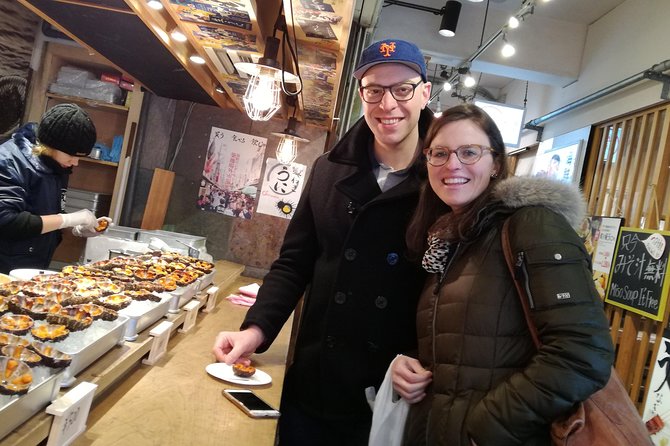
Right after the market time starts to settle into a rhythm, you’ll step out for a short cultural reset: Namiyoke Inari Shrine. It’s a 15-minute stop with free admission.
The tour description frames it as a shrine meant to keep away waves from the land that was reclaimed from the sea. That’s the kind of detail that makes Tsukiji feel bigger than seafood. You start connecting the geography, the history, and the modern market all as one story.
This stop is small but useful. It gives your legs a chance to cool down and helps you understand why shrines are woven into everyday Japanese city life, even in places with a modern commercial identity.
Stop 4: Tsukiji Hongwanji Temple, Buddhism in the middle of commerce
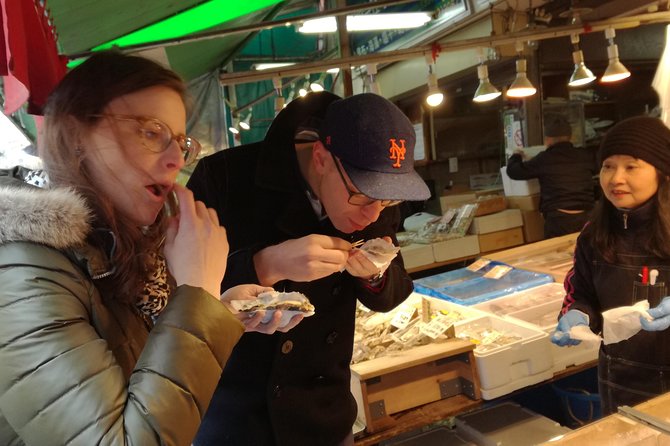
Next is Tsukiji Hongwanji Temple, another free stop, roughly 30 minutes. It’s included because the market isn’t only about fish. It sits in a city system where religions and rituals have long shaped daily life.
The tour notes that Buddhism has a long history across Japan, and that this temple is known for its unique construction. Even if you’re not doing a deep dive into architecture, this stop helps you read Tsukiji as a neighborhood, not only a tourist attraction.
Getting between markets: why public transit is part of the plan
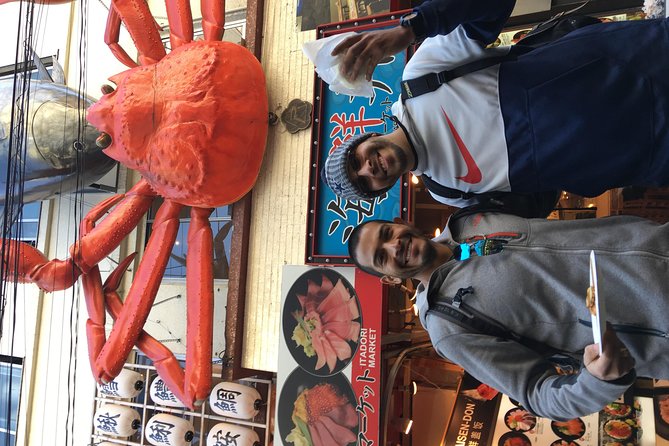
This is a walking tour, and you should expect to be on foot. The listing states:
- Pickup/drop-off is on foot
- You’ll meet the guide on foot within a designated area of Tokyo
Between Toyosu and Tsukiji, the tour says travel is organized by your guide using public transport, and transportation fees are extra. That matters for two reasons.
1) You’ll want a smooth connection, not a guessing game with train lines
2) Your total “4 hours approx.” depends on real transit time, so wear shoes you trust
Some reviews also show that guides often help with practical hurdles, like getting an IC card set up or recharged. That’s not guaranteed by the base info, but it’s consistent with the kind of support people reported, especially when the train system felt intimidating.
Food and drinks: how to plan so you actually eat
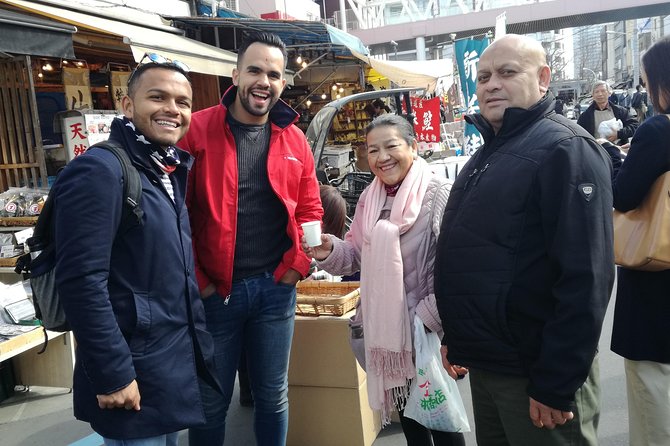
The tour itself does not list any food as included. Transportation and entrance fees are extra, and food and drink are not included. Still, this is a market tour, so eating is part of the point.
You have two realistic options:
- Grab quick bites inside the markets while you’re moving through Tsukiji
- Or stay after the tour and eat breakfast or lunch on your own expense, which the tour specifically encourages
My practical advice
- Bring cash. Multiple reviews emphasized taking cash, and one even called out wagyu specifically. Markets often run on a mix of payment methods, and cash keeps you flexible.
- Decide early what you want to buy or try. With limited time, it’s better to pick 1 or 2 “must tries” than chase everything.
- If you want a bigger meal, plan it after you finish the market portion, so you’re not stuck stopping mid-flow.
The guide factor: what consistently made the experience rate so high
This tour has a 4.8 rating and 94% recommended in the feedback. The praise is very concentrated around one theme: guides made the tour feel easy.
Across the reviews, I saw these stand out:
- People felt stress-free and well organized
- Guides shared history in a way that made the market feel understandable
- Guides tailored the route to what the group wanted, including adding cultural stops
- Guides were patient in crowds and helpful with food choices
Names that popped up in strong form include:
- Toyo (mentioned as excellent, meeting people and tailoring the tour)
- Suzuki (praised for knowledge and friendly guidance at Tsukiji)
- Koji (praised for mixing history, route planning, and restaurant tips)
- Mina and Mami (praised for making the experience feel like walking with an old friend, plus food guidance)
- Show and Hiro (praised for detailed, helpful explanations)
Even with different guide styles, the same outcome shows up: you leave with better context and fewer regrets about where you spent your time.
Who should book this tour, and who might skip it
This tour is a strong match if:
- You want both Toyosu and Tsukiji in one morning block
- You’d rather have a plan than figure out market navigation solo
- You like food culture, but you also want the cultural anchors from shrines and temples
- You’re traveling with family and need a calmer structure (some reviews mention families customizing what they wanted to see)
It might not be your best fit if:
- You’re specifically chasing the tuna auction. This tour is explicitly not the tuna auction tour. If that’s your priority, you’ll want a tuna auction-focused option instead.
- You don’t like walking. It’s a walking tour and you should expect a good amount of foot travel plus transit time.
- You want “everything is included.” Entrance fees at Toyosu are not included, transportation is extra, and food is extra.
Should you book this Tsukiji and Toyosu market tour?
I think you should book if you’re doing your first or second Tokyo trip and you want maximum return for half a day. The combo of Toyosu’s modern wholesale role and Tsukiji’s classic market texture, guided by someone licensed and local, is exactly the kind of time-efficient experience that makes a market visit feel fair and rewarding.
Skip or rethink it if your main goal is the live tuna auction, or if you hate walking and don’t want to handle the added costs for transit and Toyosu entry. And if you’re hoping for a big food festival at Toyosu, set expectations that timing affects what’s open.
If you’re okay with a practical, guided market morning plus a couple of cultural stops, this one is a very solid value buy at $109.01 per person.
More Food Experiences in Tokyo
More Food & Drink Experiences in Tokyo
More Tour Reviews in Tokyo


Not for you? Here's more nearby things to do in Tokyo we have reviewed
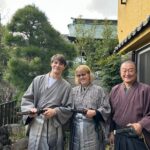

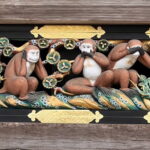



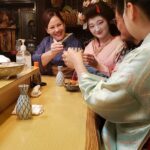
Tsukiji Market Tours, side by side.
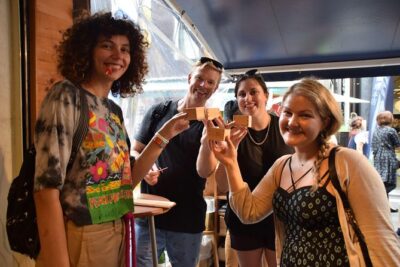 ★ 5.0Tokyo Tsukiji Fish Market Food and Culture Walking TourFrom $993,184 reviews
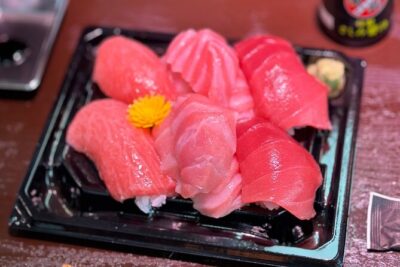 ★ 5.0Tsukiji Fish Market Food and Walking tourFrom $301,724 reviews
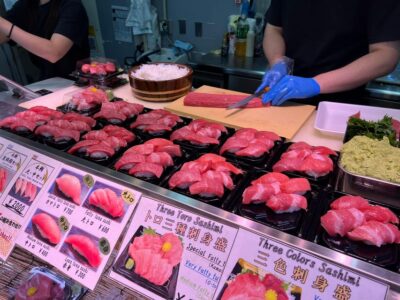 ★ 4.9Tsukiji Fish Market Guided Walking TourFrom $221,397 reviews
 ★ 5.0Tokyo Sushi Making Class in Tsukiji with Professional ChefFrom $491,177 reviews
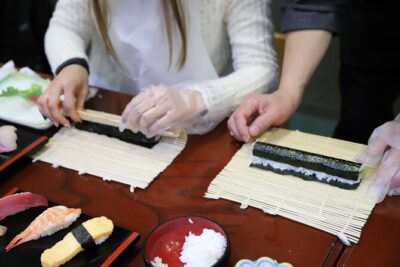 ★ 5.0Tsukiji Fish Market Guided Tour and Sushi Making with Pro ChefFrom $104775 reviews
★ 4.7Tsukiji Fish Market Food and Culture Walking TourFrom $96757 reviews
★ 5.0Tsukiji Fish Market Guided Tour and Sushi Making with Pro ChefFrom $104775 reviews
★ 4.7Tsukiji Fish Market Food and Culture Walking TourFrom $96757 reviews
 ★ 5.0Tsukiji Fish Market: Street Food & Culture Walking TourFrom $33669 reviews
 ★ 5.0Tsukiji Fish Market Small-Group Food Walking TourFrom $87621 reviews
This tour also belongs to