
Review · WORKSHOPS
Mini Origami Lamp and Mizuhiki knot Belt Workshop in Ueno
Paper crafts, warm light, and a belt knot. In Ueno, I like that you get a real, hands-on build of a traditional origami lamp plus a mizuhiki knot ornament, not just a demo to watch. It is the kind of activity where the instructions stay practical and the materials do the heavy lifting.
The second thing I like is the meaning behind what you make. You learn that each mizuhiki knot carries a message, which makes your finished ornament feel more than a souvenir. One consideration: this workshop uses detailed skills and fine folding and gluing, so it is not suitable for children under 10.
Key things to know before you fold and tie
- You make two take-home items: a bellows-style washi lamp and a mizuhiki belt ornament.
- Mizuhiki is more than decoration: you learn what the knot meanings are used for.
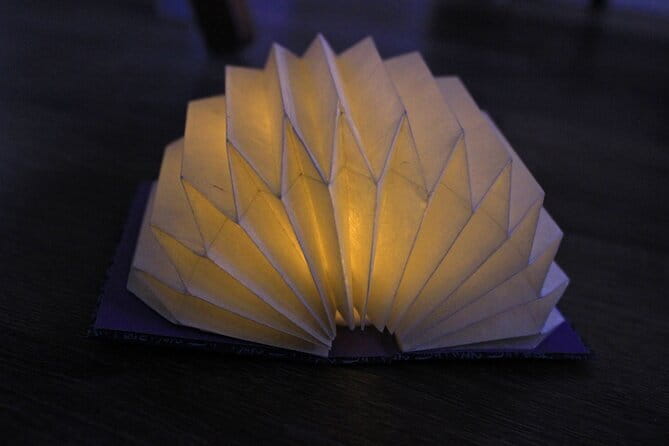
- Your lamp uses a gentle warm glow: insert the lamp inside the folded washi structure.
- You get washi tea plus sweets at the end, including Japanese paper tea.
- Expect a supportive, step-by-step setup with all materials provided.
A 150-minute washi paper craft session in Ueno
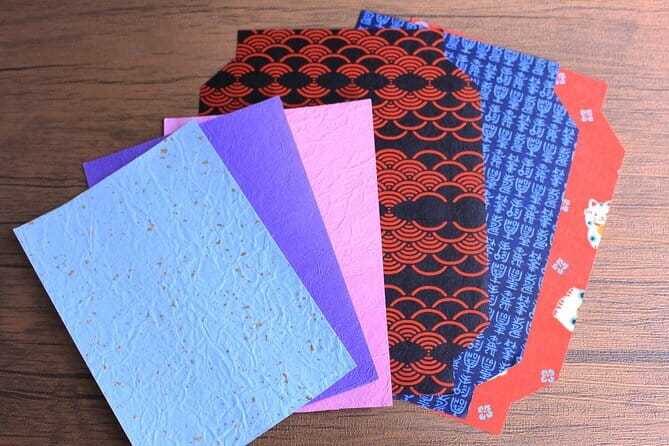
This is a focused workshop built around one goal, make something that looks like it belongs in a Japanese home. You start with washi paper basics and end with a finished origami lamp that produces a soft, warm light. Along the way, you also create a mizuhiki ornament to wear or attach to a belt.
The length matters. At 150 minutes, you have enough time to actually learn the steps, not just rush through them. The session is private group, so you are not stuck competing for attention while glue cools and folds need to be exact.
More Tokyo tours and experiences for the shortlist



What you create: origami lamp folds plus a mizuhiki belt knot
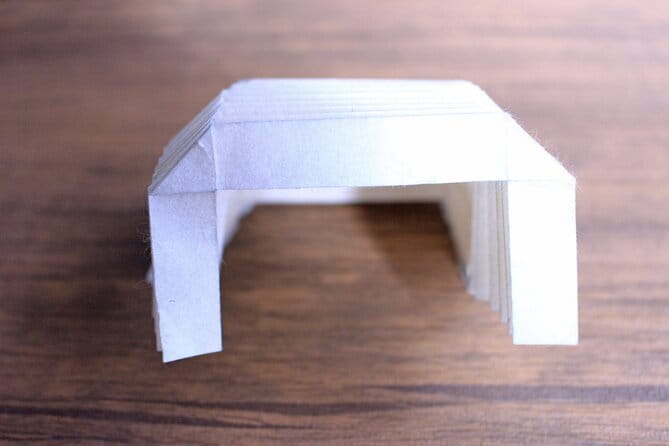
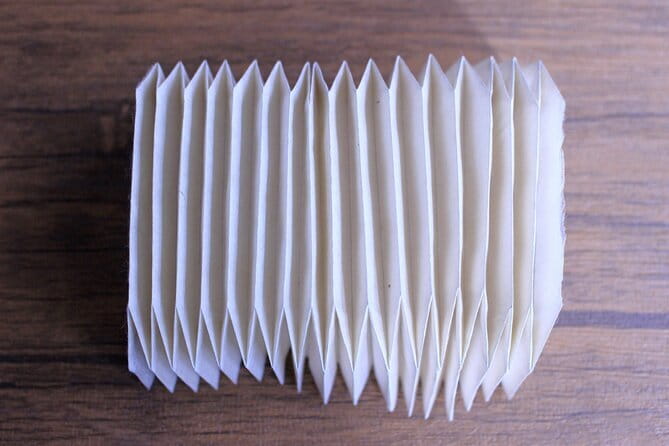
The center piece is the origami lamp. The design starts with folding and gluing several sheets of handmade washi paper into a bellows-like shape. Think of it like a small paper structure that expands and contracts through careful folds, then locks into place once the glue sets.
Once that paper body is ready, you insert a small lamp inside. When you close the bellows shape, the outside looks like a closed book. It is a clever visual trick, and it makes the final piece feel intentional rather than random craft-store paper.
The second item is the mizuhiki knot ornament for a belt. Mizuhiki is traditional paper cord made with a core of twisted washi paper, wrapped by nylon or film. It is decorative and sturdy, and the knot work is where you learn how the Japanese tradition turns paper into meaningful form.
How the workshop runs, washi basics to finished lamp light
You begin with an overview of washi paper, usually using a guide document. Even if you have folded paper before, you will likely notice washi behaves differently than typical craft paper. It can be lighter, and it can also be forgiving in some ways, but it still asks for patience when you glue and shape the folds.
Next comes the bellows-like construction. You fold in stages, glue where needed, and keep the structure aligned so it behaves the way the lamp requires. This is not a speed activity. The workshop is built for careful hand movements, and that is exactly why the final lamp looks neat.
Then you reach the part that feels like the payoff, turning the paper sculpture into a working light. The workshop has you insert the small lamp so the folded paper creates a gentle glow. When you close the bellows into the closed-book look, you get that satisfying moment where the shape finally matches the vision.
Alongside the lamp process, you also work on the mizuhiki knot ornament. The goal is not just to tie a knot, but to understand the logic behind the knot. That is why the session spends time explaining uses and meanings, so you end up with an ornament that makes sense in a gift context.
Mizuhiki knot meanings that make gifts feel personal
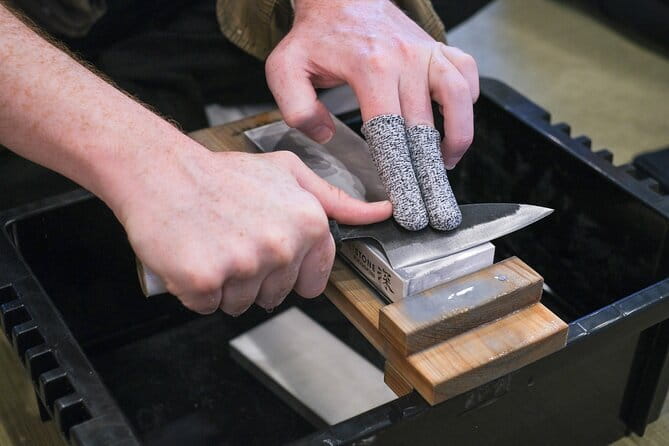
Mizuhiki is one of those Japanese traditions that can seem fussy until you understand the why. Each knot has a meaning, and you learn those meanings during the workshop. That matters because it connects craft to culture, and it gives your finished knot a role.
You also learn how mizuhiki is used, not only how to tie it. When you know what a knot represents, you can choose an ornament that fits the message you want to send. It makes the craft more usable, especially if you plan to bring it to someone back home.
If you like the idea of giving small gifts but hate writing complicated notes, this is a good workaround. The knot becomes the message. It is subtle, thoughtful, and unmistakably Japanese without turning into a gimmick.
Tea and sweets made with washi paper, the calm finish
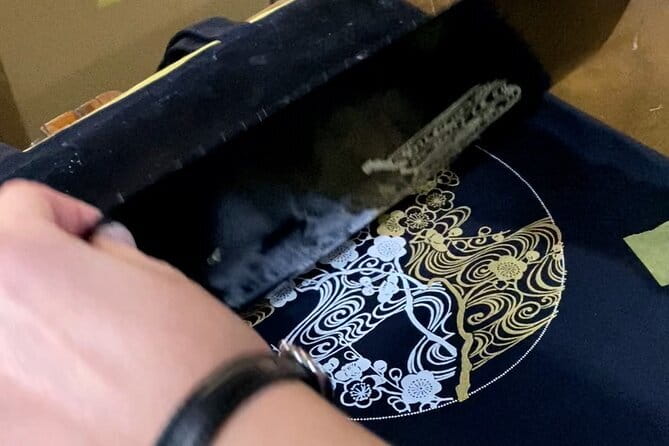
Near the end, you get Japanese sweets and Japanese paper tea. The tea is made with washi paper, and the workshop notes that this Japanese paper tea is not offered elsewhere. Even if you are not a tea fanatic, it adds a real cultural closure to the session.
The pace at the end is usually relaxed rather than rushed. One review highlighted that snacks and tea arrive toward the end and were very good. I like workshops that save a treat for the moment your hands finally stop moving. It gives you time to look closely at what you made, then enjoy the ritual that comes after.
If you are the type who gets restless in long classes, this ending helps. You finish the craft, then you get a breather while still staying in theme.






Price and value: why $106 makes sense here
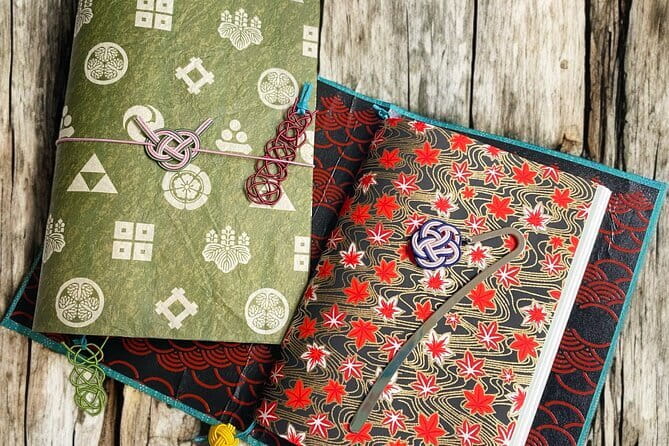
At $106 per person for 150 minutes, you are paying for more than a craft lesson. You are paying for the structure, the guidance, and the materials, including what you need to make both the origami lamp and the mizuhiki knot ornament.
You also get included refreshments: Japanese sweets and Japanese paper tea, plus a guide document for washi paper basics. That all matters for value. Many craft activities charge a similar amount but then make you buy the extra supplies or skip the themed experience.
The private group format can also change the value. With less time wasted, you tend to leave with a finished item, not a half-done project you have to fix later. And since you take home the lamp and knot, you are not just buying instruction, you are buying something you can display and use.
Who this workshop fits best, and who should skip it
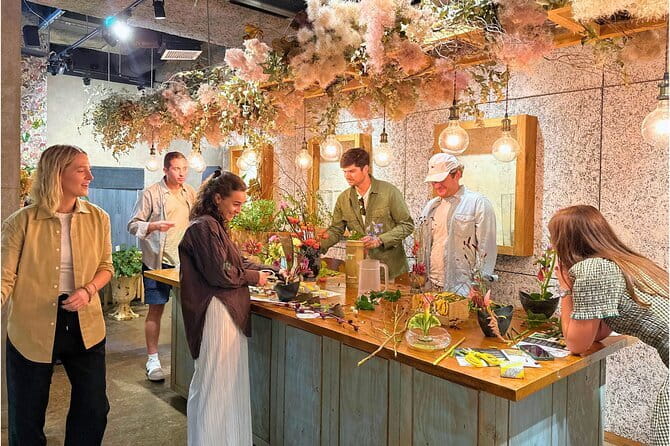
This is not a family drop-in. The workshop requires detailed skills and is not suitable for young children, with an explicit note that it is not for kids under 10. If you have a child who is steady with fine motor tasks and enjoys careful building, you might still want to think twice, because the instruction level is geared toward precision.
It is a great fit for adults and older teens who like craft with a cultural angle. If you enjoy origami-style folding, paper crafts, or traditions where small choices carry meaning, you will likely feel at home.
It is also ideal if you want a take-home item that feels personal. The lamp is visually striking, and the mizuhiki ornament carries meaning. Together, they make a souvenir that is worth the space in your luggage.
Practical tips so you enjoy the fine folding part
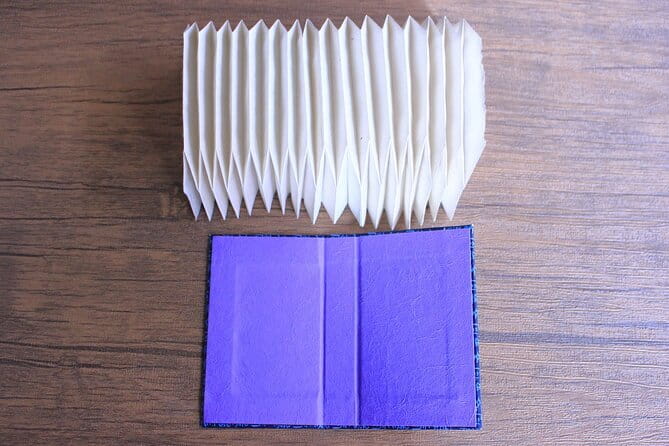
Come in with the right expectations. This is detailed work with folding and gluing, so plan for slow, steady progress rather than instant results. The more you treat it like a quiet focus session, the more fun it becomes.
Wear something comfortable. Your hands will be working close together, and you will want to move without fuss. Also, keep in mind that washi paper is light, but it still needs clean handling so folds stay crisp.
Bring curiosity for the cultural part. The knot meanings and uses are not random facts. They explain why people tie mizuhiki in the first place, and that context makes the craft feel purposeful.
Finally, be ready for a friendly atmosphere. One review mentioned a mascot cat being present during the workshop. If it shows up, it will likely just add a cheerful pause without interrupting the craft flow.
Should you book the Mini Origami Lamp and Mizuhiki knot workshop?
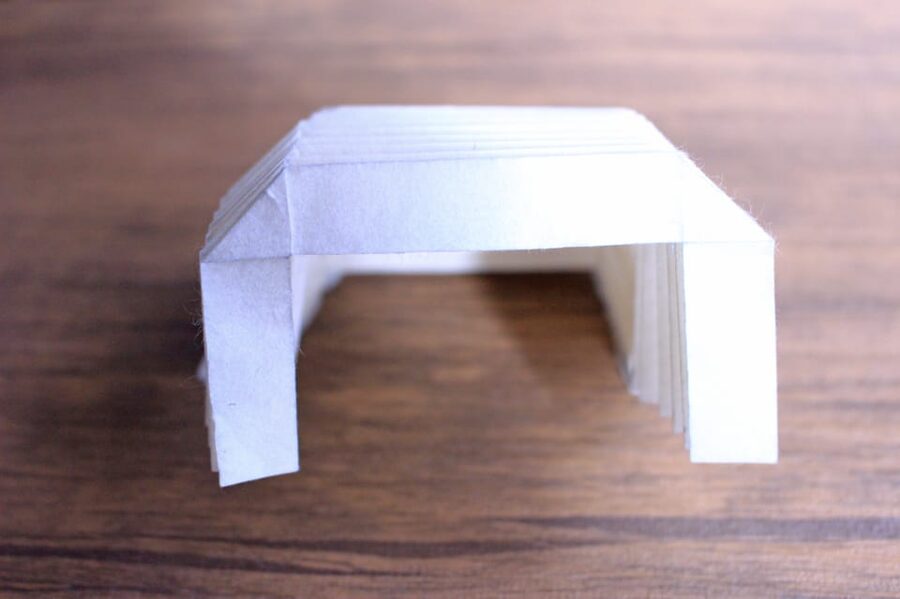
Book it if you want a workshop with real craft payoff. You leave with a lamp that glows softly and a mizuhiki knot ornament tied to tradition and gift meanings. The included washi tea and sweets are not an afterthought, they close the experience in theme.
Skip it if you are looking for something kid-friendly or super fast. The session requires detailed skills and is specifically not suitable for children under 10. If you want a family alternative, the workshop itself points you toward a different option focused on paper lasting for 1,000 years.
If you are in Tokyo and you want one activity that blends handmade materials, careful technique, and Japanese meaning you can explain at home, this one is a strong pick. It is the kind of souvenir that makes people ask, how did you make that?
FAQ
Where does the workshop take place?
It takes place in Ueno, Honshu, Japan.
How long is the workshop?
The duration is 150 minutes.
What is the price per person?
The price is $106 per person.
What will I make during the workshop?
You will make a traditional Japanese origami lamp using handmade washi paper, and you will also create a mizuhiki knot ornament for a belt.
What is mizuhiki?
Mizuhiki is traditional paper cord made with a core of twisted washi paper, wrapped by nylon or film, and used for decorative knotting.
Will I learn the meaning of the mizuhiki knots?
Yes. The workshop explains that each knot has meanings and discusses how the knots are used.
What is included in the price?
Japanese sweets, Japanese paper tea, a guide document on washi paper basics, and all materials needed to create the origami lamp and the mizuhiki knot ornament.
Who teaches the workshop, and what languages are used?
The instructor teaches in Japanese and English.
Is it suitable for children?
No. The workshop requires detailed skills and is not suitable for children under 10.
What is the cancellation and payment option?
You can cancel up to 24 hours in advance for a full refund. You can reserve now and pay later.
More Workshops & Classes in Tokyo

More Tour Reviews in Tokyo
Not for you? Here's more nearby things to do in Tokyo we have reviewed












Workshops, side by side.
 ★ 5.0Sushi Making Tokyo Roll and Authentic Japanese Sushi ClassFrom $593,971 reviews
 ★ 4.9Roll and Authentic Sushi Making Class in AsakusaFrom $581,957 reviews
 ★ 5.0Tokyo Shinjuku Chopsticks Making ClassFrom $201,763 reviews
 ★ 4.9Sushi Making Class in a Happi Coat near a Famous SpotFrom $421,377 reviews
 ★ 4.8Chopstick Making Workshop in GinzaFrom $251,366 reviews
 ★ 5.0Tokyo Sushi Making Class in Tsukiji with Professional ChefFrom $491,177 reviews
 ★ 5.0Ramen & Gyoza Cooking Class in Tokyo with Local Supermarket VisitFrom $122823 reviews
 ★ 5.0Matcha Making Class in Tokyo with Authentic Japanese Sweets SetFrom $21744 reviews
This tour also belongs to