
Review · KAMAKURA DAY TRIPS
Yokohama/Kamakura Private Tour by Car- English speaking Driver
Kamakura and Yokohama, all in one easy day. I love how this private tour mixes iconic sights with practical pacing, and you get the stress off your plate thanks to hotel pickup and an English-speaking driver. The big win for me is that you can take photos and move at a relaxed rhythm, not the frantic pace of a bus day. One drawback to factor in is that temple and garden admission fees are not included, so your final spend will depend on where you choose to go inside.
You’ll spend about 8 to 10 hours with a private air-conditioned vehicle, moving between Yokohama’s seaside modern district and Kamakura’s temple lanes. The itinerary leans classic: Yokohama Chinatown and Minato Mirai for variety, then the Kamakura temples for those famous bronze and stone moments. If you run late past the 10-hour mark, there’s an overtime charge of 5,000 JPY per hour, so it helps to build a little slack into your day.
Key things I’d plan around
- Hotel pickup + private car means less Tokyo navigation and fewer transfer hassles
- English-speaking driver adds context while you ride, so stops feel more meaningful
- Photo stops without rushing keeps your day calm, even when people get excited
- Chinatown and Minato Mirai are free entries, which helps control costs
- Kamakura temples are the ticket spenders (admissions not included), so budget ahead
A Private Car Between Yokohama and Kamakura
This tour is built for comfort and efficiency: you’re in a private air-conditioned vehicle, with pickup offered, and you’re not juggling trains, stations, and timed connections. For me, that matters on a day like this because you’re packing in two distinct areas with very different vibes. You want time to look, not time to figure out how to get there.
The format is also nice for couples, small families, and friend groups up to four. You can ask your driver for adjustments as the day goes on, and the best part is that the day stays organized. This is the kind of plan where your guide handles driving and timing, so you can focus on walking, photos, and food.
You’ll also get a mobile ticket. That sounds minor, but it usually means fewer last-minute headaches once you’re out in the city.
Where this setup can fall short is simple: if you’re the type who likes to linger well beyond the planned time at each stop, your day might run into that overtime fee after 10 hours. If you keep a realistic pace, it stays smooth.
You can also read our reviews of more private tours in Tokyo
Yokohama Chinatown: Street Food Energy, In an Organized Hour
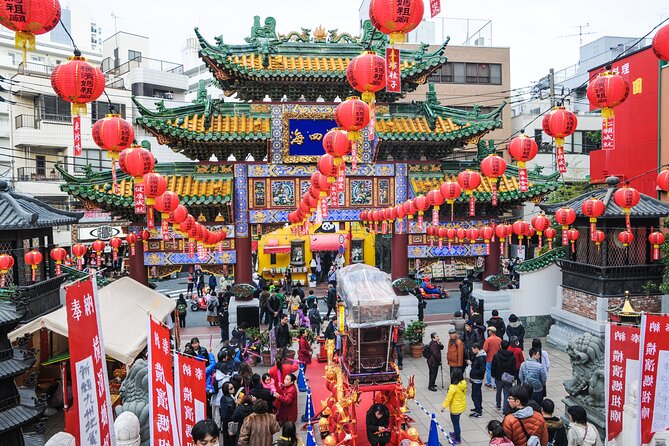
Your first real flavor hit is Yokohama Chinatown. It’s described as Japan’s largest Chinatown, with more than 600 shops spread across a big area, and that scale is exactly why an hour works well here. You get enough time to wander, snack, and get that lively street scene without turning it into a half-day project.
What I like about Chinatown in this kind of day tour is that it’s a break from temple sightseeing. Kamakura later will be calm, stone, and quiet. Chinatown gives you color, motion, and the chance to try Chinese foods that feel totally at home in Yokohama.
You don’t need a perfect strategy, but I’d do two things when you arrive. First, pick one or two areas to walk deeply rather than trying to see everything. Second, plan for a relaxed snack stop rather than a sit-down meal unless you’re confident you’ll find what you want fast.
The good news is that Chinatown’s stop time includes a free entry, so you’re not adding costs just to enter the area. Still, your spending will depend on what you eat and what you feel like buying.
A small practical note: the streets can feel crowded, so comfortable shoes help. Also, if you want photos, look for side lanes and doorways where you can step away from the main flow.
Minato Mirai 21: Modern Harbor Views Without a Ticket
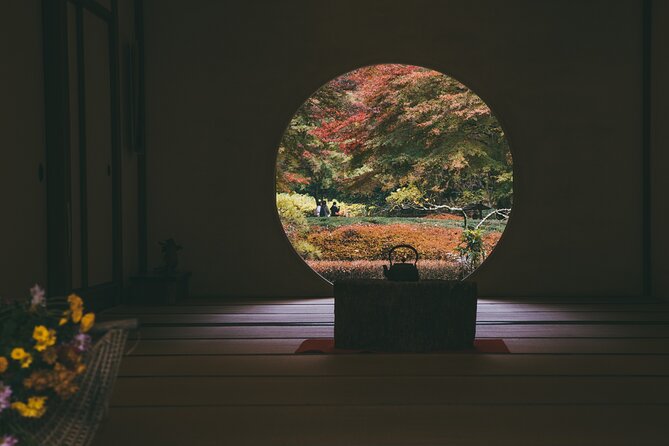
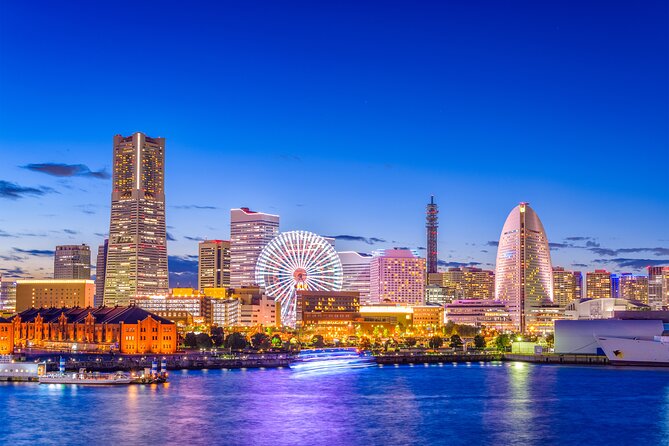
After Chinatown’s bustle, Minato Mirai 21 shifts you into Yokohama’s seaside modern district. The name itself points toward the harbor of the future vibe, with big high-rises like Landmark Tower shaping the skyline.
This stop is timed at about an hour, and that’s enough for a scenic walk and a few classic viewpoint photos. If you like urban views, you’ll feel satisfied without feeling trapped in a shopping-only loop. And since the entry is free, it’s a low-cost way to add variety to the day.
What makes this stop useful, beyond the scenery, is the pacing contrast. You’re moving from food streets to views over water, and then on to gardens and temples later. That keeps the day from becoming one long repeat of the same type of attraction.
Here’s how I’d enjoy it. Start near the main harbor area for skyline photos, then walk a little farther to find calmer sections where you can actually breathe and take pictures without people constantly passing right in front of you.
If you’re traveling with someone who gets museum fatigue, Minato Mirai is a nice balance. It’s visual, open-air, and easy to enjoy at your own speed.
Sankeien Gardens: Traditional Grounds With a Big Walking Feel
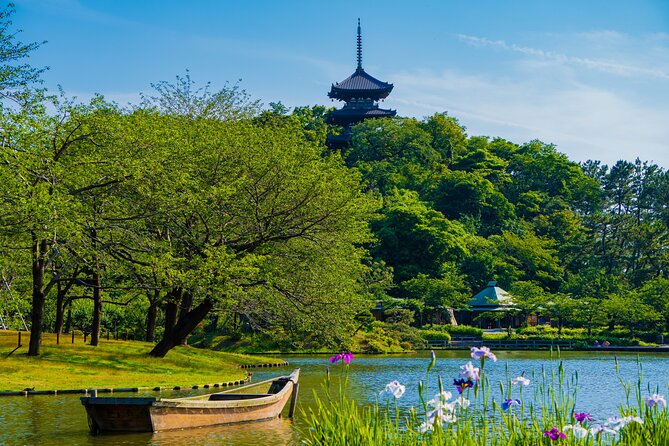
Sankeien Gardens is where the day turns greener and slower. The garden area is huge, over 175,000 square meters, and it’s known for seasonal beauty. It also includes historical houses and buildings that have cultural recognition, which is part of why this stop is such a good “pause” between city and temple.
You’ll have about an hour here, and that’s the key thing to know. A garden of this size can swallow more time than you expect, so your driver can help by suggesting a route that fits the time you have. This is also a stop where a relaxed pace pays off, because you’re looking at architecture, ponds, stone paths, and small details.
One caution: admission is not included. So if you’re trying to control your budget, treat Sankeien as one of the places where you decide how committed you are to garden time.
What I’d do during your hour is focus on the most scenic walk segments and the historical buildings rather than trying to see every corner. If your group likes photos, this is one of the best places to spend camera time because the setting is naturally layered.
You’ll feel the shift here toward classic Japan, and then you’ll continue into Kamakura where the temples do the heavy lifting.
Hasedera Temple: The Kannon Statue and Peaceful Temple Grounds
Hasedera Temple is one of Kamakura’s most famous stops, and it’s timed at about an hour. The temple is said to have been established in the eighth century, and it’s home to a giant statue of the Kannon, the goddess of mercy.
That giant statue is the headline, but what you’ll actually experience is the grounds and the garden atmosphere. The temple garden is mentioned as a delight, which matters because Hasedera works as more than a single photo point. You can stroll, look around, and enjoy the slower pace.
Admission is not included here, so plan your budget with that in mind. It also means you’re more likely to spend wisely once you’re inside, because you already paid to enter.
If you want the best experience at this stop, keep your expectations realistic. This is not a quick look and go. It’s a walk through temple space where you’ll appreciate the scale and the quiet. If you rush, you’ll miss what makes it relaxing.
A detail I find reassuring from real day-to-day experiences is how well a good guide can set expectations before you arrive. A guide can tell you where to head first so you don’t waste the first few minutes wandering in the wrong direction.
More Tokyo tours and experiences for the shortlist

Kotoku-in Great Buddha: Big, Famous, and Worth the Time
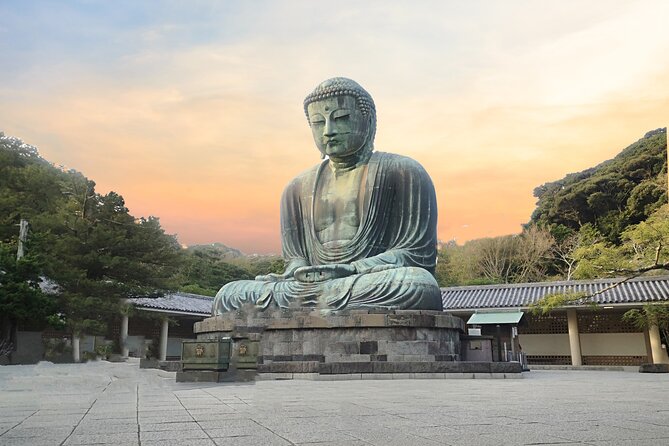
Kotoku-in is where Kamakura’s signature moment lands: the Great Buddha of Kamakura. This bronze statue is described as a national treasure, about 37 feet high and weighing around 121 tons, and it’s identified as the principal image of Amitabha Buddha.
This stop runs about two hours, which is longer than the earlier stops. That extra time makes sense. People want photos, but more importantly, you want the chance to walk around and see it from different angles. A statue this large can feel almost unreal until you stand there and get your bearings.
Admission is not included, so again, budget matters. But in terms of value, this is the kind of “I’ll remember this” place where the ticket cost feels easier to justify. It’s the anchor stop in the Kamakura temple sequence.
If you’re traveling with kids, this is usually the easiest sell. It’s simple and visual. If you’re traveling with older adults, the two-hour block gives room to move without feeling like you’re speed-running.
Photo-wise, this is a stop where you’ll want to step back from the main crowd moments. Ask your driver for a low-hassle route for photos, especially if you want shots without too many heads in the frame.
Hokoku-ji Temple: Jasmine and a Peaceful Hillside Walk
Hokoku-ji is timed at about two hours and is described as one of the best spots in Kamakura for a peaceful walk. It was founded in 1334, and it sits in hills east of the city, which helps explain why it can feel like a different world from the busy streets you visited earlier.
The senses piece matters here: the grounds are described in connection with jasmine and cherry trees. Even if the season isn’t perfect, you’ll still feel the intention behind the place, the idea that you’re supposed to slow down and move carefully.
Admission is not included for this stop, so treat it as part of the Kamakura cost package.
This is also the stop where I think a good driver makes the day better in a quiet way. When guides share what to expect and how to pace the walking, your time at Hokoku-ji feels intentional rather than like you’re just following a line on a map.
If you like temples that feel less about crowds and more about atmosphere, this is the one to savor. Take your time with the path, and don’t feel you need to rush back to the car at the first opportunity.
Guides and Real Day Support: What Makes It Feel Easy
One of the strongest signals about this tour is how often guests mention the human part, not just the route. Names show up repeatedly: guides like Utah, Wendell, Ali, Kibo, Tibo, and Jeffrey are described as warm, fluent in English, punctual, and attentive to what the group wants.
That shows up in small ways that matter. For example, Ali is described as giving detailed overviews of what to expect, and Jeffrey is praised for picking people up on time in a clean, comfortable car. Utah is described as English fluent and making the day feel joyful and learning-focused, with the driver making sure the itinerary still works even if the start time shifts.
There’s also a practical food angle. One group noted that Kibo tailored the tour around what they wanted, and that it included a restaurant choice for udon lunch. That’s a real perk because temple days can make meal planning feel like an afterthought. Here, you get help making it fit your interests and timing.
So while this is a private car tour, it’s also more like a guided day. You’re not just transported. You’re guided through decisions, pacing, and context.
Price and Logistics: Is $470.31 Per Group Good Value?
The price is $470.31 per group, up to four people, for about 8 to 10 hours. That structure matters. With a private car and an English-speaking driver, the cost often works out better when you split it among a small group. If you’re traveling solo, it can feel steep compared to trains, but you’re paying for convenience, time, and a calmer day.
What’s included helps the value story. You get the private driver, the air-conditioned vehicle, fuel surcharge, parking fees, and toll fees. Those are the hidden annoyances that usually pile up when you DIY transportation.
What’s not included is admission/entrance fees at destinations. Chinatown and Minato Mirai are described as free entry, but Sankeien, Hasedera, Kotoku-in, and Hokoku-ji are not. That’s not a dealbreaker, but it’s the part you should budget for, or you might feel surprised later.
There’s also overtime: 5,000 JPY per hour after 10 hours. That’s rare if you stick to the planned rhythm, but it’s the main reason I’d keep your expectations grounded. This is a packed day with six planned stops, so build a little flexibility in your head, not just your calendar.
If you want an easy, English-supported day that swaps train transfers for car comfort, this is strong value. If your budget is tight and you’re comfortable navigating on your own, you may prefer a cheaper public-transport approach. This one is for people who want the day to run smoothly.
Who This Tour Fits Best, and Who Should Skip It
This tour is a great match if you want classic sights without logistical stress. It fits couples, small groups, and families who want a private day built around Kamakura’s temple icons and Yokohama’s city contrast. If your group values English narration and pacing control, you’ll likely feel more confident walking through each stop.
It’s also ideal for visitors who don’t want to spend time figuring out transit between Tokyo, Yokohama, and Kamakura. The private vehicle setup is the whole point.
Where you might not love it is if you want lots of extra unplanned time at every stop, or if you prefer free-flow wandering with no set structure. With a fixed itinerary and admission fees at multiple stops, you’ll have less flexibility than an all-day self-guided plan.
Should You Book This Yokohama and Kamakura Private Car Tour?
Yes, if you want a smooth day with a private car, English support, and a well-paced mix of Yokohama and Kamakura. This itinerary has a smart flow, Chinatown and Minato Mirai give you variety before the day slows into gardens and major temple moments like Kotoku-in. The strong reviews pattern also points to helpful, punctual drivers who adjust to your interests, including food choices like an udon lunch.
You should think twice if you’re extremely budget-sensitive, because admissions at several key stops are not included and overtime can add cost if your day runs long. But if you’re okay budgeting for entry fees and you’d rather pay for convenience, this is the kind of day that feels worth it because you spend it seeing, not sorting out transportation.
FAQ
How many people can join this private tour?
The tour price is per group, and it’s listed as up to 4 people.
How long is the Yokohama and Kamakura private tour?
The duration is approximately 8 to 10 hours.
What’s included in the price?
Included items are a private English speaking driver, a private air-conditioned vehicle, fuel surcharge, parking fees, and toll fees. Admission fees are not included.
Which stops are free to enter?
Yokohama Chinatown and Yokohama Minato Mirai 21 are listed as free admission.
Are there extra charges if the tour runs long?
Yes. You are charged 5,000 JPY per hour of overtime after 10 hours.
What if the weather is bad?
This experience requires good weather. If it is canceled due to poor weather, you’ll be offered a different date or a full refund.
More Private Tours in Tokyo
More Tours in Tokyo




More Tour Reviews in Tokyo


Not for you? Here's more nearby things to do in Tokyo we have reviewed












Kamakura Day Trips, side by side.
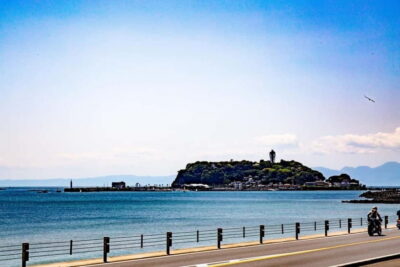 ★ 4.5Kamakura & Enoshima Day Trip including Temple TicketsFrom $581,375 reviews
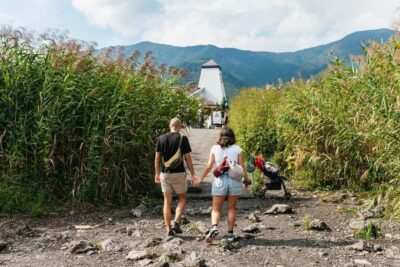 ★ 4.5Mt. Fuji, Kamakura, Big Buddha, & Lake Ashi Day TripFrom $49867 reviews
 ★ 4.5From Tokyo: Kamakura & Enoshima 1-Day Bus TourFrom $66189 reviews
 ★ 5.0Kamakura Historical Walking Tour with the Great BuddhaFrom $98129 reviews
 ★ 5.0Kamakura Private Tour: Temples, Nature, and the Great BuddhaFrom $98121 reviews
 ★ 5.0Kamakura Walking Tour – The City of ShogunFrom $35100 reviews
 ★ 5.0Kamakura 8 hr Private Walking Tour with Licensed Guide from TokyoFrom $20180 reviews
 ★ 4.1Kamakura & Enoshima Day Tour with Pickup & Train RideFrom $1361 reviews
This tour also belongs to