
Review · KAMAKURA DAY TRIPS
Yokohama and Kamakura 6hr Private Trip Government-Licensed Guide
Kamakura and Yokohama, in one day? This private, licensed guide trip is built for time tight days, with a customizable itinerary and commentary that helps you see more than you would on your own. You can focus on Kamakura temples and a shrine, then add Yokohama highlights like Chinatown or seaside Minato Mirai.
I especially like two things: the flexibility to choose 3 to 4 stops that match your interests, and the fact that you are led step by step by a government licensed English guide. In real life, that human touch matters when you are sorting out train lines, walking routes, and temple etiquette without wasting your morning.
One consideration before you book: it is a walking tour and many of the temple or museum admissions are not included, so you will want to budget extra for tickets, plus whatever transit you take between Yokohama and Kamakura.
Key highlights that make this trip work
- Pick 3 to 4 sites from a long list, so you do not feel forced into a rigid route
- Government licensed English speaking guide who explains what you are seeing, not just where to go
- Kamakura shrine and Buddha focus options, plus bamboo grove and Zen temple stops
- Enoshima Island add on if you want sea air and a change of pace
- Yokohama variety in the same day, from Chinatown to Minato Mirai and gardens
- Mobile ticket and private group so you can move at your pace with less friction
How a 6-hour private day saves your brain in Yokohama and Kamakura
This is a private tour designed for one clear goal: you get to tick off major Yokohama and Kamakura highlights without spending your vacation time planning every turn. You choose your own mix of stops from the options list, then your guide leads the day with commentary to connect the dots.
The big practical win is time. Getting between Yokohama and Kamakura takes about 30 minutes one way, so you can realistically cover both areas in around 6 hours when you keep the number of stops to 3 or 4. And since it is private, you are not stuck behind a slow moving group, or rushed by someone else’s must-see list.
Also, you do not just get dropped off. The meet up is on foot within a designated area in Yokohama or Kamakura, and the tour works like a guided walk with a plan you control. It is one of those “less logistics, more sightseeing” setups that feels like buying time.
You can also read our reviews of more guided tours in Yokohama
Tsurugaoka Hachimangu to Kotoku-in, the Kamakura start that clicks fast
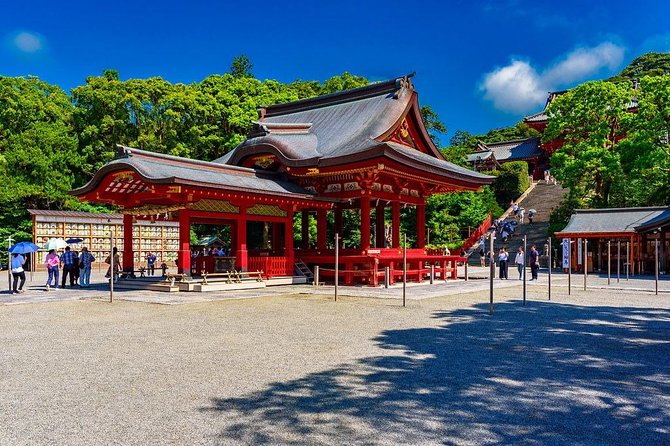
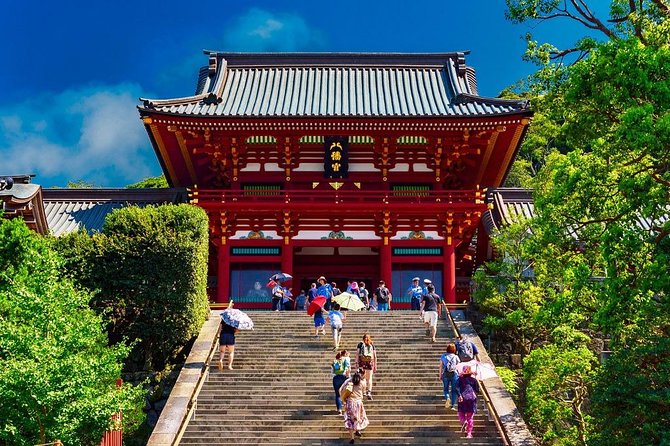
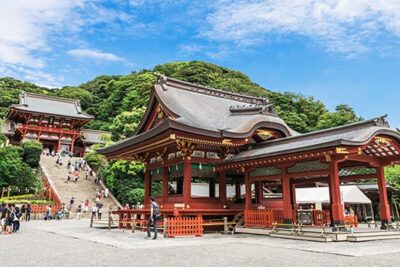
Many people want a Kamakura day that feels classic, and this route starts with a shrine that sets the tone. Tsurugaoka Hachimangu Shrine is dedicated to Hachiman, the patron god of the Minamoto family and samurai in general. You will feel the shrine’s role in Japan’s warrior-era symbolism right away, especially if your guide explains who Hachiman is and why that matters historically.
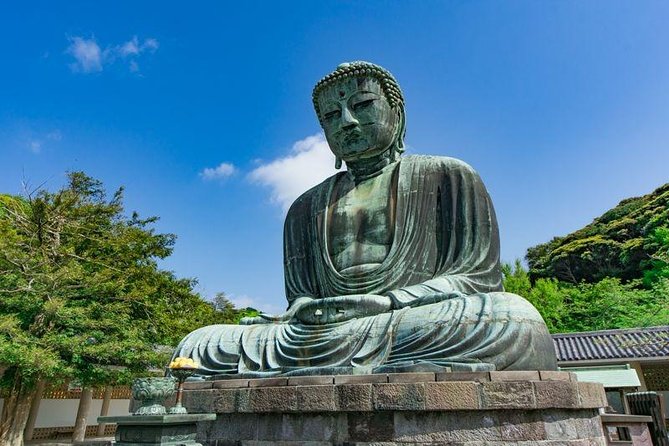
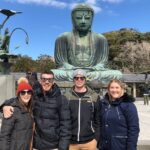
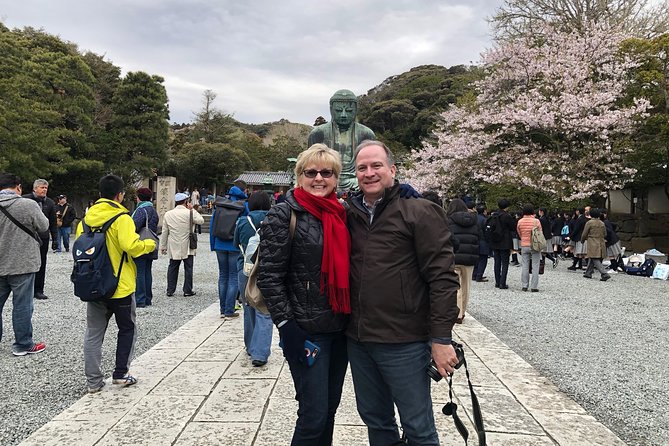
From there, a natural next stop is Kotoku-in, the Great Buddha of Kamakura. The bronze Amida Buddha statue stands about 11.4 meters tall, and it is known as one of Kamakura’s most famous religious icons. The key thing for you is the scale. Even when you have seen famous Buddhas in other cities, the setting and size here often land differently because you can visually connect details as you move around the grounds.
If you want a day that feels like more than one stop, you can add Hasedera Temple next. It is famous for an eleven-headed statue of Kannon, the goddess of mercy, and the gilded wooden figure is described as about 9.18 meters tall. This stop gives you a shift from the Great Buddha’s famous outdoor presence to a different temple atmosphere where sculpture, devotion, and artistry all show up.
Quick reality check
These temples are not “hard” sightseeing, but they do require walking and some staircase navigation depending on your chosen stops. If mobility is a concern, bring it up early. One guide on a rainy, slippery day was careful and patient with an 83-year-old guest on wet stairs, and that kind of planning can make the difference between a smooth day and a stressful one.
Hasedera’s sister stop options, bamboo at Hokoku-ji and a smoother pace
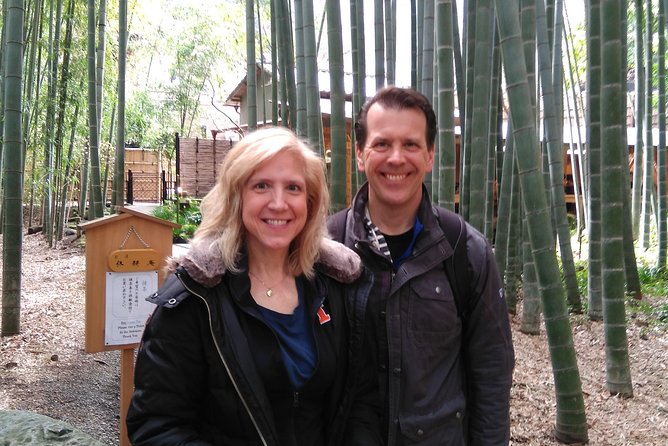
After the main shrine and Buddha, Hokoku-ji Temple is a great option if you want a quieter feel. It is best known for a bamboo grove behind the main hall, with over 2,000 bamboo stalks and narrow paths that wind through the greenery. Even if you care less about temple rankings, that bamboo grove is the kind of place you actually slow down in, because the paths and shadows create a natural walking rhythm.
Then you can decide how “busy” you want your Kamakura side to feel. The options include additional temple stops, including Meigetsuin (the Hydrangea Temple) and a handful of other Nichiren and Zen temples. Not every stop will suit every traveler, so I like the idea of choosing the ones that match the mood you want that day: calm and scenic, or more temple and architecture focused.
If you are the type who likes variety, the Kamakura options give you that. You can bounce between shrine settings, Buddha landmarks, Kannon devotion, bamboo scenery, and Zen environments, all within a compact geographic area.
Enoshima Island: the sea break that still fits a short day
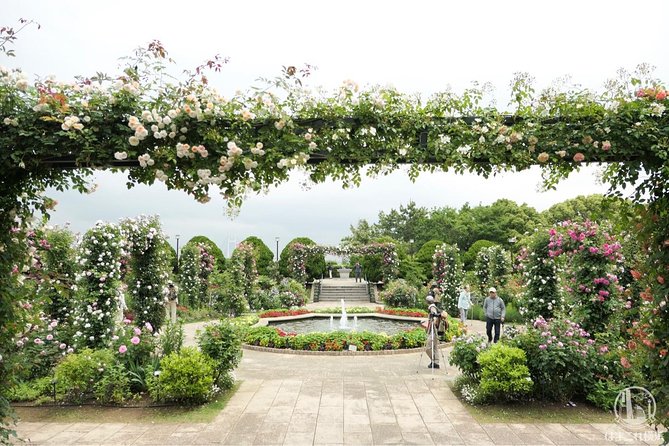
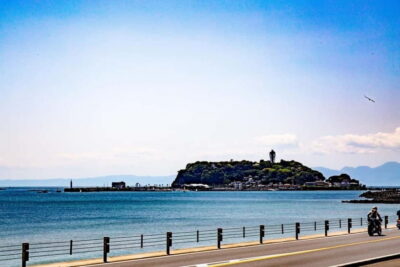
If you want a break from temples, Enoshima Island is an easy add. It is described as a short train ride west of Kamakura, connected to the mainland by bridge. The island is pleasantly touristy, with attractions that include a shrine.
This stop works well for you if:
- you want a change of scenery after multiple religious sites
- you like coastal atmosphere even if you are not planning beach time
- you want variety without adding a whole extra day
One thing to keep in mind is that coastal views are weather dependent. On one booked day, the guide mentioned that Mt. Fuji could not be seen, even though the weather ended up beautiful. So if views are your top priority, aim to keep expectations flexible and prioritize comfortable walking over chasing a specific skyline.
You can also read our reviews of more private tours in Yokohama


Zen temple time in Kamakura: Engaku-ji and Kencho-ji as anchor stops
If your Kamakura day leans toward Zen, two of the strongest anchors in the options list are Engaku-ji and Kencho-ji.
Engaku-ji is described as one of the leading Zen temples in Eastern Japan and the number two of Kamakura’s five great Zen temples. It was founded by the ruling regent Hojo Tokimune in 1282. This makes it a strong “why this matters” stop if your guide points out the political power behind temple patronage and how Zen spread in the region.
Kencho-ji Temple is the number one of the five great Zen temples, and it is also noted as the oldest Zen temple in Kamakura, founded by Hojo Tokiyori in 1253. If you like understanding the timeline of a place, having both Engaku-ji and Kencho-ji in your mix can help you feel the historical weight of the Kamakura period rather than treating temples like isolated photo spots.
Extra options if you want more quiet
The list also includes other Zen and Nichiren temples like Zuisen-ji, described as located in a narrow valley surrounded by wooded hills, and other smaller branch temples. Those can be perfect if you want the day to feel slower and more contemplative, but with only 3 to 4 stops total, I would pick them only if they match the mood you want.
Optional coin-washing magic at Zeniarai Benten Shrine
One Kamakura stop that adds color to a short day is Zeniarai Benten Shrine. It is a popular shrine in western Kamakura where people wash their money, which is why the name includes coin washing (zeniarai). The belief described is that money washed in the shrine’s spring will supposedly double.
This is a good pick for you if:
- you want one stop that is story-driven and memorable
- you like religious practices that feel local and specific
- you want a short, easy add on compared to longer temple circuits
Even if you are not into ritual, this is the kind of place where a guide can explain the meaning behind a local custom, which turns it from a quick photo into a story you can repeat later.
Yokohama highlights: how to choose the right 1 to 2 stops
Yokohama can feel like two cities in one day. You have modern waterfront areas and shopping districts, plus older neighborhoods with a different pace. The beauty here is that your guide lets you pick what matches your energy.
Sankeien Gardens for a visual reset
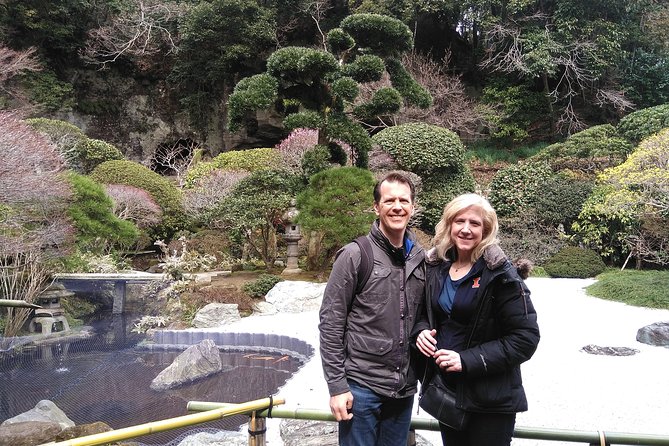
Sankeien Gardens is a spacious Japanese style garden in southern Yokohama, featuring a pond, scrolling trails, and historic buildings brought together from across Japan. If your feet are starting to feel it after Kamakura, this is a smart choice because gardens encourage slower walking.
Chinatown when you want food and color
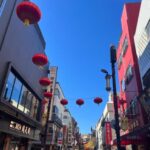
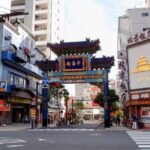
Yokohama Chinatown (Chukagai) is Japan’s largest Chinatown, located in central Yokohama. It is basically a concentration of food and shops packed into narrow streets. This is a great stop if you want something lively and easy to enjoy without needing a lot of “site time.”
Minato Mirai 21 for skyline and sea vibes
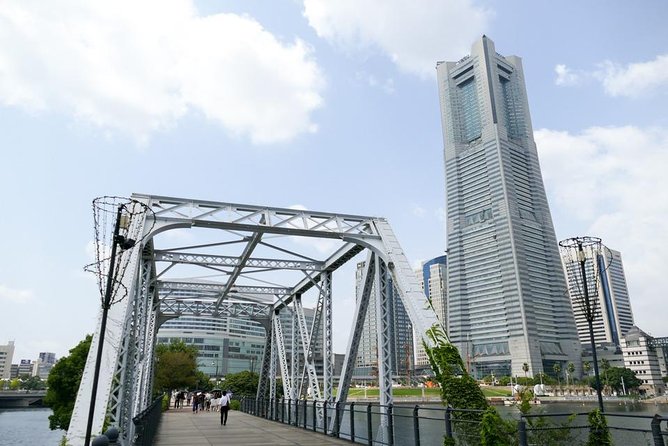
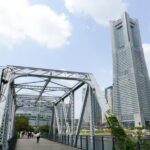
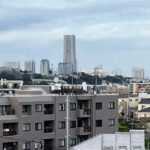
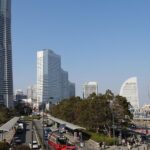
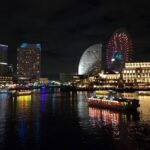
Minato Mirai 21 is a seaside urban area in central Yokohama. The name means harbor of the future, and it is home to major high rises including the Landmark Tower. If you like modern Japan’s waterfront planning and photo angles, this is one of the most satisfying ways to end a day.
Yamashita Park and Osanbashi Pier for a calm finale
Yamashita Park stretches about 750 meters along the waterfront and is mostly open green space. Nearby is Osanbashi Yokohama International Passenger Terminal, also known as Osanbashi Pier. These two together can give you an unhurried ending, especially if you are trying to avoid one more museum and just want the harbor air.
Museum-lite choices: Cup Noodles and ramen
If you want something light and fun, there is Cup Noodles Museum Yokohama, described as interactive and focused on the history of instant ramen. There is also the Shinyokohama Ramen Museum, a unique museum about ramen. These are ideal if you are traveling with kids, or if you want a break from temples without losing momentum.
Neighborhood flavor: Motomachi Park and Yamate 234ban Residence
Motomachi Park and Yamate 234ban Residence connect you to Yokohama’s foreign settlement era after Japan’s isolation ended. In other words, they are good picks when you want Yokohama’s local story, not just its skyline.
One more practical note: a guide can help you choose based on your day. One guest described an art gallery stop inside a department store, and that kind of pivot is exactly why the itinerary being flexible matters.
Price and logistics: when $154.84 feels fair
At $154.84 per person for about 6 hours, you are paying for a private, government licensed guide plus the convenience of a plan that you do not have to build yourself. The tour also includes a mobile ticket and group discounts, which can make it easier to say yes if your group has more than one person.
But the price does not cover everything. Transportation fees, entrance fees, lunch, and other personal expenses are not included, and private transportation is not included either. Many of the stops listed as tickets are marked as not included, even though some are free like the shrine and some scenery stops.
So here is how I’d judge value for you:
- If you would otherwise spend your time researching how to connect Kamakura and Yokohama, you get that planning done for you
- If you want context at temples and shrines, the guide time is the value engine
- If your must-see list includes paid admissions, you should expect to top up your budget
Also, note the tour setup is walking-based. That can be a great thing when you want to actually experience neighborhoods, but it means you should plan for stairs and uneven temple paths, especially if you stack several hilltop sites.
What makes the guide support feel high quality in real life
One thing that stands out from the guide experiences is how quickly they tailor the day. I saw examples of guides adapting to what guests wanted to see personally, including helping with taxis, train planning, and even IC card and transit setup for efficient movement.
Pacing also comes up. On one rainy day, a guide was careful with wet, slippery stairs for an older guest, and planned around fewer stairs. That tells me this is not just a script-read tour. You can speak up about your comfort level, and you can ask for a pace that fits.
Language matters too. Several guides were praised for English that made the historical and religious explanations easy to follow. That is a big deal when you want to understand why a shrine honors Hachiman, or why Zen temples were tied to regional rulers and dates.
Who should book this Yokohama and Kamakura private trip
Book it if you want:
- a single day that covers both Kamakura and Yokohama without obsessing over logistics
- a private guide who can shape the day around your interests
- a mix of shrines, Buddha landmarks, Zen temple stops, plus city flavor
You might skip it if:
- you only want “one area” and do not care about Yokohama
- you dislike walking, stairs, and temple grounds
- you want fully inclusive admissions and transport, because entrance fees and transport costs are not included
Should you book it?
If you are short on time but you still want the meaningful version of a Kamakura day, I think this is a strong choice. The value is the private licensed guide, the ability to pick your 3 to 4 sites, and the way the day can shift toward what you care about most, whether that is the Great Buddha, bamboo at Hokoku-ji, Zen temple anchors, or Yokohama’s harbor vibe and Chinatown energy.
Just go in with a simple plan: choose stops that match your walking comfort, and keep a small buffer for admission tickets and transit costs. If you do that, you’ll end the day feeling like you covered a lot, without feeling like you sprinted through it.
FAQ
How long is the Yokohama and Kamakura private trip?
It lasts about 6 hours.
Can I customize which places we visit?
Yes. You choose 3 to 4 sites from the provided list of options.
Is pickup available?
Pickup is offered, and you meet the guide on foot within a designated area in Yokohama or Kamakura.
Is transportation included?
No. Transportation fees are not included, and private transportation is not included.
Are entrance fees included?
No. Entrance fees are not included, and some listed stops are marked as free while many are marked as not included.
Can I get a full refund if I cancel?
Yes. You can cancel up to 24 hours in advance for a full refund.
More Private Tours in Yokohama
More Guided Tours in Yokohama


More Tour Reviews in Yokohama



Not for you? Here's more nearby things to do in Yokohama we have reviewed



Kamakura Day Trips, side by side.
 ★ 4.5Kamakura & Enoshima Day Trip including Temple TicketsFrom $581,375 reviews
 ★ 4.5Mt. Fuji, Kamakura, Big Buddha, & Lake Ashi Day TripFrom $49867 reviews
 ★ 4.5From Tokyo: Kamakura & Enoshima 1-Day Bus TourFrom $66189 reviews
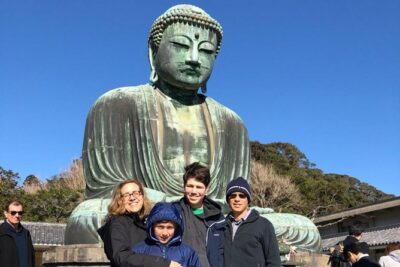 ★ 5.0Kamakura Historical Walking Tour with the Great BuddhaFrom $98129 reviews
 ★ 5.0Kamakura Private Tour: Temples, Nature, and the Great BuddhaFrom $98121 reviews
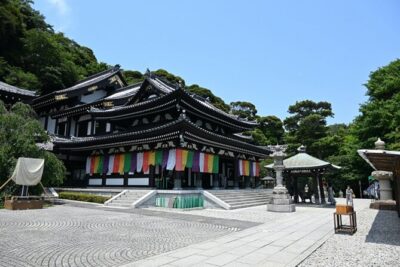 ★ 5.0Kamakura Walking Tour – The City of ShogunFrom $35100 reviews
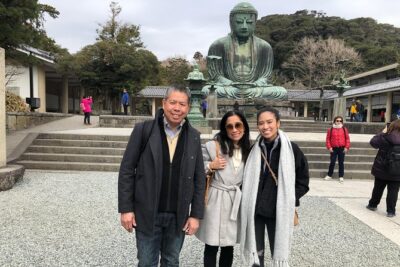 ★ 5.0Kamakura 8 hr Private Walking Tour with Licensed Guide from TokyoFrom $20180 reviews
 ★ 4.1Kamakura & Enoshima Day Tour with Pickup & Train RideFrom $1361 reviews
This tour also belongs to