
Buckwheat flour hits you the moment you walk in. At Soba Studio CHIHANA in Yokohama, you learn 100% buckwheat soba hands on with Misah and a soba master, then eat what you make.
I like that it is practical, not just watching. You get to feel each step, from mixing flour and water to kneading, rolling, and cutting.
I love the from-scratch dough technique, especially when you roll it into a neat square and learn how your own hand strength changes the texture. I also like the hot and cold soba comparison at the end, because you taste the difference with your own noodles in your bowl.
One big consideration: this workshop uses buckwheat, so buckwheat allergy is a dealbreaker. It also is not suitable for children under 11, and it is not for wheelchair users.
Key things that make this soba workshop worth your time
- 100% buckwheat focus: You are making soba the traditional way, with buckwheat as the star ingredient.
- Aromas you can feel: Buckwheat flour smell fills the studio while you work.
- Real technique, not a shortcut: Knead, roll, and cut by hand with a soba master guiding you.
- You eat your own soba: Finish in an izakaya-style restaurant, not just a quick bite.
- English support: Misah helps you move through the steps, even if you are a first timer.
- Good area for after: The studio is near places to grab drinks and snacks after your meal.
First: what you’re actually doing in this Yokohama soba class
This is a hands-on soba making lesson centered on 100% buckwheat noodles. The setting is Soba Studio CHIHANA, and the whole experience is designed around one idea: learning through your hands, not through a lecture.
The flow is simple. You start by mixing and kneading buckwheat dough, then you shape and cut the noodles, and about 60 minutes later you are ready for the best part, eating your own soba. And because buckwheat flour has a distinct, slightly nutty scent, the studio atmosphere keeps reminding you that you are doing something real, not just a demo.
I also like that the tour is built for beginners. An English-speaking guide supports you, and a soba master teaches the technique. That matters because soba is one of those foods where small steps make a big difference.
More Tokyo tours and experiences for the shortlist
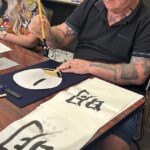
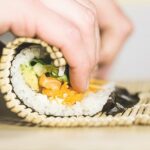
Soba Studio CHIHANA: the buckwheat smell, the tools, and your first steps
When you arrive for the workshop, your first experience is the smell of buckwheat flour. It sounds minor, but it sets the tone. It is hard to stay detached when the air itself feels like you are already in the middle of cooking.
At the studio, you work with all necessary ingredients and equipment, so you are not scrambling for supplies. The process starts with mixing buckwheat flour with water. Then comes kneading, which is where you start learning that dough is not one-size-fits-all. Your motions, pressure, and timing change how the dough behaves.
If you have never kneaded dough before, this is a friendly place to learn. The soba master’s guidance helps you build the feel for elasticity and texture. One practical detail I like from the experience is how hands-on the rolling step is. You roll the dough into a square and learn how to handle it without trimming edges. That forces you to slow down and do it carefully.
100% buckwheat soba, step by step: kneading, rolling, cutting
Here is what you can expect during the core workshop portion.
First, you mix and knead the buckwheat dough. This stage is about consistency. Too wet and the dough gets hard to shape. Too dry and it can feel stiff. Your guide helps you adjust through the learning process.
Next, you roll the dough. Rolling is not just about making it thin. It is about getting an even sheet and managing the dough so it stays workable. The square shape is a classic teaching tool because it makes the next step easier to visualize and control.
Then comes the cutting. This is the part that can surprise you. Cutting noodles by hand takes more strength than you expect, but that is also why it feels satisfying. When your noodles come out the way they should, you get that quick, proud moment that you made the product yourself.
I like that the lesson emphasizes technique over speed. You are not being rushed. You are being guided to understand the steps so you could repeat them later if you want.
And for food notes, this is 100% buckwheat soba, which means it is gluten-free. That also makes it a solid vegetarian option, since the base is flour and water, not wheat.
The taste payoff: eating your own noodles in an izakaya-style meal
After the workshop, you do not just leave with raw instructions. You sit down and enjoy the soba you made in an izakaya-style restaurant.
This part matters because soba is one of those foods where you can taste your work. If your cutting was consistent, the noodles hold together better. If the dough felt right, the buckwheat aroma shows up more clearly.
One of the best ways to understand soba is to try it in different serving styles. In this experience, you get a comparison between cold and hot soba. Cold soba tends to show off a richer buckwheat aroma, while hot soba leans into warmth and comfort. Both are delicious in their own way, and the comparison helps you understand what Japanese chefs are doing with temperature and technique.
The included meal covers the noodles you made. Additional foods or drinks are not included, so you can keep it simple or add extras depending on appetite and budget.
Misah’s English support and the small group advantage
A big reason this workshop works for first-timers is language support. The experience includes an English-speaking guide, and the guide name you will commonly hear here is Misah.
In a class like this, confusion is costly. If you misunderstand one step, you can lose the flow of the whole process. Misah’s role is to keep you moving clearly through the steps so you do not feel stuck.
Another practical win is the small group feel. Smaller groups make it easier to ask questions and get personal corrections. You get more moments where you can adjust your technique instead of waiting for the next batch.
If you like cooking classes but hate when they turn into awkward watching, this format is a better match. You are doing the work alongside the instructions, so you leave with both skills and a meal.


Price and value: is $88 fair for a soba master class?
The price is $88 per person. That can feel high if you think of it as a “fun activity.” But if you treat it like a cooking lesson plus a meal, the value clicks.
You are paying for several real components:
- Instruction from a soba master, where technique matters
- English-speaking guidance from Misah
- Ingredients and equipment for making the noodles
- A sit-down, izakaya-style tasting of the soba you produced
What you are not paying for is transportation and hotel pickup, and you also are not getting extra restaurant orders. That keeps the core experience focused on the lesson and your own noodles.
From a value perspective, I think the strongest justification is the combination of skill and food. Many classes teach you a step, but you do not always get to eat your result in a proper setting. Here, you do. Plus, because the class is built around 100% buckwheat soba, you are learning something specific, not a generic noodle routine.
If you love Japanese food culture and want something more hands-on than a typical tasting, this price can make sense. It is also a good deal if you are the type who enjoys learning by doing, even if you are not “a cooking person.”
Meeting point and practical logistics around Sakuragicho Station
The tour starts when you arrive at Sakuragicho Station, exiting from the South Gate. Be careful not to use the North gate.
This matters more than it sounds. In Japan, station exits are numerous, and you do not want to waste time figuring it out at the start of class. Also, the activity ends back at the meeting point, so you do not have to worry about a one-way drop-off into a different part of the city.
Location-wise, you are not stuck far from everything. Nearby, there are lots of places to eat and drink, including local standing bars and drinking districts. That is great because once your workshop meal is done, you can keep the night going without planning a separate commute.
Also, check the rules before you go. Pets are not allowed, baby strollers and baby carriages are not allowed, bikes are not allowed, chewing gum is not allowed, electric wheelchairs are not allowed, and the activity is not suitable for children under 11 and not suitable for wheelchair users.
Who this soba workshop suits best, and who should skip it
This is a strong fit if you want an authentic Japanese food skill you can actually practice at home. If you enjoy cooking and you like tasting what your hands produce, this is satisfying in a way that many tours do not match.
It is also a smart option if you care about dietary needs. Because it is 100% buckwheat soba, it is gluten-free and suitable for vegetarians.
Here is when I would think twice:
- If you have a buckwheat allergy, you should not join. The workshop uses buckwheat flour, so it is not a workaround situation.
- If you are traveling with kids under 11, the workshop is not suitable for them.
- If you use a wheelchair, the workshop is not suitable for wheelchair users.
- If you are bringing a stroller, bike, or pets, double-check the rules since those are not allowed.
Should you book the Yokohama soba master workshop?
Book it if you want a real cooking lesson with a soba master, plus a meal where you eat what you made. I especially recommend it if you are curious about 100% buckwheat soba and want to experience the difference between cold and hot styles using your own noodles.
Skip it if buckwheat is an issue for you. Also skip it if mobility needs make the workshop environment a problem, since it is not suitable for wheelchair users, and it is not designed for young children.
If you are looking for a single, memorable Yokohama food experience that goes beyond eating and turns into a skill, this one is a solid pick.
FAQ
Where is the meeting point for the soba workshop?
You meet at Sakuragicho Station, exiting from the South Gate. Do not exit from the North gate.
How long does it take to make the soba noodles?
The soba is completed in about 60 minutes.
Is this workshop really using 100% buckwheat?
Yes. The lesson is for making 100% buckwheat soba noodles.
Is the meal included after the workshop?
Yes. You enjoy the soba you made in an izakaya-style restaurant. Additional foods or drinks you order are not included.
Will the workshop be in English?
The experience includes an English-speaking guide support, and languages listed are English and Japanese.
Is this activity suitable for children?
It is not suitable for children under 11.
Can wheelchair users join the workshop?
No. It is not suitable for wheelchair users.
What if I have a buckwheat allergy?
The workshop uses buckwheat flour. You should refrain from joining if you have a buckwheat allergy.
Can I pay later, and what is the cancellation window?
There is a reserve & pay later option. Cancellation is allowed up to 24 hours in advance for a full refund.
More Workshops & Classes in Yokohama
More Tour Reviews in Yokohama

Not for you? Here's more nearby things to do in Yokohama we have reviewed
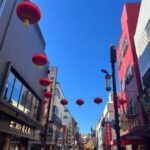
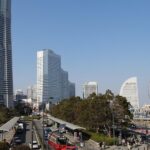
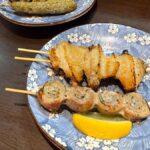
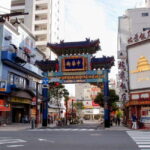

Workshops, side by side.
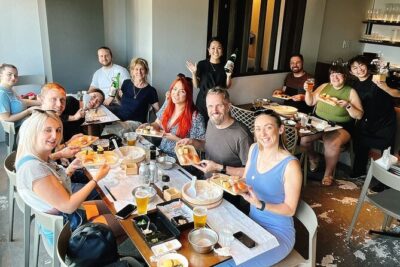 ★ 5.0Sushi Making Tokyo Roll and Authentic Japanese Sushi ClassFrom $593,971 reviews
 ★ 4.9Roll and Authentic Sushi Making Class in AsakusaFrom $581,957 reviews
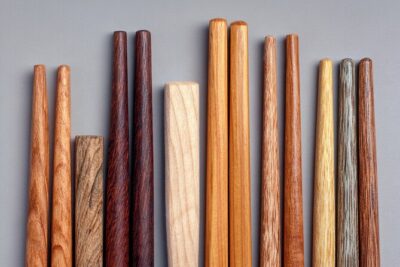 ★ 5.0Tokyo Shinjuku Chopsticks Making ClassFrom $201,763 reviews
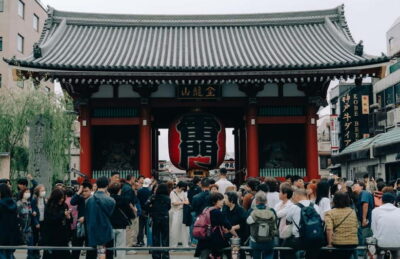 ★ 4.9Sushi Making Class in a Happi Coat near a Famous SpotFrom $421,377 reviews
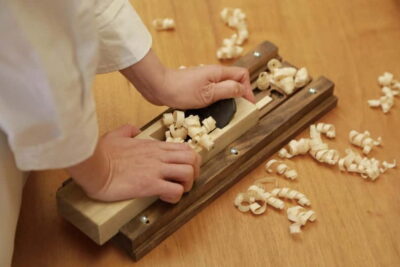 ★ 4.8Chopstick Making Workshop in GinzaFrom $251,366 reviews
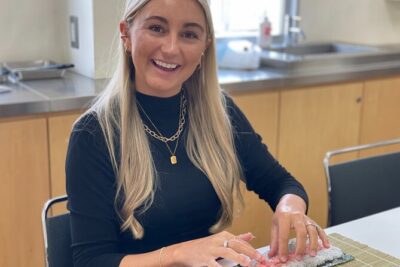 ★ 5.0Tokyo Sushi Making Class in Tsukiji with Professional ChefFrom $491,177 reviews
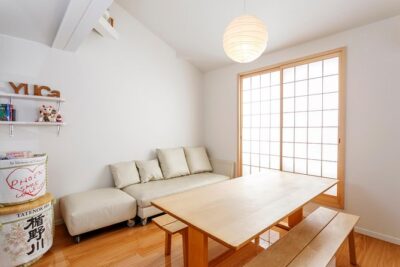 ★ 5.0Ramen & Gyoza Cooking Class in Tokyo with Local Supermarket VisitFrom $122823 reviews
 ★ 5.0Matcha Making Class in Tokyo with Authentic Japanese Sweets SetFrom $21744 reviews
This tour also belongs to