
Review · TOKYO TEA & SAKE EXPERIENCES
Tea ceremony experience in Japanese-style room 60min
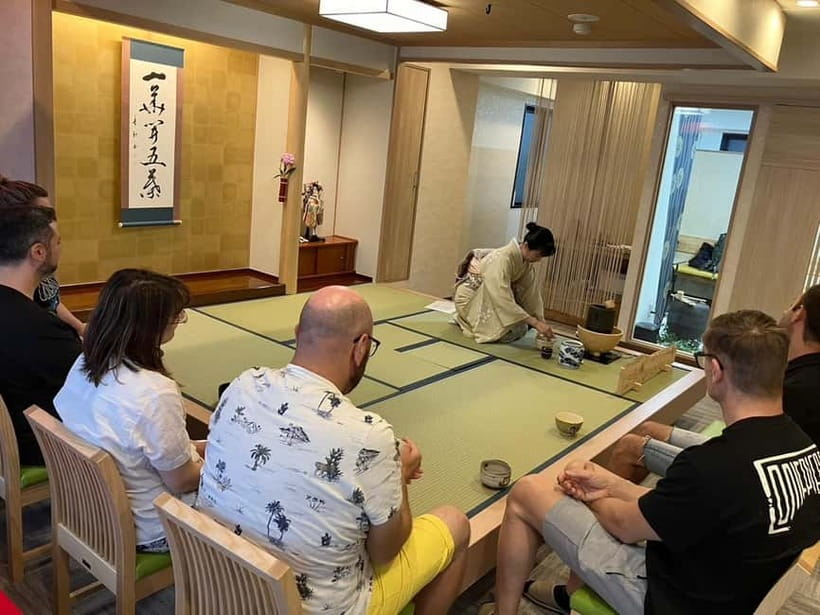
Tea is quiet magic, especially in Tokyo. At Wasako inside the Charyo-Ichimatsu restaurant, you get a full tea ceremony experience with a Japanese-style room, a small group vibe, and the chance to brew matcha yourself. I especially love how you choose your matcha bowl and tea sweets, and you get hands-on teaching in English or Japanese.
One thing to plan for: you’ll remove your shoes indoors, and if you want to sit on the tatami, bring socks or pay for a pair.
Key highlights worth planning for
- Choose your tea sweets and matcha bowl before the ceremony starts
- Unique bowl designs are explained one by one
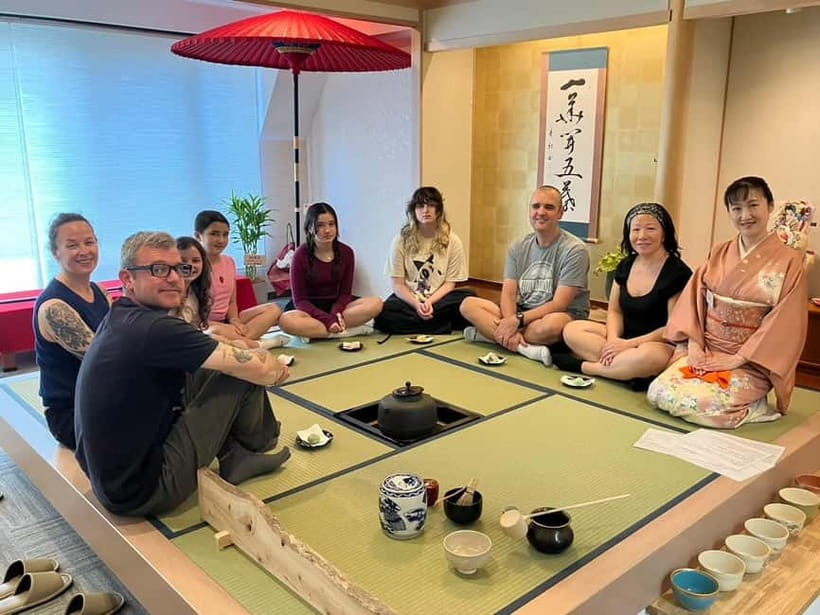
- Small group, max 7 people, so questions actually happen
- You watch, then you make your own matcha with instruction
- Photo-friendly setting in a building with cultural-protection status
- Hosts often take photos for you, so you’re not stuck juggling your phone and tea
Where Wasako Happens, and What Makes the Setting Special
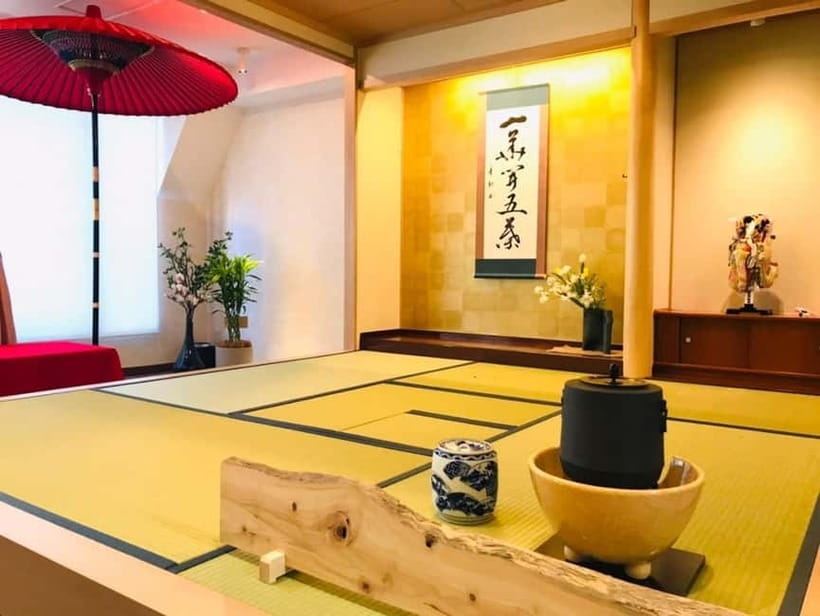
The tea ceremony takes place at Wasako, located inside the Charyo-Ichimatsu restaurant in Honshu, Japan. You’re not just walking into a generic activity space. You enter a Japanese-style room designed for the ceremony, with furnishings and details that create that calm, no-rush feeling.
Timing matters here because there are only four start times: 10:00, 11:30, 13:30, and 15:00. In practice, you’ll want to arrive a little early so you can get checked in, get your socks situation sorted, and settle before everyone begins. One useful detail from past participants: signage at the meeting area can feel a bit vague, so if you’re searching, look for wall signs for the Tea ceremony experience and confirm you’re heading to the correct floor.
Your meeting point is straightforward on paper. It’s about a 5-minute walk from Tawaramachi Station (Exit 3) on the Tokyo Metro Ginza Line, or about a 10-minute walk from Asakusa Station (Exit A4) on the Toei Asakusa Line. I like the fact that both routes are tied to major stations, which gives you an easy backup if your timing changes.
Another reason the setting feels memorable: Ichimatsu is a registered tangible cultural property. That matters because it usually means more attention to how the building is preserved and presented. Expect plenty of photo-worthy corners where the room design actually looks good on camera, not just on a phone flash-and-go.
You can also read our reviews of more tours and experiences in Tokyo.



Entering the Japanese-Style Room: Socks, No Shoes, and Quiet Rules
Before tea, there are a few practical rules that shape your experience.
Shoes are not allowed indoors, so you’ll switch to socks and floor-friendly walking. The room setup is part of the whole ceremony style, and the no-shoes rule helps keep the space tidy and authentic.
If you want to sit on the tatami, bring socks. If you forget, the venue sells socks for 500 yen. This is small, but it’s worth taking seriously. Tatami seating is part of why this feels like more than a quick demo. If you’re not prepared, you might end up feeling like you missed a piece of the experience.
Also note the limits. This experience is not suitable for children under 6, and it’s not suitable for wheelchair users. The ceremony room setup is clearly designed around traditional indoor movement and seating. If you’re traveling with anyone who needs mobility accommodations, I’d treat this as a clear filter, not a maybe.
Choosing Your Sweets and Matcha Bowl (This Is Where You Feel the Ceremony)
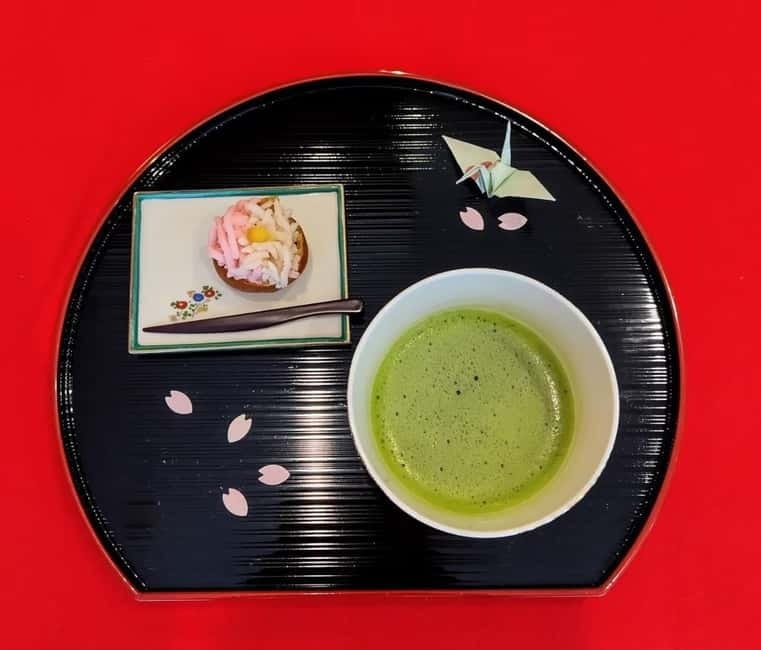
A big part of the fun is decision time. You choose your tea sweets and the matcha bowl you’ll use. That customization turns the ceremony from a show you watch into something that feels personal.
Each matcha bowl has a unique design, and the host explains the bowl individually. That explanation is more than a label. It helps you notice what you’re holding and why it matters, like how shape, color, and craftsmanship connect to the overall mood of the moment.
Here’s why I think this works well for visitors. Most people come to Japan expecting to see traditions. This actually gives you a role inside the ritual. You’re not just tasting matcha, you’re participating in the choices that define the tasting.
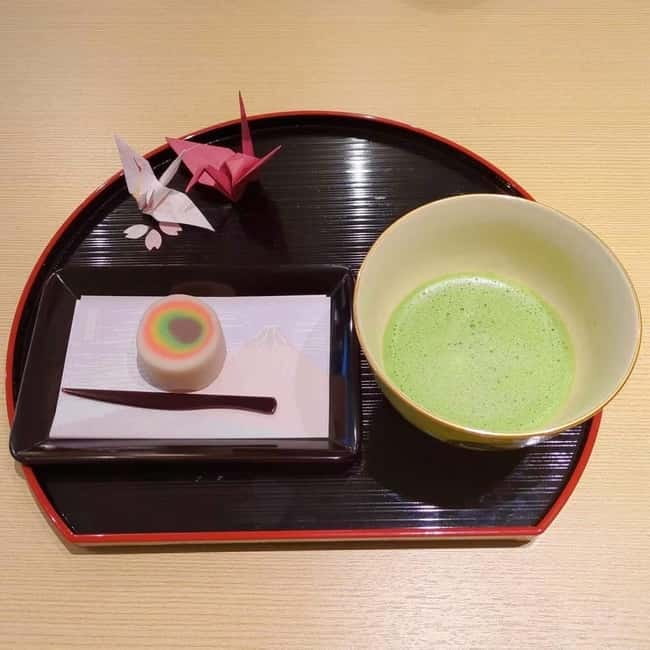
You’ll also get your sweets and matcha as you watch the demonstration. So even before you start whisking, you’re not waiting around with empty hands. You get to slow down and pay attention while you taste.
Watching the Demonstration in a Room Built for Details
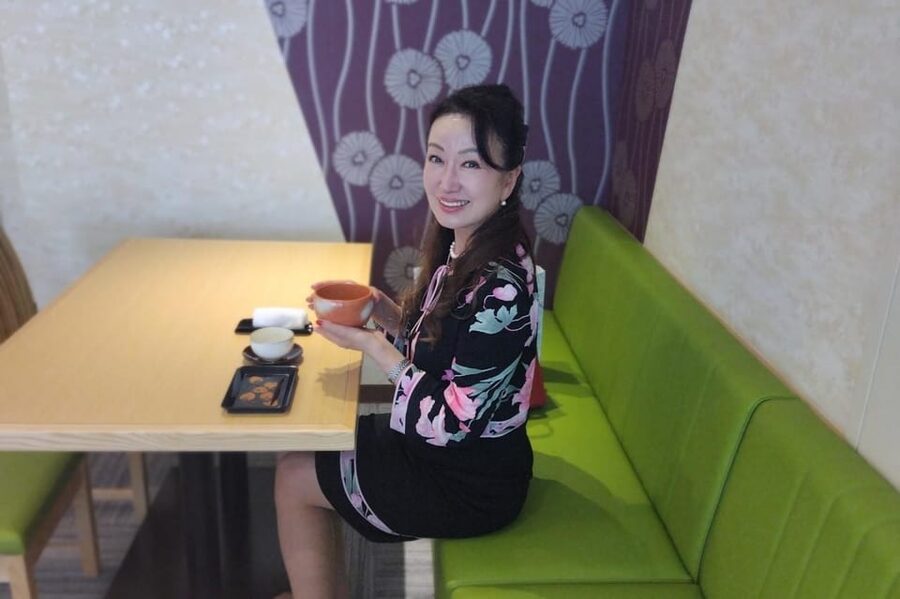
Once you’re settled, the host demonstration begins. You’ll watch the host prepare and serve matcha, while you enjoy the sweets and drink along with the session.
During this time, you may also receive explanations about the room elements. You can hear about items like hanging scrolls, furnishings, and the history of the tea ceremony, depending on how your host frames the session. Past participants consistently mention the explanations are clear and thoughtful, not rushed. If you’re the type who loves a bit of context, this part gives you grounding.
One reason I’d encourage you to watch closely even though you’ll get to do it yourself: the demonstration sets the rhythm. Tea is controlled, calm, and precise. Even if you’re not trying to reproduce every exact motion, watching helps you understand why the host is doing things in a specific order.
And there’s another practical benefit. It’s easier to brew your own matcha later because you’ve already seen the flow once.
Making Your Own Matcha: The Hands-On Part That People Remember
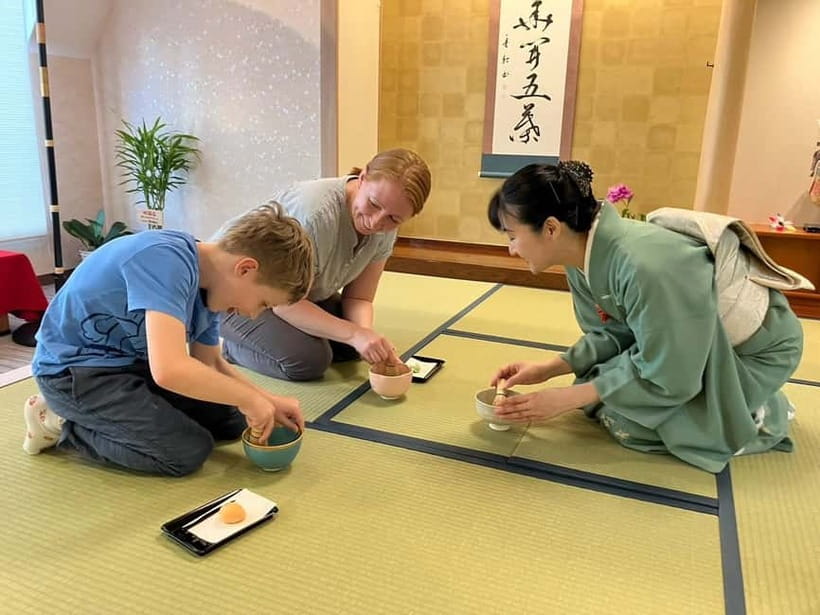
After you watch, you get taught how to prepare matcha, and you brew it yourself. This is the moment that turns the experience into a skill, not just a taste.
The session is led by an instructor who speaks English and Japanese. Past reviews mention hosts being patient and attentive, and that you can ask questions and get extra explanation instead of being pushed through.
Here’s what I like about the hands-on approach: you don’t need to be good at tea to enjoy it. You need to follow the steps and take your time. Your own matcha ends up being a concrete memory. You can say, I made this.
Also, the room experience is designed for calm focus. In a fast city like Tokyo, that matters. You’re not trying to squeeze in another line at another counter. You sit, you learn, you practice, and then you drink what you made.



Photos, Kimonos, and Getting the Most From the Moment
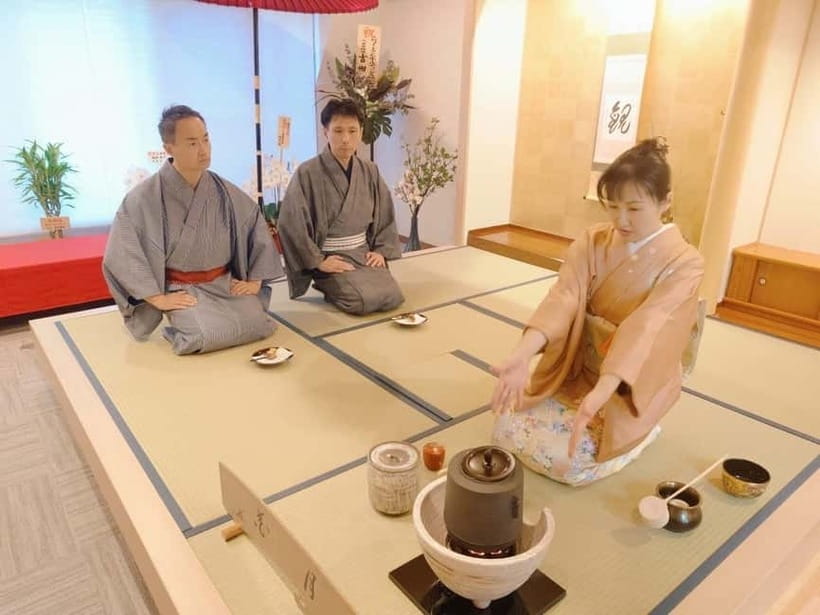
One of the most repeated highlights in reviews is the photo experience. Staff take photos through the ceremony, and the environment gives you multiple angles. That sounds small, but it really changes your day. Instead of trying to frame shots while holding a whisk and staring at the ceiling scroll, someone else helps you document it.
The setting also supports great photos because the building’s preserved structure creates photo corners. You’ll find places where the Japanese-style room details look intentional, not staged. And since Ichimatsu is a registered tangible cultural property, the overall atmosphere reads as authentic rather than generic.
Some participants also mention adding kimono rental through the building area and having it arranged by staff before the ceremony. If you want that extra “Japan moment” for photos, it’s worth checking on availability when you arrive. Just don’t let it steal your focus. The tea itself is the main event.
How Long It Takes, and How to Pick the Right Start Time
The activity is sold as a 60-minute Japanese-style room tea ceremony, but the listed duration range is 45 minutes to 4 hours, depending on your session and what’s included in your time window. The important part for planning is that start times are fixed at 10:00, 11:30, 13:30, and 15:00.
In reality, you should assume you’ll spend more than just the strict tea moments. You’ll do check-in, choose your sweets and bowl, settle in, watch the demonstration, and then brew matcha. If photos are part of it, that also adds a little time.
My practical advice: pick a start time that avoids tight transfers. If you’re trying to jump to a train right after, you’re more likely to feel stressed. This is the type of activity that rewards showing up with breathing room.
From one review detail, arriving around ten minutes early is totally fine. That gives you time to find the right spot even if the signage feels less obvious than you’d like.
Price and Value: Is $45 Worth It?
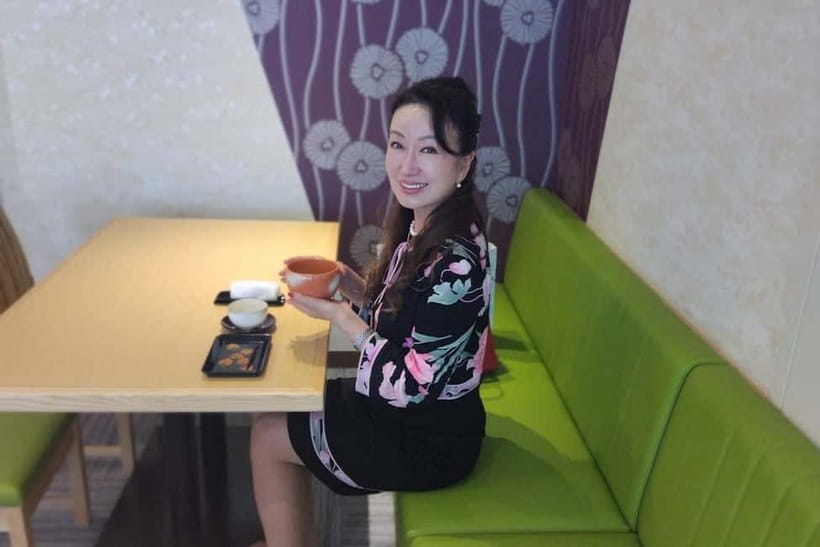
At $45 per person, this is not a bargain activity. But it also isn’t just a short tasting. You’re paying for several things that add value:
- A small group size (limited to 7), which usually means more attention and time to ask questions
- Instruction in matcha preparation, including the chance to brew your own
- Tea sweets plus matcha served during the session
- Photo help, which is more valuable than it sounds because it protects the experience from turning into a selfie sprint
- A Japanese-style room inside a culturally protected building, so the setting feels real rather than temporary
That said, balance matters. One participant felt the price did not match the experience length and what they expected in terms of information. So if you’re looking for a deep, long lecture, you might be disappointed.
My honest take: if you want a calm cultural activity where you taste and actually make something, this price feels more reasonable. If you only want a quick snack and a photo, you could be paying for pieces you don’t care about.
Who Should Book This Tea Ceremony, and Who Might Skip It
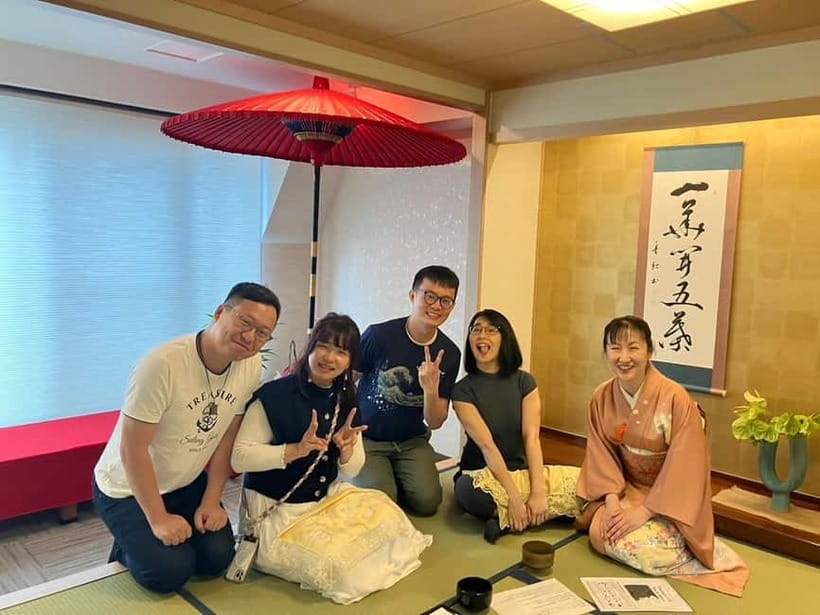
This tea ceremony is a great fit for:
- People who want a hands-on cultural experience, not just a viewing ticket
- Travelers who like slower pacing and respectful, quiet moments during a crowded trip
- Couples, friends, and solo travelers who enjoy small groups and the chance to ask questions
- Anyone who wants to learn the steps of making matcha with English support
It’s likely not a great fit for:
- Children under 6 (not suitable)
- Wheelchair users (not suitable)
- Anyone expecting a long, structured class format that goes far beyond demonstration and basic preparation
Also consider your comfort level with traditional indoor rules like removing shoes and sitting on tatami if you have the socks.
Should You Book Wasako Tea Ceremony Experience?
I’d book it if you want a tea moment that feels properly Japanese, with real teaching and a room that supports the ritual. The combination of choosing your bowl, watching the demonstration, and then making your own matcha is the kind of “I did it” souvenir that sticks.
Book it now if you’re traveling around the time windows with the fixed start times, because sessions depend on availability. Also, if photos matter to you, this is one of the few activities where staff actively help you document it.
If you’re super price-sensitive or you mainly want a fast activity with minimal rules, then this might feel too formal for your schedule. In that case, I’d look for a simpler matcha tasting elsewhere and save this ceremony for a calmer day.
Bottom line: for $45, you’re buying more than matcha. You’re buying a controlled, thoughtful hour in a traditional space, and you leave with matcha you made.
FAQ
Where is the tea ceremony experience located?
The experience is at Wasako, inside the Charyo-Ichimatsu restaurant. The meeting point is about a 5-minute walk from Tawaramachi Station (Exit 3) on the Tokyo Metro Ginza Line, or about a 10-minute walk from Asakusa Station (Exit A4) on the Toei Asakusa Line.
What time slots are available?
There are four start times: 10:00, 11:30, 13:30, and 15:00.
How many people are in each group?
It’s a small group limited to 7 participants.
What language is the instruction offered in?
The instructor speaks English and Japanese.
What do I get during the ceremony?
You’ll have tea sweets and matcha green tea, watch the demonstration, and you’ll be taught and have the opportunity to make your own matcha.
Do I need to bring socks?
If you want to get on the tatami, you should bring socks. If you don’t have them, socks can be purchased for 500 yen.
Are shoes allowed indoors?
No. Shoes are not allowed indoors.
Who is this experience not suitable for?
It’s not suitable for children under 6 and it’s not suitable for wheelchair users.
How far in advance can I cancel for a full refund?
You can cancel up to 24 hours in advance for a full refund.
Is there a way to book without paying immediately?
Yes, it offers Reserve now & pay later, so you can book your spot and pay nothing today.
More Tour Reviews in Tokyo
Not for you? Here's more nearby things to do in Tokyo we have reviewed












Tokyo Tea & Sake Experiences, side by side.
 ★ 5.0Traditional Tea Ceremony with a Tea MasterFrom $38528 reviews
 ★ 5.0Sake Tasting Masterclass in Shinjuku (8+ Varieties with a Pro)From $72271 reviews
 ★ 5.0Tea Ceremony Workshop in Tokyo by the Experienced InstrucorFrom $38189 reviews
 ★ 4.9Asakusa: Kimono Tea Ceremony with Matcha and SweetFrom $66153 reviews
 ★ 4.9Tea Ceremony Experience in a Private Tea Room in ShibuyaFrom $30125 reviews
 ★ 4.7Practicing Zen with a Japanese Tea CeremonyFrom $63105 reviews
 ★ 5.0Matcha Kimono Tea Ceremony in TokyoFrom $59104 reviews
 ★ 4.9Tsukiji: Outer Market Walking Tour & Sake Tasting ExperienceFrom $7081 reviews
This tour also belongs to