
Review · TOKYO CITY TOURS
Tokyo: 3-hour Guided E-Bike Tour of the City’s Hidden Gems
Tokyo from a bicycle changes everything. In this 3-hour guided e-bike tour, you cover real ground, hit major landmarks like Tokyo Station and the Imperial Palace, and still get off the main drag to places you would be unlikely to find on your own. The ride is powered by e-assist, so you spend more time looking up and taking photos, less time grinding your legs.
I especially like two things. First, the English-speaking guides make the city feel personal, with story-filled stops, and I’ve seen groups light up when guides such as Hiro and Shinobu keep the pace fun and the explanations clear. Second, the routes are built around moments, not just checklist points, like stepping into a Japanese garden or timing the bay views for sunset.
One thing to think about: even with e-assist, you are still cycling in a real city with cars and pedestrians. If you feel shaky on a bike or you hate shared paths, you’ll want to be honest with yourself before booking.
Key things I’d focus on
- E-assist makes Tokyo feel bike-friendly, even when the route includes hills
- Three distinct routes (City, Bay sunset, and Tokyo Tower area) keep the experience from feeling repetitive
- Guides matter here, with lots of practical context, pacing, and help with photos and safety
- You get a snack stop plus a proper break at places like a Japanese garden
- You ride past major icons but still spend time in more local-feeling areas
Why Tokyo Looks Better From a Guided E-Bike
Tokyo is efficient, but that can make it feel a little too scheduled. A bike tour changes the math. You get the speed of transit, the freedom of side streets, and the closeness you never get from a bus window.
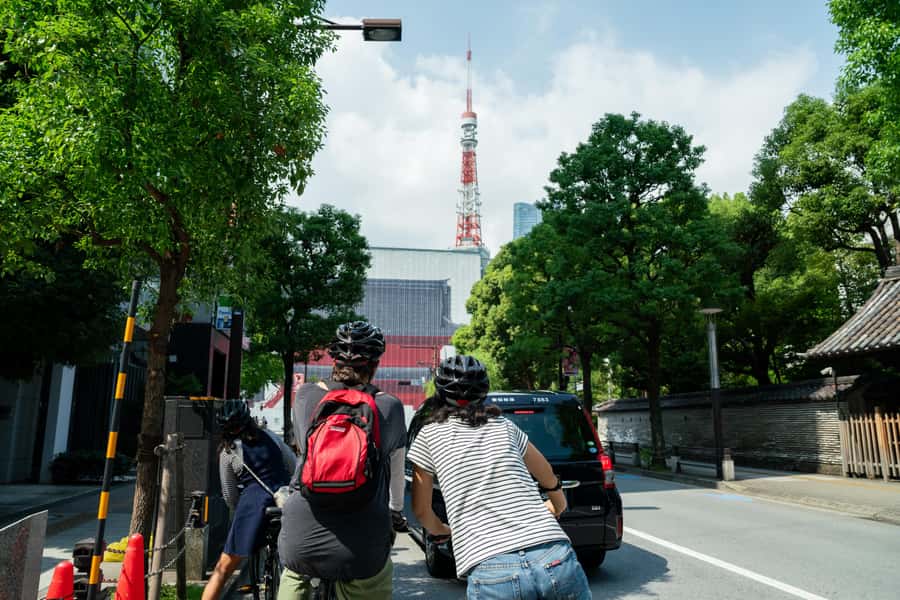
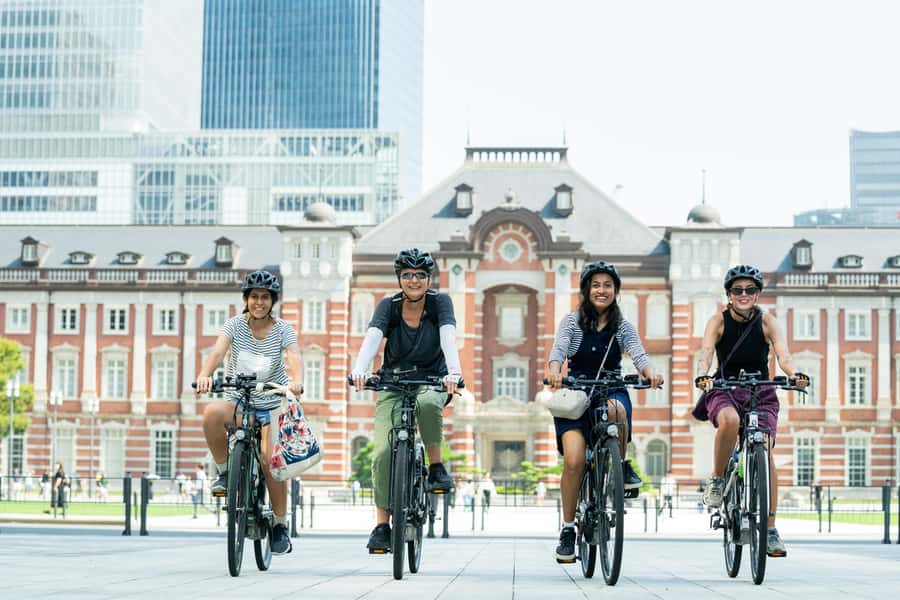
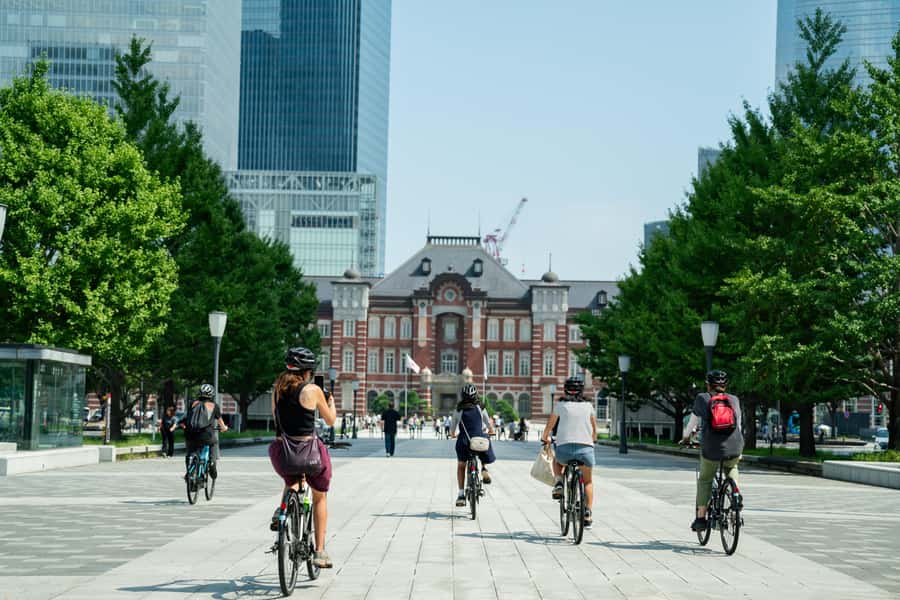
The real win is the mix of famous and lesser-known stops. One route zooms past skyline anchors like Ginza and Tokyo Station, then shifts toward calmer local spaces where you can slow down. Another route leans into water and wide open views around Odaiba, with bridges that actually feel like a mini escape. And the Tokyo Tower route focuses on classic contrasts, moving between temples and parks with photo stops along the way.
And yes, the e-bike part matters. The e-assist is designed so the ride stays comfortable for most people who meet the height and weight requirements, and it turns what could feel like a workout into more of a moving sightseeing session.
You can also read our reviews of more cycling tours in Tokyo
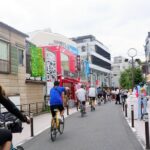
The Three Route Options, and Who Each One Fits
You choose among three route styles. That choice changes the feel of the tour more than you might expect.
City Route: Landmarks plus a garden reset
If you want the best overall mix of classic sights and quieter Tokyo moments, the City Route is the one. It flows through central areas and includes a Japanese garden visit, plus a shrine stop. It’s a strong pick for first-timers who want structure, but also for repeat visitors who want different angles on the same neighborhoods.
Tokyo Bay Route: Bridges, landmarks, and skyline timing
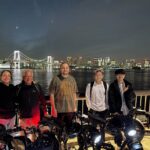
If your idea of a perfect Tokyo photo includes water, bridges, and that late-day color shift, book the Tokyo Bay Route. You cruise through the Odaiba side, pass by big modern attractions, and hit recognizable sights like the Gundam statue area and the Statue of Liberty in Odaiba. The highlight is the potential for sunset and night views, depending on the month and start time.
Tokyo Tower Route: Hills, temples, and a great photo zone
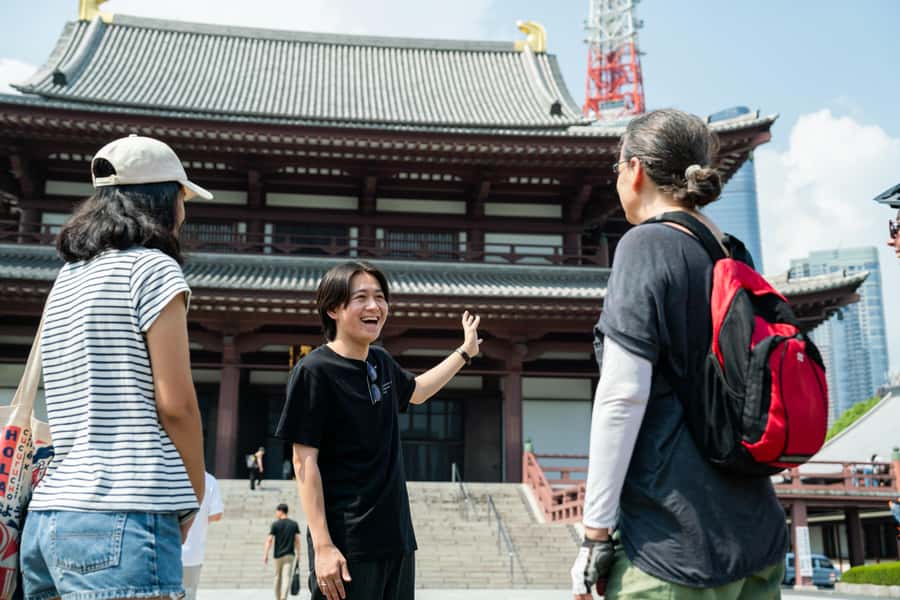
Want Tokyo’s older and newer sides in one ride? The Tokyo Tower Route is designed for that contrast. You start in the temple zone near Zojo-ji, make time for a Tokyo Tower photo spot, then ride through shrines and parks. Because parts of the route are hilly, the e-assist really earns its keep.
You can also read our reviews of more guided tours in Tokyo
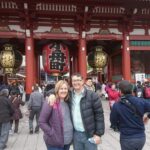
Gear, Meeting Time, and How the Tour Actually Starts
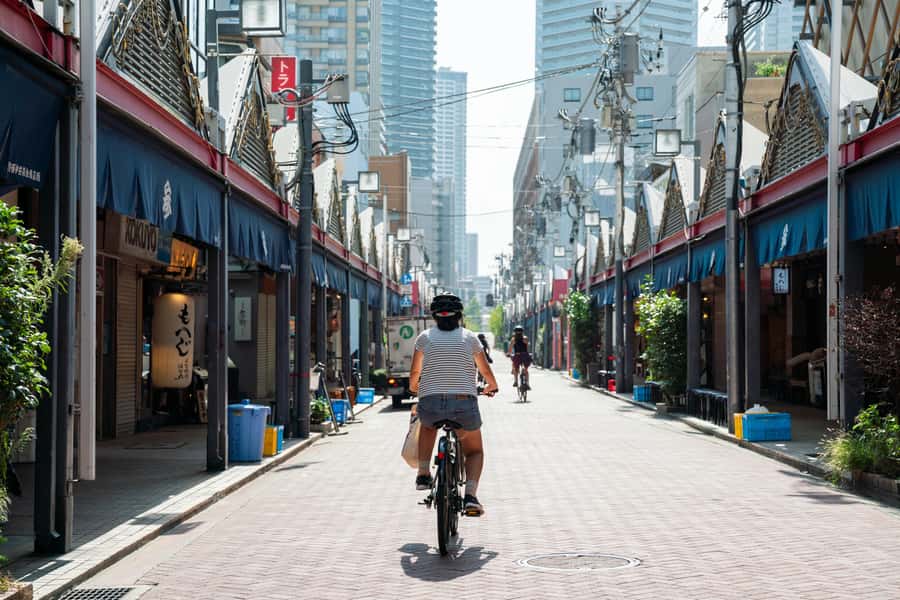
Plan to arrive at the meeting point 15 minutes before the start time. That early window is for briefing, sizing, and making sure you’re comfortable before you head into traffic and mixed pedestrian areas.
Here’s what’s included so you’re not scrambling once you show up:
- E-bike rental with e-assist
- Helmet
- Guide
- Luggage storage
- Knapsack if you need it
- Traditional Japanese snack
- Gloves for winter season
In practice, the included gloves are a nice touch, because Tokyo can get surprisingly cool. And the luggage storage matters more than you’d think, especially if you’re traveling with shopping bags or you want to keep your hands free for photos.
How Hard Is It to Ride in Tokyo, Really?
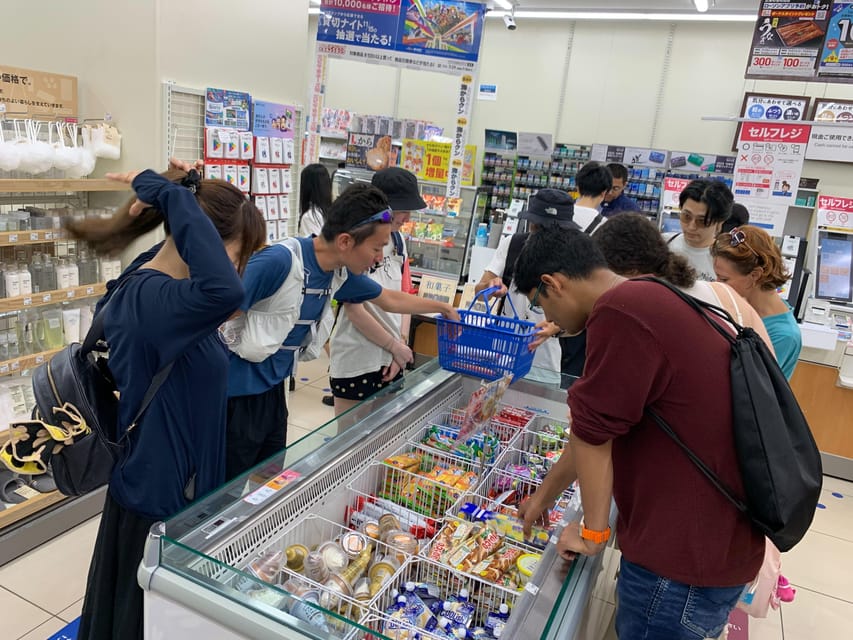
The short answer: you don’t need to be a cyclist. The longer answer is that you need to be comfortable staying alert.
The e-bike does the heavy lifting. Several guides and past riders emphasize that you can enjoy a 3-hour ride without feeling exhausted, and that the bikes are easier than a regular bike. One review even points out that the bike can look intimidating at first, then quickly becomes easy once you get rolling.
But Tokyo is still Tokyo. The route includes sections where you might be on footpaths shared with pedestrians. That means you will be slowing, weaving carefully, and keeping your eyes up. Some riders also mention the initial feeling of riding close to moving traffic, then realizing the experience is manageable with good guidance.
My practical tip: if you haven’t ridden a bike in a while, spend a few minutes during the briefing practicing starts and stops. Once you’re moving smoothly, the rest of the tour feels like sightseeing with a little extra motion.
City Route: Tokyo Station, Imperial Palace Area, and a Real Garden Break
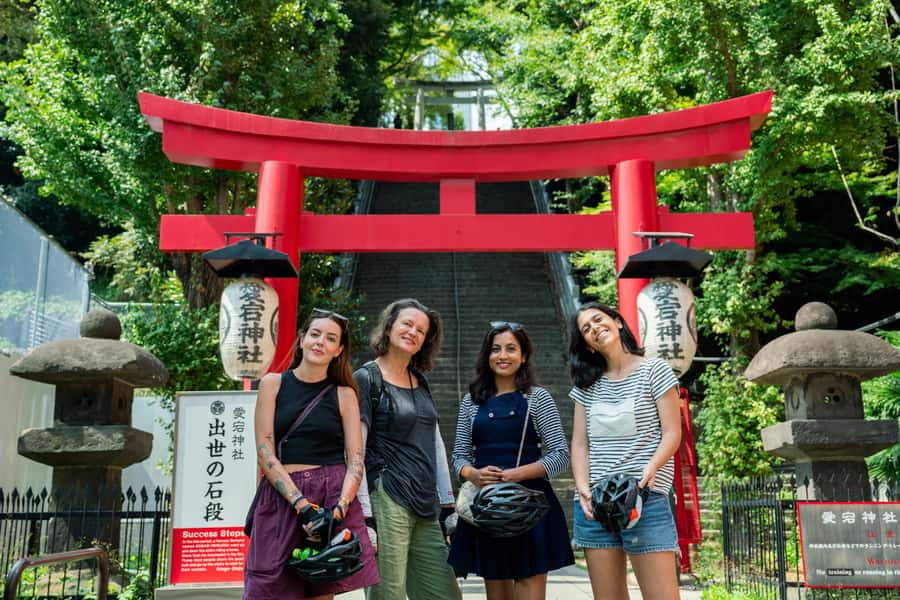
The City Route is built like a classic Tokyo storyline. It starts in the commercial core, passes major landmarks, then shifts toward places that feel more local and calm.
Ginza and Imperial Palace area, pass by
You begin by rolling through central Tokyo where big architecture and major streets set the scene. This pass-by portion is useful because it gives you orientation fast. You see how the districts connect, and you get a sense of where things sit relative to each other before you go looking for smaller streets later in your trip.
Tokyo Station and Nihonbashi area, pass by
The tour keeps these iconic areas in view without bogging down time on long pauses. Tokyo Station and Nihonbashi are practical anchors because they sit near transit lines and older merchant history. Even if you have been there once, you’ll likely notice different streets and pedestrian flows from a bike perspective.
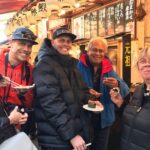
Snack stop: a traditional bite
You get a snack break with a traditional Japanese snack. This is more than a sugar stop. A mid-ride food moment gives you a quick reset and keeps the pacing friendly, especially if you’re doing your tour on a hot day.
Kiyosumi Japanese Garden
Then comes the part many people remember most: Kiyosumi Japanese Garden. This is where you stop moving and start paying attention. On a bike tour, you rarely get a setting this quiet. It’s also a smart contrast to the surrounding city, letting you feel like you stepped into a slower rhythm for a short while.
Look for this as a breathing space on the route. Even if you only walk a small area, the garden moment changes the emotional tone of the day.
Tomioka Hachimangu Shrine
The route ends with a shrine stop at Tomioka Hachimangu. Shrines have a way of grounding you after hours of city motion. You also get context from your guide, which tends to be the difference between seeing a gate and understanding what you’re looking at.
The drawback here is simple: you might want more time. But as a 3-hour tour, this pacing keeps it manageable and keeps you from rushing.
Tokyo Bay Route: Odaiba Bridges, Gundam, and Sunset Skyline
If the City Route feels like structure, the Bay Route feels like weather. The wind off the water, the open sightlines, and the bridges make the whole ride feel different from riding through tight downtown blocks.
Sumiyoshi Shrine and Tsukuda temple stop
You start in a more shrine-and-temple-focused zone, including Sumiyoshi Shrine and a Tsukuda Tendai temple stop described as hidden. Even if you’re not the type who studies temple layouts, these early stops are helpful because they break up the modern scenery and make the bay feel connected to older Tokyo.
Pass by: TeamLab Tokyo and Tokyo Big Sight
Along the way, you pass by Team Lab Tokyo and Tokyo Big Sight. You might not park at these attractions during the bike tour, but the pass-by moment works. It lets you clock where the big-ticket modern sites sit without spending time in crowds or lining up.
Gundam Statue and Statue of Liberty in Odaiba
Then the route hits the recognizable Odaiba highlights. You’ll see the Gundam statue area and the Statue of Liberty in Odaiba. People love these because they’re photo magnets, but they’re also fun because they show Tokyo’s playful side, with themed landmarks in a city context.
Snack at Aqua City and Rainbow Bridge views
You grab a snack at Odaiba Aqua city, then ride past Rainbow Bridge. If your tour timing lines up for sunset, this is where the whole experience clicks. Riders specifically call out that the evening views and skyline timing can be unreal.
One practical point: bridge sections feel great when the wind is pleasant, but the light can change fast. If you want good photos, listen when your guide names the timing. They are usually choosing spots based on traffic flow and sight angles.
Tokyo Tower Route: Temples, Hilly Sections, and Hibiya Park
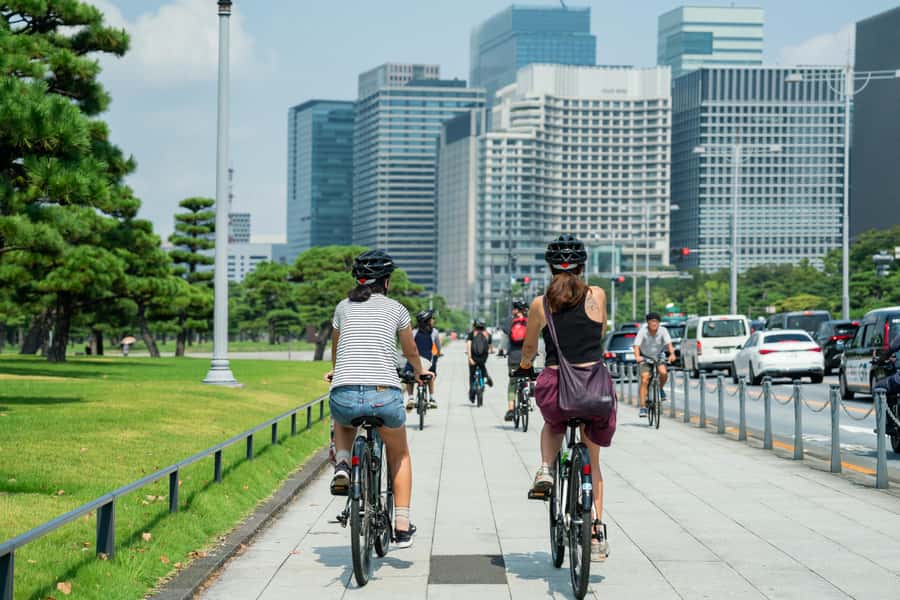
This route is ideal if you want Tokyo’s contrast made physical. You go from temple mood to modern city geometry to park breathing room.
Zojo-ji temple to Tokyo Tower photo spot
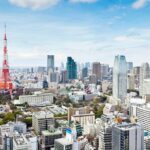
You start at Zojo-ji temple, then roll toward Tokyo Tower with a dedicated photo spot. Even for people who have seen Tokyo Tower from afar, doing it by bike feels different. You get a closer perspective, and you can frame Tower with street patterns instead of just skyline clouds.
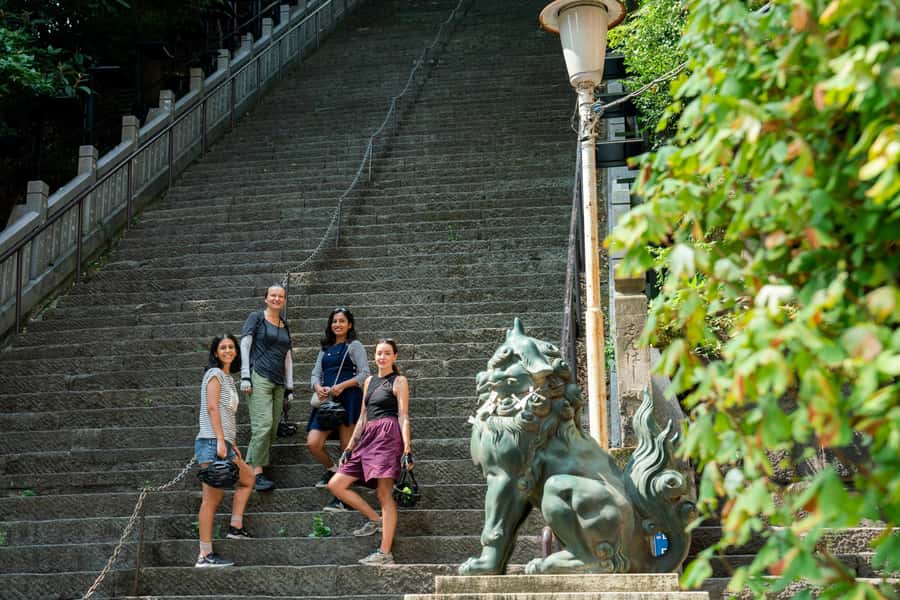
Atago shrine and a traditional snack break
Next is Atago shrine, followed by a snack stop for a Japanese traditional snack. This gives you a rhythm break, plus it keeps the tour from becoming pure speed.
National Diet building and Imperial Palace area, pass by
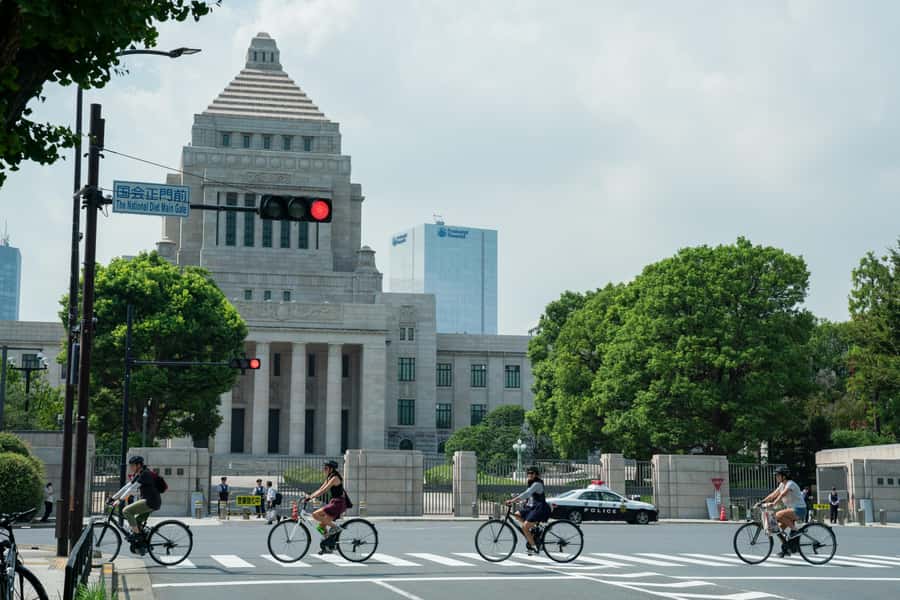
You pass by the National Diet building, then the Imperial Palace area. This is useful if you want to understand Tokyo’s civic layout and how government and historic spaces sit side by side.
Hibiya Park nature break
The route finishes with Hibiya Park. The reason this ending works is that parks give you a calmer final moment. If you’re tired from traffic tension, you get a softer landing before you head back.
The Guides: The Real Secret Sauce
The e-bike handles the legs. The guide handles the meaning.
Across many experiences, guides have been praised for keeping the ride safe, friendly, and informative. You’ll likely hear fun facts, local context, and practical tips for what to notice next after the tour.
Some names that stand out in the history of this tour style include Hiro, Miki, Yota, Yugo, Daichi, Shou, Narita, and Shinobu. The common thread is that the guide isn’t just reciting dates. They’re managing pace and helping people feel confident.
A few practical examples you should expect:
- Help with getting photos without stalling the whole group
- Safety reminders for shared footpaths and pedestrian crossings
- Route explanations so you understand why each stop fits the theme
If you want the most value, ask your guide one smart question during the snack break. Something like what to do next in the district you’re currently riding through. That’s often when the best local ideas show up.
Food Stop Energy: Why the Snack Matters
The included traditional Japanese snack isn’t just included convenience. A snack stop gives you time to regroup, hydrate, and talk. It also makes the ride feel more local, because it’s a natural part of how people move through Tokyo during daily life.
For the Bay Route, snack timing can pair nicely with the changing light near the waterfront. For City and Tokyo Tower routes, the snack stop tends to happen when you’re between major visual zones, so it breaks up the visual intensity.
Price and Value: Is $65 a Fair Deal?
At $65 per person for a 3-hour guided e-bike tour, you’re paying for three things at once:
- The bike and e-assist transport
- A guide who manages route logic and safety
- A structured way to see a lot without exhausting yourself
Compared with paying for transit plus separate paid attractions, the value is strong because you get mobility and context together. You also avoid the common Tokyo travel trap of spending half your day walking between far-apart places.
The only time I’d hesitate on value is if you want a slow, stop-everywhere style of travel. This tour is efficient by design. If you want lingering, plan extra time after the ride at the spots that called to you most.
Safety and Comfort Checklist Before You Book
This tour comes with clear limits. Make sure you fit them:
- Children under 13 are not permitted
- Not suitable if you are under 147 cm in height
- Not suitable if you are over 120 kg
- Not suitable for pregnant women
- Not suitable for people with heart problems
- Not suitable for wheelchair users
If you meet the limits, the ride still requires basic situational awareness. Shared paths with pedestrians and occasional road proximity mean you should feel comfortable riding in a group. If you’re anxious on bikes, I’d treat the briefing as non-negotiable and take your time getting used to the e-assist response.
Winter riders should take note of the gloves included for that season. It’s a small add-on that can change comfort a lot.
Should You Book the Tokyo Hidden-Side E-Bike Tour?
Yes, if you want a smart Tokyo highlight that also gives you different angles, pick this up.
Book it if:
- You want major landmarks plus calmer neighborhoods in one go
- You like the idea of garden time and shrine atmosphere without spending a whole day on transit
- You want sunset or night views with the Bay Route timing
- You trust guides to keep you safe and keep the day fun, like the experiences featuring Hiro, Miki, and Yota
Skip it if:
- You hate shared pedestrian spaces or you are truly uncomfortable on a bicycle
- You’re outside the size or health limits listed for the ride
- You want lots of long, independent exploration with no group pacing
If you’re on the fence, my advice is simple: choose the route that matches your mood. City for balance, Bay for views, Tokyo Tower area for classic Tokyo contrasts. Then bring an open mind and expect the ride to feel like you’re moving through Tokyo with a local’s map in your head.
More Cycling Tours in Tokyo
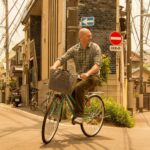
More Tours in Tokyo
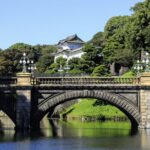
More Tour Reviews in Tokyo
Not for you? Here's more nearby things to do in Tokyo we have reviewed


Tokyo City Tours, side by side.
 ★ 5.01-Day Tokyo Bus TourFrom $12914,250 reviews
 ★ 4.5TOKYO SKYTREE® Admission ticketFrom $1311,192 reviews
 ★ 4.6teamLab Planets TOKYO Digital Art Museum Entry TicketFrom $259,779 reviews
 ★ 4.0Mt Fuji & Hakone Cruise, Drum Show Bullet Train 1 Day from TokyoFrom $1497,413 reviews
 ★ 5.0Shinjuku Food Tour (13 Dishes at 4 Local Eateries)From $866,603 reviews
 ★ 4.4Tokyo Mt Fuji 5th St & Hakone Cruise Bus Tour w/Bullet TrainFrom $1545,024 reviews
 ★ 5.0Flagship 2-Hours Official Street Go-Kart Tour – Tokyo Bay ShopFrom $644,974 reviews
 ★ 4.5From Tokyo: Mount Fuji Full-Day Sightseeing TripFrom $684,970 reviews
This tour also belongs to