
Review · ASAKUSA TOURS
Tokyo: Calligraphy Workshop Craft Your Own Art in Asakusa
Brush strokes can slow Tokyo down. In Asakusa, a calligraphy class helps you learn shodo basics with an English instructor and leave with your own finished artwork.
Two things I really like: Mei-sensei’s teaching style is patient and clear, and you get practical instruction as you build your strokes. Also, the tools are well thought out, with both traditional brushes and a modern fude pen for extra precision.
One consideration: transportation to and from the workshop is not included, so you’ll want to plan your own route through the Asakusa area.
Key Things You’ll Notice in This Asakusa Workshop
- Mei-sensei’s English-led instruction that keeps beginners from feeling lost
- Stroke order practice before you start writing your final piece
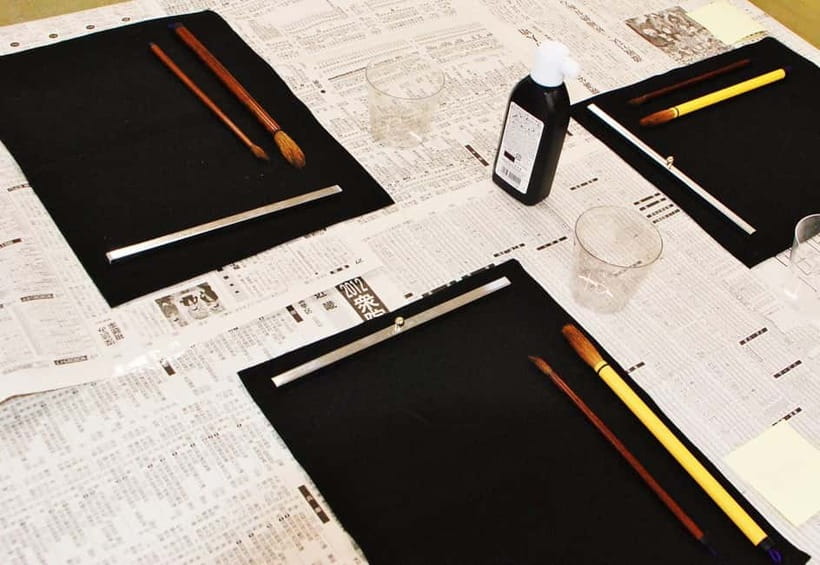
- Traditional brushes plus a modern fude pen, so you can choose what works
- A take-home artwork in a format like a scroll, fan, or a hard-backed square
- Small group size (up to 10) that makes it easier to get help while you practice
Finding The Studio in Asakusa’s Tokyo Tourist Lounge
This experience is set up like a calm, guided workshop, not a sightseeing sprint. Your meeting point is Tokyo Tourist Lounge Asakusa, on the 5th floor. That single detail matters because Asakusa is busy at street level, but your class is up above, inside a dedicated studio space.
If you’ve never navigated Tokyo buildings, plan a little extra time the first time you go. Take a steady approach: get to the correct building, go up to the 5th floor, and look for staff when you arrive. Once you’re inside, the whole feel shifts. People start stretching their hands, not their legs. It’s one of those activities that changes your pace.
Also, the workshop runs in a small group format, limited to 10 participants. That’s a good sign for a class like this, because calligraphy is hard to learn from across the room. You need to see what the instructor does, then try it yourself, then get quick feedback.
More Tokyo tours and experiences for the shortlist



90 Minutes of Shodo, From First Strokes to a Finished Piece
The session is listed at 90 minutes, with a total duration of 1 to 1.5 hours depending on scheduling. For most people, that’s the sweet spot. Long enough to practice, short enough that you don’t feel like you’ll miss the rest of Tokyo.
Here’s the learning arc you should expect:
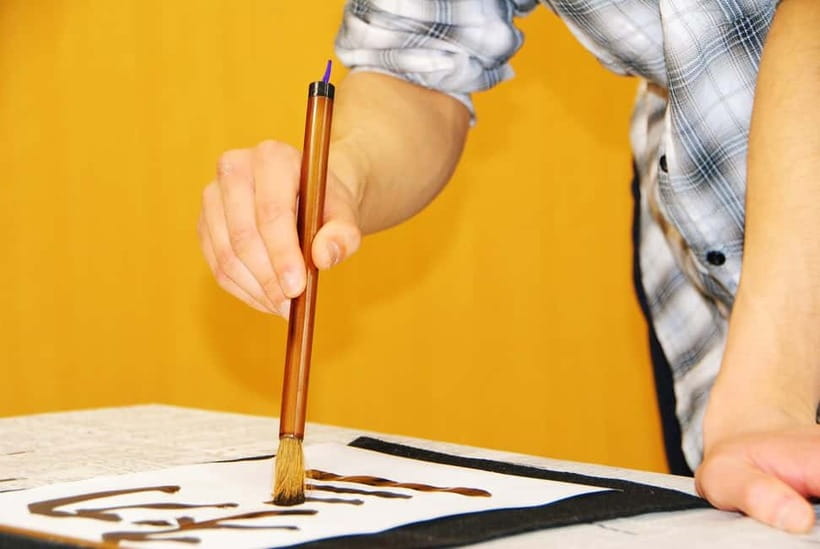
First, you practice core fundamentals. That usually means brush control and stroke order, plus basic technique for forming letters the right way. This is where beginners benefit most, because the instructor can help you avoid common mistakes early, like pressing too hard or rushing the curve.
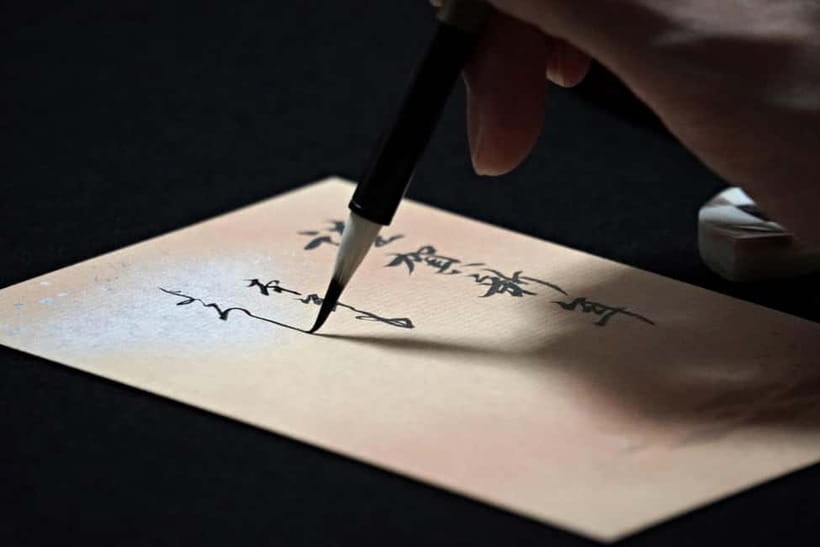
Next, you move from drills into choice. You write characters of your choosing, using the brush and the fude pen option. This is the moment where the class stops being just instruction and becomes personal. You’re not only learning how to make shapes, you’re deciding what those shapes mean for your souvenir.
Finally, you produce a take-home work. Many people leave with a scroll, a fan, or a hard-backed square. You might picture it as a wall piece the moment you’re holding it, especially if the strokes come out cleaner than you expected.
What makes this format especially valuable is the rhythm: practice first, then create. If you’re the type who wants to jump into the final product immediately, you may feel impatient at the start. But after you do a few controlled strokes, the final piece usually feels more achievable.
Stroke Order Practice Is the Real Superpower (Not Talent)
Calligraphy often gets treated like an art you either have or don’t. This workshop takes a more practical approach. You’re taught to follow stroke order, and you practice until your hand learns the pattern.
I like that this training is structured for beginners. You don’t need prior experience, and the goal is not to make you a calligrapher in a single afternoon. The goal is to help you understand what makes shodo look graceful, even when you’re new.
In practice, stroke order affects everything:
- It improves the balance of each character.
- It helps your brush angle and pressure stay consistent.
- It gives you a framework so you stop guessing.
If you’ve ever tried to copy Japanese writing without guidance, you know the difference between tracing and actually learning the stroke logic. Here, you get templates and guidance that help you get there faster. You’re not left alone with a blank page.
Traditional Brush vs Modern Fude Pen, Which One Should You Use?
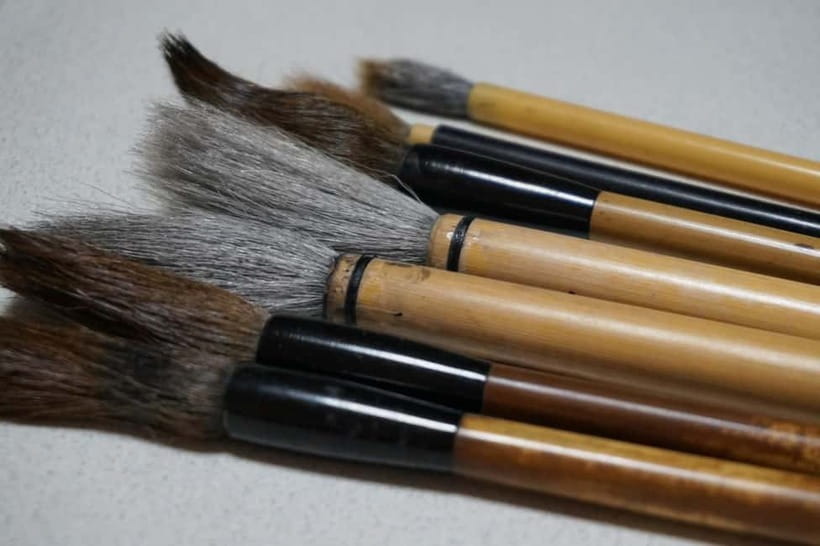
One of the most useful parts of this class is that you get both tools: traditional brushes and a modern fude pen. This is not a gimmick. It helps you learn in two ways.
Traditional brush gives you the classic look of calligraphy, including that subtle variation you can only get with bristles. It rewards slow, controlled movement. If you take your time, your strokes can develop a natural flow that looks unmistakably Japanese.
The modern fude pen adds precision, especially if your hand is still learning how to steer a line. It’s often easier to correct and refine small details, so you can focus on character formation without feeling like your pen is fighting you.
You’ll likely use both during the workshop, with the instructor guiding you toward what works for the specific stroke or character you chose. I like this balance because it lets you enjoy the craft without turning the session into a frustration contest.
Choosing Characters and Making It Personal
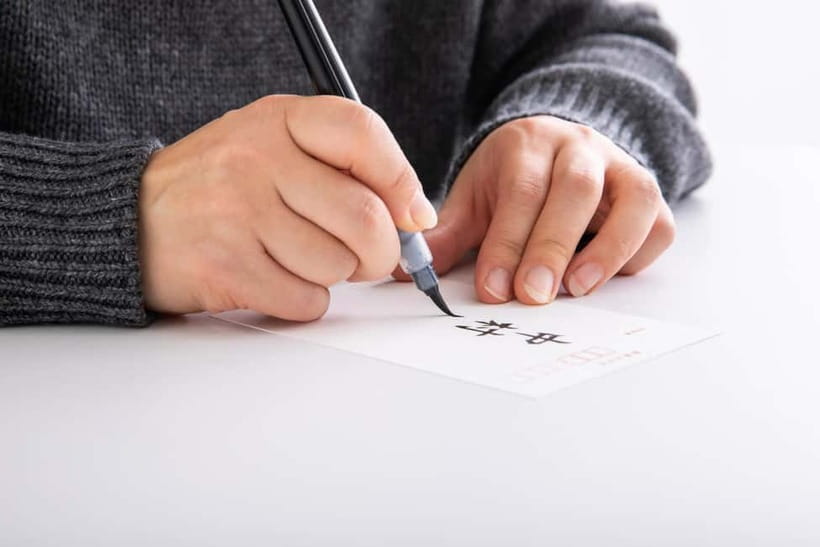
This workshop lets you write characters of your choice. That sounds simple, but it changes the whole emotional payoff. A generic art project sits in a drawer. Your own character has meaning.
You can also end up with different presentation styles for your final work, like a scroll, a fan, or a hard-backed square. That variety is helpful because it affects how you’ll display it at home. Some people will want something that hangs. Others want something compact.
A few practical thoughts if you want your final piece to feel meaningful:
- Decide what you want the character to represent before you sit down.
- If you’re unsure, the instructor’s guidance can help you align the character with what you’re aiming for.
- Don’t overthink perfection. The class is built around practice and improvement during the session.
One of the nicest surprises in this kind of workshop is when your final piece looks better than you expected. The studio environment is designed to keep you moving forward, not stuck. You get encouragement and direction, and you still have enough time to practice before the final writing.






Why the Small Group Format Matters More Than You Think
Limited to 10 participants, this is the kind of class where you can actually learn. In a larger group, you might get a few minutes of attention and then return to solo practice. Here, the instructor can circulate and correct your stroke control while you’re still in the learning phase.
In calligraphy, corrections are quick and specific:
- Where to start a stroke
- How to angle the brush or pen
- When to slow down and let the line settle
- How to finish a stroke cleanly
Also, the vibe is calm. Several people describe the workshop as a peaceful break from Tokyo’s faster rhythm. That’s not just a nice mood detail. It makes a difference in your results. If you’re rushed, your strokes get tense. If you can breathe and focus, your lines tend to look smoother.
If you’re traveling during a busy week or you want one low-effort, high-reward activity, this small group format makes the experience feel personal without becoming intense.
The Instructor Dynamic: Patient Guidance Makes Beginners Stick With It
This class is led by an English-speaking instructor, and the name you’ll hear most is Mei-sensei. People consistently mention how informative and friendly she is, with strong English and a teaching style that keeps beginners comfortable.
What stands out is the blend of technique and context. You’re not just copying strokes. You’re learning about shodo calligraphy and how it connects to Japanese culture and history. Even if you don’t retain every detail, it gives your final artwork more weight.
If you care about getting the explanation behind what you’re doing, you’ll appreciate this. One of the recurring themes is how Mei-sensei shares practical tips, then lets you practice until you feel you understand the motion.
And yes, it’s also meant to be relaxing. Some people describe it as thoughtful, patient, and even meditative in feel. That’s a big part of why it works as a souvenir. It’s not only what you bring home, it’s how you made it.
What You Really Get for About $38
The price is listed at $38 per person. For Tokyo, that’s not an impulse-buy category, but it’s also not pricing you out of trying a hands-on cultural workshop.
Here’s what’s included, and why the package value makes sense:
- The calligraphy workshop itself
- An experienced instructor
- Use of traditional brushes
- Use of a modern fude pen
- Your personal calligraphy artwork to take home
You’re paying for guided practice plus the materials plus the final product. You’re also paying for a real-time instructor who can fix your strokes while they still matter. In art classes, that personalized feedback is the part that saves you time. Instead of practicing for hours to figure out why your strokes look off, you get correction inside one organized session.
Not included is transportation to and from the workshop. That’s the main additional cost you should budget for, because you’ll likely use public transit to reach Asakusa and walk in.
In short: this feels like good value if you want an activity you can actually take home, and you want something more meaningful than a photo stop.
Practical Tips So Your Calligraphy Looks Better on Day One
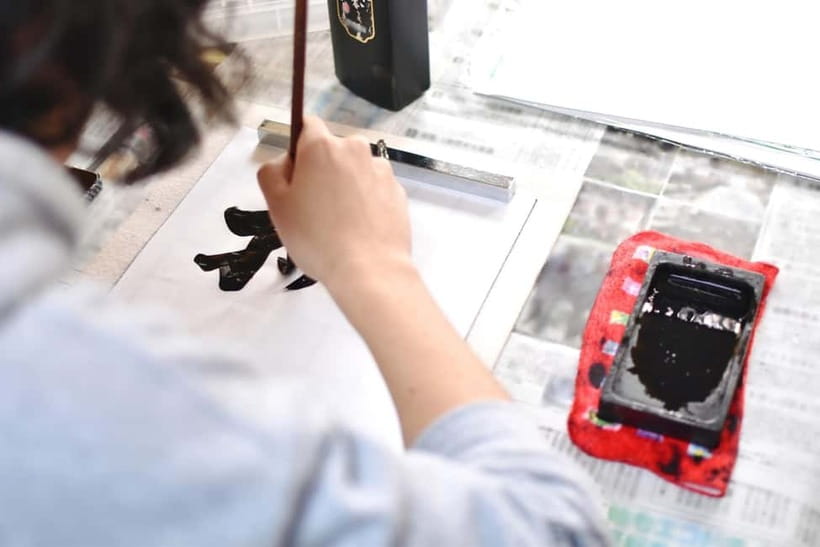
You don’t need prior experience. Still, a little prep helps your outcome and your enjoyment.
First, come with a clear intention for your chosen characters. The more confident you are about what you want written, the less time you spend hesitating at the table.
Second, treat the first practice strokes like warm-up, not a test. Your hand learns through repetition. If your early lines look rough, that’s normal. The workshop is built to help you improve quickly.
Third, use the tools strategically. If you’re still getting comfortable, the fude pen can help you gain control. Once you’re steady, you can lean into the traditional brush for the classic calligraphy feel.
Finally, plan your day so you’re not rushing right before or right after. The workshop is designed to slow you down. If you’re chasing the next train with your heart already racing, you’ll miss the calm focus that makes the strokes look right.
Who Should Book This Workshop in Asakusa?
You should book this if you want:
- A beginner-friendly Japanese cultural activity with real instruction
- A calm break in the middle of a busy Tokyo itinerary
- A take-home souvenir that you can display at home
- A class in English with an instructor who teaches strokes clearly
It’s also a good fit if you’re an art person, even if you’re not trained. One strong theme from the experience is that instruction can satisfy both beginner curiosity and more practiced attention to detail.
Should You Book This Calligraphy Workshop?
Yes, I’d book it if you want a hands-on cultural experience with a clear structure and a meaningful final result. The combination of traditional brushes and a modern fude pen makes it approachable. And the small group, plus Mei-sensei’s patient style, gives you the kind of feedback that usually makes the difference between a neat souvenir and something you’re proud to hang.
Skip it only if you strongly dislike sitting quietly and practicing by hand. This isn’t a fast photo stop. It’s a slow craft session where your effort turns into your own artwork.
If you want an indoor plan for rainy weather in Tokyo, this kind of workshop also makes practical sense. You can keep the day moving without losing the chance to experience something distinctly Japanese.
FAQ
Where is the meeting point for the workshop?
The meeting point is Tokyo Tourist Lounge Asakusa, located on the 5th floor of the building.
How long is the calligraphy workshop?
The duration is 90 minutes, and it can run from 1 to 1.5 hours depending on the starting time.
Is the workshop suitable for beginners?
Yes. It’s suitable for beginners and no prior experience is required.
What materials do I use during the class?
You’ll use traditional calligraphy brushes and also a modern fude pen for added precision.
Is the class taught in English?
Yes. The instructor speaks English, and the group is limited to 10 participants.
Is transportation included, and is the workshop wheelchair accessible?
Transportation to and from the workshop is not included. The workshop is wheelchair accessible.
More Workshops & Classes in Tokyo

More Tour Reviews in Tokyo
Not for you? Here's more nearby things to do in Tokyo we have reviewed












Asakusa Tours, side by side.
 ★ 4.8Japanese Dance Cabaret Theater Asakusa-Kaguwa TicketFrom $492,270 reviews
 ★ 4.7Meiji Shrine, Asakusa, Skytree Bus Tour and CruiseFrom $1221,986 reviews
 ★ 4.9Roll and Authentic Sushi Making Class in AsakusaFrom $581,957 reviews
 ★ 4.8Asakusa Walking Tour with Sensoji Temple VisitFrom $221,583 reviews
 ★ 5.0Tokyo Asakusa Rickshaw TourFrom $421,375 reviews
 ★ 4.5Tokyo Panoramic 1 Day: Meiji Shrine, Asakusa, Odaiba and SKYTREE®From $851,222 reviews
 ★ 5.0Tokyo Go Kart: Asakusa, Skytree, and Akihabara **IDP MUST**From $99988 reviews
 ★ 4.7Asakusa, Skytree & Akhihabara Go-Kart City ExperienceFrom $96761 reviews
This tour also belongs to