
Review · ASAKUSA TOURS
Tokyo: Asakusa & Tokyo’s Oldest Temple Senso-ji Walking Tour
A temple walk in Tokyo, starting at thunder gate. I like how this tour strings together Senso-ji and the Asakusa neighborhood into one easy route, and I like that the guide turns the scenery into stories you can actually use. One possible drawback: it is focused on a single area, so if you want lots of far-flung sights, this may feel a bit concentrated.
The route is simple to follow, and the small group size (up to 10 people) keeps the pace relaxed. You also get the comfort of not planning the day yourself, with a live English guide handling the flow from shopping street to temple grounds and back.
The biggest practical thing to consider is that you are on your feet for about 2 hours, so wear shoes you can walk in without thinking about it.
Key points worth knowing
- 雷門交番 meeting point: you start right at Kaminari-mon Police Station, which makes the whole plan feel straightforward.
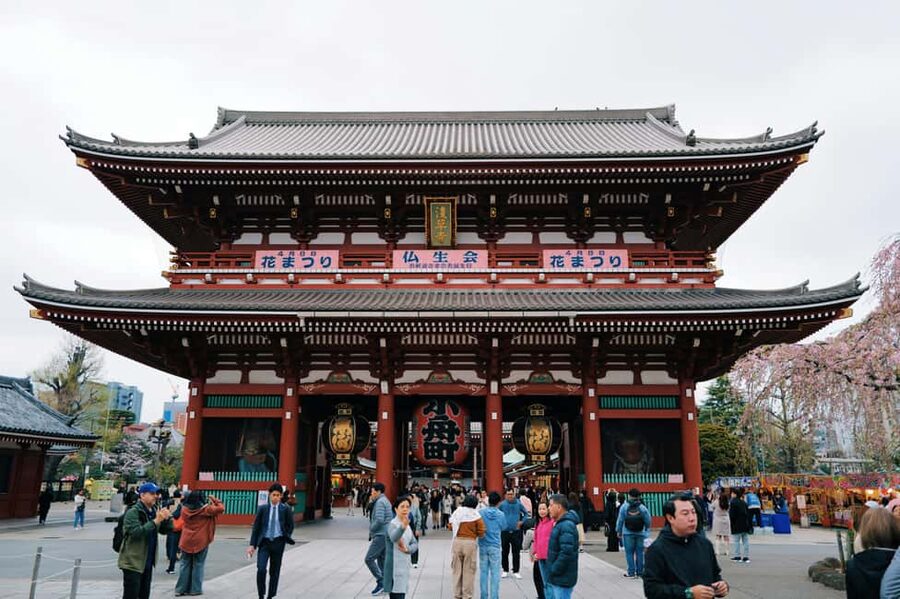
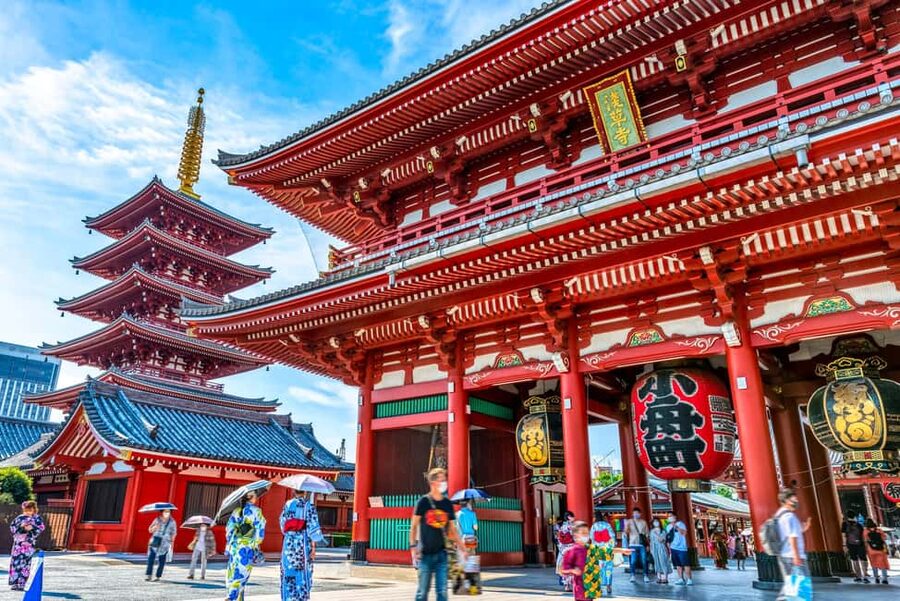
- Kaminarimon Gate photo stop: you pause for photos at one of Tokyo’s most famous temple entrances.
- Nakamise Street in one focused hour: a dedicated stretch for traditional shops, lantern-lined vibes, and street snacks.
- Senso-ji storytelling adds meaning: you hear legends and history tied to what you are seeing, not just dates.
- Asakusa side streets and tucked-away spots: the guide helps you find spots that first-time visitors often skip.
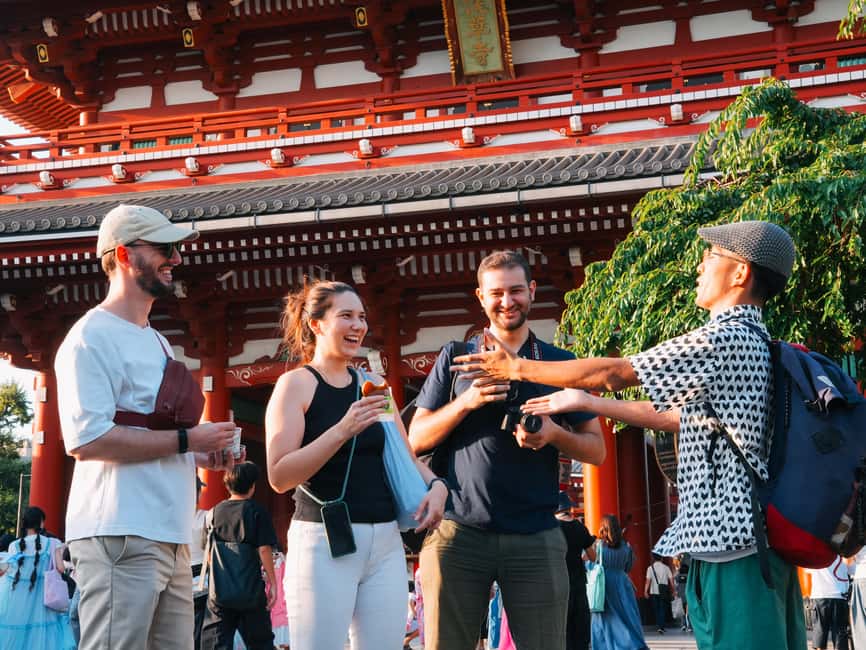
- English guide, small group: a more conversational experience, with a chance to feel personally guided.
Why Senso-ji feels like Tokyo’s time machine
If you only have a short amount of time, this is one of the best ways to understand Tokyo’s past. Senso-ji is described as the temple that has stood since the 7th century, and that alone sets the tone. Asakusa around it still carries echoes of older Tokyo, especially the Edo-era feel, where street life and spiritual life grew up side by side.
What makes the tour work is how the guide connects the visible parts to the bigger story. You do not just look at gates and buildings. You learn the legends tied to the temple and the neighborhood. The guide also brings up how Asakusa used to be a cultural center, including references to geisha quarters and the way the area changed over time, from samurai strongholds to post-war revival.
I especially like tours like this because you end up with mental “labels” for what you see. Even if you move on the next day, the names and stories stick. That means your photos also become more than pictures. They become bookmarks.
You can also read our reviews of more walking tours in Tokyo

Getting Oriented at 雷門交番 (Kaminari-mon Police Station)
You meet up at KAMINARIMON POLICE STATION, written as 雷門交番. That is a smart choice for a walking tour, because it is easy to anchor yourself to a real landmark instead of trying to decode a vague neighborhood meet point.
This tour also does not include hotel pickup or drop-off. That is normal for a short walking format, but it changes how you plan your day. If you are staying somewhere central, you can keep it simple and just head to the meeting point when you are ready. If you are farther out, give yourself a little extra time to get there on foot, subway, or taxi depending on where you are.
Once you start at Kaminarimon’s area, everything feels like it flows naturally. You are not bouncing between far sections of Tokyo. The whole point is that you can watch an old district unfold in front of you, at a walking pace.
Nakamise Shopping Street: lanterns, sweets, and easy souvenir browsing
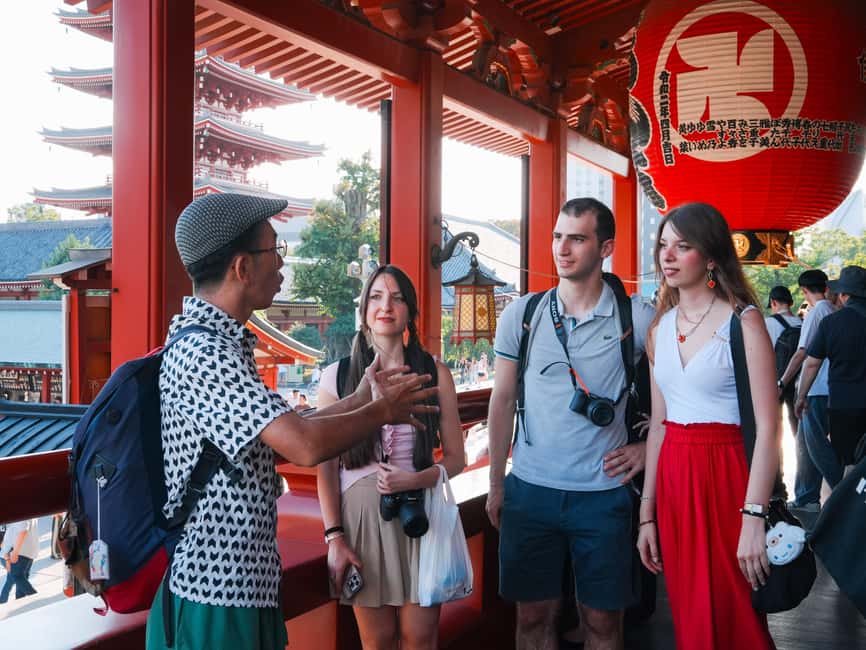
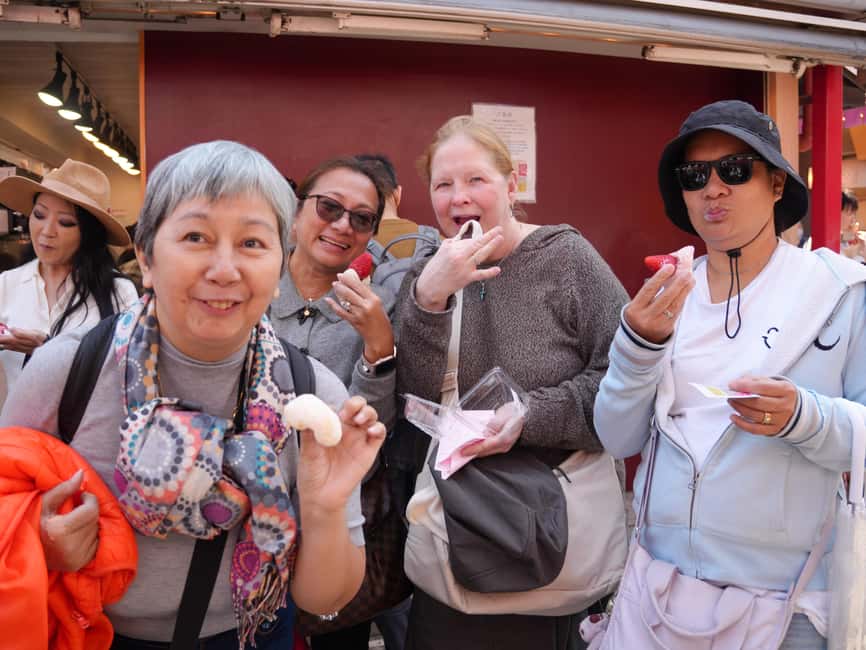
The tour spends about an hour on Nakamise Shopping Street, and this is where Asakusa starts to feel like a lived-in place rather than a museum stop. You walk along traditional storefronts with the kind of lantern-lit atmosphere you associate with older Japanese city streets. The description also points to the smells of freshly made sweets and street snacks, which is a big part of why Nakamise works as a first stop.
This is a good time to do two things at once: get your bearings and browse without pressure. If you are the type who likes to learn while you shop, the guide’s explanations can make the souvenirs and shopfront styles feel more intentional. If you just want photos and a quick taste, this stretch is built for that too.
One practical tip: since you will likely see lots of tempting items in a tight space, decide ahead of time what you want to buy, if anything. The street is perfect for small gifts and edible treats, but it is also easy to overspend when everything looks traditional and photogenic.
Also, because it is a walking tour with a group, you will want to keep moving with the schedule. If you linger too long at one stall, you may feel rushed later.
Inside Senso-ji: Kaminarimon Gate, temple stops, and the stories that stick
Next comes the heart of the experience, Senso-ji. You get a photo stop at the famous Kaminarimon Gate, then time to visit the temple area. Even if you have seen pictures online, being there in person is different. The scale of the entrance, the flow of people through the space, and the temple’s presence in the surrounding neighborhood all hit at once.
What I like most here is the guided storytelling. The tour is set up so you learn why certain legends exist and how the temple connects to Tokyo’s older identity. The guide also mentions things like geisha quarters and hidden shrines, which helps explain why Asakusa feels layered, like the city never fully “reset” after one era ended.
This is the part of the day where you can slow down just a bit and actually look. When someone gives you context, you start noticing the details you would normally ignore. You might catch the significance of certain architectural elements, or you might simply understand the atmosphere better.
If you are someone who visits temples quietly and wants a reflective moment, this guided format still gives you that option. You can use the photo stop and visit time to pause. Just keep in mind the group timing, so you do not drift too far from where the guide is directing you.
Asakusa after the temple: Edo-era echoes in everyday streets
After Senso-ji, the route continues through Asakusa for about 80 minutes. This section is where the tour shifts from “major sight” to “neighborhood feeling.” The goal is to show you the surrounding district as part of the temple experience, not as an afterthought.
Asakusa is presented as a place where the past still shows through, even with modern Tokyo nearby. The guide helps with that by pointing out echoes of Edo-era life, explaining how the neighborhood has transformed across centuries, and highlighting tucked-away locations that many first-time visitors overlook.
This is also where the tour becomes more personal. Rather than repeating the same temple details, you start to understand the district as a network of small places: side streets, smaller shrines, and spots connected to older entertainment and local traditions.
For you, this part matters because it turns Senso-ji into more than a standalone attraction. You finish with a clearer sense of what Asakusa actually is. You are not just standing at the temple. You are seeing the neighborhood around it.






Guide quality, English flow, and what the small group changes
The tour is led by a live English guide, and the group size is limited to 10 participants. That small-group limit matters. With fewer people, you tend to get more of a conversation, and it is easier for the guide to adjust explanations to the group’s interests.
Names that come up in the guide experience include Lax and Shoma. Both are described as friendly and helpful, with strong English. One person highlighted the guide’s ability to explain the differences between Japanese and Anglo ways of thinking, which is exactly the kind of detail that makes a temple visit feel more relevant.
There is also a useful bit of honesty in the feedback: one review suggested the guide could engage more with the group and weave facts into the story more actively, since the tour stays focused around one location. That is not a deal-breaker. It is just good to know that, like any experience, delivery style matters.
If you end up with a more talkative and story-driven guide, you will likely get more out of the time you spend walking. If you prefer quiet and minimal commentary, you might still enjoy it, but you may want to focus on your own looking and photo stops.
Price and value: getting a lot for $11
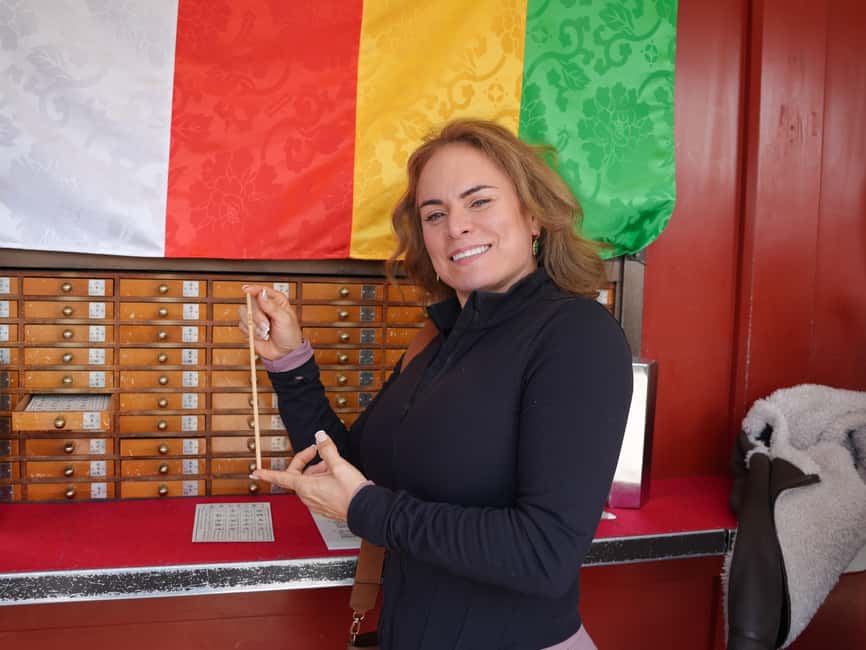
At $11 per person, this tour is priced like a budget-friendly way to get guided context for one of Tokyo’s most iconic temple areas. For that price, you get a live guide, a structured walking route, and admission tied to Senso-ji. You also get a focused tour of Nakamise Shopping Street and Asakusa as part of the package.
So what is the real value? It is not just the temple entrance. It is the translation of what you see into understandable stories, plus the convenience of having the route laid out for you. When you are new to Tokyo, that matters. You spend less time figuring out where to go next, and more time enjoying the place itself.
The one value trade-off is the scope. Since the tour centers on Asakusa, you are paying for depth in one area, not variety across the city. If you want a “Tokyo greatest hits” sampler, you might feel this tour is too narrow. If you want a smart introduction to one historic neighborhood, the cost becomes easier to justify fast.
Overall, this looks like strong value for money if you like guided walking and want a low-stress way to understand Senso-ji and the streets around it.
Who should book this Senso-ji and Asakusa walking tour
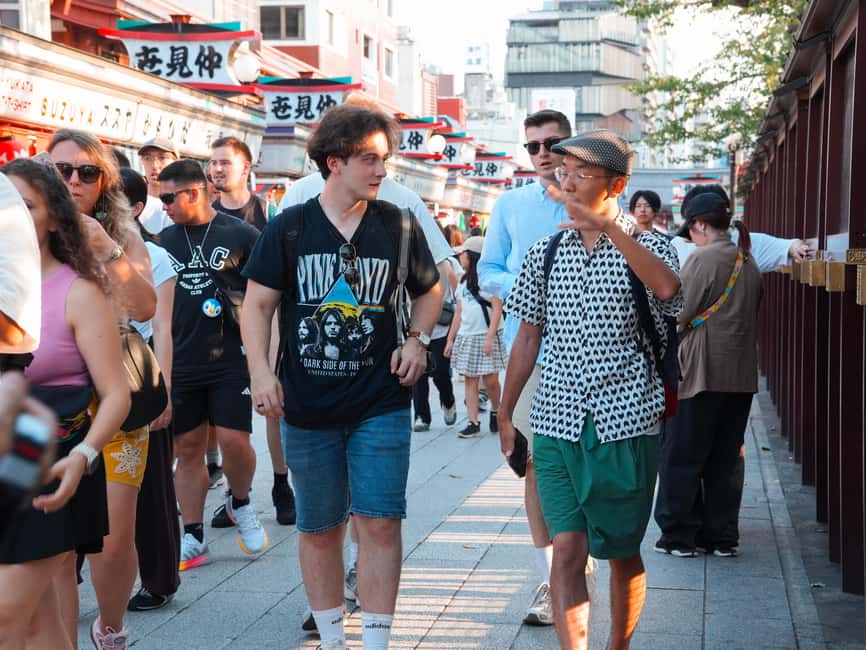
This tour fits best if you are:
- A first-time Tokyo visitor who wants an easy cultural orientation in a single neighborhood
- Interested in how Tokyo’s history shows up at ground level, not just in indoor museums
- Someone who likes guided context while still having freedom to shop and take photos
- Traveling with limited time and wanting a plan that is hard to mess up
It is also a good choice if you want to keep the day simple. You get a clear meeting point, a two-hour format, and a route that stays in one zone. That means fewer logistics headaches.
If you prefer going entirely on your own, you may still enjoy Asakusa without a guide. But you would likely lose the “why” behind the sights. This tour is designed to give you that meaning.
Should you book this tour
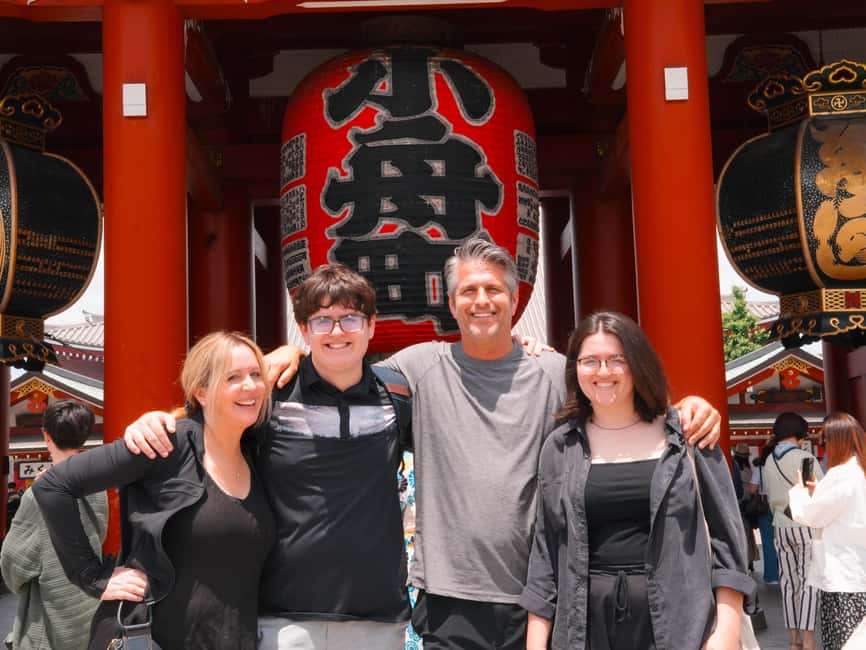
Book it if you want a guided walk that turns Senso-ji and Asakusa into a story you can remember. The combination of a famous temple, a dedicated stretch on Nakamise Shopping Street, and time exploring the surrounding neighborhood makes it a solid intro without overcommitting your schedule.
Skip it or compare options if you want multiple distant landmarks or a broader day plan across Tokyo. Also, if you are picky about guide style, it helps to know that this route stays concentrated around one area, so engagement depends a lot on the guide’s storytelling approach.
If your goal is simple, get your bearings, learn the key legends and history, and leave with better photos and better context, then this is an easy yes.
FAQ
How long is the Senso-ji walking tour?
The tour duration is listed as 2 hours.
How much does it cost?
The price is listed as $11 per person.
Where do I meet the guide?
Meet up is at KAMINARIMON POLICE STATION (雷門交番).
Is the tour in English?
Yes, the live tour guide language is English.
What is included in the ticket price?
Included items are the guide, the walking tour, and admission to Asakusa, Nakamise Shopping Street, and Senso-ji Temple.
Does the tour include hotel pickup and drop-off?
No, hotel pick up and drop off are not included.
More Walking Tours in Tokyo

More Tours in Tokyo

More Tour Reviews in Tokyo
Not for you? Here's more nearby things to do in Tokyo we have reviewed












Asakusa Tours, side by side.
 ★ 4.8Japanese Dance Cabaret Theater Asakusa-Kaguwa TicketFrom $492,270 reviews
 ★ 4.7Meiji Shrine, Asakusa, Skytree Bus Tour and CruiseFrom $1221,986 reviews
 ★ 4.9Roll and Authentic Sushi Making Class in AsakusaFrom $581,957 reviews
 ★ 4.8Asakusa Walking Tour with Sensoji Temple VisitFrom $221,583 reviews
 ★ 5.0Tokyo Asakusa Rickshaw TourFrom $421,375 reviews
 ★ 4.5Tokyo Panoramic 1 Day: Meiji Shrine, Asakusa, Odaiba and SKYTREE®From $851,222 reviews
 ★ 5.0Tokyo Go Kart: Asakusa, Skytree, and Akihabara **IDP MUST**From $99988 reviews
 ★ 4.7Asakusa, Skytree & Akhihabara Go-Kart City ExperienceFrom $96761 reviews
This tour also belongs to