
Handmade chopsticks make Tokyo feel personal. In just an hour at Shinjuku West Square Building 10F, you choose your wood and length, carve them into shape, and finish with natural oil, with English support from instructors like Masa or Koji.
I especially like that it is a real craft workflow, not a toy souvenir. You smooth the surface and edges so the final pair feels good in your hand, then you can personalize them with an optional name engraving. The main thing to consider is practical: the workshop is up on the 10F, and a couple people note the entrance can be a little tricky to spot at first.
Key things I’d focus on before you go
- Wood choice is the fun part: pick from different types with distinct grain and color
- Length matters: you choose short or long so the chopsticks fit your grip
- The carving tool is simple and satisfying: a hand plane shapes the sticks while you work
- Sanding is where comfort happens: edges and surfaces get refined for an easy feel
- Natural oil finishes everything: it protects and brings out a warm, soft look
- Personalization is built in: you can add a name in Japanese or your native language
Shinjuku West Square Building 10F, and how to not waste time
This workshop is set up as a clean, one-session experience. The meeting point is Shinjuku West Square Building, 10F, which is convenient if you are already planning to be around Shinjuku during your Tokyo trip. The area is easy to reach by train, and Shinjuku is one of the best places in Tokyo to base a quick activity like this.
The practical tip: you want to arrive with enough buffer time to locate the entry and get upstairs without stress. Since you are going to be doing handwork, starting calmly helps. One of the few friction points people bring up is simply finding the entrance, so treat the first 10 minutes as setup time, not a race.
If you are traveling with kids, or you want something low-pressure after a long day of walking, this is a good fit. It is also listed as wheelchair accessible, which matters in Tokyo where “easy access” sometimes means “easy once you are inside.”
More Tokyo tours and experiences for the shortlist


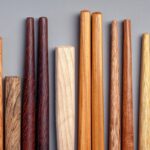
Choosing your wood and the length that fits your hand
The workshop starts in the best way, with options. You select from a variety of wood types, each with its own look, from light tones to darker shades and visible grain differences. This is not just aesthetic. The wood you pick changes how the final chopsticks will feel and look once they are sanded and oiled.
Then you choose the length. Short or long gives you control over how the chopsticks sit in your hand. If you have small hands, shorter sticks can feel more natural. If you are used to longer chopsticks, you might prefer long so you do not feel like you are working too close to the tips.
A useful heads-up based on real experiences: some wood choices may come with an extra fee for premium pieces, while others may be included. If you are budget-focused, you should treat wood selection as the main decision point for value. If you love the idea of going for something special, that upgrade can be worth it because it also makes your finished souvenir more personal.
Carving with the hand plane, then sanding for comfort
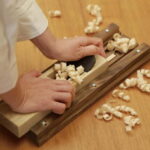
Once you have your wood and length, the shaping begins. Your chopsticks sit on a stand, and you use a hand plane to carve them into the correct form. This part is surprisingly fun because you can see progress quickly. It also helps that the process is designed for beginners. If you have never held a plane before, you are not expected to be a woodworker.
What makes this stage good for you as a traveler is the pacing. You are not rushing from one landmark to the next. You are working with your hands, and you get that calm, focused feeling that makes a break from Tokyo crowds actually refreshing.
After carving, you switch to sanding. This is where the workshop turns from “I made something” into “this feels right.” You smooth the surface and edges so your chopsticks are comfortable to use. In practical terms, this matters because rough edges make chopsticks annoying fast, especially if you plan to use them for meals later.
If you do make a mistake, the staff support is part of the experience. Some instructors are known for being patient and encouraging, and there are accounts of being able to redo a chopstick if something goes wrong. That is a big deal if you are traveling with a friend, a partner, or kids who might worry about messing up.
Natural oil finish: what you get, and what to do after
The final material step is applying a coat of natural oil. This does two things. First, it helps protect the wood. Second, it brings out the warmth of the grain so the chopsticks look polished without looking artificial.
Expect the finished pair to feel smooth to the touch right away, but treat the surface gently after the workshop. If you plan to pack your chopsticks for travel, bring a small bag or wrap them carefully so the oil and finish do not get scuffed in your luggage.
This oil step is also why the $6 price makes sense. You are not just getting a carved stick. You are getting a complete finishing process that turns raw wood into something usable.
Optional engraving in Japanese or your native language
If you want your souvenir to feel like yours, the optional engraving is the best add-on. You can have your name engraved in Japanese or in your native language. For people who like details, this is the stage that turns a fun workshop into a keepsake.
A practical note: engraving may be done with an engraving laser rather than a traditional hand-cut method. Either way, you are not expected to be an engraver. Staff guide you through it, and the goal is a clean result that you can recognize later.
If your chopsticks are light enough, some people report that engraving can include pictures or more detailed elements. That is not something you should plan around, but it gives you a sense of what is possible depending on your wood choice and the characters or design you select.






Who this workshop suits, and when it may not
This class works well for almost anyone who wants a hands-on activity in Tokyo that does not require prior skills. It is beginner-friendly, and the staff are English speaking. Many instructors are described as patient, interactive, and supportive, with names like Lucy, Mimi, Fu, Arma, Shu, Jen, Yuki, Ken, Karen, Tom, and Kazuki appearing in different sessions.
So who is it best for?
- Couples looking for a shared activity that is not just eating
- Solo travelers who want a structured, easy-to-follow experience
- Families with kids who need something creative and not overly technical
- Anyone who wants a souvenir that is actually useful at home
When might it be less ideal?
- If you only want “see and photograph” sightseeing, this will feel more hands-on and less scenic
- If you are extremely sensitive to noise or tools, carving and sanding involve physical activity, not silent crafting
- If you hate being in a public workshop setting, you will want to go in expecting a casual group environment
Overall, it is a low-cost, high-reward kind of activity. The main job is just listening, following along, and focusing on steady steps.
Price and value: why $6 feels like a bargain in Tokyo
At $6 per person, this is one of the easier ways to get real value from Tokyo pricing. Most souvenir shopping in major areas costs more than this, and it gives you less personal meaning. Here, your money goes into materials, tools, guidance, and the full finishing process.
The included items matter:
- Selection of wood
- Carving and shaping
- Sanding and smoothing
- Application of natural oil
That is not a token gesture. It is a full workshop session that ends with finished chopsticks you can actually use.
The optional personalization also adds perceived value without turning the experience into a high-ticket upsell. If you want the engraved name, you have the chance to make it one-of-a-kind. And if you pick a premium wood option that costs extra, you are still controlling your own budget because you decide where to spend.
In plain terms: you are paying for an hour of instruction, tools, and finishing. That is why the price feels fair.
A simple plan so your hour goes smoothly
Because the whole event is one hour, you should treat it like a focused appointment. Here is how to make it easy on yourself:
- Choose your wood based on the look you want after oil, not just what it looks like before sanding
- Pick short or long based on your grip, especially if you have your own preferred chopsticks at home
- Expect sanding to take a minute, and do not rush it if you want smooth edges
- If you want engraving, think about characters early so you are not deciding at the last second
Also, wear comfortable clothes. You are carving wood, and you might get a bit of dust from sanding. It is not described as messy, but handwork is still handwork.
Finally, remember that meals and transportation are not included. Build in time to grab food afterward if you are doing this mid-day or early evening.
FAQ
How long is the chopstick-making workshop?
The workshop duration is 1 hour.
Where do I meet for the workshop?
The meeting point is Shinjuku West Square Building 10F (coordinates 35.6959774, 139.6984349).
Is there an English-speaking guide?
Yes. The guide and staff are English speaking.
Is it suitable for beginners?
Yes, it is suitable for beginners.
What is included in the price?
You get wood selection, carving and shaping, sanding and smoothing, and the application of natural oil.
Can I engrave my name on the chopsticks?
Yes, you can have your name engraved in Japanese or your native language as an optional touch.
Is it wheelchair accessible?
Yes, it is listed as wheelchair accessible.
How much does it cost?
The price is $6 per person.
Is free cancellation available?
Yes, you can cancel up to 24 hours in advance for a full refund.
Are meals included, and is transportation provided?
Meals are not included, and transportation to the venue is not included.
Should you book this chopstick workshop?
If you want a Tokyo souvenir that feels earned, not bought, book it. The best reasons are simple: you control the wood and length, you do the carving and sanding yourself, and you leave with finished chopsticks that are actually usable thanks to the oil finish.
It is also a smart choice if you are trying to balance busy Tokyo sightseeing with something calm and hands-on. If you are worried about difficulty, you do not need prior skills, and English support is available during the process.
The one reason to hesitate is only logistical: make time to find the 10F entrance without rushing. If you plan for that, this hour is one of the most practical, personal ways to spend a day in Tokyo.
More Workshops & Classes in Tokyo

More Tour Reviews in Tokyo
Not for you? Here's more nearby things to do in Tokyo we have reviewed







Tokyo City Tours, side by side.
 ★ 5.01-Day Tokyo Bus TourFrom $12914,250 reviews
 ★ 4.5TOKYO SKYTREE® Admission ticketFrom $1311,192 reviews
 ★ 4.6teamLab Planets TOKYO Digital Art Museum Entry TicketFrom $259,779 reviews
 ★ 4.0Mt Fuji & Hakone Cruise, Drum Show Bullet Train 1 Day from TokyoFrom $1497,413 reviews
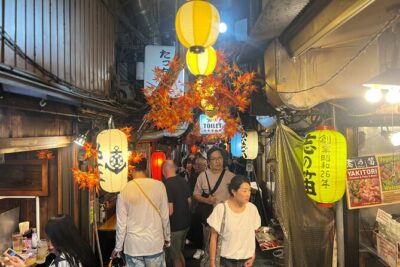 ★ 5.0Shinjuku Food Tour (13 Dishes at 4 Local Eateries)From $866,603 reviews
 ★ 4.4Tokyo Mt Fuji 5th St & Hakone Cruise Bus Tour w/Bullet TrainFrom $1545,024 reviews
 ★ 5.0Flagship 2-Hours Official Street Go-Kart Tour – Tokyo Bay ShopFrom $644,974 reviews
 ★ 4.5From Tokyo: Mount Fuji Full-Day Sightseeing TripFrom $684,970 reviews
This tour also belongs to