
Review · TOKYO CITY TOURS
Tokyo: Private City Highlights Tour with Local Guide
Tokyo can feel like sensory overload. This private tour gives it a map and a story.
I love that it is fully customizable, so you choose your Tokyo hits instead of getting stuck on someone else’s list. I also like the licensed guide angle, plus the way guides help you understand what you are seeing, not just where to stand for photos. One catch to plan for: it is a walking day using public transport, so you will want comfy shoes and patience for transfers.
The best part is how the day flexes. Guides like Fumiko, Nobu, Steve, and Kenji are praised for planning ahead, setting a good pace, and explaining culture in clear, practical ways. You also get helpful navigation support, including tips for metro use that can make the rest of your stay much easier. The one drawback is that you are paying for time with a guide, not for all your personal spending, since entrance fees, lunch, and transit costs are extra.
Key things I’d focus on before you book
- A nationally licensed guide- interpreter to connect sights with Japanese history and culture
- Private, hotel-based starting point with pickup and drop-off included
- Pick from top districts like Asakusa, Imperial Palace, Harajuku, Meiji Jingu, Tsukiji, Akihabara, and more
- Smart movement, not a car tour using trains and local taxis when needed
- Guides who tailor for your pace and often help with what to eat and how to get around
A licensed guide who tailors Tokyo in one day
This tour works because you steer it. You choose which stops you want from a menu that includes classic landmarks and some fun modern pockets, then your guide builds a route that fits your interests and your time window.
The guide side matters here. This is not just a person holding a phone and pointing. The tour uses a licensed local guide with a Japan government issued Tour Guide-Interpreter certification, which means you should get more than basic facts. In the guide stories, people keep highlighting the same themes: good planning, clear cultural context, and explanations that make the city feel less random.
You also benefit from the private format. If your group wants more shrine time, less shopping time, or extra breaks, the day can adjust. That flexibility showed up again and again in the feedback about guides like Yumi, Atsushi, and Lance, especially for families and first-timers.
You can also read our reviews of more guided tours in Tokyo
Price and logistics: what $106 really buys
The price is listed as $106 per person, with 4 – 8 hours of guided time. For that money, you are really buying three things: a licensed guide, hotel pickup and drop-off, and free photos.
What is not included is important. Entrance fees, your own transportation costs, and lunch are extra. You will also want cash, since you are told to have Japanese Yen on hand for local transit expenses, and the tour uses public transport plus local taxis when appropriate.
Also note the movement style. Even with pickup and drop-off, it is a walking day tour without a private vehicle. That is good value for most people, but it can be a lot if you dislike walking or you have limited stamina.
How the itinerary works: pick your Tokyo mix
Your route is customizable, so it helps to think in themes instead of individual checkboxes. If you want history plus atmosphere, you can combine Asakusa with the Imperial Palace area and then add Meiji Jingu for a contrast. If you want modern Tokyo, you can build a loop through Harajuku, Takeshita Street, Akihabara, and then end in Shinjuku.
Here is a practical way to plan your day choices:
Classic Tokyo first-timer route (common structure)
- Start in Asakusa for Senso-ji and the old-city vibe
- Walk or transit to the Imperial Palace Outer Gardens area
- Swing to Harajuku for trendy street energy and a fun lunch pause
- Finish with the quiet reset of Meiji Jingu Shrine
That general flow matches the tour’s suggested way to start, and it is also how many guides keep the day balanced: busy sight, calmer sight, then a photo-friendly finish zone.
Modern Tokyo and nightlife add-on
If you want more city texture, you can swap in Akihabara (anime and tech culture) and Shinjuku Golden Gai (small alley bars). A guide can help you place these stops so you are not exhausted by the time you reach them.
You can also read our reviews of more city tours in Tokyo





Garden and quiet time
For a slower pace, the list includes Shinjuku Gyoen National Garden, Hama Rikyu Gardens, and Nezu. This is where the tour can feel especially smart, because Tokyo’s pace can wear you down. Breaking up the day with green space keeps you fresh.
Asakusa and Senso-ji: old Tokyo with a plan
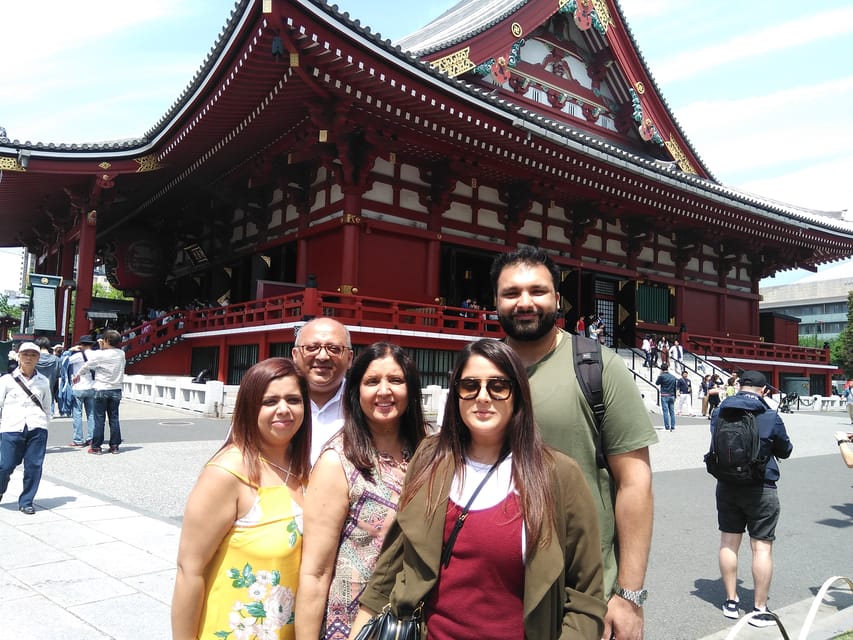
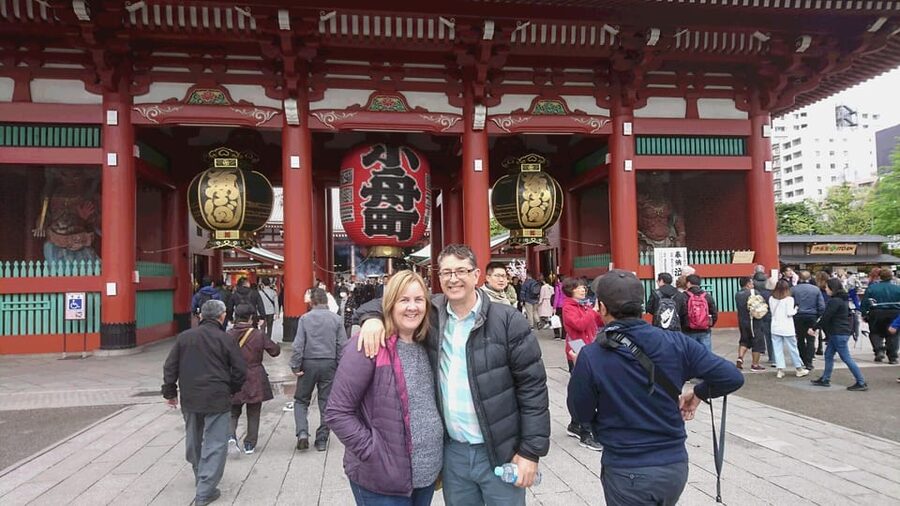
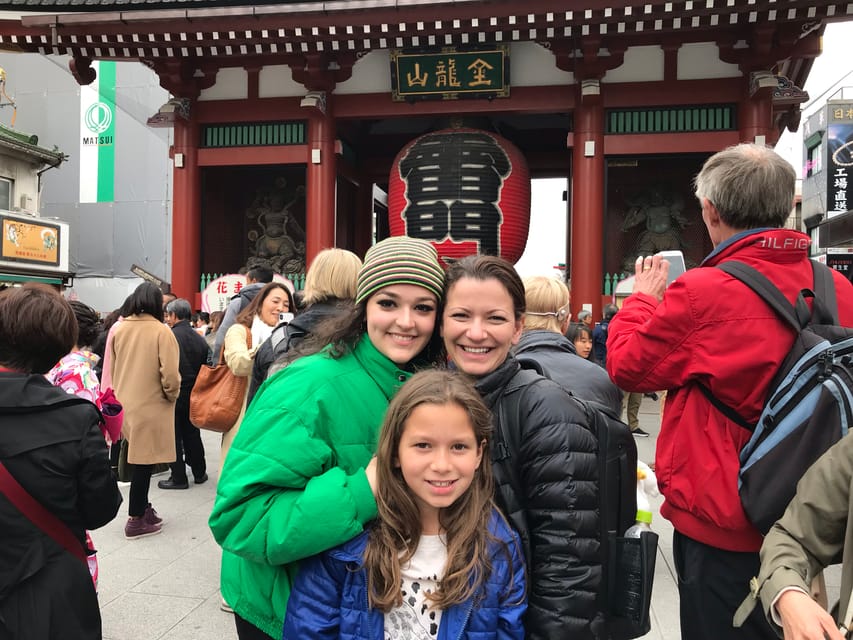
Asakusa is where Tokyo starts to feel human. The tour lists Senso-ji Temple as a top starting point, and a guide will typically bring you into the area so you get that classic temple approach, incense atmosphere, and the sense of an older city layered under the skyline.
One detail that shows up in the guide feedback is that some routes include Nakamise Dori, the shopping street right by Senso-ji. It is a useful add-on because it gives you quick context, snack options, and easy photo angles without needing extra time to hunt.
Potential drawback: Asakusa can get crowded. A good guide helps by timing your walk and steering you through the flow. If you hate crowds, tell your guide early and you can often adjust the order of the day.
Imperial Palace Gaien and the timing question
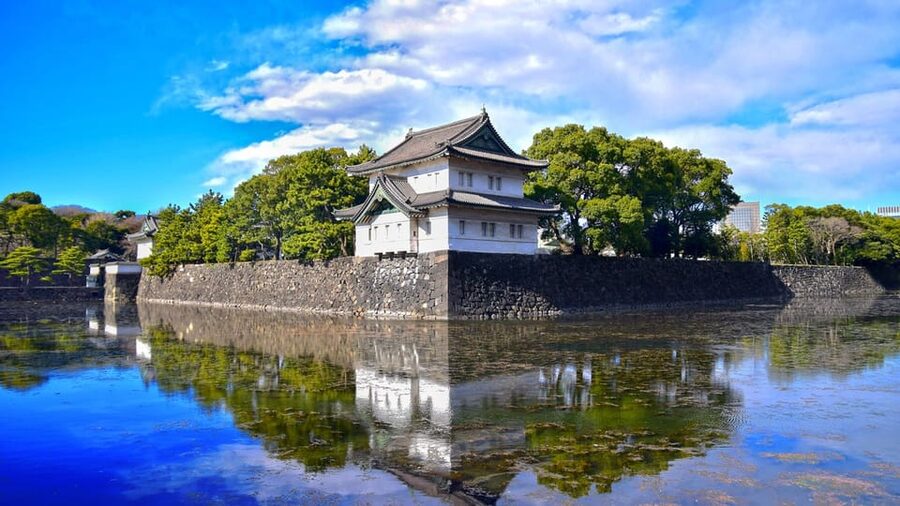
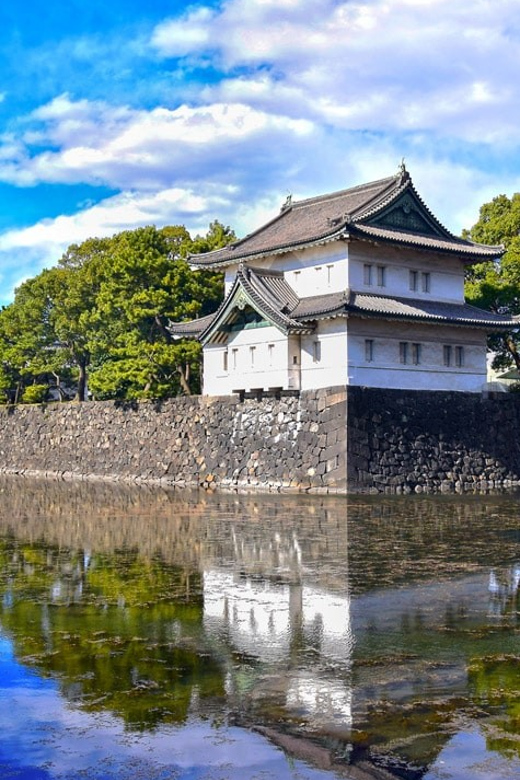
The tour highlights the Imperial Palace Outer Garden (Gaien) option, and you may also see the East Gardens mentioned in some itineraries. The Imperial Palace area is not just a “big building” moment. It is a lesson in how Tokyo’s modern identity sits next to older political power.
One of the most helpful practical takeaways from guide stories is timing and access. A guide like Kenji is praised for explaining that going inside the Imperial Palace grounds depends on specific times, and then helping arrange the right moments. In other words, you might see it outside, or you might be able to get more access depending on the day.
What you can do: set expectations with your guide when you plan. If Imperial Palace access is a priority, say so early, and ask what is realistic within your time window. That small conversation can turn a normal stop into a bigger memory.
Harajuku and Takeshita Street: kawaii energy with a cultural frame
Harajuku is fun because it is immediate. The tour includes Harajuku and Takeshita Street as a must-see option, and it also suggests lunch in Harajuku after Senso-ji and the Imperial Palace area.
You will feel the difference between neighborhoods fast here. Harajuku is about youth style, trends, and street-level creativity. A guide helps you decode what you are looking at, instead of just guessing. People mention guides explaining daily life and cultural context, which makes the shopping streets more than an Instagram stop.
Possible drawback: this area can get intense. It is not a slow stroll zone. If you prefer lighter crowds or you have limited time, you can ask your guide to keep Takeshita Street brief and spend more time in nearby streets where the vibe is easier to handle.
Meiji Jingu Shrine: the forest reset between Shibuya and Shinjuku
This is one of those stops that makes a Tokyo day feel balanced. The tour includes Meiji Jingu Shrine, and it is described as being between the busy neighborhoods of Shibuya and Shinjuku. That placement matters, because it gives you a planned “cool down” right in the middle of the city.
The shrine setting changes your rhythm. You go from concrete and crowds to a calmer path and a sacred atmosphere. In the guide stories, people consistently mention how guides explain traditions and religious practice in a way that feels clear, not lecturing.
If your day is getting long, Meiji Jingu can be the stop that saves it. It tends to slow the pace naturally, so you do not have to force a breather.
Tsukiji Fish Market and lunch strategy you can actually use
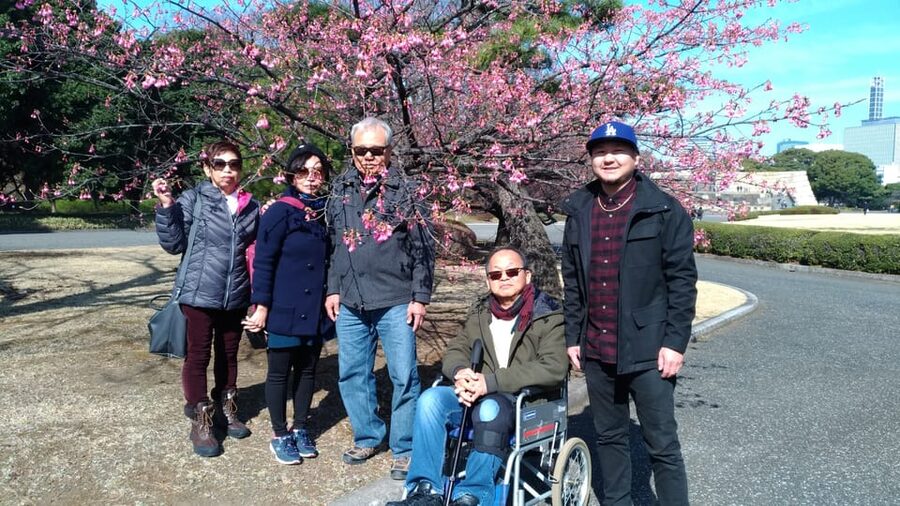
The tour lists Tsukiji Fish Market as a popular must-see, and it makes sense on a highlights day. Even if you are not a hardcore seafood person, Tsukiji’s atmosphere is part of Tokyo’s story, and it often helps you understand how food culture shapes the city.
A key note for planning: lunch is not included. Your guide can still do a lot here, and guide feedback shows they often recommend spots that work for different tastes. Kei, for example, is praised for finding a lunch place with variety for different preferences, and other guides are noted for ramen stops and quick, practical food guidance.
My advice: use the guide’s food instinct. If your group has mixed tastes, say it. Then let the guide choose a place that fits your time and budget. It is one of the best ways to turn a market stop into a satisfying meal, not a confusing detour.
Akihabara, Nezu, Hama Rikyu, and Shinjuku Golden Gai
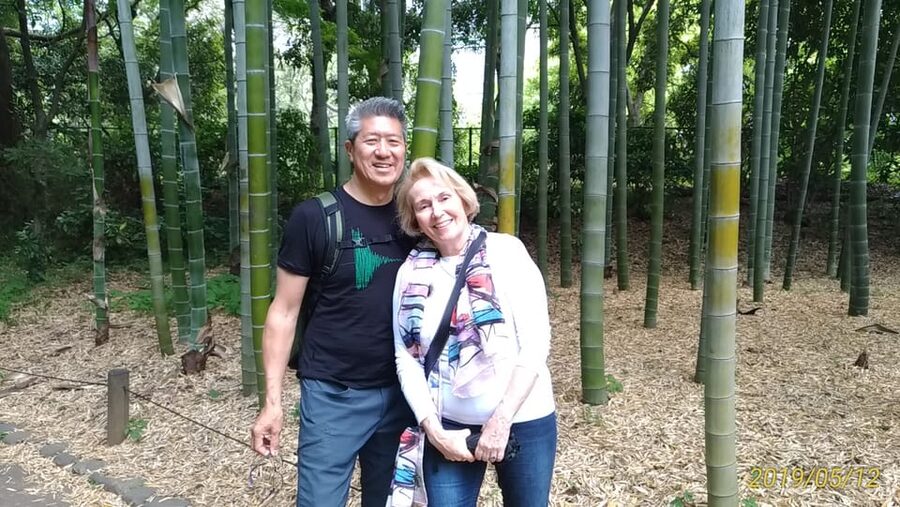
This is the “texture section” of the tour, where you can decide how Tokyo should feel by the end of the day.
Akihabara for pop culture and tech
Akihabara is on the list, and it is often paired with other modern areas for contrast. If you are into anime, gadgets, or the look of arcades and electronics streets, it is a smart choice for a highlights day because it is distinct and easy to recognize once you arrive.
Nezu for a quieter shrine-side mood
Nezu is included as a selectable stop, and it can act like a calm counterweight to louder districts. Even if you are not a history scholar, a guide can connect it to Japanese religious traditions and local customs.
Hama Rikyu Gardens for a garden break with character
Hama Rikyu Gardens adds green space and a more traditional Tokyo feel. Gardens are a great tool on this tour format because they create a natural break from transit and crowds.
Shinjuku Golden Gai for a fun ending
Shinjuku Golden Gai is an easy way to finish with a “Tokyo at night” vibe. It is not about one landmark you can photograph from afar. It is about narrow alleys and small-scale atmosphere, so it plays well with a private guide who can point you to where it makes sense to walk.
Small caution: Golden Gai can be time-sensitive if you are visiting later in the day. If it is a must, mention it when you plan your order so you do not get pushed out by fatigue or transit delays.
What makes this tour worth it, beyond ticking off sights
Plenty of tours hit the same postcards. This one has an edge when your guide gets the details right.
Here are the repeat strengths showing up across guide stories:
- Efficient pacing that still leaves room to pause for photos and questions
- Transit help that saves you from the “wrong train, wrong exit” spiral
- Cultural explanations tied to what you are seeing right now
- Flexibility when the day changes, including heat breaks and detours
A concrete example: several people mention learning how to use the metro system during the tour. That sounds small until you realize Tokyo’s transit is easiest when someone has already shown you the logic. After that, you move faster on your own.
Another standout detail is the chance to collect shrine stamps and readings. One guide, Kenji, is specifically praised for introducing goshuin books and stamps as souvenirs. That is the kind of cultural practice that turns a visit into something tangible, not just a photo folder.
Also, the guide personalities matter. People called out guides like Fumiko for planning and smooth execution, Steve for explaining the train network, Atsushi for helping with phone access for trains, and Noripy for keeping the day flowing without rushing. When a guide nails those human pieces, the tour feels effortless even though Tokyo is not.
Who should book this tour, and who might not love it
This is a strong fit if you:
- Want a first-timer orientation that also includes cultural context
- Like the idea of a private day where you can change your mind midstream
- Have limited time and want a realistic way to see several major neighborhoods
- Prefer walking plus transit guidance over a car-only tour
It may be less ideal if you:
- Hate walking or cannot manage an all-day pace, even with breaks
- Want everything covered, including entrance fees and lunch
- Expect a private vehicle, since the tour explicitly does not include one
Also, plan for a day that changes. Heat and crowds are real in Tokyo. The best guides handle it with stops and timing, but your feet still do the work.
Should you book this Tokyo private highlights tour?
I would book it if your goal is a smart, guided first week in Tokyo, not just a list of photos. The mix of top districts plus the guide’s ability to explain culture, and to adjust for your pace, is where the value shows up.
I would skip or modify it if you want a car-based, minimal-walking day, or if you are traveling with a tight budget for entrances and meals on top of the tour cost. In that case, you might want a shorter option or you might plan a partial-route day instead of trying to cram too much.
If you do book, do one thing right: tell your guide what you care about most. The guides praised the most are the ones who planned around preferences. Give them your priorities early, and you will likely get a day that feels like Tokyo made sense, instead of Tokyo made you guess.
FAQ
How long is the Tokyo private highlights tour?
The tour duration is listed as 4 – 8 hours, depending on the starting time available.
Is this tour private or shared?
This is a private group tour, so you are not joining strangers in a shared bus or group.
What sights can I choose from?
You can select from options including Asakusa, Imperial Palace, Shinjuku Gyoen National Garden, Tsukiji Fish Market, Meiji Jingu Shrine, Akihabara, Hama Rikyu Gardens, Harajuku, Takeshita Street, Nezu, Shinjuku Golden Gai.
Are entrance fees, lunch, and transportation included?
No. Entrance fee (for yourself), transportation fee (for yourself), and lunch (for yourself) are not included.
How do we travel between stops?
The tour uses public transport and walking, and local taxis may be used. The tour does not include a private vehicle.
Do I need cash for getting around?
Yes. You are advised to have Japanese Yen on hand for transportation costs.
What languages are available for the live guide?
The tour guide is listed as available in English and Japanese.
Is hotel pickup and drop-off included?
Hotel pickup and drop-off are included. The tour is described as a walking day tour, and meeting and pickup details are handled on foot.
When will I find out if the tour is confirmed?
The tour is not confirmed until your guide contacts you. Most guides will contact you within 7 days, and if a guide is unavailable the provider will reach out.
More Guided Tours in Tokyo


More Tours in Tokyo





More Tour Reviews in Tokyo


Not for you? Here's more nearby things to do in Tokyo we have reviewed












Tokyo City Tours, side by side.
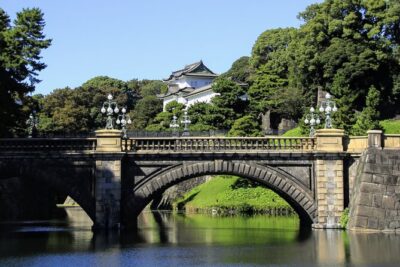 ★ 5.01-Day Tokyo Bus TourFrom $12914,250 reviews
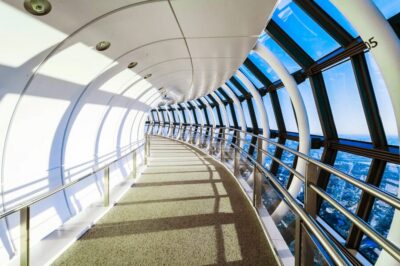 ★ 4.5TOKYO SKYTREE® Admission ticketFrom $1311,192 reviews
 ★ 4.6teamLab Planets TOKYO Digital Art Museum Entry TicketFrom $259,779 reviews
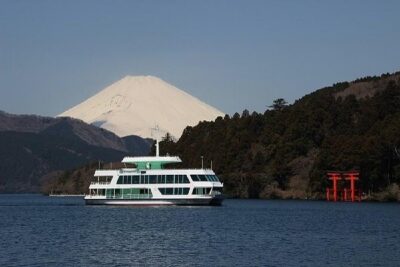 ★ 4.0Mt Fuji & Hakone Cruise, Drum Show Bullet Train 1 Day from TokyoFrom $1497,413 reviews
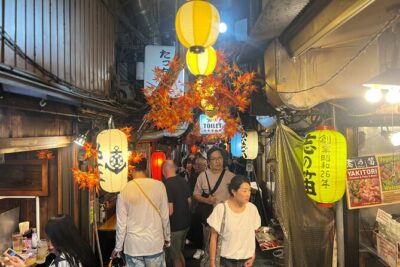 ★ 5.0Shinjuku Food Tour (13 Dishes at 4 Local Eateries)From $866,603 reviews
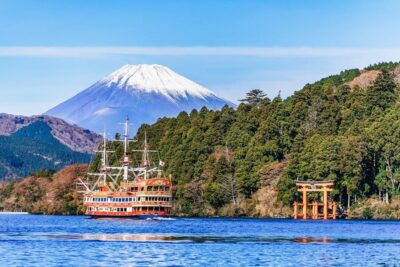 ★ 4.4Tokyo Mt Fuji 5th St & Hakone Cruise Bus Tour w/Bullet TrainFrom $1545,024 reviews
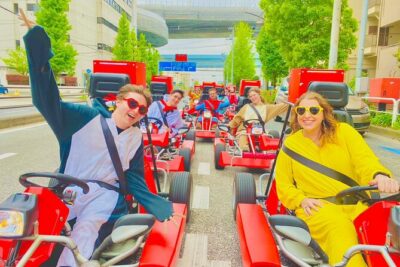 ★ 5.0Flagship 2-Hours Official Street Go-Kart Tour – Tokyo Bay ShopFrom $644,974 reviews
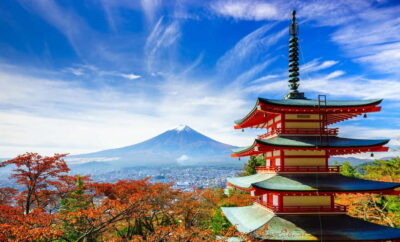 ★ 4.5From Tokyo: Mount Fuji Full-Day Sightseeing TripFrom $684,970 reviews
This tour also belongs to