

Review · TOKYO CITY TOURS
Tokyo: Edo Kiriko Traditional Glass Carving Class
Tiny cuts, big cultural payoff in Tokyo. This Edo Kiriko Traditional Glass Carving Class turns a famous Japanese craft into something you can actually do, not just watch. You pick your glass and patterns, practice the technique, then carve your own piece to take home, all in a calm studio near Asakusa Station.
I especially love the hands-on guidance and the way you get time to practice before committing to your final design. I also love that you can select your favorite colors and patterns from lots of samples, so your souvenir looks like you made it, not like a generic kit.
One thing to consider is that glass carving takes steady hands, so your first lines might not look perfect. The instructor can help you correct issues, but you should still expect a learning curve, not instant mastery.
Key points before you go

- You take home real Edo Kiriko glass you carve yourself, not a finished product.
- Design choice is wide, with pattern samples and multiple glass options, including colored glass.
- Practice comes first, so you can build confidence before carving your final design.
- English support is available, and the teaching style sounds patient and precise (including Instructor Ze).
- The setting is easy to reach, about a 30 seconds walk from Asakusa Station at Sokichi.
- Bring a hair tie, because you’ll be working close to your face and hands.
Edo Kiriko Glass Carving in Asakusa, what you are really learning

Edo Kiriko sounds like a mouthful until you see it up close. It is a traditional Japanese glass carving craft known for sharp, geometric cuts and crisp etched patterns. In this class, you do not just study the style. You learn how the technique works in your hands, and you finish with a take-home piece that reflects what you chose.
What makes this workshop worth your time is the balance between structure and choice. You start by selecting from more than 20 glass options and pattern samples. Then, with a lecturer by your side, you cut and carve using traditional methods. That step is what turns a cultural activity into a skill you can describe at dinner back home.
More Tokyo tours and experiences for the shortlist


Meeting at Sokichi, and why the location matters
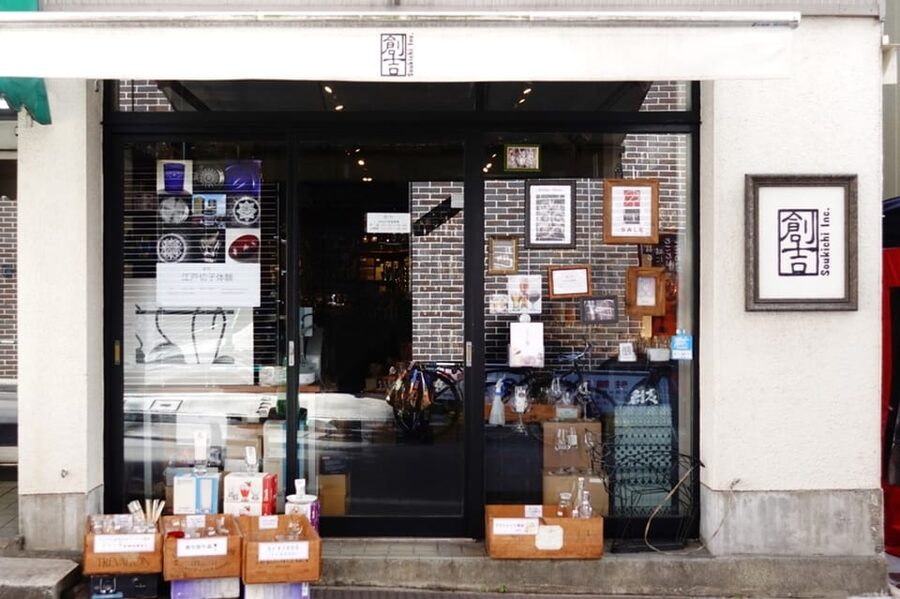
The class starts at Sokichi, a shop location about a 30 seconds walk from Asakusa Station. That matters more than you might think, because it keeps your day from getting messy. Instead of coordinating buses or long transfers, you can fit this into a normal Tokyo rhythm, especially if you are already doing Senso-ji and the Asakusa area.
One review notes the walk to Senso-ji is around 5 minutes and it is about 15 minutes to Tokyo Skytree, which gives you a sense of how practical the area is. The studio is also described as a quieter space away from the crowd energy outside, which is a real quality-of-life bonus for a hands-on class.
When you arrive, a staff member meets you and escorts you to the room for the class. If you have never done a workshop in Japan before, this kind of guidance reduces that awkward, I hope I am at the right door feeling.
The 90-minute flow, from practice to your final pattern
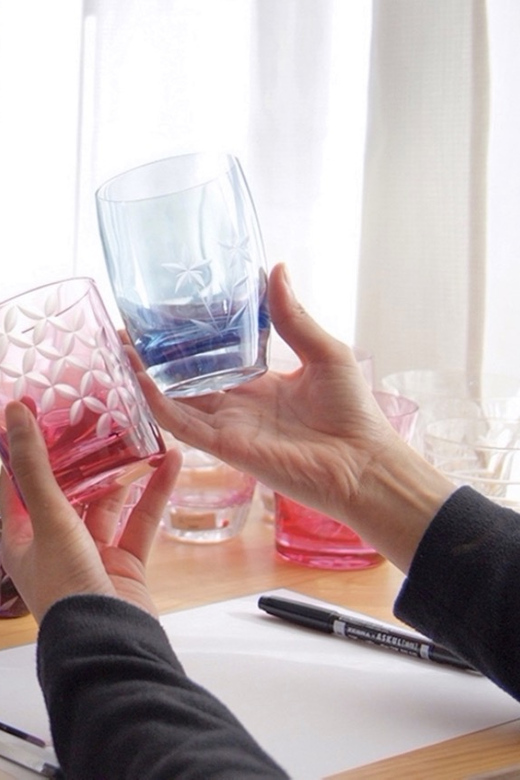
This is a 90-minute experience, and the time is used in a way that helps beginners without slowing down experienced crafters. Based on the class descriptions and feedback, you can expect a clear sequence.
Start with setup and glass choices
You begin by choosing your glass and design. You can pick your favorite color and pattern from dozens of pattern samples, and the class includes 6 types of clear and colored glasses. The colored options listed are blue, pink, and yellow.
That color choice is not just decoration. In Edo Kiriko, the glass base changes how your cuts show up. A pattern that looks crisp on a clear glass can feel different on colored glass because the light behaves differently. The instructor can also guide you if you want your design to look balanced once it is carved.
Practice time so you are not guessing
A repeated theme in the feedback is that you get practice first. People mention practicing before starting on the real design, with some describing practice as something you can repeat as much as you want. In at least one case, the class includes simple practice patterns right away, so your first real carving is not your first attempt ever.
I like this approach because it turns carving accuracy into a process, not a gamble. Glass cutting demands control, and practice is how you learn where your strength should go and how to keep your lines clean.






Carving your design with the lecturer beside you
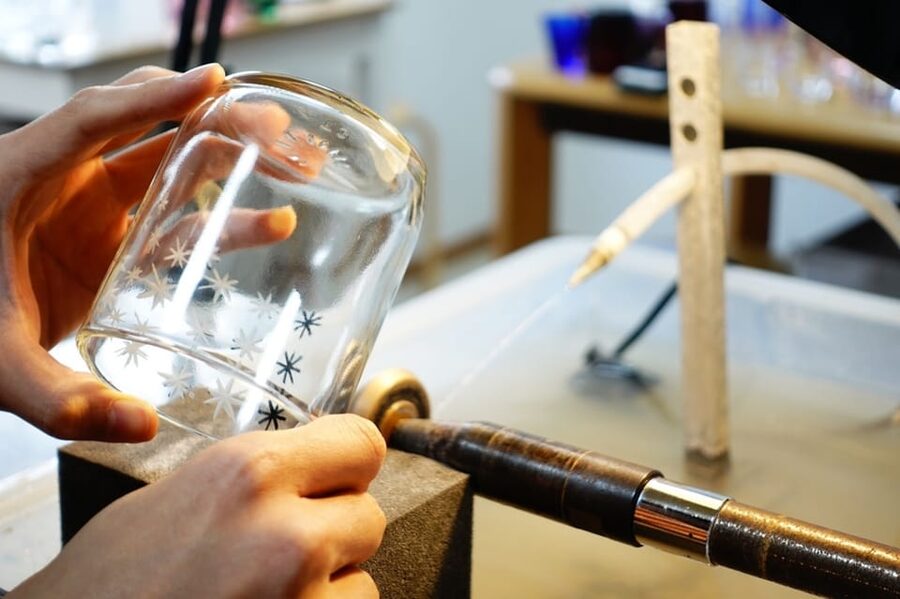
Once you move to your own pattern, a lecturer stays with you and teaches the cutting technique. The course is described as beginner-friendly while still offering choices from beginner level up to expert level. That means you can keep it simple or push for something more precise, depending on your comfort.
Instructor help seems to be a major part of why people leave happy. One review specifically mentions Instructor Ze being kind, patient, and thorough, and another describes Ze correcting crooked etchings so the final result looked better. If you are worried you will mess up, this kind of real-time correction is exactly what you want in a class like this.
What makes this class feel traditional, not touristy
Edo Kiriko is one of Japan’s more famous glass crafts, with a history of over 180 years. In a lot of workshops, you get a quick explanation and then you start making. Here, you still get enough craft context to understand what you are doing, even if you do not go deep into academic history.
The techniques are taught as traditional glass cutting and carving, guided by the lecturer. You also get close exposure to what the craft looks like at its best, which helps you understand why the lines are so important.
One practical note from feedback: the history context might not be handed to you automatically as a pamphlet. If you care about the story, ask questions and request materials. That is the kind of small move that turns a souvenir into something you can actually talk about.
The souvenir part, what you actually take home
This class is built around one big promise: you will leave with something you made yourself. You are not leaving with a flat sticker or a pre-made item. You are carving glass with your hands and taking home the finished artwork.
In multiple accounts, people mention being genuinely proud of the results, even when their initial practice lines looked shaky. One review even describes that the final glass did not need to be perfect to feel like a real accomplishment, especially with support during correction.
Also, the class encourages you to build a piece you like visually. You choose patterns and colors before carving, so the glass looks personal. That matters if you are buying souvenirs in Tokyo. Plenty of shops sell beautiful things, but a take-home object you created is a different category of memory.
Price and value, is $30 reasonable in Tokyo?
At about $30 per person for a 90-minute workshop, the value is fairly strong for Tokyo. You are paying for instructor time, hands-on instruction, and the materials (including the specific glass types provided for the class). You also get a take-home item made from real glass, which is more expensive to produce than many cookie-cutter crafts.
Where the price makes the most sense is if you want something interactive but still manageable in time. Ninety minutes is long enough to feel like you learned something, but short enough that you can still plan other Asakusa stops that day.
If you are comparing options, the key question is not only cost. It is what you get at the end. Here you leave with a crafted Edo Kiriko glass you can use as a keepsake, gift, or display item, and you get guidance while you make it.
Who this class suits best (and who might want a different activity)
This workshop fits best if you want:
- A hands-on Tokyo experience that is not physically overwhelming
- A craft you can do with an instructor watching closely
- A souvenir that looks thoughtful, not mass produced
- English or Japanese support in the room
It is also a good fit for first-timers. The class is described as beginner-friendly, and you can choose difficulty levels. If you are a confident maker, you can still push your pattern choice and aim for cleaner, sharper cuts.
If you hate activities that require accuracy and patience, you might find carving a little frustrating at first. Glass needs steady control, and your first attempt will feel like a learning curve. The instructor support helps, but it will not remove the fact that carving takes practice.
Small-group attention, why it affects your final result
Several reviews highlight that the class group can be small, including one that mentions a group of four. A small group changes the whole experience. You get more time at the station, fewer long waits, and clearer feedback when your lines start to drift.
Even in a small class, you should still plan to focus. The best results come when you listen to the instructor, try the suggested technique, and then carve with intention. This is not a drop-in, watch-and-hope workshop.
Practical tips that make the carving easier
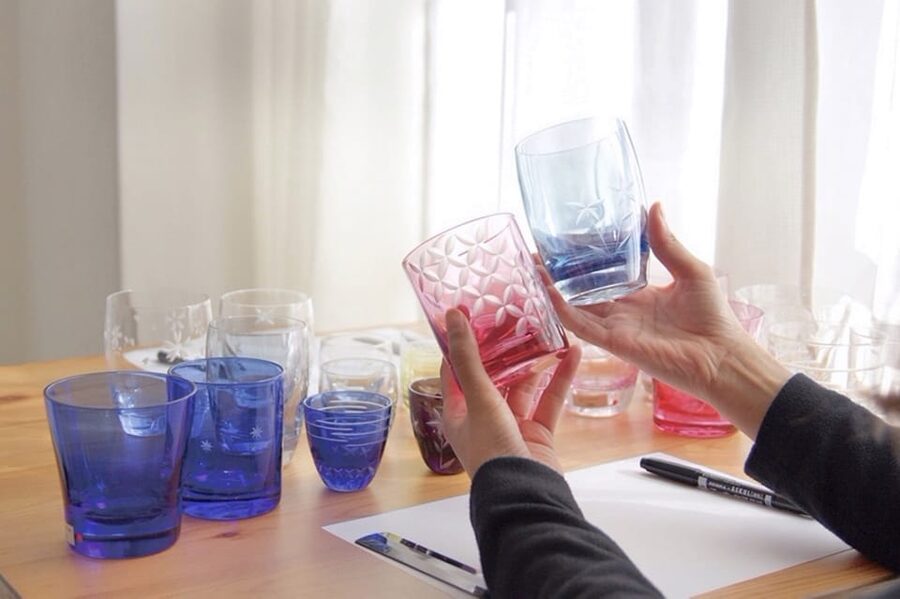
These are the kinds of small details that can save your hands and your mood.
- Bring a hair tie. You will be working close to your face and hands, and you do not want hair in your cutting area.
- Pick colors you like, but also think about how your design will look on that base (clear vs blue vs pink vs yellow).
- If you care about history, ask for it. One review notes you may need to request a pamphlet or ask questions for the added context.
- Expect your first lines to be imperfect. That is normal. Use the practice stage to build control, then let the instructor help with corrections.
Should you book Edo Kiriko Traditional Glass Carving in Tokyo?
I would book it if you want a hands-on Tokyo craft with real take-home value, clear instruction, and a location that does not swallow your day. The combination of design choice, practice time, and attentive teaching is exactly what turns this from a simple activity into a memorable skill.
Skip it or consider an alternative if your idea of a perfect trip is zero concentration time. Glass carving asks for patience and steady hands. Also, transportation is not included, so you will need your own way to get to Sokichi.
If you want a thoughtful souvenir, not just another photo, this class is a solid choice. With Instructor Ze-style support and a calm studio setup near Asakusa Station, it is one of those activities that feels genuinely worth the effort.
FAQ
How much does the Edo Kiriko Traditional Glass Carving Class cost?
The class costs $30 per person.
How long is the class?
The experience lasts 90 minutes.
Where is the meeting point?
You start at Sokichi. It is about a 30 seconds walk from Asakusa Station.
What is included in the price?
Included are the glass carving class, a lecturer, and colored glass.
What is not included?
Transportation to the meeting point is not included.
What language is the instructor able to use?
The class includes English and Japanese instruction.
What can I choose during the class?
You can choose from more than 20 kinds of glasses and dozens of pattern samples. The class also includes 6 types of clear and colored glasses, with colored options listed as blue, pink, and yellow.
Do I need any specific items from home?
Yes, bring a hair tie.
What should I expect as a beginner?
The course is described as beginner-friendly, and you can choose your level, from beginner to expert.
Are there any booking or cancellation rules I should know?
The experience offers free cancellation up to 24 hours in advance for a full refund, and there is also a reserve now, pay later option mentioned.
More Workshops & Classes in Tokyo

More Tour Reviews in Tokyo
Not for you? Here's more nearby things to do in Tokyo we have reviewed












Tokyo City Tours, side by side.
 ★ 5.01-Day Tokyo Bus TourFrom $12914,250 reviews
 ★ 4.5TOKYO SKYTREE® Admission ticketFrom $1311,192 reviews
 ★ 4.6teamLab Planets TOKYO Digital Art Museum Entry TicketFrom $259,779 reviews
 ★ 4.0Mt Fuji & Hakone Cruise, Drum Show Bullet Train 1 Day from TokyoFrom $1497,413 reviews
 ★ 5.0Shinjuku Food Tour (13 Dishes at 4 Local Eateries)From $866,603 reviews
 ★ 4.4Tokyo Mt Fuji 5th St & Hakone Cruise Bus Tour w/Bullet TrainFrom $1545,024 reviews
 ★ 5.0Flagship 2-Hours Official Street Go-Kart Tour – Tokyo Bay ShopFrom $644,974 reviews
 ★ 4.5From Tokyo: Mount Fuji Full-Day Sightseeing TripFrom $684,970 reviews
This tour also belongs to