
Review · TOKYO TEA & SAKE EXPERIENCES
A perfect Japanese experience: Tea Ceremony and Mochi Forming
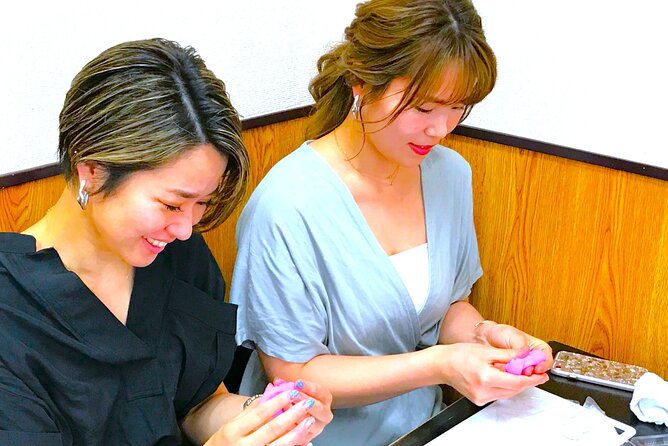
A wagashi lesson feels like play. You shape nerikiri mochi dough into seasonal sweets, then sit for a tea ceremony in a dedicated room. The whole thing happens in a century-old antique store, not a generic classroom.
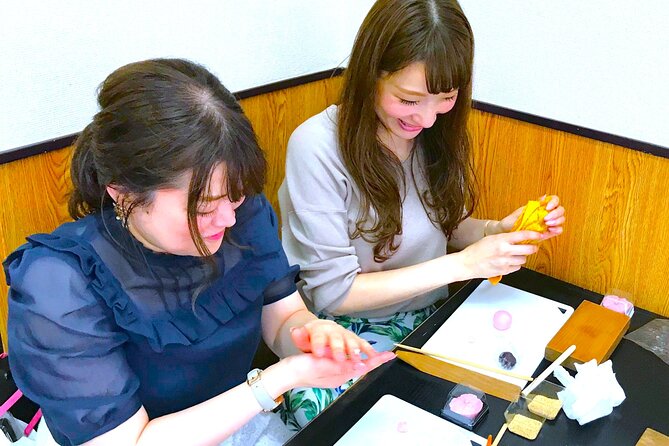
I love the hands-on part, the way you build the sweets like colored clay. I also like that you get both the craft and the tea ritual, so it feels like more than just a dessert-making show.
A possible drawback: the host is an artisan, and English may be limited. You’ll still be guided, but go in with a patient, try-your-best attitude.
Key things I’d look for before you book
- Century-old Yanaka setting: you start by browsing antique tableware before you make sweets
- Nerikiri wagashi basics: you form mochi-flour dough into seasonal designs
- Tea included with your creation: you eat your wagashi, then have real matcha
- Small group size: max 5 travelers means you get more attention while you work
- Seasonal variety: you learn multiple styles, and your designs may change by time of year
A Century-Old Yanaka Shop, Not a Generic Workshop
This class takes place in Yanaka, in Tokyo’s Taito City, at 6-chōme-2-40 Yanaka. The meeting point is tied to an antique store, and that matters because it sets the tone. You do not feel like you’re learning in a bright, staged studio. Instead, you get a quiet, old-Tokyo vibe right when you arrive.
Before the food part starts, you’re encouraged to take your time with the antique tableware. That’s not just decoration. It’s a small reminder that wagashi and tea are rituals in Japan, not just flavors on a plate. Even if you only spend a few minutes looking around, it helps you slow down and focus.
One practical note: the experience is designed around a small group and a schedule that runs on time. If you arrive late, the session ends as originally planned, so give yourself buffer time to find the shop and settle in.
You can also read our reviews of more tours and experiences in Tokyo.



Nerikiri Mochi Forming: Colorful, Hands-On, and More Structured Than It Sounds
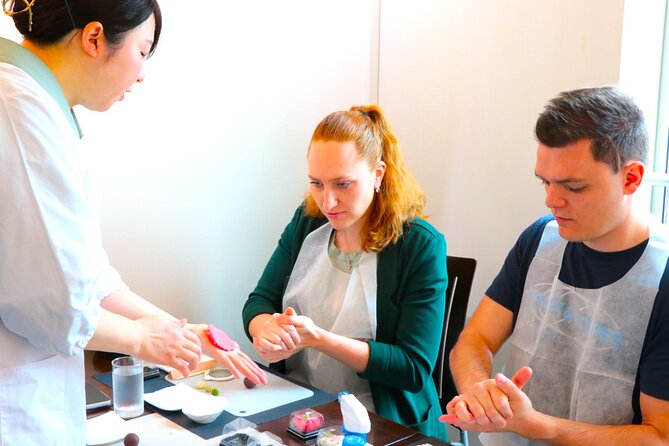
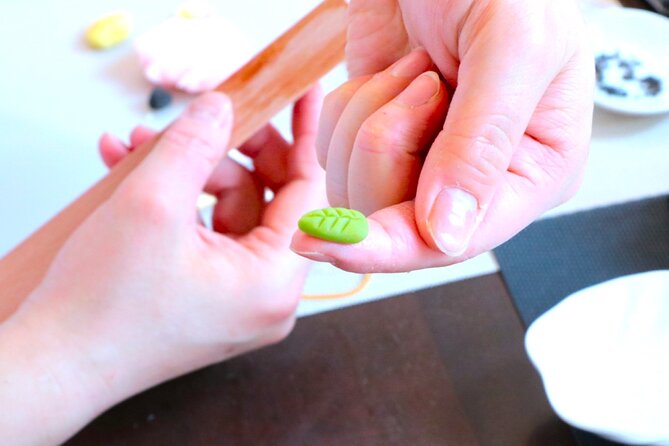
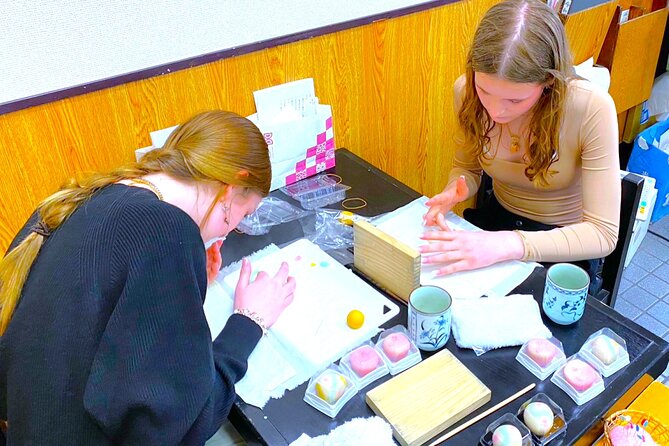
The wagashi you’ll make is Nerikiri, a type of Japanese sweet that starts with mochi flour. The fun part is that the forming process feels approachable, like making small sculptural pieces from colored material. It’s not messy cooking, and you’re not juggling complicated steps on a stove.
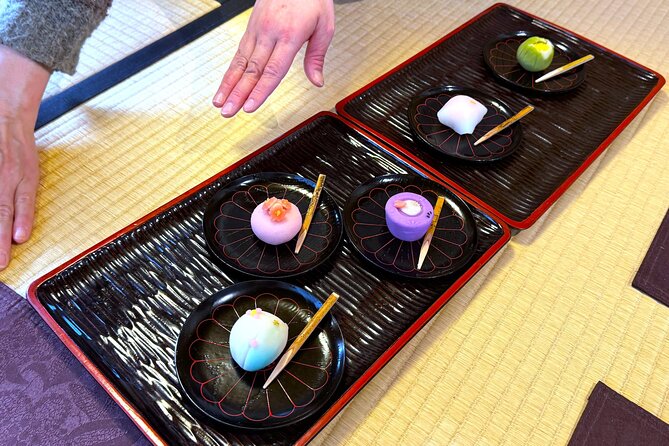
The class is built around variety. The tour description says you’ll learn to make four different styles of sweets. In practice, you can expect you’ll work more than once and end up with more than one finished piece. Your exact designs can be seasonal, which is part of the point.
What you’re really learning is a Japanese craft mindset. You’re shaping something that should look “right” to the eye. That’s why the forming feels like clay art, but the goal is a crisp, season-inspired result.
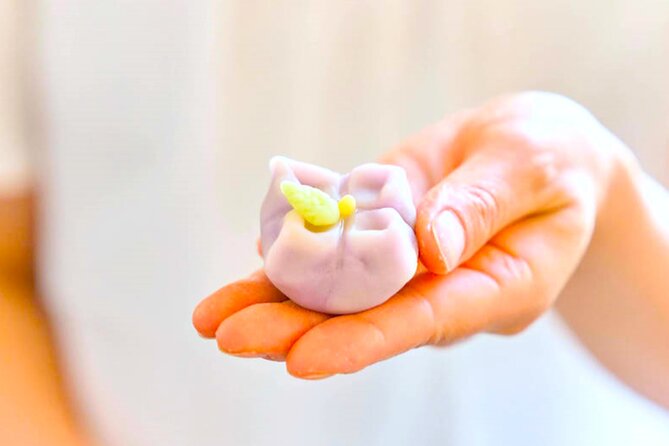
And yes, it is so pretty it can be tempting to treat your sweets like collectibles. The good news is you do get a chance to taste one at the end, so you won’t leave only half satisfied.
What you should know about materials
You do not need to bring ingredients or tools. The materials are provided. That reduces stress and makes the class a smart option if you’re traveling light.
Also, the wagashi is described as not using artificial additives. That’s great for the “why it tastes better” feeling, but it comes with a real-life limitation: it lasts only 2 days if kept refrigerated. If you want to take anything home, plan to refrigerate quickly.
The Tea Ceremony Portion: Chair Seating, Matcha with a Real Sequence
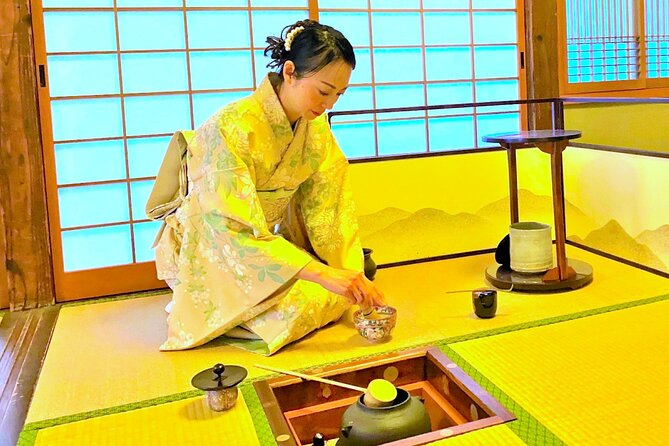
After the wagashi forming, you move to a dedicated tea room. One detail I like a lot is that the room is designed for you to sit in a chair. That’s important if you’re not comfortable with the usual floor-seating style some tea experiences use. You still get the ritual, without the extra physical barrier.
Your host provides the flow. You’re served with confection first, followed by real matcha. The matcha is specifically described as not sweet, so go in expecting a more traditional taste. If you prefer matcha that tastes like dessert, you might need a mental adjustment. But if you like the clean, earthy bitterness of real green tea, this part will click.
This structure also makes the experience feel balanced. You’re not rushing from activity to activity. You make something, you taste something you made, then you slow down for the tea.
Quick tip for your experience
Take a moment right before you start eating your wagashi. Even if you’re hungry, do a quick look. Part of the value here is seeing how much intention goes into seasonal shapes.



What You Get, What It Costs, and Why It’s Good Value
The price is $55.38 per person for about 1 hour 40 minutes (approx.), with a mobile ticket. Booking is typically done about 16 days in advance on average, so if you’re traveling during peak seasons, plan ahead.
Is $55 a lot? In Tokyo, it’s a reasonable price for something that includes:
- a guided craft lesson with tools and ingredients provided
- multiple styles of wagashi formation
- a tea ceremony experience
- sweet tasting and Japanese tea
The value comes from the combination. A lot of food classes give you the making part but not the cultural context. Here, you get the tea ritual right after the craft. That pairing is the point, and it’s why the experience feels more meaningful than a one-off hands-on activity.
Also, the group size is capped at 5 travelers. For a class that involves shaping delicate sweets, smaller groups can make the difference between feeling like you’re being watched and feeling like you can ask questions.
Language, Pace, and How to Set Yourself Up for Success
The provider notes something important: the host is an artisan, not a commercial-style guide, and English may be limited. That is not a reason to skip it. It’s a reason to approach it correctly.
You’ll do best if you go with a calm, observant mindset. Watch first, then copy. If you have questions, keep them simple. Even with limited English, the craft relies on demonstrations and step-by-step guidance, which usually translates well.
Another pace-related point: the session runs on schedule. Even if you are late, the program ends at the scheduled time. So don’t schedule this right after another tour. Give yourself breathing room.
If you’re the type who likes to rush through experiences, this might annoy you. If you like attention to detail and a slower ritual feel, you’ll probably enjoy it.
Who This Class Is For (and Who Might Want to Skip It)
This is perfect for you if:
- you have a sweet tooth and want to learn traditional Japanese sweets
- you enjoy arts and crafts and want something hands-on
- you want a tea moment, not just a food moment
- you like smaller group experiences where you can focus on your work
You might want to think twice if:
- you strongly dislike matcha that is not sweet
- you need a highly scripted, fluent-English style tour
- you can’t handle the idea that sweets are best eaten quickly (2 days refrigerated)
It also has a minimum age: 13 years old. If you’re traveling with someone under 18, they must be accompanied by an adult.
If you’re unwell or under the influence of alcohol, you won’t be permitted to participate, and there is no refund. That’s standard for food experiences, but it’s worth taking seriously.
Should You Book This Wagashi and Tea Class?
If you want a Japanese experience that’s both creative and respectful of tradition, I think this is a strong pick. The tea ceremony part is not an add-on, and the Nerikiri mochi forming is the kind of activity that gives you a real sense of accomplishment.
Book it if you can handle a small-group craft with an artisan host and you’re okay with the idea that sweets should be eaten soon. I’d especially recommend it if you’re staying in or near central Tokyo and you want something cultural that does not depend on expensive nightlife plans.
One last deciding thought: this class isn’t about rushing to the next photo stop. It’s about making something seasonal, then tasting it in a tea setting built for the ritual. If that sounds like your kind of travel, go for it.
FAQ
Where does the experience start?
The start location is 6-chōme-2-40 Yanaka, Taito City, Tokyo 110-0001, Japan, and it ends back at the meeting point.
How long is the tour?
The duration is about 1 hour 40 minutes.
What is included in the experience?
You’ll learn to make seasonal Nerikiri (mochi-based wagashi), enjoy a tea ceremony, and have sweet tasting and Japanese tea included. All tools and ingredients are provided.
Do I need to bring anything?
No. The description says you do not need to bring anything because the tools and ingredients are included.
How big is the group?
This experience has a maximum of 5 travelers, which keeps it small-group and hands-on.
Is there an age requirement?
Yes. Participants must be at least 13 years old, and those under 18 must be accompanied by an adult.
How long do the sweets last after the class?
Your wagashi works don’t have artificial additives and last only 2 days if kept refrigerated.
If I cancel, can I get a refund?
No. The experience is non-refundable and cannot be changed for any reason.
More Tour Reviews in Tokyo
Not for you? Here's more nearby things to do in Tokyo we have reviewed









Tokyo Tea & Sake Experiences, side by side.
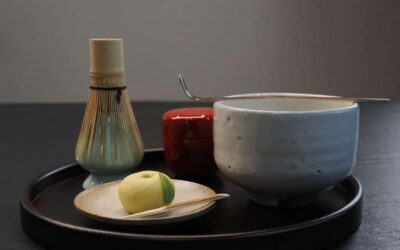 ★ 5.0Traditional Tea Ceremony with a Tea MasterFrom $38528 reviews
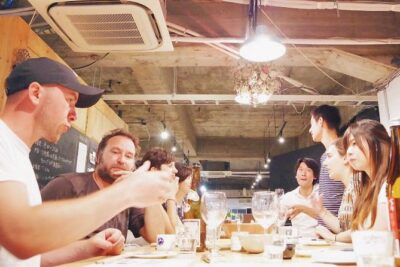 ★ 5.0Sake Tasting Masterclass in Shinjuku (8+ Varieties with a Pro)From $72271 reviews
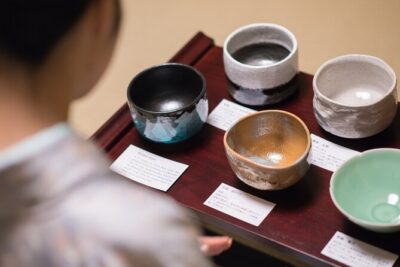 ★ 5.0Tea Ceremony Workshop in Tokyo by the Experienced InstrucorFrom $38189 reviews
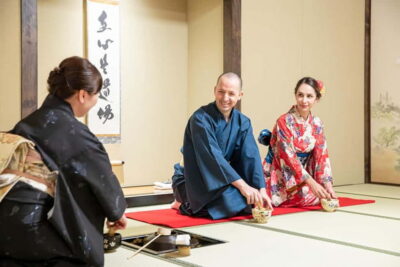 ★ 4.9Asakusa: Kimono Tea Ceremony with Matcha and SweetFrom $66153 reviews
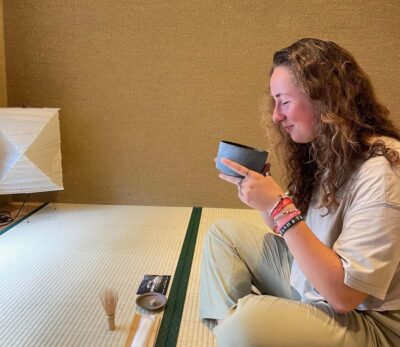 ★ 4.9Tea Ceremony Experience in a Private Tea Room in ShibuyaFrom $30125 reviews
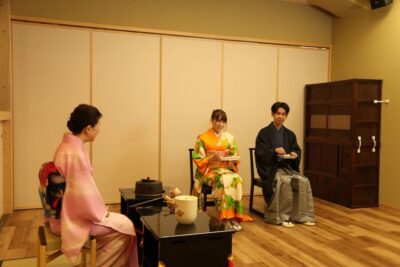 ★ 4.7Practicing Zen with a Japanese Tea CeremonyFrom $63105 reviews
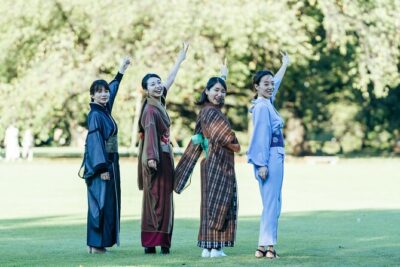 ★ 5.0Matcha Kimono Tea Ceremony in TokyoFrom $59104 reviews
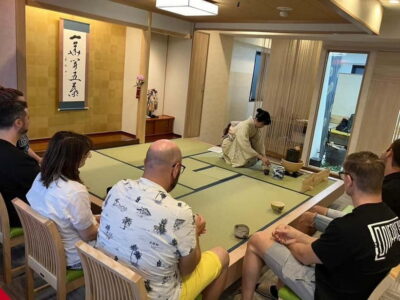 ★ 4.9Tea ceremony experience in Japanese-style room 60minFrom $4586 reviews
This tour also belongs to