
Review · AKIHABARA TOURS
Akihabara Free for Kids Anime Eats and Games With A Guide
Anime streets can be overwhelming in a good way. This 4-hour guided Akihabara tour takes you through Tokyo’s Electric Town with a tight plan: anime browsing, a maid café stop, arcade time, and real breaks for snacks and meals. I especially like the combo of anime stores plus food, and I like that the route includes well-known anchors like Animate, Radio Kaikan, and GiGO, so you do not waste half the day wandering. One thing to consider: it is a focused experience, so if your main goal is hours of solo shopping for collectibles, you may want to add extra time before or after.
Small group, big attention. With a limit of 8 participants and a live English, Japanese guide, you get help pacing the day, choosing what to eat, and navigating the crowds at each stop. The main drawback is simple: you’ll likely spend extra on shopping and anything not included, like alcoholic drinks, so plan a budget for “want list” items beyond the included snacks and drinks.
Key takeaways before you go
- Small group of up to 8 means less time stuck behind strangers and more time asking questions
- Maidreamin and its dance show gives you a structured, no guesswork introduction to a maid café experience
- Animate Akihabara, Radio Kaikan, and GiGO cover three different flavors of fandom, from manga shelves to game halls
- Food at multiple restaurants is part of the tour flow, not a single rushed lunch stop
- Kanda Shrine and Kanda River add a calmer pause so the day does not feel like one long shopping line
- Guides like Adam, Hiromi, Yumi-san, and Midoko have a track record for tailoring the route to your interests
Akihabara with a guide: what four hours feels like
Akihabara can hit you all at once. One street turns into three, every storefront screams a different anime, and suddenly you are scanning for where to start. This is why I like guided formats here. You get a clear path through Electric Town, but you still end up with choices, especially around food.
What makes this tour work well is that it does not treat Akihabara like a museum. It treats it like a working neighborhood of shops, arcades, and themed cafés. You stop at big-name spots, but you also get the structure to handle the crowd energy. And because it is designed for a small group, the guide can steer the day based on what you actually care about, not just what the itinerary says.
The other big win is pacing. You get guided time at the core photo and shopping points, plus break windows for eating, watching, and resetting your brain. That matters because Akihabara is not a “speed through it” place. It is a “look closely and enjoy the details” place.
You can also read our reviews of more guided tours in Tokyo


Starting at Akihabara Station, then getting oriented fast
You begin at Akihabara Station, which is smart. It is the easiest place to meet, and it keeps the tour from starting with a logistics puzzle. From there, the plan is straightforward: hit major shopping anchors, do a cultural breather, then return to the arcade and anime pulse.
In practical terms, that means you are not trying to figure out where the anime shops cluster, which direction to walk, or how long each stop will take. The guide sets the flow, and you get short, realistic time blocks so you do not feel dragged or rushed.
One more detail I like: the route includes both lively streets and calmer stops. That makes your photos better too. If every stop is neon-on-neon, the day can blur together. With Kanda Shrine and the Kanda River later, your camera gets a chance to breathe.
Akihabara Radio Kaikan: shopping time that does not feel aimless
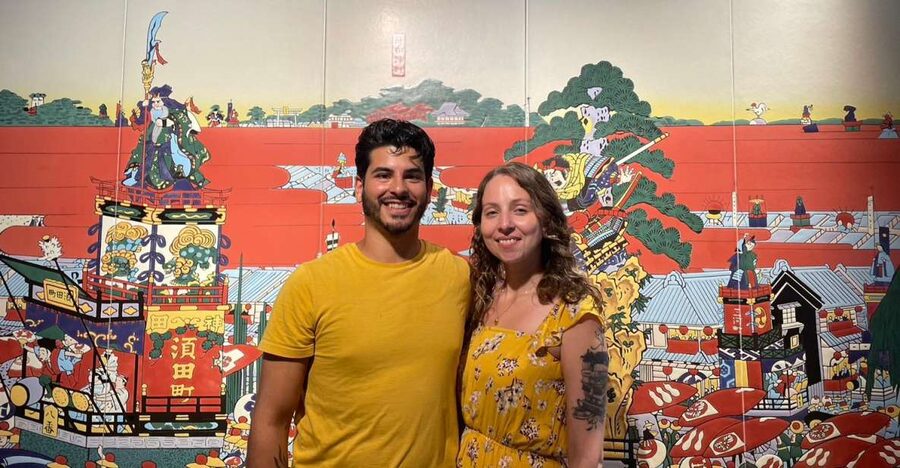
The tour starts with Akihabara Radio Kaikan and about 30 minutes of guided browsing and shopping. This is a good place to warm up, because Radio Kaikan is known for its dense mix of electronics and hobby-related goods. In other words, it is a place where you can quickly spot what kind of collector you are.
What you will likely notice right away is that Akihabara’s “anime” side and its “tech and gadget” side overlap here. Even if you are not chasing electronics, the sheer variety of displays gives you a feel for what the neighborhood sells. A guide helps you avoid the classic trap: entering one shop, then losing your spot while you get absorbed for 45 minutes.
A drawback to flag: 30 minutes is enough to browse, but it is not enough to do deep price comparisons across multiple floors. If you see something you want badly, treat this as reconnaissance, then ask the guide how to prioritize your remaining time.
Kanda Shrine: a calmer stop that resets your eyes
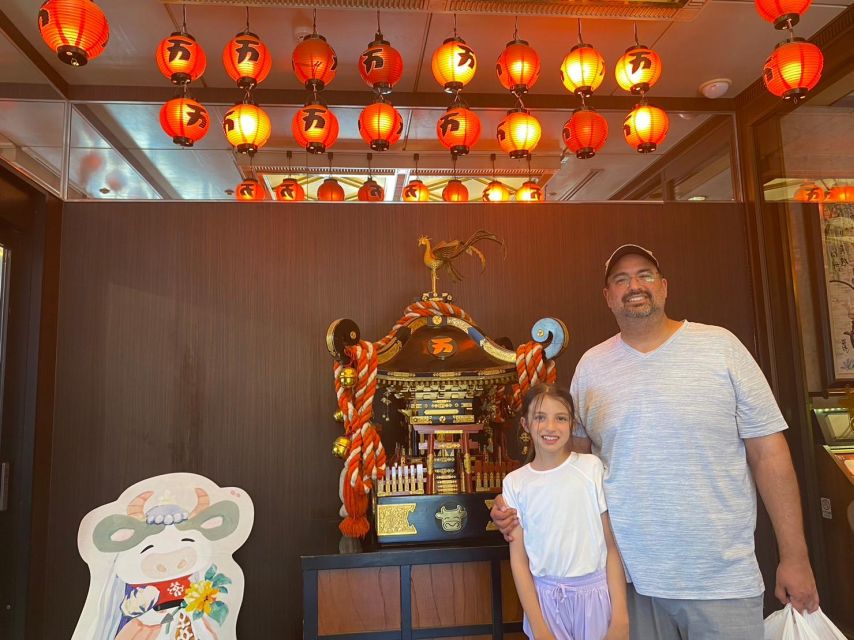
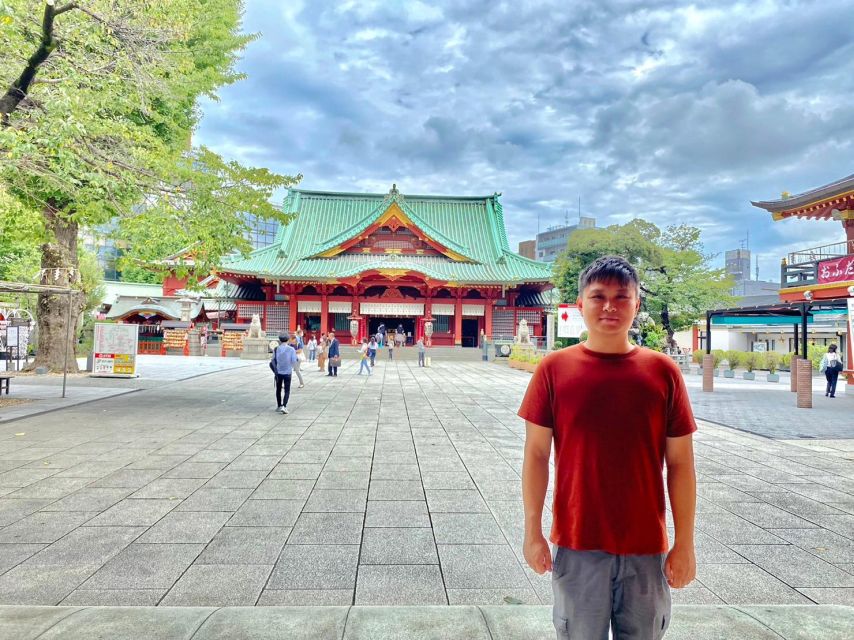
Next up is Kanda Shrine for about 30 minutes of visiting and sightseeing. This is one of the smartest pacing choices on the route. After walking through heavy commercial energy, you get a calmer pocket where you can slow down and actually look at details.
This stop also adds cultural texture to your day. Akihabara is known for anime and games, but Japan is still Japan, and shrine visits are part of that everyday rhythm. You get a chance to photograph in softer light and step away from the crush of storefronts.
One practical consideration: the shrine stop is short. So go in with a quick plan. If you want photos, aim to get them early. If you want to just take a breath and observe, let yourself do that without rushing to tick off every corner.
Maidreamin on Idol-dori: what you’re really signing up for
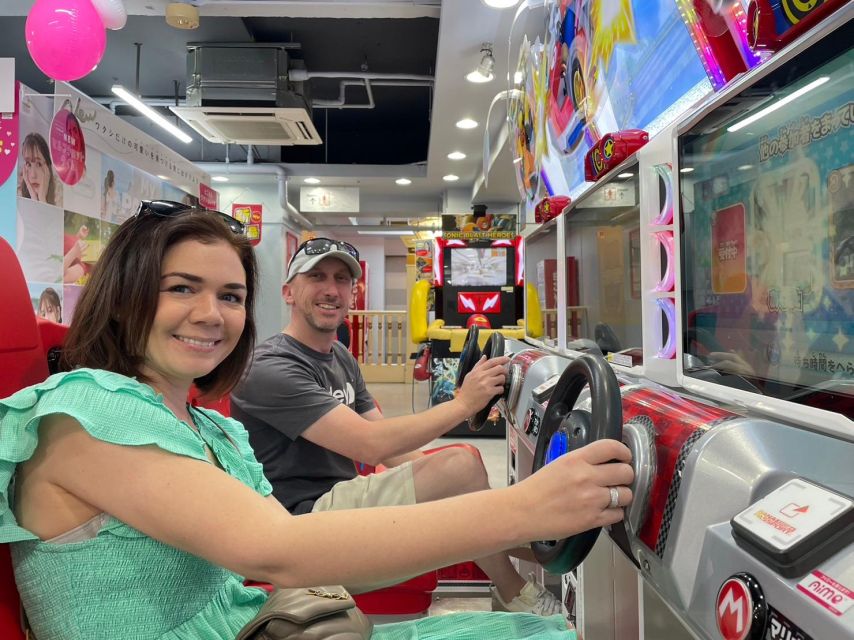
Then you hit Maidreamin in Akihabara Idol-dori for roughly 30 minutes, including a break period and a dance show. If you are curious about maid café culture but unsure what it involves, this structured stop helps a lot.
Included is the entrance fee and one drink, plus the day’s general snack and meal structure. That matters because maid cafés can feel confusing when you first walk in. Here, you know you are not just paying to sit down, you are participating in a themed experience with a schedule.
What I like in particular is the “arrival to performance” flow. You get time to settle in, then you experience the dance show as part of the visit, so you are not standing there wondering when things happen.
If you are celebrating something, pay attention here. In one standout story from a group on this tour, the guide Hiromi coordinated a special message from the maid girls for a wedding anniversary, and also arranged a special gift tied to the husband’s favorite manga. That is not something you should assume will happen on every trip, but it shows what the guide can do when you share what you want.






Animate Akihabara: buying smarter, not just bigger
After the maid café stop, the route moves to Animate Akihabara with about 45 minutes of guided time. Animate is where many people come to browse manga, character goods, and anime merchandise, and it is the kind of store where you can lose track of time fast.
A guided visit is genuinely useful here because the store layout can feel like a maze if you do not have a plan. With a guide, you can focus on your interests instead of drifting. If you love a specific series or genre, this stop is where you can usually compare options quickly and figure out what is worth a closer look.
The practical upside: you spend your time in the “high density” section, not outside the store wondering where the best floors are. The downside is also predictable: 45 minutes goes quickly if you want to read everything, shop every aisle, and check multiple areas.
Tip for you: set a personal rule before you enter. For example, decide whether you are browsing collectible items or just comparing books and merch. That keeps you from blowing the budget before the arcade even starts.
GiGO Akihabara 5: arcade time that feels like fun, not a test

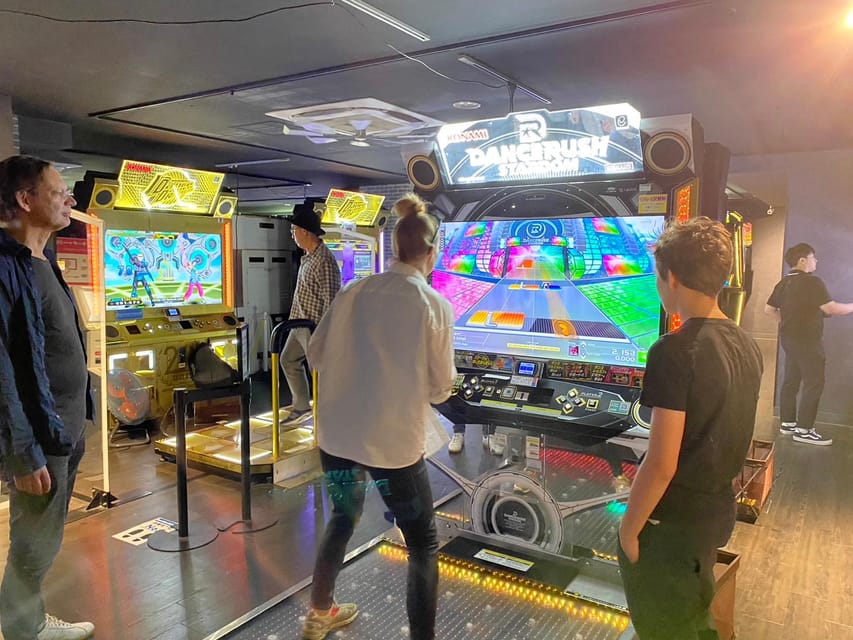
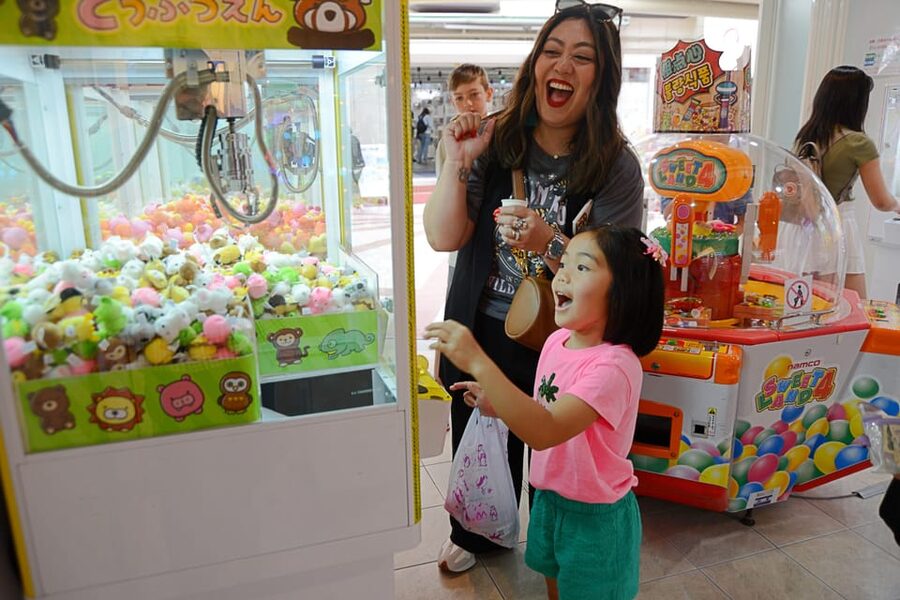
Next comes GiGO Akihabara 5 with about 45 minutes of shopping and arcade time. This is the “games and energy” stop, and it is a nice contrast to the manga browsing rhythm.
Here is what makes this worthwhile: the tour treats the arcade as a genuine break in the middle of the day. You are not only looking at fandom, you are doing something with it. Even if you do not consider yourself a gamer, arcades are where you see a different slice of Japanese pop culture, one built around short, replayable challenges.
A consideration: arcade games can be pricey depending on what you play. The tour includes guide time and the flow, but it does not say games themselves are included. So if you want to actually play, decide ahead of time how much you want to spend, and use that as a boundary.
Kanda River walk: a quick breather with photo payoff
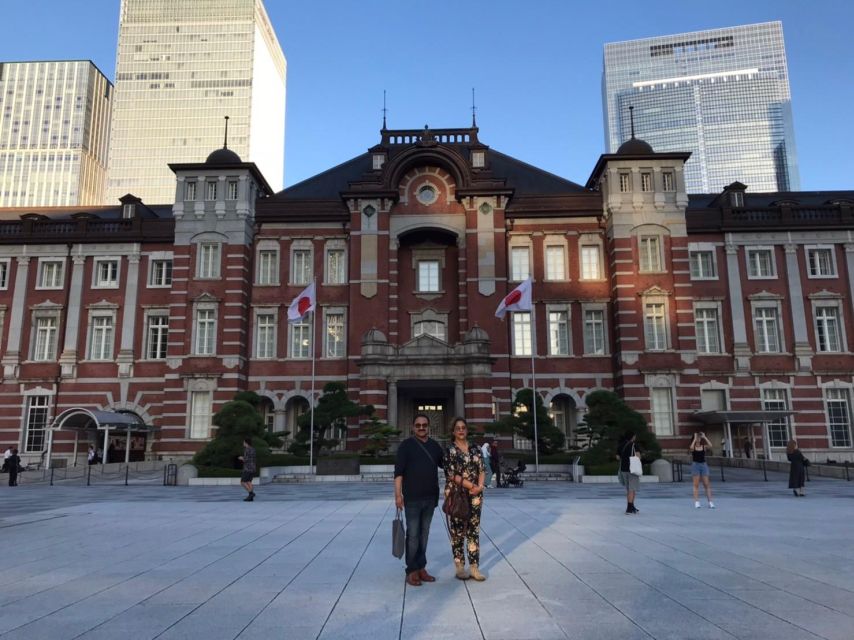
The tour ends with a visit to Kanda River, about 30 minutes of guided sightseeing before returning to Akihabara Station. This is a simple but smart wrap-up. You get some open space after a day heavy on storefronts, and you can reset your pace before heading back into transit life.
Even if you only take a few photos, this part helps your brain file the day in sections. You go from high-energy shopping and performances, to a quieter outdoor pocket, then back to the station. It keeps the day from feeling like one long line of cameras and shopping bags.
If you are photo-oriented, come ready to switch from “anime store shots” to “streets and atmosphere.” Kanda River gives you that change.
Food plan: local snacks, then lunch at three restaurants

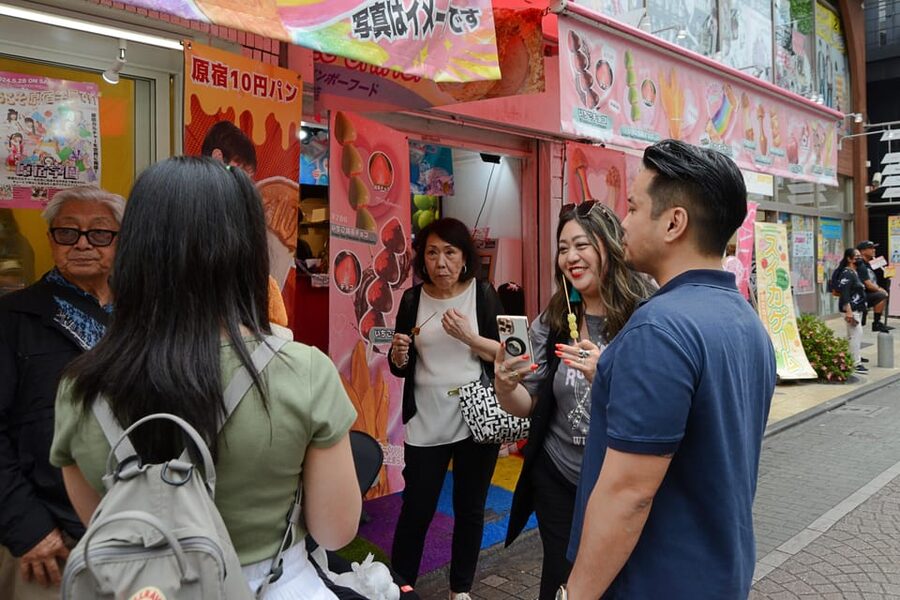
Food is the backbone of this tour, and it is built more thoughtfully than a lot of short city experiences. You get various local snack foods, then lunch arranged at three restaurants of your choosing, with one drink included at lunch.
I like how this works because it gives you two benefits at once. You get small tastes throughout the route, which helps you avoid the problem of arriving at lunch starving and too overwhelmed to choose well. Then you also get proper meals at three places, which lets your group pick based on preference rather than being locked into one restaurant.
A detail that feels practical: lunch at three different restaurants means you can sample multiple styles, instead of doing one big meal that leaves you stuck if you are not in the mood for the same thing all day. It also explains why many people feel full by the end. The tour does not treat snacks as decorations.
What about included drinks? You get a drink in the maid café and a drink with lunch, but alcohol is not included. That is a good call for a guided half-day. You can still buy alcohol if you want, but you are not forced into anything.
Price and logistics: does $157 match what you get?
At $157 per person for a 4-hour small-group tour, the price can look high or fair depending on how you value three things: guide time, the maid café cover, and the multi-stop food.
Here is the math in plain terms. You are paying for:
- a professional guide for four hours
- included snacks throughout
- maid café entrance plus one drink
- lunch with one drink across three different restaurants
- guided visits to core locations like Radio Kaikan, Animate, and GiGO
- a shrine and river sightseeing segment
If you were to do this yourself, you would probably spend time figuring everything out, and you might still end up paying the same entry-style costs for the maid café. The value is that you get fewer dead ends, a structured route, and the food flexibility built into the day.
Where the price can feel less “deal” is if you do not plan to spend much on shopping or if you are not excited about themed cafés and anime-focused stops. In that case, you might prefer a shorter route that focuses on just one or two big experiences.
Small group of 8: why that matters in Akihabara
The group limit is 8 participants, and the tour is offered in English and Japanese. That small size makes the guide’s job easier, which usually means you get a better day.
In a place like Akihabara, big tours can turn into slow group herding. Small groups cut down on that. You can ask questions at a shop, pause when something catches your eye, and regroup smoothly without losing your place.
The reviews also reinforce this attention. People specifically praised guides by name: Adam for making the tour perfect, Yumi-san for being knowledgeable and tailoring the day to interests, and Midoko for working around wishes and offering tips. Even without naming every stop, those details point to a consistent style: the guide listens and adjusts.
Who should book this Akihabara guide?
This tour is a great fit if you:
- want an Akihabara intro that balances anime shopping with real food stops
- are curious about a maid café experience but want it guided
- like arcades and want game hall time, not just store browsing
- prefer a route with structure but still want choices for what to eat
- want a small-group day, not a crowd stampede
You might want to skip or modify if you:
- want a long, unbroken shopping spree for collectibles with minimal guidance
- dislike themed cafés entirely
- are on a very tight schedule and cannot add extra time if you find something you love
Should you book this Akihabara tour with Washoku Club?
If your goal is a confident first visit to Akihabara, I think this is a strong booking. It covers the big anchors, adds a shrine and river pause, and makes food central with snacks plus lunch at three restaurants of your choosing. For $157, you are paying for structure, included tasting value, and a guide who can steer your priorities.
My advice to you: go in with two lists. One list is what you want to see, like Animate or GiGO. The other list is how you like to eat, meaning what kinds of foods you prefer at lunch. Then use the remaining time to browse freely. This tour works best when you help the guide help you.
FAQ
How long is the Akihabara Free for Kids Anime Eats and Games tour?
The tour duration is 4 hours.
Where does the tour start?
The starting location is Akihabara Station.
How many people are in the group?
The tour is a small group limited to 8 participants.
What languages are the guides?
The live tour guide offers English and Japanese.
What stops are included besides anime stores?
You visit Akihabara Radio Kaikan, Kanda Shrine, Maidreamin in Akihabara Idol-dori, GiGO Akihabara 5, and Kanda River.
Is the maid café entrance fee included?
Yes. Entrance fee and one drink at the maid café are included.
Is lunch included, and how many restaurants do you eat at?
Lunch is included, and you will try 3 different restaurants tailored to your taste, with one drink included in lunch.
What food and drinks are included during the tour?
You get various local delicious snacks, one drink at the maid café, and one drink in lunch.
What is not included in the tour price?
Alcoholic drinks are not included, and hotel pickup and drop-off and transportation to/from attractions are not included.
Is it refundable if my plans change?
Yes. There is free cancellation up to 24 hours in advance for a full refund.
More Guided Tours in Tokyo



More Tour Reviews in Tokyo
Not for you? Here's more nearby things to do in Tokyo we have reviewed












Akihabara Tours, side by side.
 ★ 5.0Official Street Go-Kart Tour – AkihabaraFrom $611,578 reviews
 ★ 5.0Tokyo Go Kart: Asakusa, Skytree, and Akihabara **IDP MUST**From $99988 reviews
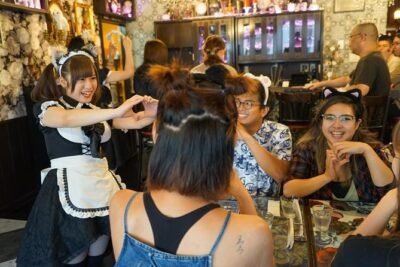 ★ 5.0Akihabara Anime & Game Adventure Walking Tour (Group or Private)From $90404 reviews
 ★ 5.0Gameboy Mod Workshop at AkihabaraFrom $360253 reviews
 ★ 5.0Akihabara Tailor-made Private Tour for Anime FansFrom $132142 reviews
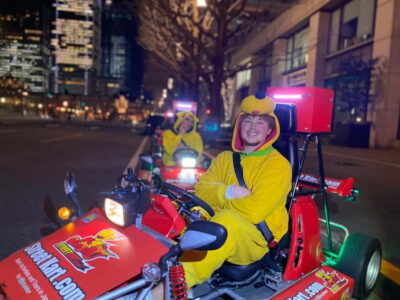 ★ 5.0Original Street Kart Experience from AkihabaraFrom $51111 reviews
 ★ 5.0Ramen Making from Scratch +Akihabara Tour –Tokyo Cooking ClassFrom $123107 reviews
 ★ 5.0Tokyo’s Must-Sees: 5-hour Tsukiji, Akihabara & Asakusa TourFrom $10188 reviews
This tour also belongs to