
Review · ASAKUSA TOURS
Asakusa: 2-Hour History Walking Tour & Local Food Tasting
Old Tokyo tastes better on foot. This 2-hour Asakusa walk puts Senso-ji at the center, with a local guide helping you make sense of what you’re seeing as you go.
I love the way this tour mixes big-ticket sights with everyday life. You get to visit the city’s oldest temple and then snack your way through the neighborhood with local street food tasting, plus shop stops that feel practical, not souvenir-y.
One thing to plan for: meals and drinks are not included. Also, if you want to make a small temple offering or draw an omikuji fortune paper, cash is a good idea because cashless payment is not accepted.
6 quick reasons this Asakusa tour works so well
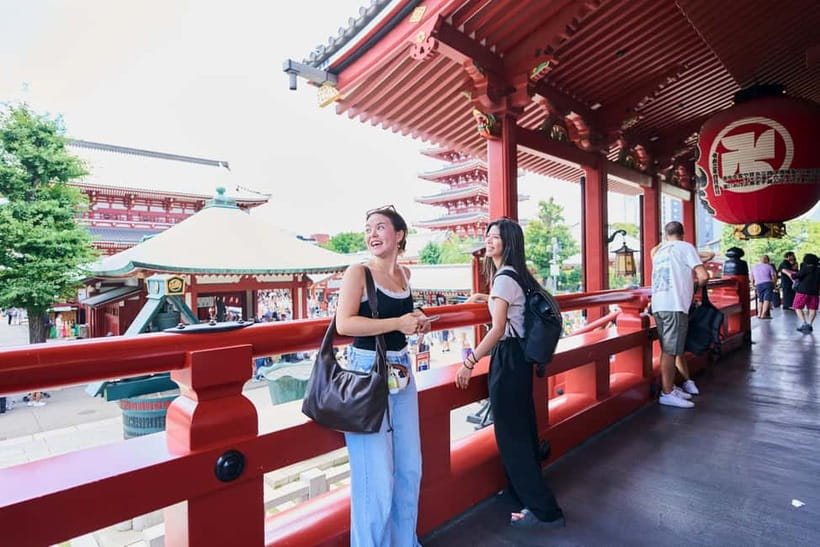
- Senso-ji focus: Tokyo’s oldest temple, built in 628, is the anchor for the whole walk.
- Buddhism meets Shinto nearby: You’ll also visit Asakusa Shrine, where the two traditions overlap in a very Japanese way.
- Street food, guided: You’ll snack like locals do, with the guide’s top picks for sweet or savory bites.
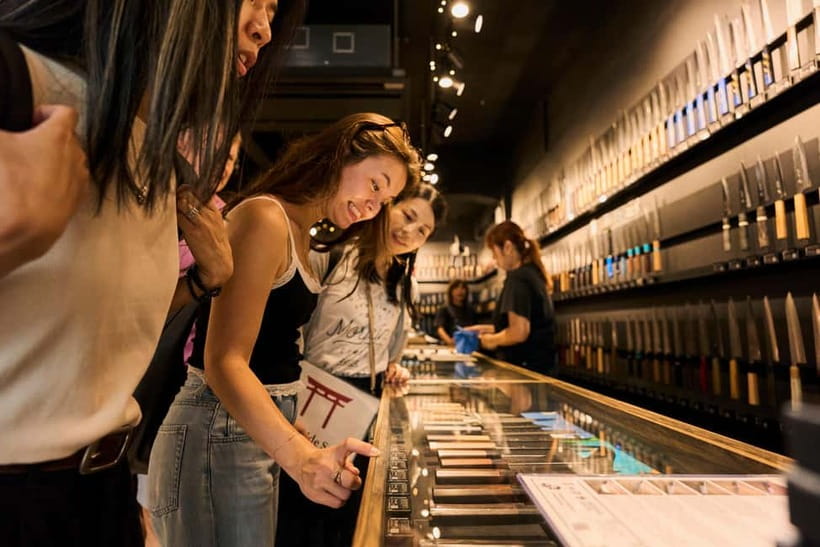
- A pro knife shop stop: You get a glimpse into specialist retail, not just a tourist corner.
- Samurai and ninja gear shopping: Expect a fun store dedicated to swords and ninja-inspired items.
- Cute tableware for souvenirs: You’ll have time to browse Japanese tableware that makes easy, giftable mementos.
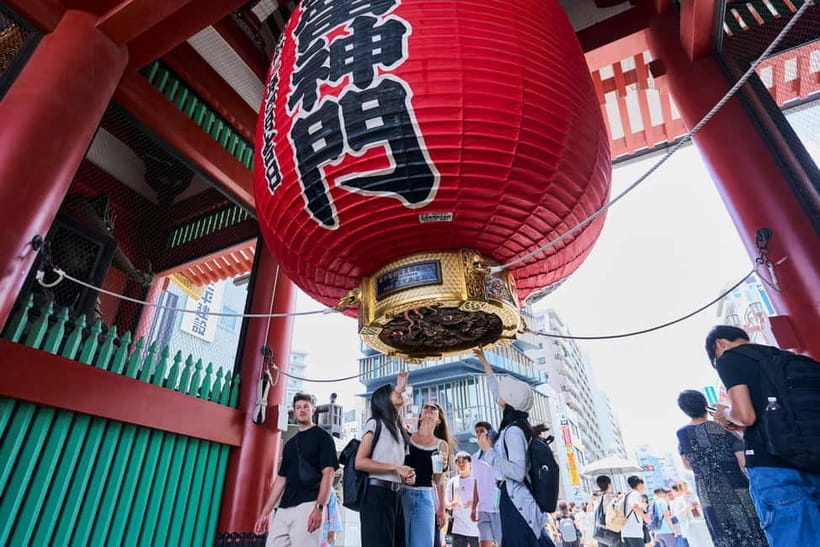
Starting at Kaminarimon Police Box, Asakusa Station

Your tour begins at Asakusa Station, right in front of the Kaminarimon Police Box. Look for a guide holding a sign that says Local Guide Stars. It’s a handy meeting point because it’s easy to recognize, and it also puts you close to the temple area without a long transfer.
This is a short, 2-hour walking format, so your first job is simple: get yourself to the meeting spot a few minutes early. Then settle in with comfortable walking shoes and let the guide handle the flow of the neighborhood.
You can also read our reviews of more walking tours in Tokyo


Senso-ji Temple built in 628, and why the age matters
Senso-ji is the star. This tour brings you to Tokyo’s oldest temple, built in 628, and it’s still treated with the kind of respect usually reserved for places people visit for years, not just photos.
What I like about seeing it with a guide is that the temple stops feeling like a single landmark. You understand why it mattered historically, including the note that it was once protected by samurai. That detail gives you a lens for what you’re seeing, especially if you’ve ever wondered why certain sites attract such enduring attention in Japan.
As you walk, you’ll also notice how Asakusa keeps the temple connection in everyday life. The area feels built around people moving in and out for prayers, snacks, and quick errands. That’s why a guided visit helps, even for people who know Japan’s basics. You get more meaning per minute.
Asakusa Shrine next door, where Buddhism and Shinto coexist
Right next to Senso-ji is Asakusa Shrine, and this is where the tour gets uniquely Japanese in a way that’s easy to miss if you go on your own.
You’ll learn how Buddhism and Shinto come together here. The key idea is coexistence, not conflict. You’ll see how the traditions share space and how people engage with both spiritual worlds during their visit.
If you’re the type who likes to understand the why behind small details, this is a great stop. Even if you don’t plan to do any rituals, it helps you read the neighborhood with better context.
Snack like a local on Asakusa streets

After the temple area, the tour shifts into food mode. This is where you stroll through lively streets where locals have enjoyed traditional treats for generations. The guide’s role matters here. Instead of random snacking, you get direction on what to try and how to choose when there are lots of options.
You can expect a mix of sweet or savory bites, based on the guide’s top picks for local eats. Since meals and drinks are not included, I treat this as tasting time, not a full meal replacement. Plan to have breakfast or a real meal before or after, and let the tour’s food tasting be part of your day, not the whole day.
Practical tip: bring some cash just in case. Even though there are no extra fees on the tour, you might want to make a small offering or draw an omikuji fortune paper at the temple area, and cashless payment is not accepted.
Pro chef knife shop, and why this stop feels surprisingly useful
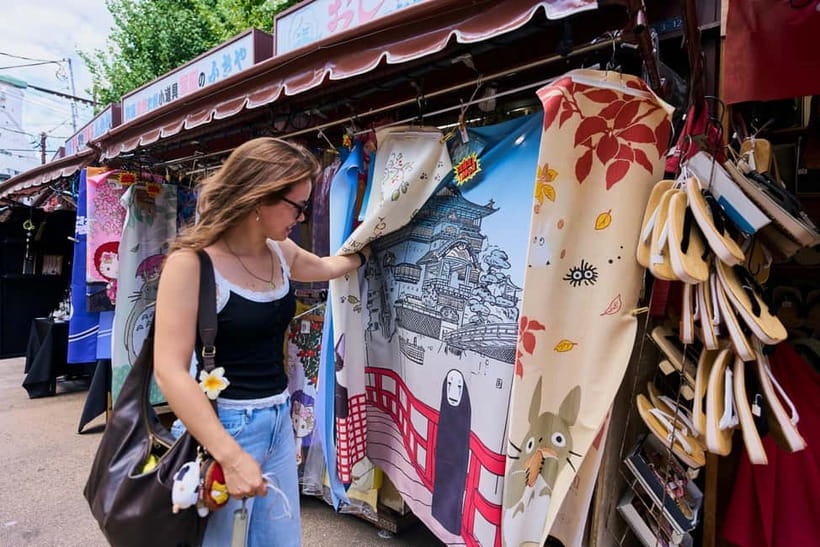
One of the more interesting parts of the itinerary is the visit to a pro-level knife shop. You might think, a knife shop on a walking history tour sounds random. But in Japan, specialist craft shops tell you a lot about local culture.
This isn’t the typical “buy a gadget” stop. It’s more about exposure to real craftsmanship and the kinds of tools professionals care about. If you enjoy cooking, food culture, or just learning how everyday life works in different countries, this shop stop gives you a tangible connection between history and modern skill.
Keep in mind what to expect: you’ll have browsing time, but it’s not a long store tour. The value is that you get guided context and you know what you’re looking at.
You can also read our reviews of more food & drink experiences in Tokyo




Samurai sword and ninja gear store, with fun merch you can actually shop
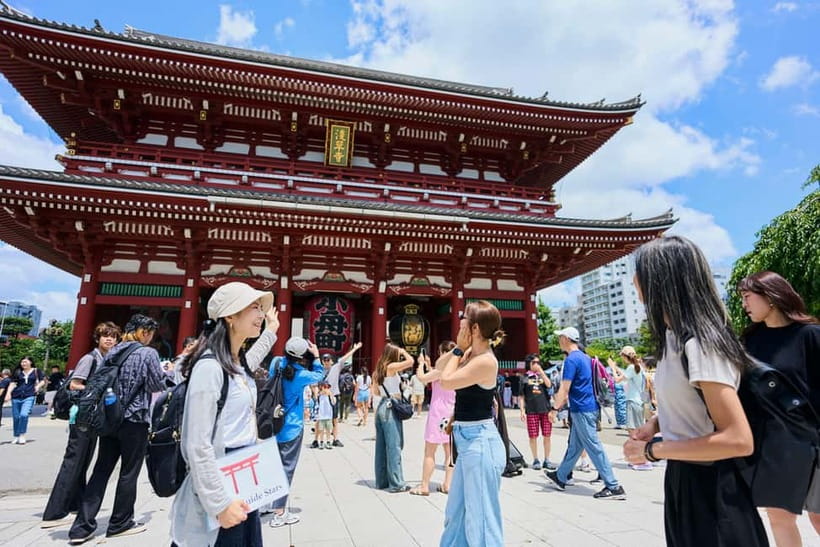
Next up, you’ll hit a samurai sword and ninja gear store. This is the playful side of the tour, the part that turns the neighborhood history into something you can hold in your hands.
The vibe is simple: swords, ninja-themed goods, and gear-inspired items that lean into Asakusa’s pop-culture charm. It’s also a good reminder that these historical references are not only academic here. They show up in shops, souvenirs, and themed retail.
One caution: if you’re sensitive to crowded shopping areas, this part can feel busier because it’s designed to pull you in and keep you looking. Go with a plan, like deciding what you want to buy first, then browse slowly.
Cute Japanese tableware shop for souvenirs that don’t feel generic
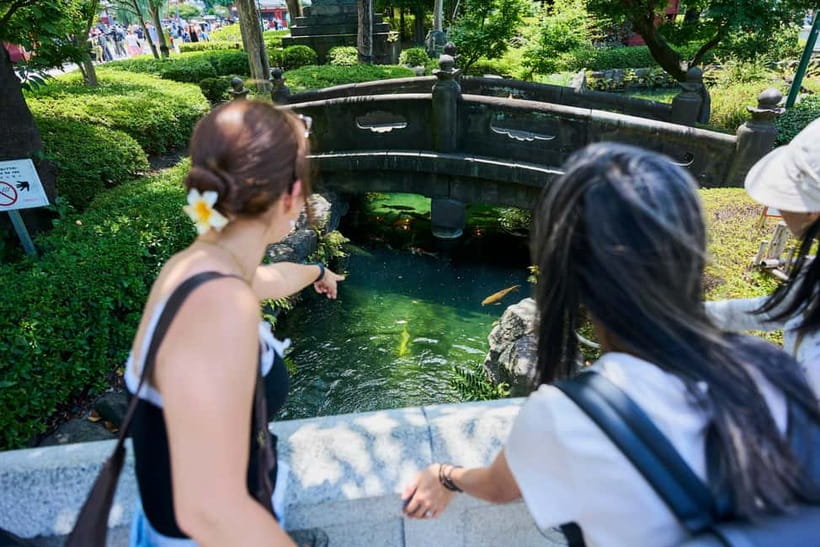
To balance out the more dramatic shop stops, the tour also includes a cute Japanese tableware shop. This is where you can buy something practical and pretty, like pieces you can use after you get home.
Tableware is also a smart souvenir category. It tends to be lighter than big items, and it’s easier to choose items that fit your lifestyle. Plus, it’s the kind of shop that feels like part of daily Japanese culture, not just a tourist brand.
If you like gifts that look thoughtful, not mass-produced, you’ll probably enjoy having time to browse.
Price and value: what $16 gives you in real-world terms
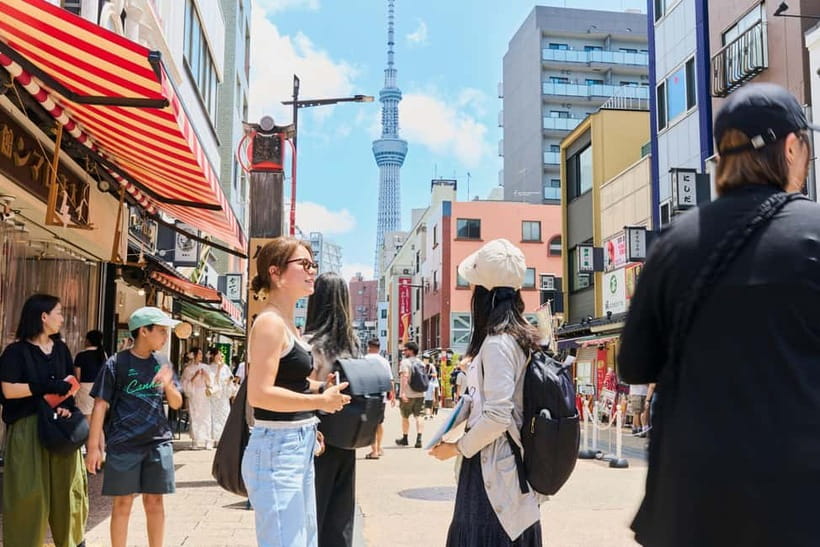
The price is $16 per person for a 2-hour guided walk. That’s a pretty strong value when you look at what’s included.
You get:
- Exploration with a local guide
- A walk through about 1400 years of history at Senso-ji
- Visits to renowned knife shops
- The guide’s top picks for local eats
- A learning piece on how Buddhism and Shinto coexist
What you don’t get:
- Meals and drinks (so think tasting, not full dining)
- Hotel pickup and drop-off
For me, the value comes from time and local direction. Asakusa can be easy to wander through on your own, but you can also miss the meaning behind what you’re seeing and end up guessing on snacks. For a short schedule, having a guide is the difference between wandering and actually learning.
What to bring, how to stay comfortable, and how weather affects the plan
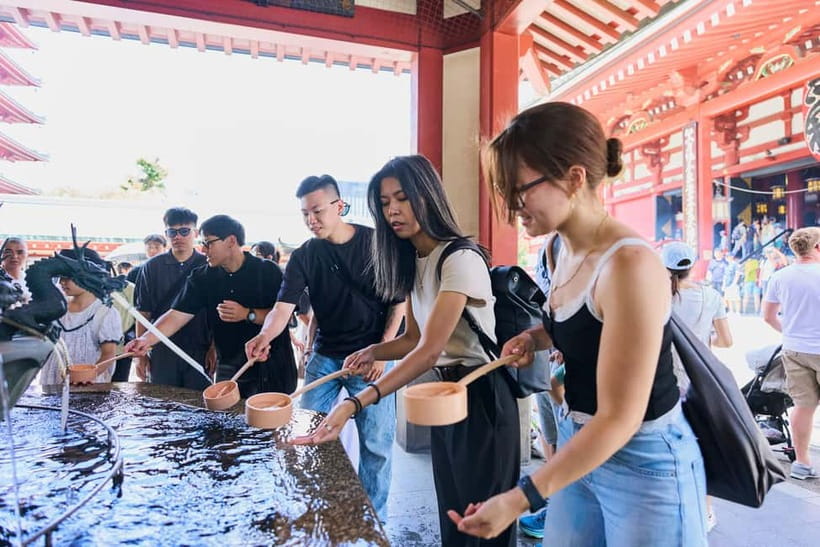
This tour is a walking route, so your biggest requirement is obvious but important: comfortable shoes.
The weather can vary, so dress in layers. If rain pops up, you’ll still be walking, and the tour format depends on keeping a steady pace for all stops within the 2-hour window.
Also, keep a bit of cash in your pocket. The reason is specific: temple offerings and omikuji can involve situations where cashless payment is not accepted. You won’t need it for the tour fee itself, but it can save you from missing a small meaningful moment.
Who this Asakusa tour is best for
I think this tour fits best if you want a compact, high-impact intro to Asakusa.
It’s especially good for:
- First-time visitors who want an organized way to see the temple area plus nearby spots
- People who enjoy street food but want help choosing
- Anyone curious about Japanese craft culture, via the knife shop stop
- Shoppers who like themed stores and practical souvenirs like tableware
If your main goal is a long, deep history lecture, you might want more time. But if you want a smart mix of culture, snacks, and quick shop browsing in just 2 hours, this hits the mark.
Should you book this Asakusa history walking tour and food tasting?
Yes, if you want an efficient Asakusa experience that balances three things: Senso-ji context, guided street food tasting, and shop stops that feel tied to local culture rather than random tourist traps.
I’d say book it if your schedule is tight and you like the idea of learning why the traditions overlap at Asakusa Shrine. The price is reasonable for what’s included, and the meeting point is straightforward.
Skip it if you’re expecting a full meal experience or if you dislike shopping-style stops. Since meals and drinks are not included, you’ll need to plan your food time around the tasting.
FAQ
FAQ
How long is the Asakusa History Walking Tour & Local Food Tasting?
It’s a 2-hour walking tour.
How much does the tour cost?
The price is $16 per person.
What’s included in the tour price?
You get an exploration with a local guide, Senso-ji history walk, visits to renowned knife shops, the guide’s top picks for local eats, and learning about how Buddhism and Shinto coexist.
What is not included?
Meals and drinks are not included, and there is no hotel pickup or drop-off.
Where do I meet the guide?
Meet in front of the Kaminarimon Police Box at Asakusa Station. The guide will hold a sign that says Local Guide Stars.
Where does the tour end?
The tour ends back at the meeting point.
What shops are part of the experience?
You’ll visit a pro chef knife shop, a samurai sword and ninja gear store, and a Japanese tableware shop.
What should I bring with me?
Wear comfortable shoes, and it’s recommended to bring some cash in case you want to make an offering or draw an omikuji, since cashless payment is not accepted.
Is the tour offered in English?
Yes, the tour language is English.
Is it a good idea to book if my plans might change?
The tour offers reserve and pay later, and you can cancel up to 24 hours in advance for a full refund.
More Walking Tours in Tokyo
More Tours in Tokyo





More Tour Reviews in Tokyo


Not for you? Here's more nearby things to do in Tokyo we have reviewed












Asakusa Tours, side by side.
 ★ 4.8Japanese Dance Cabaret Theater Asakusa-Kaguwa TicketFrom $492,270 reviews
 ★ 4.7Meiji Shrine, Asakusa, Skytree Bus Tour and CruiseFrom $1221,986 reviews
 ★ 4.9Roll and Authentic Sushi Making Class in AsakusaFrom $581,957 reviews
 ★ 4.8Asakusa Walking Tour with Sensoji Temple VisitFrom $221,583 reviews
 ★ 5.0Tokyo Asakusa Rickshaw TourFrom $421,375 reviews
 ★ 4.5Tokyo Panoramic 1 Day: Meiji Shrine, Asakusa, Odaiba and SKYTREE®From $851,222 reviews
 ★ 5.0Tokyo Go Kart: Asakusa, Skytree, and Akihabara **IDP MUST**From $99988 reviews
 ★ 4.7Asakusa, Skytree & Akhihabara Go-Kart City ExperienceFrom $96761 reviews
This tour also belongs to